Quick Facts
- Prep Time: 10 minutes (plus 20 minutes for rehydration if using dried mushrooms)
- Cook Time: 10 minutes
- Ratio: 350g fresh mushrooms are equivalent to 150g dried mushrooms
- Calories: Approximately 77-167 kcal per serving
- Key Nutrients: Iodine, Vitamin B5, Ergothioneine
- Essential Equipment: A seasoned wok or a heavy-bottomed cast-iron skillet
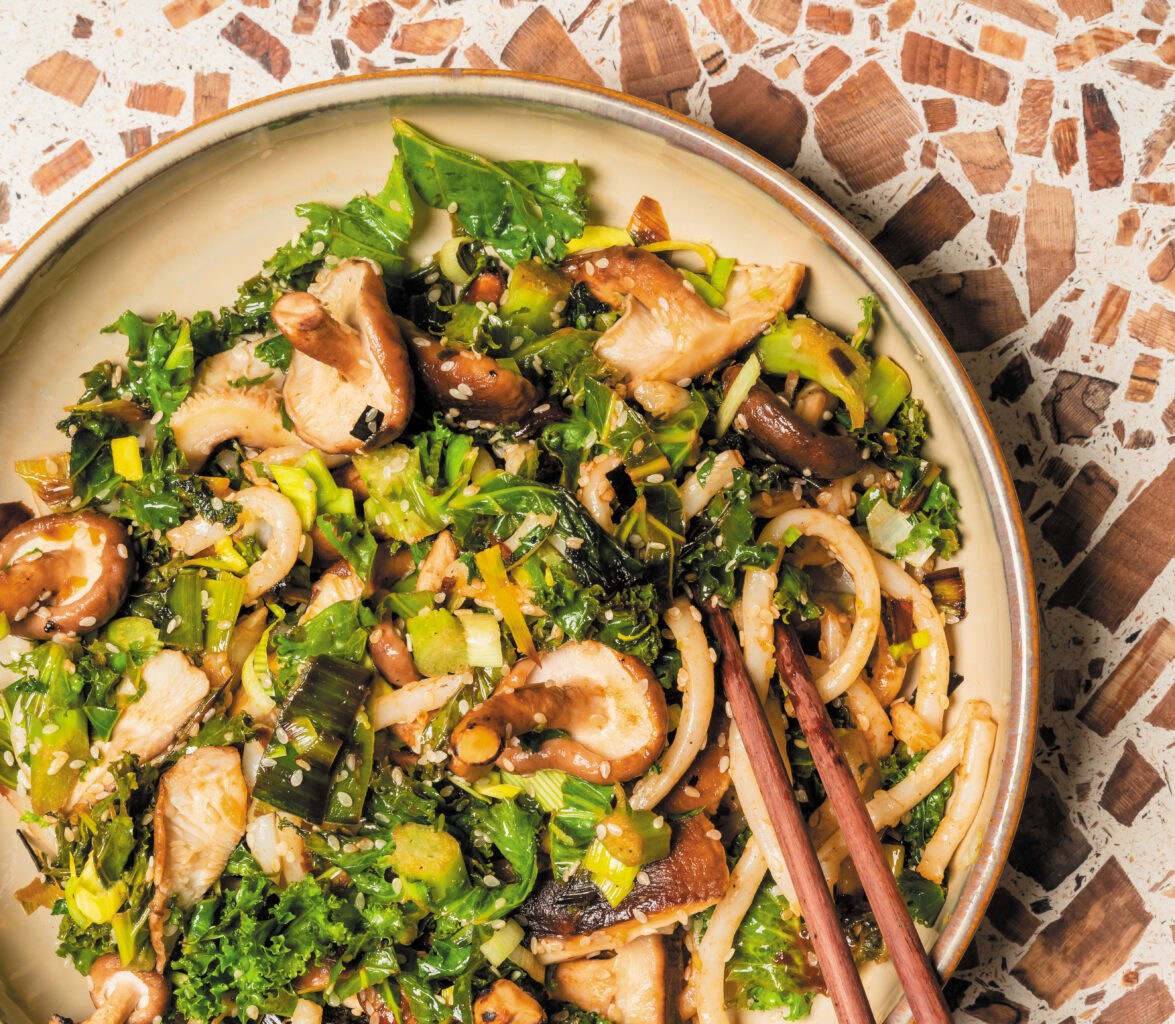
To prepare a professional shiitake stir fry, clean fresh mushrooms with a damp cloth or soak dried ones for 20 minutes, then sear in a high-heat wok with ginger and sesame oil until lightly browned to ensure a savory, non-soggy texture. This quick 20 minute vegan mushroom and seaweed stir fry serves as a powerhouse of nutrition, blending the earthy richness of fungi with the mineral-dense benefits of the ocean.
The Science of Shiitake Mushroom Preparation
As a nutrition editor, I am often asked about the best way to handle mushrooms to preserve both their flavor and their health profile. Shiitake mushrooms are unique because of their porous structure, which acts like a sponge. If you rinse them under a running tap, they will absorb excess water, leading to a steamed, rubbery texture rather than a crisp sear. For the best shiitake mushroom preparation, always use a damp paper towel or a soft brush to wipe away any debris from fresh caps.
If you are using dried varieties, the rehydration process is your most important step. Dried mushrooms often possess a more concentrated flavor profile than fresh ones, but they require patience. Submerge them in warm water for exactly 20 minutes. Do not discard the soaking liquid; it is rich in water-soluble nutrients and can be used to deglaze your pan or as a base for future soups. Once soft, drain them thoroughly and squeeze out the excess moisture.
A common point of confusion is the stem question. While the caps are tender and succulent, the stems of shiitake mushrooms are notoriously fibrous and woody. You cannot eat the stems of shiitake mushrooms in a quick stir-fry because they will not soften in the short cooking window. However, from a nutritional standpoint, they are far too valuable to throw away. I recommend trimming the stems and storing them in your freezer to make a mineral-rich vegetable stock later. For the stir-fry itself, thinly slice the caps to ensure even cooking and maximum surface area for your aromatics.
Understanding the difference in weight is also vital for meal planning. If a recipe calls for fresh but you only have dried, remember that dried mushrooms are much more potent. A general rule of thumb is that 150g of dried mushrooms will provide roughly the same volume as 350g of fresh ones once rehydrated. When learning how to prepare dried shiitake mushrooms for stir fry, this ratio ensures you maintain the correct balance of flavors without overpowering the other ingredients.
Texture Mastery: Achieving the Meaty Crunch
The secret to a restaurant-quality shiitake stir fry lies in the texture. Many home cooks struggle with mushrooms releasing too much water and becoming soggy in the pan. To prevent this, we must look at the physics of high-heat wok cooking. Mushrooms are roughly 80% to 90% water; if the pan isn't hot enough, the cell walls break down slowly, releasing liquid that pools in the bottom of the pan.
To achieve a meaty and satisfying crunch, I recommend a light coating of cornstarch on your sliced mushrooms just before they hit the pan. This starch creates a protective barrier that absorbs surface moisture and creates a delicate, golden crust. When you introduce them to a hot wok with toasted sesame oil, the high heat locks in the savory depth of the mushroom while crisping the edges.
Keep the mushrooms moving, but do not overcrowd the pan. Cooking in batches if necessary is one of the most effective tips for wok frying shiitake mushrooms without getting soggy. By maintaining a high temperature, you trigger the Maillard reaction—a chemical reaction between amino acids and reducing sugars that gives browned food its distinctive flavor. This technique transforms a simple vegetable into a satisfying protein substitute that satisfies the most dedicated meat-eaters.

Building the Ultimate Umami Sauce
Umami, often called the fifth taste, is the savory, "meaty" sensation we experience when consuming foods high in glutamates. While meat is a traditional source, vegan umami recipes rely on fermented and aged plant-based ingredients to achieve the same complexity. The base of our sauce for this dish centers on tamari seasoning, which provides a deeper, less salty profile than standard soy sauce and is naturally gluten-free.
To create a professional-grade glaze, combine your liquid base with ginger and garlic to create a foundation of Asian-style aromatics. The inclusion of toasted sesame oil adds a nutty top note that rounds out the earthiness of the fungi. If you are looking for the best vegan umami sauces for mushroom stir fry, consider adding a pinch of five-spice powder or a teaspoon of rice vinegar to provide acidity that cuts through the richness.
| Ingredient | Role in Flavor Profile | Emily’s Substitution Tip |
|---|---|---|
| Tamari | Deep, savory saltiness | Use Coconut Aminos for a lower-sodium, soy-free option. |
| Toasted Sesame Oil | Nutty aroma and fat | Use avocado oil with a drop of liquid smoke for a different depth. |
| Fresh Ginger | Bright, spicy heat | Ground ginger can work, but use only 1/4 of the amount. |
| Cornstarch Slurry | Thickness and gloss | Arrowroot powder is an excellent grain-free alternative. |
When you add this mixture to the hot wok at the final stage of cooking, it will bubble and thicken almost instantly, coating the mushrooms and any accompanying vegetables in a glossy, savory film. This ensures that every bite is infused with flavor rather than having the sauce sit at the bottom of the bowl.
Seaweed Integration and Nutritional Benefits
The addition of seaweed to a shiitake stir fry is more than just a culinary flair; it is a nutritional strategy. From a health perspective, seaweed provides essential minerals that are often difficult to find in land-based plant diets. For instance, dried seaweeds are concentrated sources of iodine, with wakame providing approximately 139 mcg per gram and nori providing about 37 mcg per gram. Iodine is crucial for thyroid function and metabolic health.
Shiitake mushrooms bring their own set of medicinal benefits to the plate. A one-cup serving of raw shiitake mushrooms provides 24.4 mg of ergothioneine and approximately 26% of the daily value for vitamin B5. Ergothioneine is a potent antioxidant that supports cellular health and may help protect against age-related decline.
Integrating seaweed into the stir fry should happen toward the end of the cooking process. Nori flakes can be sprinkled over the top as a garnish to maintain their crunch, while rehydrated wakame can be tossed into the wok during the last minute of cooking. The nutritional benefits of seaweed and shiitake stir fry are amplified when you include vegetables that pair well with shiitake and seaweed stir fry, such as:
- Baby bok choy for crunch and calcium
- Red bell peppers for a boost of Vitamin C
- Snap peas for a sweet, fibrous contrast
- Scallions for a sharp, fresh finish
This dish is a reflection of a larger movement in the culinary world. The global plant-based food ingredients market, which utilizes seaweed and mushrooms for unique textures and flavors, is projected to grow from USD 10.87 billion in 2025 to USD 26.42 billion by 2033. By mastering these ingredients now, you are at the forefront of a sustainable and health-conscious food revolution.
FAQ
How do you prepare shiitake mushrooms for stir fry?
Start by cleaning fresh caps with a damp cloth or rehydrating dried ones in warm water for 20 minutes. Remove the tough stems and slice the caps into thin, uniform strips. For the best results, toss the sliced caps in a small amount of cornstarch before cooking to help them brown and develop a crisp exterior.
Do you need to soak dried shiitake mushrooms before stir-frying?
Yes, dried shiitake mushrooms must be rehydrated before they are added to a stir fry. The high-heat, fast-cooking nature of a wok does not provide enough moisture or time to soften dried fungi. Soaking them for 20 minutes in warm water ensures they are tender and succulent when cooked.
Can you eat the stems of shiitake mushrooms?
While shiitake stems are non-toxic and edible, they are extremely tough and fibrous, making them unpleasant to eat in a quick-cook dish like a stir fry. It is best to trim them off and save them for simmering in broths or stocks, where their flavor can be extracted over a longer period.
Should I wash shiitake mushrooms before cooking?
You should generally avoid washing shiitake mushrooms under running water or submerging them, as they act like sponges and will absorb liquid. This extra moisture prevents them from getting crispy in the pan. Instead, use a damp cloth or a kitchen brush to gently wipe away any visible dirt or substrate.
How do you make shiitake mushrooms crispy in a stir fry?
The key to crispiness is high heat and moisture control. Ensure your wok is smoking hot before adding the mushrooms and avoid crowding the pan, which causes the temperature to drop and the mushrooms to steam. Coating the slices in a light dusting of cornstarch and using a high-smoke-point oil like toasted sesame oil will also help achieve a golden, seared edge.
Final Culinary Thoughts
This seaweed and mushroom stir fry is a perfect example of how evidence-based nutrition can meet practical, delicious cooking. By focusing on the preparation of these high-umami ingredients, you can create a meal that is both satisfying and supportive of your immune health. Whether you are looking for a quick weeknight dinner or a nutrient-dense meal prep option, this 20-minute recipe is a staple for any plant-forward kitchen.
This dish also stores remarkably well; simply keep it in an airtight container in the refrigerator for 3-4 days. The flavors of the tamari and ginger actually deepen over time, making the leftovers just as enjoyable as the initial meal. Give this recipe a try tonight and experience the synergy of land and sea.