Quick Facts
- Primary Sign: Developing gastrointestinal distress, bloating, or skin rashes shortly after consuming supposedly healthy superfoods.
- Critical Metric: Maintaining a 70% cocoa threshold is necessary to reap benefits without triggering cocoa-related sensitivities.
- High Density Swap: Replacing spinach with Swiss chard, which holds a top ANDI 1000 score, provides high nutrient density with lower oxalate risk.
- Key Mechanism: Certain plant compounds like lectins or solanine can compromise gut permeability, leading to systemic immune responses.
- 2026 Trend: Transitioning from generic dietary advice to precision nutrition based on individual microbiome diversity and genetic markers.
- Diagnostic Protocol: Utilizing a structured elimination diet to systematically identify personal triggers and restore digestive balance.
Signs of anti-inflammatory food sensitivities include gastrointestinal distress, bloating, or joint flares shortly after consuming purported superfoods. These reactions often stem from individual intolerance to compounds like salicylates or oxalates, necessitating an elimination diet to restore gut permeability and ensure that your nutritional choices support rather than hinder your recovery.
The Trigger Food Paradox: When Healthy Foods Cause Systemic Inflammation
We have been taught that the path to health is paved with vibrant vegetables, golden spices, and probiotic-rich jars of fermented cabbage. For most, this is true. However, in my years as a nutrition editor, I have seen a rising number of individuals who follow these "clean" protocols perfectly, yet feel worse. This is the trigger food paradox. When your body identifies a specific compound in a healthy food as a threat, it initiates an immune response that leads to systemic inflammation.
The difference between general metaflammation and acute anti-inflammatory food sensitivities lies in biochemical individuality. Your gut is like a high-tech filtration system. When that system is compromised—a condition often called biological flooding—normally beneficial phytonutrients can leak into the bloodstream before they are properly processed. Instead of acting as antioxidants, they become unexpected inflammatory food triggers.
Evaluating personal triggers in an anti-inflammatory diet requires a shift in perspective. We must stop asking "Is this food healthy?" and start asking "Is this food healthy for my specific genotype and current microbiome state?" Precision nutrition is the tool we use to bridge this gap, ensuring that our dietary strategies don't accidentally increase oxidative stress.

1. Nightshades and Joint Pain: The Solanine Connection
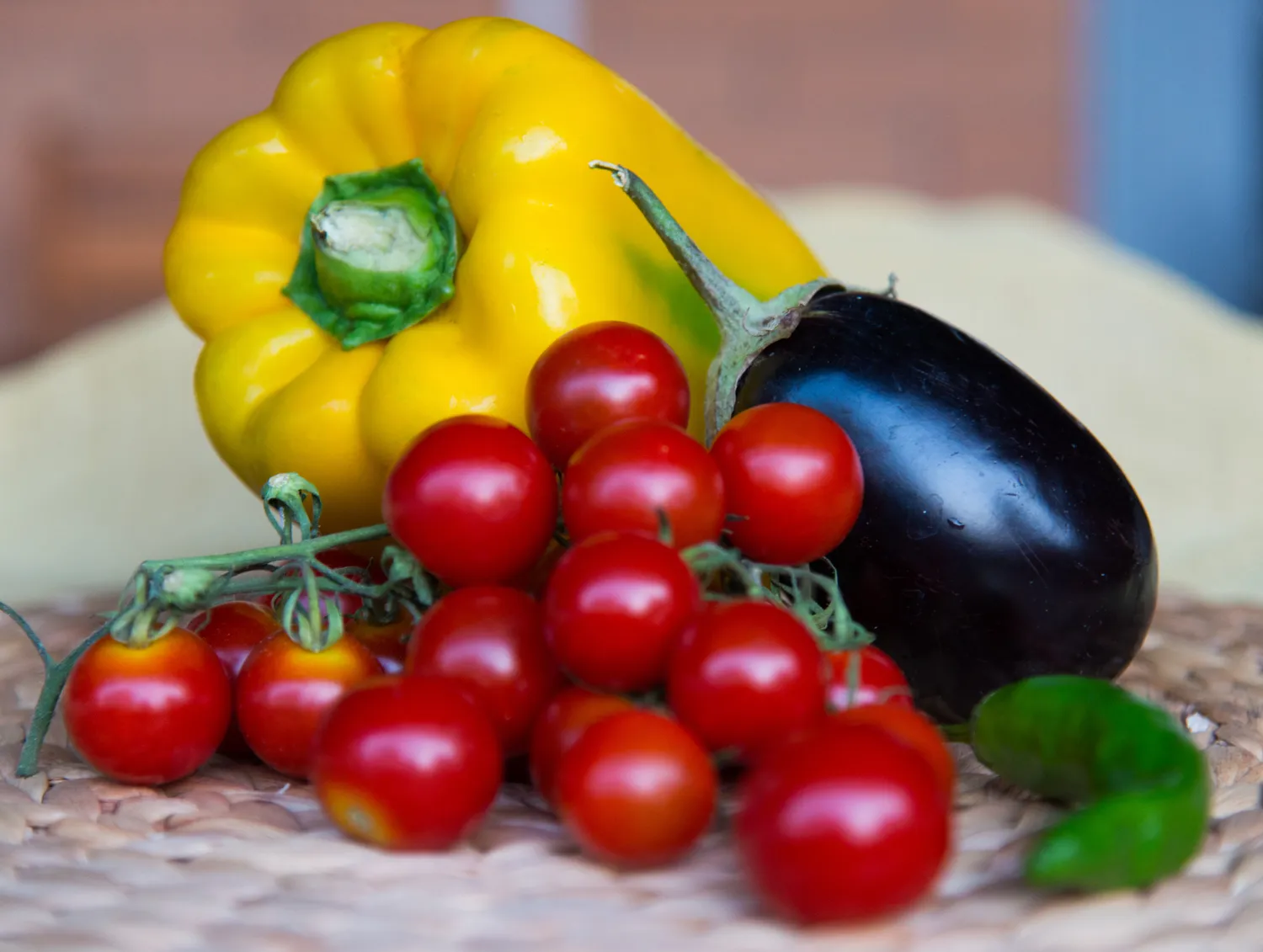
For many people dealing with autoimmune conditions, the very foods meant to help might be the culprits behind lingering joint pain. Nightshades, a family of plants including tomatoes, white potatoes, eggplants, and peppers, contain a natural pesticide called solanine. In the plant world, solanine protects the fruit from insects. In a sensitive human gut, it can act as an irritant.
Research indicates that while nightshade vegetables like tomatoes and peppers are typically considered anti-inflammatory, they are reported to trigger sensitivities or allergic reactions in certain individuals, particularly those who already suffer from compromised gut health. When solanine is ingested by someone with a nightshade sensitivity in anti-inflammatory diets, it can contribute to a breakdown in gut permeability. This allows compounds to enter the bloodstream that shouldn't be there, potentially leading to joint flares or stiffness.
Common signs of anti-inflammatory food intolerance in this category include a noticeable increase in joint swelling or a "heavy" feeling in the limbs 12 to 24 hours after a meal rich in peppers or tomatoes. If you suspect this is happening to you, following a strict Autoimmune Protocol for a few weeks can help confirm if solanine is your personal trigger.
2. High-Oxalate Greens: Why Spinach Isn't for Everyone
Spinach is the undisputed king of the "healthy green" world, but it carries a hidden cargo: oxalates. Oxalates are organic acids found in many plants that can bind to minerals like calcium in the digestive tract. For most, this is a non-issue. However, for individuals with certain metabolic types or those prone to kidney stones, high-oxalate greens can become a source of significant distress.
When oxalates accumulate in the body, they can form sharp crystals that irritate tissues. This doesn't just affect the kidneys; it can manifest as systemic aches or even vulvodynia in sensitive women. In terms of anti-inflammatory food sensitivities, spinach is one of the most common offenders simply because we tend to eat so much of it when trying to be healthy.
Choosing anti-inflammatory alternatives for sensitivities is the key to maintaining nutrient density without the side effects. If you find that large amounts of spinach leave you feeling fatigued or cause digestive discomfort, consider low oxalate anti-inflammatory food swaps. Swiss chard and collard greens both boast an ANDI score of 1,000—the highest possible rating for nutrient density—yet they are generally much easier for the body to process than spinach or beet greens. Focusing on bioavailability ensures you actually absorb the minerals you are eating.
3. Fermented Foods and Histamine Intolerance
We are currently in a golden age of gut health awareness. Kombucha, kimchi, and sauerkraut are celebrated for their ability to increase microbiome diversity. Yet, for a specific subset of people, these foods cause immediate gastrointestinal distress, migraines, or even skin flushing. This is often due to histamine intolerance and anti-inflammatory food choices.
Histamine is a chemical involved in your immune system, digestion, and central nervous system. Many fermented foods are naturally high in histamine because of the bacterial activity required to produce them. If your body lacks enough of the enzyme (DAO) to break down this histamine, eating "gut-healthy" foods can lead to a state of internal overflow.
This is a classic example of unexpected inflammatory food triggers. You might be eating kimchi to lower inflammation, but if you have a histamine sensitivity, the resulting histamine spike creates more systemic inflammation than the probiotics could ever solve. Signs of anti-inflammatory food intolerance here often include a runny nose, itchy skin, or sudden bloating immediately after consuming fermented products.

4. The Turmeric Trap: Salicylate Sensitivity and Digestion
Turmeric is perhaps the most famous anti-inflammatory agent in the world, thanks to its active compound, curcumin. However, turmeric is also extremely high in salicylates—the same compounds found in aspirin. While salicylates are natural plant chemicals that help protect plants from disease, many people are unknowingly sensitive to them.
I have worked with readers who increased their turmeric intake to combat muscle soreness, only to find themselves dealing with mysterious stomach pain or tinnitus. These are common turmeric sensitivity and digestive side effects. When we focus too heavily on specific polyphenols without considering the whole chemical profile of the spice, we can inadvertently trigger anti-inflammatory food sensitivities.
Salicylates can cause a range of reactions, from hives to asthma-like symptoms, in those who cannot metabolize them efficiently. If you find that your digestion suffers when you take turmeric supplements or cook with the fresh root, you may need to look for other ways to manage inflammation, such as increasing your intake of omega-3 fatty acids from fish or using ginger, which is often better tolerated.

5. From Flare-ups to Precision Nutrition: Using the 2026 Food Pyramid
The future of dieting isn't found in a one-size-fits-all list but in the 2026 anti-inflammatory food pyramid for sensitive individuals. This model prioritizes the most bioavailable and least reactive foods at its base. Instead of assuming all vegetables are equal, this pyramid suggests starting with low-trigger options like steamed root vegetables, zucchini, and wild-caught fatty fish.
To implement this in your own life, you must become a nutritional detective. An elimination diet is the gold standard for this process. By removing high-risk categories—nightshades, high-oxalate greens, and histamine-rich foods—for 21 days, you allow your immune system to calm down. As you slowly reintroduce these foods one by one, you can pinpoint exactly which ones are causing oxidative stress and which ones are truly supporting your health.
Choosing anti-inflammatory alternatives for sensitivities often means looking for a low FODMAP anti-inflammatory food list. For instance, if garlic and onions—common anti-inflammatory staples—cause you to bloat, you can use chive-infused olive oil to get the flavor and antioxidants without the digestive distress. The goal is always to reduce the burden on your gut while maximizing the intake of protective nutrients.
FAQ
How can you tell if you have a food sensitivity?
A food sensitivity is different from an allergy. While an allergy causes an immediate, often severe reaction, a sensitivity is usually delayed. You might notice brain fog, fatigue, bloating, or skin issues anywhere from a few hours to two days after eating a trigger food. Keeping a detailed food and symptom journal is the most effective way to spot these patterns over time.
Can food sensitivities lead to joint pain and swelling?
Yes, absolutely. When the gut lining is irritated by a food sensitivity, it can become more permeable. This allows undigested food particles and toxins to enter the bloodstream, which can trigger an immune response. This systemic immune activity often manifests as inflammation in the joints, leading to the pain and swelling many people mistake for standard arthritis.
Is there a specific test for anti-inflammatory food sensitivities?
While blood tests for IgG antibodies exist, they are often controversial and may show "false positives" for foods you eat frequently. The most reliable "test" remains a professionally guided elimination diet. By removing and then systematically reintroducing foods, you get direct, observable data on how your unique body reacts to specific compounds like salicylates or oxalates.
Can an elimination diet identify inflammatory trigger foods?
An elimination diet is the most powerful tool we have for identifying personal triggers. By clearing the "noise" of potentially reactive foods for a few weeks, you create a baseline of health. When you reintroduce a food like tomatoes and suddenly experience a flare-up of symptoms, you have clear evidence that your body is currently sensitive to that specific food group.
What are the best anti-inflammatory foods for sensitive stomachs?
For those with sensitive digestive systems, focusing on "gentle" anti-inflammatory options is best. This includes cooked ginger, wild-caught salmon, blueberries, and cooked vegetables like carrots and squash. These foods provide high levels of antioxidants and healthy fats but are low in common irritants like high fiber, oxalates, or solanine, making them safer choices during a healing phase.