Quick Facts
- Gut Health Score: 3/30 weekly plants
- Fiber Content: 5–10g per serving
- Prep Time: 15 minutes
- Key Health Agent: Polyphenols from cocoa and EVOO
- Dietary Profile: Vegan, Dairy-Free, UPF-free
- Core Benefit: Feeds beneficial gut bacteria while satisfying sugar cravings
Tim Spector's chocolate olive oil mousse is a revolutionary plant-based dessert that proves indulgence can support gut health. By swapping dairy for aquafaba and butter for extra virgin olive oil, this recipe delivers a high-polyphenol treat that feeds your gut microbiome.
The Science: Why Chocolate and Olive Oil are Gut Rocket Fuel
In the world of nutrition science, we often talk about "food as medicine," but rarely does that medicine taste like a decadent dessert. Professor Tim Spector, a leader in gut microbiome research and co-founder of the ZOE personalized nutrition platform, has championed the idea that what we eat should support our internal ecosystem. His chocolate olive oil mousse is a prime example of culinary medicine, utilizing the synergy between high-quality cocoa solids and monounsaturated fats.
The magic lies in the polyphenols. Research led by Tim Spector through the American and British Gut Projects involving over 10,000 participants found that individuals who consume 30 or more different plant types per week have significantly more diverse gut microbiomes than those who eat 10 or fewer. This mousse contributes three distinct plant types to that weekly goal: cocoa, olives, and chickpeas.
Furthermore, high-quality dark chocolate with at least 70% cocoa solids contains approximately 7g to 12g of fiber per 100g and is rich in polyphenols, which Spector describes as rocket fuel for supporting the growth of beneficial gut bacteria. When combined with extra virgin olive oil, which is packed with flavonoids and healthy fats, you create a dessert that stabilizes blood sugar better than traditional high-sugar alternatives while delivering essential nutrients.
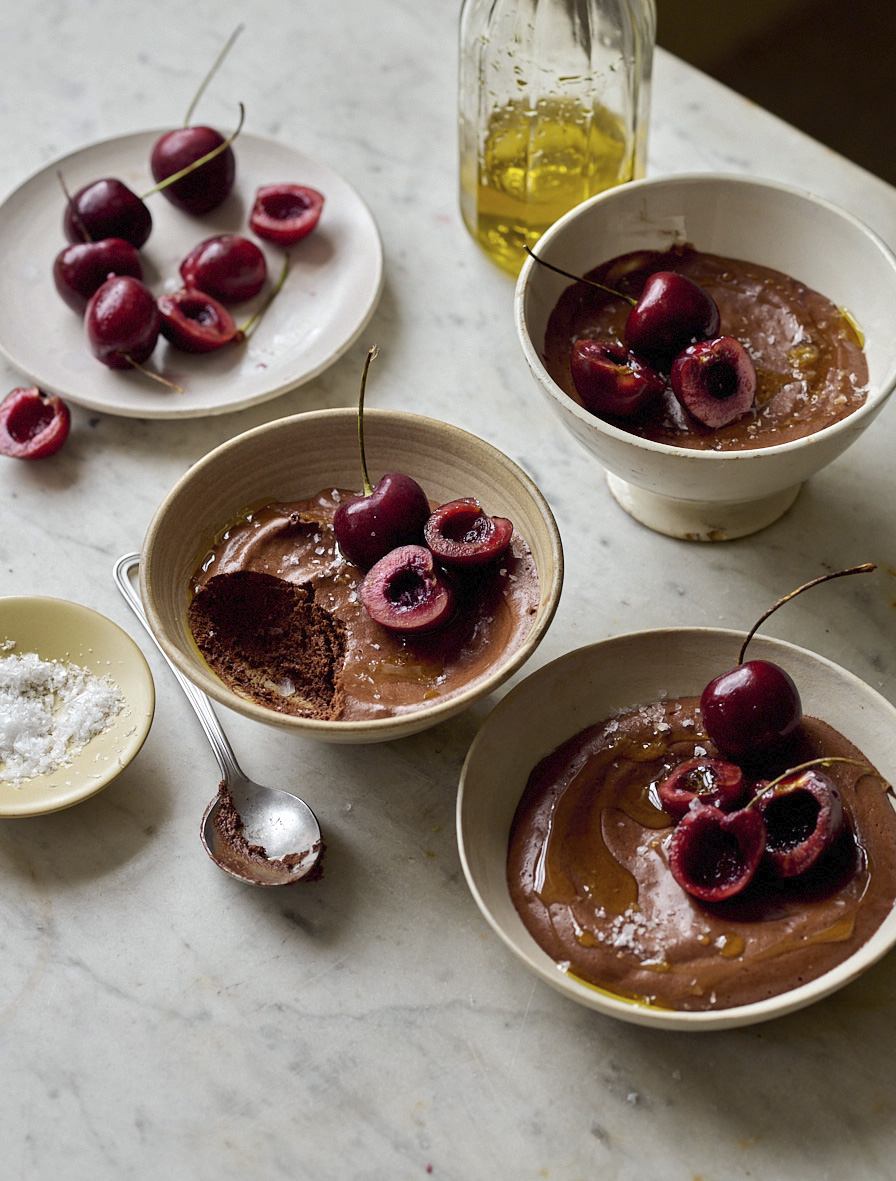
Ingredients and Step-by-Step Preparation
To make this Tim Spector gut health recipe at home, you only need a handful of high-quality ingredients. Because there are so few components, the quality of each one matters immensely for both the flavor and the nutritional profile.
The Shopping List
- 100g Dark chocolate (minimum 70% cocoa solids, ideally 85%)
- 140ml Aquafaba (the liquid from one can of unsalted chickpeas)
- 2 tbsp High-quality extra virgin olive oil
- 1 tbsp Maple syrup (optional, for added sweetness)
- A pinch of sea salt
Preparation Steps
- Melt the Chocolate: Break the chocolate into small pieces and place them in a glass bowl over a pan of simmering water (a bain-marie). Ensure the bottom of the bowl does not touch the water. Once melted, remove from heat and let it cool slightly.
- Incorporate the Oil: Stir the extra virgin olive oil and maple syrup into the melted chocolate. The mixture should look glossy and smooth.
- Whisk the Aquafaba: In a separate, completely clean bowl, whisk the chickpea brine using an electric hand mixer. Continue whisking until you achieve stiff peaks—this usually takes about 5 to 8 minutes. The texture should resemble whipped egg whites.
- The Folding Process: Using a metal spoon, gently fold a large spoonful of the whipped aquafaba into the chocolate mixture to loosen it. Then, very carefully fold in the remaining aquafaba. Work slowly to preserve as many air bubbles as possible.
- Chill to Set: Pour the mixture into small ramekins or glasses. Refrigerate for at least one hour, though four hours is ideal for a firmer set.
Technical Mastery: Tips for the Perfect Airy Texture
Achieving the perfect vegan chocolate mousse with aquafaba and olive oil requires a bit of technical finesse. Many home cooks are surprised to learn that chickpea brine can mimic egg whites so effectively, but the proteins and starches in the brine provide the necessary structure for emulsification.
Pro-Tip: The Grease-Free Rule When whisking aquafaba to stiff peaks, even a tiny trace of fat or oil in the bowl can prevent the proteins from bonding. Always use a stainless steel or glass bowl that has been thoroughly cleaned and dried. Avoid plastic bowls, as they can retain a thin film of oil even after washing.
Using a metal spoon for folding is another essential piece of advice for how to make Tim Spector chocolate olive oil mousse correctly. A plastic spatula has a thicker edge that can deflate the delicate air bubbles you’ve worked so hard to create. A thin metal spoon "cuts" through the foam more cleanly, maintaining the light, airy texture that defines a classic mousse.
Why This is a Superior Ultra-Processed Food Alternative
Most store-bought mousses are classic examples of ultra-processed food (UPF), containing emulsifiers, artificial flavorings, and excessive refined sugars. Tim Spector’s chocolate olive oil mousse provides a nutrient-dense alternative that addresses a major public health gap. Statistics show that Tim Spector's plant-based chocolate olive oil mousse provides between 5g and 10g of fiber per serving, which helps address the fact that approximately 90% of the population fails to meet the recommended daily fiber intake of 30g.
| Feature | Traditional Chocolate Mousse | Spector's Olive Oil Mousse |
|---|---|---|
| Primary Fat Source | Heavy cream & butter (Saturated) | Extra virgin olive oil (Monounsaturated) |
| Protein Source | Egg whites | Aquafaba (Chickpea proteins) |
| Fiber Content | Near zero | 5–10g per serving |
| Gut Health Impact | May disrupt microbiome (sugar/UPF) | Promotes microbial diversity (polyphenols) |
| Dietary Suitability | Contains dairy/eggs | Vegan & Dairy-free |
Variations and Serving Suggestions
Once you have mastered the basic aquafaba chocolate mousse recipe, you can experiment with toppings to further boost your plant diversity. The bittersweet profile of the 70% cocoa pairs beautifully with a variety of textures and flavors.
- The Nutty Crunch: Top with crushed toasted hazelnuts or walnuts. This adds healthy fats and increases your weekly plant count.
- The Berry Boost: Fresh raspberries or pomegranate seeds provide acidity to balance the richness of the olive oil and add more flavonoids.
- The Savory Edge: A tiny sprinkle of flaky sea salt can enhance the fruitiness of the extra virgin olive oil dessert benefits.
- Low-Histamine Swap: For those following specific protocols, ensure your chocolate is high quality and consider using a splash of cashew milk if you prefer a creamier, less airy finish, though this will change the traditional mousse texture.
When choosing your oil, remember that a fruity, cold-pressed extra virgin olive oil is usually the best choice for desserts. Peppery oils can sometimes overwhelm the chocolate, though some enthusiasts enjoy that spicy kick at the back of the throat.

FAQ
What does chocolate olive oil mousse taste like?
The taste is intensely chocolaty with a sophisticated, bittersweet profile. The olive oil adds a silky mouthfeel and a subtle fruity undertone that makes the chocolate flavor linger longer on the palate than traditional cream-based versions.
Is chocolate olive oil mousse healthier than traditional mousse?
Yes, from a metabolic and gut health perspective. It replaces saturated animal fats and refined sugars with heart-healthy monounsaturated fats and fiber-rich cocoa. It also provides significant polyphenols and avoids the emulsifiers found in ultra-processed food versions.
Which type of olive oil is best for chocolate mousse?
A high-quality, "fruity" extra virgin olive oil is generally preferred. Look for oils with notes of apple or almond rather than "peppery" or "grassy" ones, as the fruity profile complements the natural sweetness of the cocoa solids more harmoniously.
Can you taste the olive oil in chocolate mousse?
You can detect a hint of the olive oil's character, but it doesn't taste like a salad dressing. Instead, it provides a rich, complex depth of flavor that enhances the dark chocolate. If you use a mild oil, the taste is very subtle.
Why is olive oil added to chocolate mousse?
In this low sugar plant based chocolate mousse for gut health, olive oil acts as the primary fat source for emulsification, replacing butter or cream. It provides the necessary richness for a satisfying dessert while delivering anti-inflammatory antioxidants and supporting cardiovascular health.
As you begin your journey into gut-friendly baking, remember that small swaps—like choosing aquafaba over eggs—can make a significant difference in your microbiome's health. I encourage you to share your results and tell us how many plants you managed to pack into your dessert this week!