Quick Facts
- Prep Time: 10 minutes
- Cook Time: 35 minutes
- Total Calories: 437-476 per serving
- Core Protein: Haddock, Cod, or Hake
- Key Nutrient: High in Omega-3 and Dietary Fiber
- Serving Size: Optimised for two people
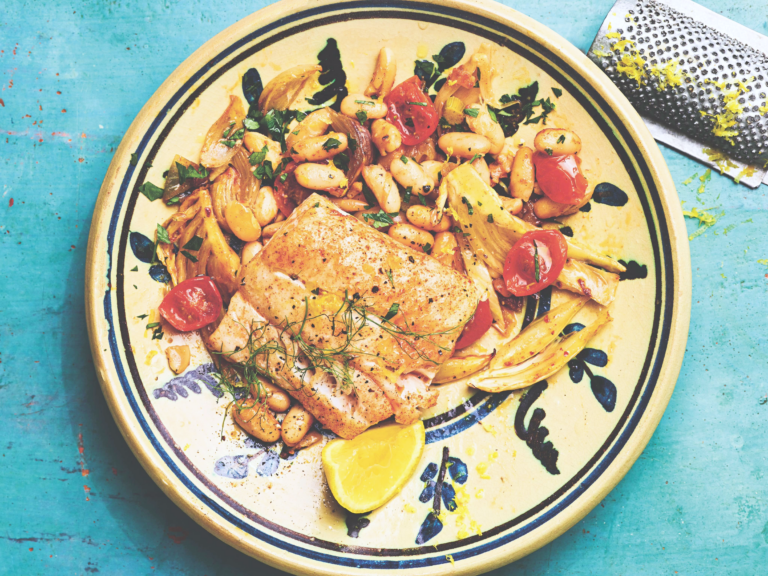
To make smoked paprika fish, roast sliced fennel and cherry tomatoes at 200º C for 20 minutes. Stir in cannellini beans and smoked paprika, then place white fish fillets on top and bake for another 15 minutes. Finish with lemon zest and fresh parsley for a bright, smoky profile. This easy healthy oven roasted fish method ensures the vegetables are perfectly tender while the fish remains succulent and moist, making it a quick oven baked fish for two that fits perfectly into a busy weeknight schedule.
The Flavor Synergy: Why Fennel and Smoked Paprika?
In the world of nutrition science, we often talk about flavor synergy—the way specific ingredients work together to enhance both the culinary experience and the nutrient absorption of a meal. When crafting a Mediterranean style baked fish with fennel and tomatoes, we are tapping into a classic profile that balances earthy, smoky notes with bright, anise-accented sweetness. Fennel, a powerhouse among aromatic vegetables, undergoes a beautiful transformation in a high-heat roasting environment. As the natural sugars in the fennel bulb caramelize, the sharp licorice flavor mellows into a buttery sweetness.
This sweetness provides the perfect counterpoint to smoked paprika. Unlike standard paprika, which is simply dried and ground, the smoked variety is typically dried over oak fires, imparting a deep, woodsy aroma that mimics the complexity of outdoor grilling without the need for a barbecue. From a dietary perspective, this combination allows us to create a high-impact flavor profile without relying on heavy sauces, cream, or excessive salt.
Furthermore, this dish is a vehicle for essential omega-3 fatty acids. By roasting the fish atop a bed of fiber-rich cannellini beans and vegetables, the fillets absorb the aromatic juices released by the cherry tomatoes and fennel. This not only keeps the fish from drying out but also ensures that the fat-soluble vitamins in the vegetables are more easily absorbed by your body. It is a prime example of how evidence-based meal planning can prioritize both health and the sensory joy of eating.
Fish Selection Matrix: Choosing Your Fillets
Selecting the right protein is the most critical step in a one-pan white fish bake. Because we are using a staggered roasting technique, you need a fish that can withstand 15 minutes of oven heat without disintegrating or becoming rubbery. While delicate fish like tilapia or sole are wonderful for pan-searing, they often lack the structural integrity required for a tray bake.
For the best white fish for smoked paprika tray bake, I recommend focusing on firm, cold-water species. These varieties offer a substantial flaky texture that stands up beautifully to the weight of the smoked paprika seasoning and the moisture from the roasting tray.
| Fish Variety | Texture | Flavor Profile | Nutritional Highlight |
|---|---|---|---|
| Haddock Fillets | Medium-firm, fine flake | Mild, slightly sweet | Excellent source of Vitamin B12 and protein |
| Cod | Large, chunky flakes | Very neutral, clean | Low calorie, high in phosphorus and selenium |
| Hake | Meaty and dense | Subtle, slightly more "oceanic" | Rich in magnesium and lean amino acids |
If you are looking for a particularly robust option, a smoked paprika cod sheet pan dinner is often the gold standard. Cod loins are thicker than tail pieces, meaning they cook more evenly and provide a satisfying, meaty portion. However, hake is an excellent, sustainable alternative that is frequently used in traditional Mediterranean cooking. Regardless of your choice, the goal is to find fillets of uniform thickness so that every bite is perfectly cooked at the same moment.
Step-by-Step: The Staggered Roasting Timeline
The secret to a successful one-pan white fish bake with fennel and beans lies in the timing. One of the most common complaints I hear from readers is that their vegetables are still crunchy while their fish has become overcooked. To solve this, we use a chronological approach that respects the different cooking rates of our ingredients. This healthy white fish recipe with cannellini beans is built on a two-phase system.
First, preheat your oven to 200ºC (400ºF). In a large roasting tray, toss your sliced fennel, halved onions, and whole cherry tomatoes with a generous drizzle of extra virgin olive oil and a pinch of salt. Ensure the vegetables are spread in a single layer to promote roasting rather than steaming. Roast this mixture for 20 minutes. During this phase, the tomatoes will begin to burst, releasing their lycopene-rich juices, and the fennel will start to brown at the edges.
For the second phase, remove the tray from the oven. This is where we build the heart of the meal. Incorporate one 400-gram can of cannellini beans and half a head of fennel (the remaining portion) if you prefer a mix of textures, or simply stir in the beans and a teaspoon of high-quality smoked paprika. The beans act as a sponge, soaking up the oil and tomato juices.
Now, prepare your fish. Pat the fillets dry with a paper towel; removing surface moisture is essential for achieving a clean, roasted finish. Season the fish with a light dusting of smoked paprika and salt, then nestle them directly on top of the bean and vegetable mixture. Return the tray to the oven for a final 12 to 15 minutes. You will know the fish is ready when it reaches an internal temperature of 63ºC (145ºF) or when it flakes easily with a fork.

Zero-Waste Tips and Professional Finishing
As a nutrition editor, I am a firm believer that the best meals are both sustainable and aesthetically pleasing. When working with fennel, many home cooks discard the stalks and fronds, but these are culinary gold. The stalks can be thinly sliced and added to the roasting tray for extra crunch, or saved in a freezer bag for making a nutrient-dense vegetable stock later. The feathery green fronds should be saved and used as a fresh garnish—they provide a concentrated burst of that signature zesty citrus and anise aroma.
The finishing touches are what elevate a simple weeknight dinner into a restaurant-quality experience. Once the tray comes out of the oven, don't serve it immediately. Let it rest for two minutes to allow the juices to settle. Then, zest a fresh lemon over the entire tray. The acidity of the lemon cuts through the smokiness of the paprika and the creaminess of the beans, brightening the entire flavor profile.
Finally, shower the dish with freshly chopped flat-leaf parsley. Parsley isn't just a garnish; it’s a bitter herb that aids digestion and provides a hit of Vitamin K. Nutritional analyses of this specific style of cooking show that these Mediterranean-inspired meals typically provide between 437 and 476 calories per serving, making it an incredibly efficient way to fuel your body with lean protein and complex carbohydrates.
FAQ
What type of fish is best with smoked paprika?
Firm white fish such as cod, haddock, or hake are the best choices for this preparation. These varieties have a sturdy enough structure to handle roasting while providing a neutral flavor base that allows the earthy, bold notes of the smoked paprika to shine without being overwhelmed.
How do you season fish with smoked paprika?
The best way to season is to first pat the fish fillets completely dry. Drizzle a small amount of extra virgin olive oil over the flesh to help the spice adhere, then sprinkle the smoked paprika evenly from a height to ensure full coverage. For extra depth, you can mix the paprika with a little garlic powder or dried oregano before applying.
Is smoked paprika good for baked fish?
Yes, smoked paprika is an excellent choice for baked fish. It provides a deep, "charred" flavor profile that is usually only achievable through grilling. It also gives the fish a beautiful golden-red color, making the dish visually appealing while adding antioxidants like beta-carotene to your meal.
Does smoked paprika make fish taste spicy?
Generally, smoked paprika is valued for its smokiness and sweetness rather than its heat. Most commercially available smoked paprika is "pimentón dulce" (sweet), which is not spicy. However, if you prefer a kick, you can look for "pimentón picante," which includes spicy dried peppers. For this recipe, the sweet variety is recommended to maintain the balance with the fennel.
What are the best side dishes for smoked paprika fish?
Since this is a one-pan meal that already includes fiber-rich cannellini beans and vegetables, it is a complete meal on its own. However, if you want something extra, a side of steamed leafy greens like kale or a small portion of crusty whole-grain sourdough bread is perfect for mopping up the smoky tomato juices left in the tray.