Quick Facts
- The Flavor Secret: Roasting vegetables at 220°C to caramelize sugars before simmering.
- Nutritional Punch: 11g fiber and 9 different plant types per serving.
- Cooking Time: 35 minutes total using a parallel workflow.
- Storage: Lasts 4 days in the fridge or 3 months in the freezer.
- Protein Source: A hearty blend of lentils and chickpeas.
- Flavor Profile: Smoky, earthy, and floral with a balance of heat and citrus.
To make harissa sweet potato stew more flavorful, the secret is roasting the sweet potatoes and peppers at high heat (220°C) before adding them to the pot, which creates a smoky depth that simmering alone cannot achieve. This foundational step transforms the natural sugars into complex, caramelized notes that define the best harissa sweet potato stew versions found in professional kitchens.
Discover how to make harissa sweet potato stew more flavorful by using a professional roasting secret. This rose harissa lentil stew combines Maghrebi spices with caramelized vegetables for the perfect winter comfort food. As global tastes evolve, the spices and seasonings market, valued at USD 18.90 billion in 2024, shows our growing obsession with these bold, North African flavor profiles. Whether you are a long-term vegan or one of the 70% of U.S. citizens now incorporating plant-based foods into your diet, this recipe is a masterclass in functional, high-flavor cooking.
The Secret Technique: Why Roasting Changes Everything
Most home cooks begin a stew by tossing raw vegetables directly into a simmering broth. While efficient, this method misses a critical opportunity for flavor development known as the Maillard reaction. When you subject sweet potatoes and bell peppers to a high-heat environment, you are doing more than just cooking them; you are fundamentally altering their chemical structure.
To execute this properly, cut your sweet potatoes into uniform 2cm cubes. This specific size ensures that the exterior can get crispy and dark brown while the interior becomes soft and pillowy. Toss them with a high-smoke-point oil and a pinch of salt on a large sheet pan. Aim for a temperature of exactly 220°C. This intense heat triggers the caramelization of the sweet potato's natural starches. Beyond just flavor, this has nutritional benefits. One cup of baked sweet potato with skin provides approximately 213% of the daily value for Vitamin A and 6.6 grams of dietary fiber, and the roasting process makes these nutrients highly palatable.
A professional tip I always share is the '20-minute rest' period. Once the vegetables are roasted, turn off the oven and let the tray sit inside for 5 to 10 minutes. This allows the steam to redistribute, making the cubes incredibly tender before they ever hit the liquid. This roasting vegetables for stew method prevents the sweet potatoes from turning into a mushy soup, allowing them to hold their shape and provide a satisfying texture in every spoonful.
Building the Base: Rose Harissa and Maghrebi Spices
Once your vegetables are in the oven, it is time to build the aromatic foundation. This is where we transition into a rose harissa lentil stew profile. Unlike standard harissa, which is purely about heat and smoke, rose harissa contains dried rose petals and often a wider array of warm spices like cinnamon and cloves. This creates a floral, sophisticated backdrop that pairs beautifully with the earthiness of the sweet potato.
The key to unlocking these flavors is a technique called 'spice blooming.' Instead of dumping your spices into the broth, toast them in oil first. Sauté your red onions and garlic until the onions are translucent, then add your cumin, coriander, and smoked paprika. Stir them into the oil for about 60 seconds until they become fragrant. This fat-soluble extraction is essential for an authentic North African cuisine experience.
For those who prefer a creamy harissa sweet potato stew with coconut milk, you can stir in half a can of full-fat coconut milk at the end. However, if you want to keep it lighter, use my texture hack: take a half-cup of the cooked chickpeas and mash them against the side of the pot with a wooden spoon. This releases natural starches that thicken the stew without adding extra fat. When following a rose harissa lentil and sweet potato stew recipe, this combination of floral heat and creamy texture creates a truly restorative meal.
Parallel Workflow: From Prep to Plate in 35 Minutes
Efficiency in the kitchen is about managing parallel tasks. You don't need to wait for the oven to finish before you start the stove. By using this workflow, you can have a complex, multi-layered harissa sweet potato stew on the table in just over half an hour.
| Time | Oven Task | Stovetop Task |
|---|---|---|
| 0-10 min | Dice sweet potatoes (2cm) and peppers; start roasting at 220°C. | Dice red onions and garlic; heat oil in a large heavy-bottomed pot. |
| 10-25 min | Roast vegetables until edges are charred and golden. | Sauté aromatics, bloom spices, and add lentils and cherry tomatoes until tomatoes are bursting. |
| 25-35 min | Remove from oven and let rest for 5 minutes. | Combine roasted veg with the pot base; simmer together for final melded flavor. |
Finish the dish with a generous squeeze of zesty lime juice. This acidity is non-negotiable; it cuts through the density of the starch and the heat of the peppers, bringing all the earthy aromatics into sharp focus.
Nutrition Spotlight: Gut Health and 30-Plants-a-Week
As a nutrition editor, I look at recipes through the lens of functional health. Modern nutrition science suggests that eating 30 different types of plants per week is one of the best things you can do for your gut microbiome. This single harissa sweet potato stew gets you nearly a third of the way there.
Between the sweet potatoes, red onions, garlic, peppers, cherry tomatoes, lentils, chickpeas, lime, and various spices, you are consuming a diverse range of plant-based protein and prebiotic fibers. The combination of Vitamin A from the potatoes and the healthy fats (if using coconut milk or avocado) ensures optimal absorption of fat-soluble vitamins. This isn't just a comfort meal; it is a high-density fuel source for your body.
Mastering Vegan Stew Meal Prep and Storage
This dish is a champion of vegan stew meal prep. Because the flavors of the harissa and Maghrebi spices are so robust, they actually improve as they sit. When you reheat the stew the next day, the smoky paprika and floral notes from the harissa have had more time to permeate the lentils.
To maximize your meal prep, use a large sheet pan to ensure even cooking without overcrowding, which prevents steaming. Once cooled, store the stew in airtight containers. If you find the stew has thickened too much in the fridge, simply add a splash of water or vegetable broth when reheating.
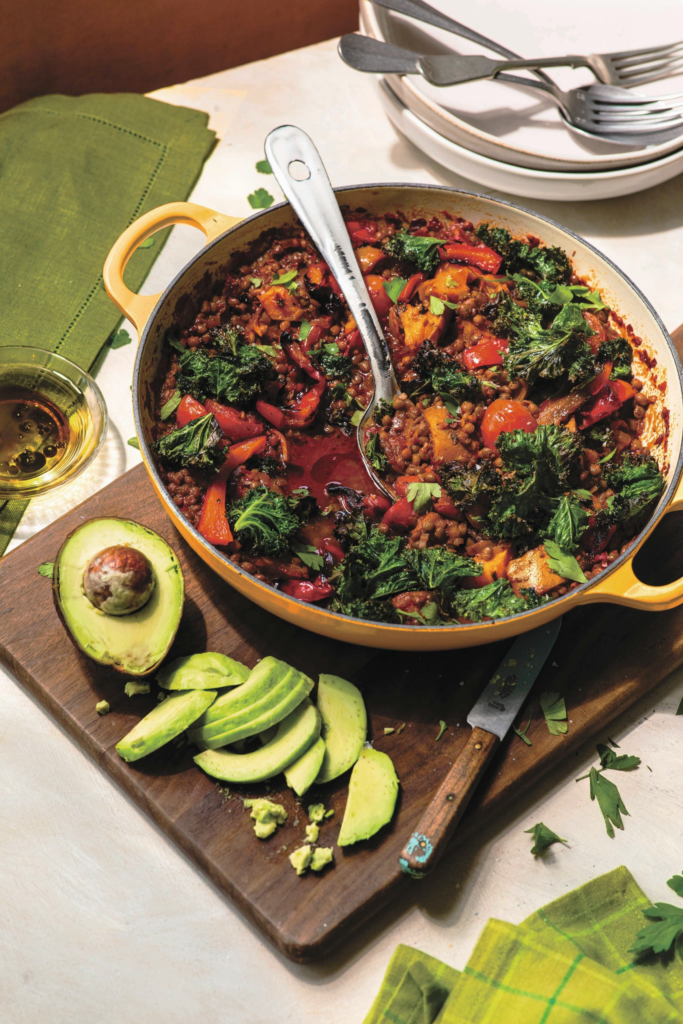
For serving, keep your leftovers interesting by varying the toppings. On Monday, serve it with crusty flatbread. On Tuesday, add fresh avocado slices for extra creaminess. By Wednesday, try a crispy kale topping—simply roast kale leaves for 5 minutes until they are brittle and salty. This adds a necessary crunch that contrasts perfectly with the soft stew.

Flavor Balancing Matrix
If the flavor doesn't feel quite right at the end, use this matrix to adjust the profile before serving.
| If it feels... | Add this... | Why? |
|---|---|---|
| Too Spicy | Coconut milk or cashew cream | Fats coat the tongue and dampen the harissa heat. |
| Too Dull | Zesty lime juice or apple cider vinegar | Acid acts as a flavor "highlighter" for earthy spices. |
| Too Bitter | A teaspoon of maple syrup or agave | Sweetness counteracts the char from roasting vegetables. |
| Too Thin | Mashed chickpeas or lentils | Natural starches provide body without adding flour. |
FAQ
Is harissa sweet potato stew spicy?
The spice level depends entirely on the brand of harissa paste you use. Most rose harissa varieties are mild to medium with a focus on fragrance rather than pure heat. If you are sensitive to spice, start with one tablespoon and gradually increase to your preference.
What can I serve with harissa sweet potato stew?
This stew is incredibly versatile. It pairs perfectly with warm flatbread or pita to scoop up the sauce. For extra texture, serve it over a bed of fluffy quinoa or couscous. Toppings like fresh cilantro, sliced avocado, or a dollop of dairy-free yogurt also work well to balance the flavors.
How do I make harissa sweet potato stew in a slow cooker?
While you can make this in a slow cooker, I still recommend roasting vegetables for harissa stew flavor in the oven first. Add the roasted vegetables, lentils, and aromatics to the slow cooker and cook on low for 4-6 hours. If adding coconut milk, stir it in during the last 30 minutes of cooking.
Is harissa sweet potato stew naturally vegan?
Yes, this recipe is naturally vegan and gluten-free, provided you check the label on your harissa paste. It relies on legumes like lentils and chickpeas for protein and sweet potatoes for a hearty, filling base, making it a staple for plant-based diets.
How do I balance the heat in a harissa dish?
If your stew turns out spicier than intended, do not panic. Adding a creamy element like coconut milk or a spoonful of almond butter can help neutralize the capsaicin. Alternatively, increasing the acidity with extra lime juice or adding a touch of sweetness with maple syrup can provide a better flavor balance.
By mastering the roasting technique and understanding how to bloom your spices, you can turn a simple vegetable dish into a world-class harissa sweet potato stew. It is a perfect example of how science-based cooking methods—like the Maillard reaction—can be used to create healthy, delicious, and practical meals for any day of the week.