Quick Facts
- Core Philosophy: Flavor-First nutrition ensures that clean eating is sustainable and enjoyable rather than restrictive.
- The Essential 7: A foundational list including high-quality olive oil, lemons, eggs, seeded bread, rice, salad greens, and sea salt.
- Label Goal: Consumers should target food labels that contain single-digit grams of sugar per serving to optimize metabolic health.
- Protein Target: Women should aim for 15 and 20 grams of protein at every meal to support satiety and cellular repair.
- The Reset: Rigden’s Foodwise program features a 21-day elimination diet 'Reset' to remove dietary irritants like refined carbohydrates and added sugars.
- Storage Tip: Always purchase oils in dark glass bottles to protect delicate fats from light-induced oxidation and rancidity.
- Safety First: Transitioning from plastic tea bags to glass or ceramic pots helps reduce daily exposure to microplastics.
Building a nutritionist-approved kitchen starts with high-quality healthy pantry staples like extra virgin olive oil, eggs, whole grains, and flavor boosters. Mia Rigden’s philosophy emphasizes that clean eating staples must be delicious to be sustainable, shifting the focus from restrictive dieting to evidence-based wellness through whole foods.
The Foodwise Philosophy: Why Flavor Comes First
As a nutrition editor, I’ve seen countless dietary trends come and go, often leaving people more confused than when they started. Mia Rigden, a Board-certified nutritionist, offers a refreshing departure from this confusion with her Foodwise philosophy. Instead of adhering to strict dietary tribes—be it vegan, keto, or paleo—Rigden emphasizes bio-individuality and the simple truth that if food doesn't taste good, you won't keep eating it.
The Foodwise cookbook and clinical approach are grounded in the idea that our relationship with food should be joyful. When we focus on whole food philosophy, we move away from the "all or nothing" mentality that leads to burnout. By stocking a kitchen that prioritizes flavor and high-quality ingredients, you create an environment where the healthy choice becomes the easiest and most delicious choice. This perspective is vital for maintaining a low-sugar lifestyle without feeling deprived.
Rigden’s approach is particularly effective because it bridges the gap between culinary art and clinical nutrition. She understands that the modern eater needs practical healthy grocery shopping tips for a clean kitchen that work in a busy life. Her method isn't about counting every calorie; it's about the quality of those calories and how they make you feel.

The Essential 7: Nutritionist Recommended Pantry Staples for Clean Eating
When you are looking for essential healthy pantry staples for beginners, it can be tempting to buy everything in the "health food" aisle. However, Mia Rigden suggests mastering a small, versatile list of items that can be transformed into dozens of different meals. These healthy food staples for glowing skin and energy form the backbone of a functional, nutritionist-approved kitchen.
| Staple Item | Why It Matters | Nutritionist Tip |
|---|---|---|
| Extra Virgin Olive Oil | Rich in monounsaturated fats and polyphenols. | Always choose dark glass bottles to prevent rancidity. |
| Fresh Lemons | Provides Vitamin C and acts as a natural flavor enhancer. | Use the zest for extra antioxidant-rich produce benefits. |
| Pasture-Raised Eggs | A complete protein source with essential choline. | Essential for meeting the 15-20g protein meal target. |
| Whole-Grain/Seeded Bread | Provides complex carbohydrates and fiber for digestion. | Look for sourdough or sprouted varieties for better gut health. |
| Quality Rice | A versatile base for bowls and side dishes. | Source from California or India to ensure low arsenic levels. |
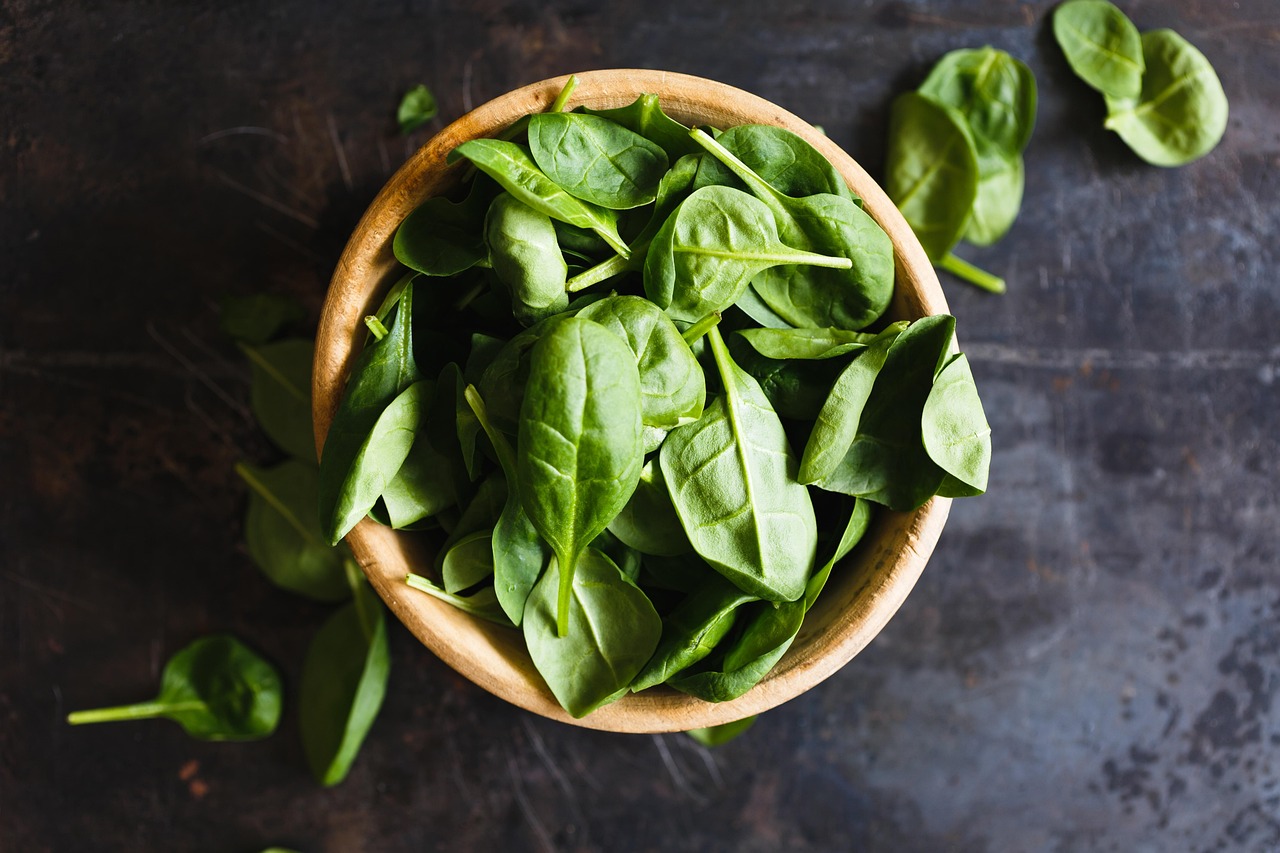
| Leafy Greens | High in folate, fiber, and essential minerals. | Rotate your greens seasonally to vary your nutrient intake. |
| Flaked Sea Salt | Enhances the natural flavors of whole foods. | Use a high-quality salt to reduce the need for processed sauces. |
These items are more than just ingredients; they are the tools for a nutritionist shopping list that prioritizes efficiency. With eggs, greens, and rice, you have a balanced meal in under ten minutes. By adding a squeeze of lemon and a drizzle of high-quality olive oil, you elevate the dish from "diet food" to a culinary experience. This focus on kitchen pantry management ensures you are never more than a few minutes away from a clean meal.
Label Literacy: Practical Healthy Grocery Shopping Tips for a Clean Kitchen
One of the most empowering skills you can develop is the ability to perform a quick nutritional label analysis. Many products marketed as "healthy" are often packed with hidden sugars and inflammatory oils. To shop like a pro, you need to look past the marketing on the front of the package and dive straight into the ingredient list.
Rigden’s most famous rule for a low-sugar lifestyle is the "single-digit sugar" rule. In her clinical practice, she advises that consumers should target food labels that contain single-digit grams of sugar per serving size. This simple metric helps prevent the blood sugar spikes and crashes that lead to brain fog and cravings.
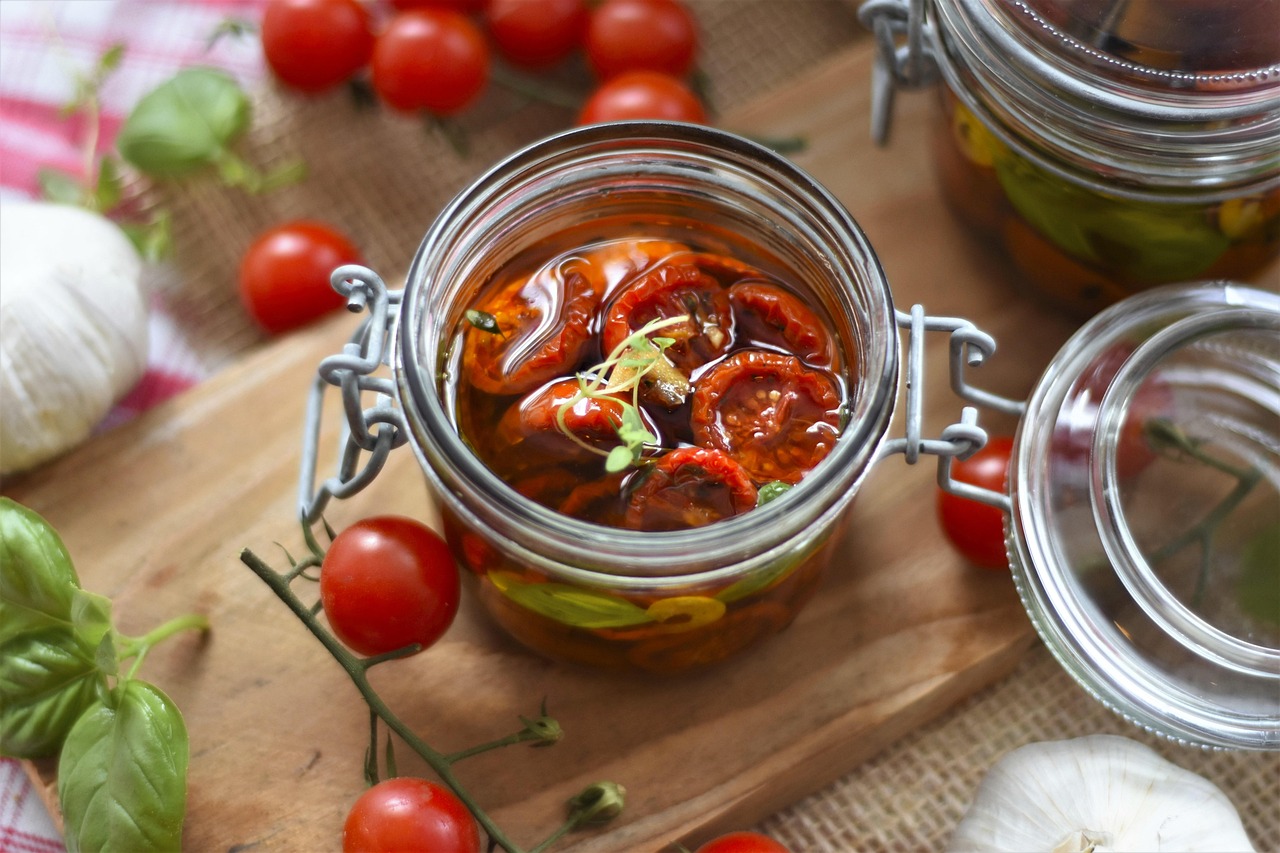
Beyond sugar, look for healthy flavor boosters for a nutritionist approved kitchen that don't rely on additives. Brands like Yellow Bird for hot sauce or Hu Kitchen for chocolate are excellent examples of products that prioritize clean ingredients. When evaluating condiments, look for fermented options like kimchi or apple cider vinegar, which provide probiotic benefits while adding immense flavor. Keeping low sugar pantry staples for healthy home cooking means you can add depth to your meals without compromising your metabolic health.
The Kitchen Audit: Detoxifying Your Environment
Building a healthy kitchen isn't just about what you put into your body; it's also about the environment where you prepare your food. Evidence-based wellness involves looking at the total toxic load on the body. A kitchen audit is a necessary step to ensure your clean eating staples aren't being contaminated by their surroundings.
Start with your storage. Plastic containers, especially when heated, can leach endocrine-disrupting chemicals into your food. Transitioning to glass or stainless steel is a simple but effective move for long-term health. Similarly, consider your cookware. If your non-stick pans are scratched, they may be releasing PFOAs into your meals. High-quality ceramic or cast iron are much safer alternatives.
One often overlooked source of toxins is the common tea bag. Many modern tea bags are made with plastic polymers that release billions of microplastics into your cup when steeped in hot water. To avoid this, switch to loose-leaf tea brewed in glass or ceramic pots. This minor adjustment in your kitchen pantry management can significantly reduce your daily chemical exposure.

Strategic Shopping: Splurge vs. Save
Healthy grocery shopping tips often emphasize buying everything organic, but for many, this isn't financially sustainable. A more practical approach is to use the Environmental Working Group’s (EWG) "Dirty Dozen" and "Clean Fifteen" lists. This allows you to prioritize your budget on the produce that typically carries the highest pesticide residue, like strawberries and spinach, while saving on items like avocados and onions, which are generally safe when grown conventionally.
When it comes to pantry items, there are certain things where you should always "splurge" on quality. For instance, Valencia peanuts are preferred over other varieties because they are less susceptible to aflatoxin, a type of mold. Similarly, buying berries during a seasonal ingredient rotation ensures you are getting the highest concentration of antioxidants at the lowest price point.
Farmers' market sourcing is another pillar of Mia Rigden’s philosophy. Buying locally not only supports your community but also ensures that the produce is picked at peak ripeness, offering superior flavor and nutrient density. When you shop seasonally, you naturally diversify your diet, providing your body with a wider array of phytonutrients throughout the year.

FAQ
What are the most important healthy pantry staples to have?
The most critical items are those that provide a balance of healthy fats, proteins, and fibers. High-quality extra virgin olive oil, pasture-raised eggs, and versatile grains like rice or quinoa are essential. Having flavor-boosting acids like lemons or vinegars ensures you can make whole foods taste delicious without relying on processed sauces.
How do I start a healthy pantry from scratch?
Start by performing a kitchen audit to remove items with double-digit sugar counts or inflammatory seed oils. Replace them slowly with the Essential 7. Focus on building a foundation of spices and high-quality oils first, as these will define the flavor of your cooking as you transition to a whole food philosophy.
What are the best healthy grains to keep in a pantry?
Look for grains that are minimally processed and offer high fiber content. Rice sourced from California or India is a great gluten-free option. Other excellent choices include quinoa, buckwheat, and farro. These grains serve as a stable base for meal prepping and provide sustained energy throughout the day.
What are some healthy alternatives to common pantry items?
Swap refined table salt for flaked sea salt to gain trace minerals and better flavor. Replace traditional vegetable oils with avocado oil for high-heat cooking or olive oil for dressings. Instead of sugary condiments, use pickled red onions, kimchi, or tahini to add moisture and zing to your dishes.
Which healthy pantry staples are best for meal prepping?
Hard-boiled eggs, pre-cooked grains like rice, and hearty greens like kale are perfect for meal prepping because they hold up well in the fridge. Canned beans and wild-caught sardines are also excellent shelf-stable proteins that can be added to salads or bowls in seconds, helping you meet your protein targets consistently.
Start Your Foodwise Journey
Transitioning to a healthier kitchen doesn't have to happen overnight. In fact, the most sustainable changes often happen gradually. By focusing on nutritionist recommended pantry staples for clean eating, you are setting yourself up for success. Whether you are following the 21-day elimination diet 'Reset' to clear out dietary irritants or simply trying to incorporate more antioxidant-rich produce into your meals, every small step counts.
Remember that the goal isn't perfection; it's about building a supportive environment that nourishes both your body and your palate. With Mia Rigden’s guide as your blueprint, you can transform your kitchen into a sanctuary of health and flavor.