Quick Facts
- Complete Sources: Soy, quinoa, hemp, and mycelium-based options achieve a PDCAAS of 1.0.
- Muscle Target: Aim for 25-30g of protein per meal to effectively trigger muscle protein synthesis.
- Heart Health: A 1:2 plant-to-animal protein ratio is linked to significantly lower cardiovascular risk.
- Digestibility: Fermented foods and fungal proteins offer higher bioavailability than many raw plant sources.
- Weight Management: Long-term adherence to a vegan diet correlates with a 7% annual reduction in obesity risk.
- Nutrient Gaps: Without fortification, vegan plans may only meet 58% of calcium and 5% of vitamin D needs.
Achieving a complete amino acid profile on a vegan diet involves consuming a variety of plant-based protein sources throughout the day. While individual foods like lentils or grains may have limiting amino acids such as methionine or lysine, combining different food groups—such as legumes with seeds or nuts—ensures the body receives all nine essential amino acids necessary for muscle protein synthesis and metabolic health.
The transition from animal-centric plates to a lifestyle centered on plant-based protein is no longer just a niche dietary choice; it is a scientifically backed strategy for longevity. As we look toward the nutritional landscape of 2026, the focus has shifted from "where do you get your protein?" to "how high is the quality of your protein package?" Modern research suggests that simply hitting a total gram count is insufficient. To truly thrive, we must consider the PDCAAS (Protein Digestibility Corrected Amino Acid Score) and the micronutrient density that accompanies our plant-based protein choices. For example, a recent study from the Harvard T.H. Chan School of Public Health highlights that maintaining a plant-to-animal protein ratio of at least 1:2 is significantly more effective in preventing cardiovascular disease compared to the typical 1:3 ratio found in Western diets.
Understanding Protein Quality: PDCAAS and Bioavailability
For years, the "protein combining" myth suggested that vegans had to eat beans and rice at every single meal to form complete plant-based proteins. We now know that the body maintains a pool of essential amino acids, meaning as long as you eat a variety of vegan protein sources over a 24-hour period, your biological needs are met. However, understanding protein quality is still vital for those looking to optimize their metabolic health and physical performance.
The gold standard for measuring protein quality is the PDCAAS. This metric evaluates a food based on the amino acid requirements of humans and their ability to digest it. While animal proteins like egg whites or casein traditionally score a 1.0, several plant-based options are catching up. Soy is a well-known complete protein, but we are also seeing high scores from newer innovations. Beyond the score, we must consider bioavailability. This refers to how much of the protein you eat is actually absorbed and used by the body. Some raw plant sources contain anti-nutrients like phytates that can hinder absorption. To find more digestible plant based protein for better absorption, many nutritionists recommend focusing on sprouted grains, cooked pulses, and fermented products.
When we talk about muscle protein synthesis, the threshold is often cited as 25 to 30 grams of protein per meal. For a vegan, this means being intentional about your portions. It is not just about having a salad; it is about ensuring that salad includes hemp seeds, chickpeas, or a side of tempeh to hit that anabolic window.
The Whole Food Powerhouses: Legumes, Pulses, and Grains
If you are looking for high fiber whole food plant based protein sources, the legume family remains your strongest ally. Legumes and pulses are not just protein providers; they are "protein packages" that deliver a complex matrix of prebiotic fiber, phytochemicals, and essential minerals.
Lentils are perhaps the most budget friendly plant based protein sources like legumes and lentils available to the modern consumer. They are incredibly versatile and do not require the long soaking times that other dried beans do. From a nutritional perspective, lentils are one of the best plant based protein for iron and magnesium, which are often nutrients of concern in meat-free diets.
Beyond the usual suspects, we are seeing a resurgence in ancient grains like finger millet and pseudo-cereals like buckwheat. These provide a robust base for any meal while contributing to the daily requirement of essential amino acids. To maximize your nutrient intake, consider the following table which compares the density of various whole-food staples:
| Food Source (100g cooked) | Protein (g) | Key Micronutrients |
|---|---|---|
| Lentils | 9g | Iron, Folate, Fiber |
| Chickpeas | 8.5g | Manganese, Copper |
| Quinoa | 4.4g | Magnesium, Phosphorus |
| Tempeh | 19g | Probiotics, Vitamin B12 (if fortified) |
| Edamame | 11g | Vitamin K, Antioxidants |
| Pumpkin Seeds | 19g (raw) | Zinc, Magnesium |
Integrating these foods into your daily routine is the most sustainable way to ensure you are getting a wide range of amino acids. For instance, combining lentils (high in lysine) with a grain like brown rice (high in methionine) creates a profile that supports everything from tissue repair to immune function.
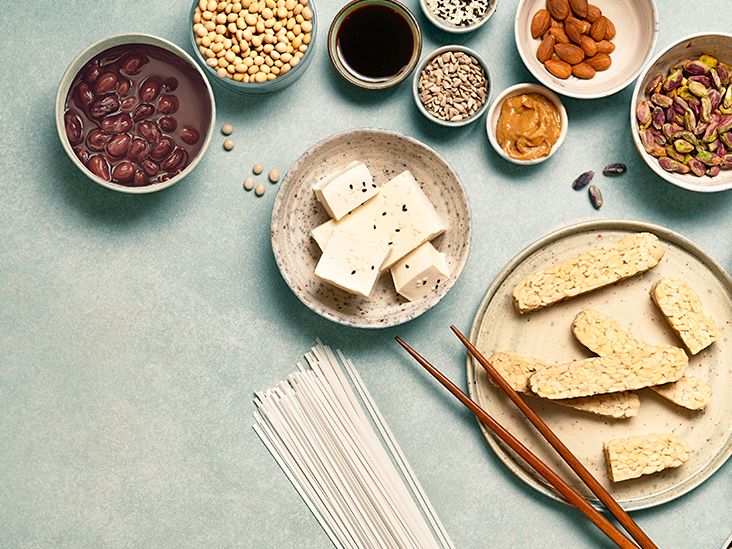
The 2026 Frontier: Mycelium and Clean-Label Alternatives
As we move into 2026, the plant-based protein market has evolved far beyond the highly processed "fake meats" of the past decade. The newest and most exciting development is the rise of mycelium based meat alternatives for vegan protein. Mycelium is the root structure of fungi, and when grown through a process of fermentation, it creates a whole-food microprotein that mimics the texture of meat without the need for excessive binders or artificial flavors.
Mycoprotein is a game-changer for several reasons. First, it offers a complete protein profile with a PDCAAS score of 1.0, putting it on par with beef or chicken. Second, it is naturally rich in prebiotic fiber, which supports the gut microbiome and may even influence the GLP-1 pathway for better satiety and blood sugar control. For those who prioritize "clean label" eating, mycelium represents a minimally processed alternative that provides natural umami flavors without the high sodium content often found in pea-protein isolates.
Fermentation, in general, is becoming a cornerstone of plant-based meal planning. Whether it is traditional tempeh or modern precision-fermented proteins, these processes break down anti-nutrients and improve the bioavailability of minerals. This makes the protein easier on the digestive system and more effective for those with active lifestyles.
Strategic Plant-Based Meal Planning for Longevity
Successful plant-based meal planning is built on the foundation of consistency and variety. While the health benefits of a vegan diet are numerous—including the fact that for each year an individual follows a vegan diet, their risk of obesity decreases by approximately 7%—there are pitfalls to avoid.
A nutritional analysis of vegan-themed meal plans found that they may fall short of daily requirements for key nutrients, meeting as little as 58% of the daily value for calcium and 5% for vitamin D without fortification or supplementation. Therefore, your meal planning must look beyond just protein.
Here is a simple framework for building a high-protein, nutrient-dense vegan day:
- Breakfast: A tofu scramble with nutritional yeast (for B vitamins) and sautéed spinach, served on sprouted grain toast. This easily reaches the 25g protein mark.
- Lunch: A Mediterranean bowl featuring quinoa, roasted chickpeas, and a tahini-based dressing. This provides a mix of complete plant-based proteins and healthy fats.
- Snack: A handful of pumpkin seeds or an apple with almond butter.
- Dinner: A mycelium-based steak or tempeh stir-fry with a variety of colorful vegetables and a side of edamame.
By structuring meals this way, you ensure a steady influx of phytochemicals that support anti-inflammatory responses and healthy aging. This approach also helps manage metabolic health by preventing the blood sugar spikes often associated with high-carb vegan diets that lack adequate protein and fiber.
How to combine plant-based proteins for complete amino acids does not have to be a mathematical equation. It is simply about diversity. When you fill your cart with a colorful array of pulses, grains, seeds, and fermented fungi, you are providing your body with the building blocks it needs to repair tissue and maintain a healthy weight over the long term.
FAQ
Is plant-based protein as effective as animal protein for muscle growth?
Yes, research indicates that as long as the total protein intake and leucine content are sufficient, plant-based protein can be just as effective as animal protein for stimulating muscle protein synthesis. The key is ensuring you hit the 25-30g threshold per meal and consume a variety of sources to provide a full spectrum of amino acids.
Which plant-based foods are complete proteins?
Several plant foods provide all nine essential amino acids in adequate proportions. These include soy products (tofu, tempeh, edamame), quinoa, buckwheat, hemp seeds, chia seeds, and mycelium-based microprotein. Most other plant foods are "complementary," meaning they provide all amino acids but are lower in one or two, which is easily balanced by eating a varied diet.
Can you get enough protein from plants alone?
Absolutely. Most adults need approximately 0.8g to 1.2g of protein per kilogram of body weight, though athletes may require more. By focusing on legumes, nuts, seeds, and whole grains, it is entirely possible to meet and exceed these requirements without consuming any animal products.
Which plant-based protein is easiest to digest?
Fermented plant proteins like tempeh and miso, as well as mycelium-based proteins, are generally the easiest to digest. The fermentation process breaks down complex carbohydrates and reduces anti-nutrients, improving the bioavailability of the protein. Cooked legumes and sprouted grains also offer better digestibility compared to raw or unsprouted versions.
What are the best sources of plant-based protein?
The best sources are those that offer a high "protein package" score. This includes lentils and beans for their fiber and minerals, soy for its complete amino acid profile, and hemp seeds for their omega-3 fatty acids. For those looking for high-density options, mycelium-based meats and nutritional yeast are excellent additions to any meal plan.