Quick Facts
- Protein Winner: Almond Butter (providing roughly 7 grams per serving compared to 2 grams in avocado).
- Fiber Winner: Avocado (offering about 8 grams per 100g compared to 4 grams in almond butter).
- Calorie Count: Avocado is significantly lighter, with 160 calories per 100 grams versus approximately 600 calories in almond butter.
- Micronutrient Focus: Avocado excels in potassium and vitamin K; almond butter is a powerhouse for vitamin E and magnesium.
- Heart Health: Both provide high levels of monounsaturated fatty acids, though their specific lipid profiles differ.
- Keto Suitability: Both are excellent for low-carb lifestyles, but avocado has a lower net carbohydrate count.
When comparing avocado vs almond butter for toast, the choice depends on your specific nutritional goals. Almond butter provides significantly more protein and vitamin E per serving, while avocado offers more potassium and fewer calories. Both options are excellent sources of monounsaturated fats that support heart health and help manage cholesterol levels.
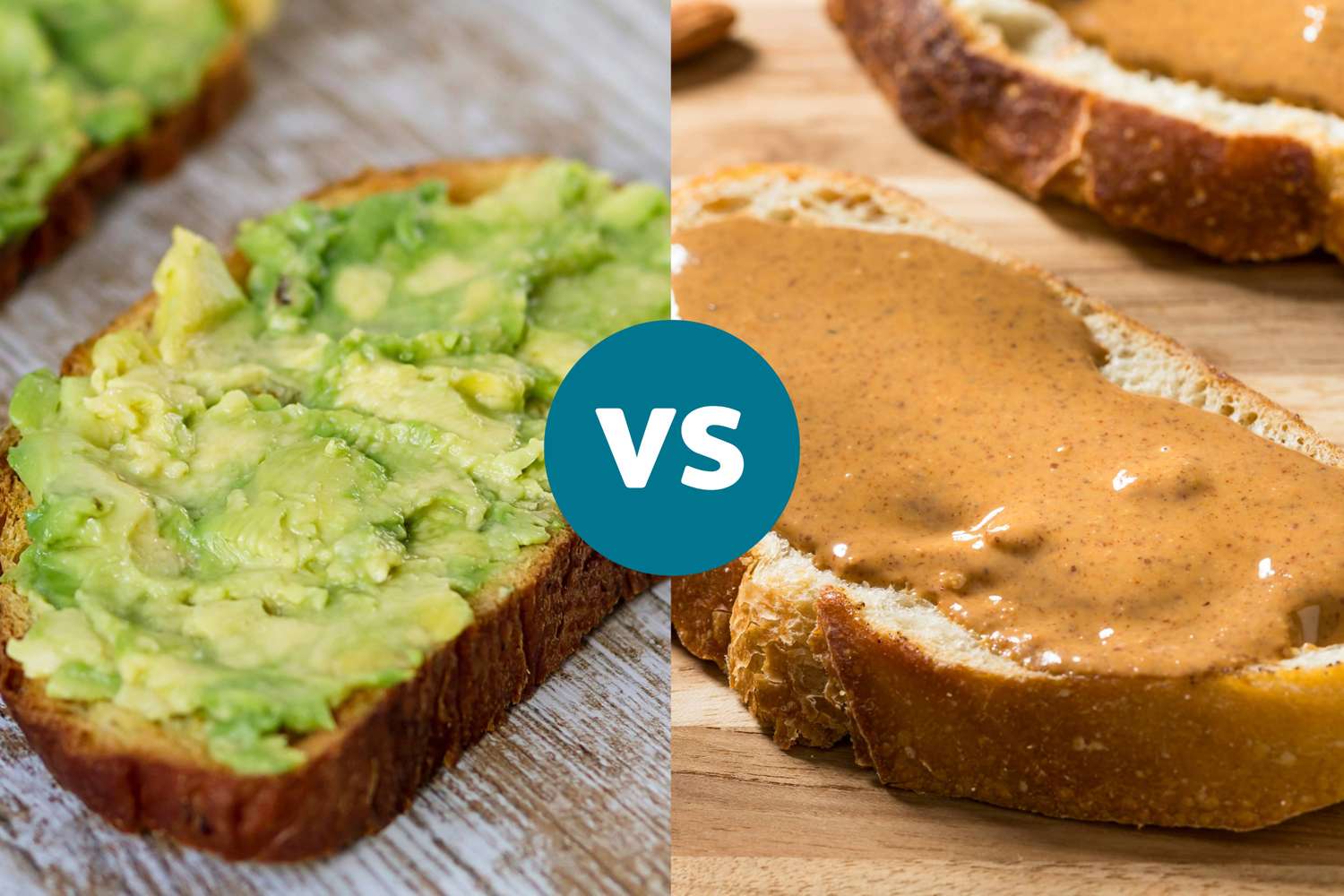
For many of us, the morning toast ritual is more than just a quick bite; it is a foundation for the day's energy. As a nutrition editor, I am frequently asked which topping provides the most bang for your buck. While avocado toast has become a cultural phenomenon, almond butter toast remains a classic choice for those seeking sustained energy. Both are nutrient-dense toppings that offer healthy fats, but they serve very different physiological needs. Whether you are prioritizing weight management, muscle recovery, or blood glucose management, understanding the nuances between these two superfoods is essential for optimizing your meal plan.
The Macro Showdown: Calories, Protein, and Fiber
When we look at the raw data, the differences between these two toppings are striking. The most significant gap lies in energy density and protein concentration. If you are tracking your macros, almond butter toast protein content is a clear standout. According to USDA data, almond butter contains approximately 10 times more protein than avocado by weight, providing roughly 21 grams of protein per 100 grams compared to avocado's 2 grams. This makes nut butter a more efficient way to hit your daily protein targets, especially in plant-based diets.
However, if your focus is on volume eating or weight management, the calorie count tells a different story. Avocado is significantly less calorie-dense than almond butter, containing about 160 calories per 100 grams compared to approximately 600 calories in the same amount of nut butter. This allows you to spread a generous amount of avocado on your bread without the calorie count skyrocketing.
Fiber is another critical area where avocado takes the lead. The dietary fiber intake from a single serving of avocado can significantly impact your satiety levels. While both offer fiber, the high water content and fiber density of avocado help slow digestion, which is vital for blood sugar stability throughout the morning.
| Nutrient (per 100g) | Avocado | Almond Butter |
|---|---|---|
| Calories | 160 kcal | 614 kcal |
| Protein | 2 g | 21 g |
| Total Fat | 15 g | 55 g |
| Fiber | 7 g | 10 g |
| Net Carbs | 2 g | 9 g |
Protein Winner: Almond Butter For those looking to build muscle or ensure long-term fullness through protein-induced satiety, almond butter is the superior choice.
Weight Management Winner: Avocado Due to the lower calorie density and high volume, avocado toast vs almond butter toast for weight loss usually favors the green fruit. You can eat a larger portion for fewer total calories, which often leads to better psychological satisfaction during a diet.
Heart Health and Lipids: Understanding the Fats
Both avocado and almond butter are celebrated for their heart-healthy lipids, specifically monounsaturated fatty acids. These fats are known to improve cholesterol markers by lowering LDL (the "bad" cholesterol) while maintaining or slightly increasing HDL (the "good" cholesterol). However, the specific types of fats they offer provide different benefits.
Avocado is rich in oleic acid, the same heart-healthy fat found in olive oil. This monounsaturated fat is highly stable and has been linked to reduced inflammation in the body. On the other hand, the healthy fats in almond butter vs avocado include a higher concentration of polyunsaturated fats and vitamin E tocopherols. Vitamin E acts as a powerful fat-soluble antioxidant, protecting your cells from oxidative stress and supporting the lining of your arteries.
When considering healthy fats in avocado vs almond butter for heart health, it is worth noting the potassium-to-sodium ratio. Avocado is naturally very high in potassium, a mineral that helps the body excrete sodium and eases tension in your blood vessel walls, which can help lower blood pressure. Almond butter, while also healthy, is more concentrated in minerals like magnesium, which also supports cardiovascular function but acts through different pathways, such as muscle relaxation and nerve signaling.
Micronutrient Density: Vitamins and Minerals
Beyond the macros, the micronutrient profiles of these two foods reveal their true strengths. Avocado is an excellent source of vitamins K and C, as well as folate. Vitamin K is essential for bone health and proper blood clotting, while folate is crucial for DNA repair and cell division.
Almond butter, however, is a concentrated source of several key minerals. According to USDA data, almond butter is a more concentrated source of certain minerals, offering approximately 25 times more calcium and nearly 5 times more iron than avocado per 100 grams. This makes it an excellent option for those concerned about bone density or those needing an extra boost of iron in a plant-based diet.
Furthermore, almond butter is a powerhouse of plant-based antioxidants, specifically vitamin E. A single tablespoon can provide a significant portion of your daily requirement. In contrast, avocado provides a unique blend of carotenoids like lutein and zeaxanthin, which are vital for eye health and protecting the skin from UV damage.
Best for Your Goals: From Keto to Post-Workout
Choosing the right topping often comes down to your specific activity level and dietary framework. The physiological impact, such as the glycemic response, varies between the two.
For Blood Sugar Stability If you struggle with mid-morning crashes, the best breakfast for blood sugar stability avocado or almond butter depends on your bread choice. However, the high fiber content of avocado combined with its low glycemic load makes it an excellent buffer against glucose spikes. It provides a steady release of energy without the insulin surge that can sometimes accompany higher-carbohydrate meals.
For Keto and Low-Carb Diets If you are wondering is almond butter or avocado better for keto diet, the answer is usually avocado. While both are low in net carbs, avocado has a much lower total carbohydrate count per serving. It allows for more flexibility in the rest of your daily meal plan while providing the essential electrolytes (like potassium) that people on keto often lack.
For Performance and Recovery When looking at pre workout energy avocado toast vs almond butter toast, almond butter takes the prize. Its higher calorie density and protein content provide the sustained fuel needed for an intense training session. Post-workout, the magnesium and calcium in almond butter assist in muscle recovery and replenishment.
For Satiety and Hunger Control The satiety levels provided by these two options function differently. Avocado provides volume and fiber, which physically fills the stomach. Almond butter provides protein and fat density, which triggers hormonal signals of fullness. Combining the two—a thin layer of almond butter topped with sliced avocado—actually creates a powerhouse breakfast that covers all nutritional bases, though you must be mindful of the total caloric intake.
FAQ
Is avocado healthier than almond butter?
Neither is objectively healthier; rather, they offer different nutritional benefits. Avocado is superior for those prioritizing low-calorie volume, fiber, and potassium. Almond butter is better for those needing high protein, vitamin E, and essential minerals like calcium and magnesium. The choice should be based on your individual health goals and daily nutrient requirements.
Which has more protein, avocado or almond butter?
Almond butter has significantly more protein. It contains roughly 21 grams of protein per 100 grams, whereas avocado provides only about 2 grams for the same weight. If you are looking to increase your protein intake for muscle maintenance or satiety, almond butter is the more efficient choice.
Is almond butter or avocado better for weight loss?
Avocado is generally favored for weight loss due to its lower calorie density. You can eat a larger volume of avocado for fewer calories compared to almond butter, which helps you feel full without overconsuming energy. However, the high protein in almond butter can also aid weight loss by reducing cravings, provided you manage the portion size carefully.
Are avocados or almond butter better for a keto diet?
Both are staples of a ketogenic diet, but avocado is slightly better because it has fewer net carbs and is richer in potassium, an electrolyte that is often depleted during ketosis. Almond butter is also keto-friendly but requires stricter portion control to avoid going over your daily carbohydrate limit.
How do the calories in avocado compare to almond butter?
Avocado is much lower in calories than almond butter. There are approximately 160 calories in 100 grams of avocado, while the same weight of almond butter contains about 600 calories. This four-fold difference means that while almond butter is more nutrient-dense, it is also much easier to consume excess calories if not measured carefully.