Quick Facts
- Carb Count: Zucchini contains approximately 3.1 grams of total carbohydrates per 100 grams, a 90% reduction compared to chickpeas.
- Keto Compliance: Supports the metabolic state of ketosis by fitting into a 20 to 50 gram daily net carb limit.
- Dietary Profile: Naturally bean-free, lectin-free, and an ideal choice for low FODMAP friendly dip recipes.
- Best Method: Roasting the zucchini for 30 minutes at 400°F (200°C) provides a concentrated flavor and prevents wateriness.
- Texture Profile: Achieving a creamy consistency relies on a high-speed food processor and quality raw tahini.
- Health Benefit: Eliminates the digestive distress and bloating often associated with the high-fructose legumes found in traditional hummus.
To make zucchini hummus without beans, replace traditional chickpeas with peeled and chopped zucchini. Combine the zucchini in a food processor with raw tahini, lemon juice, garlic, olive oil, and cumin. Blend until smooth for a creamy, low-carb dip that provides the texture of traditional hummus while remaining keto-friendly and legume-free.
Why Bean-Free? The Keto & Digestive Advantage
In the world of clinical nutrition, we often view chickpeas as a "health halo" food. While they are packed with fiber, they are also dense in carbohydrates and lectins, which can be problematic for specific dietary goals. For those following a strict ketogenic protocol, the 27.4 grams of carbs found in 100 grams of chickpeas can quickly exhaust a daily carb budget. Transitioning to a zucchini hummus allows you to enjoy the social and culinary experience of dipping without the metabolic stall.
Beyond the macros, this keto hummus substitute addresses significant digestive concerns. Many of my readers struggle with Irritable Bowel Syndrome (IBS) or general legume sensitivity. Legumes contain complex sugars that ferment in the gut, leading to gas and discomfort. By using a summer squash base, you are choosing a low FODMAP superstar that is significantly easier to digest. Research suggests that a high percentage of IBS sufferers find symptomatic relief when swapping high-fructose legumes for easily processed vegetables.
For a version that is truly gentle on the gut, you can even refine the aromatics. While raw garlic adds a punchy Mediterranean flavors profile, it can be a trigger for some. Swapping raw cloves for garlic-infused extra virgin olive oil provides that essential zest without the digestive triggers. This thoughtful approach to ingredients ensures that your low carb hummus substitute for keto diet is as nourishing as it is delicious.
The Base Battle: Zucchini vs. Cauliflower vs. Hybrid
When people search for a low carb bean free dip, they usually encounter two main contenders: cauliflower and zucchini. While cauliflower is the "darling" of the keto world, it isn't always the best choice for a dip that mimics the silkiness of real hummus. Cauliflower tends to remain slightly grainy and has a distinct "brassica" scent that can overpower the delicate raw tahini and fresh lemon juice.
Zucchini, on the other hand, is a flavor chameleon. Once the skin is removed, the flesh of this summer squash becomes incredibly soft and neutral. In my kitchen trials, I have found that a zucchini vs cauliflower hummus comparison almost always favors the zucchini for its superior mouthfeel. If you are looking for a professional-grade density, some chefs use a hybrid approach, but for the home cook, pure zucchini offers the cleanest result.
| Feature | Zucchini Hummus | Cauliflower Hummus | Traditional Hummus |
|---|---|---|---|
| Net Carbs (per 100g) | ~2.1g | ~3.0g | ~14-18g |
| Texture | Ultra-creamy | Slightly grainy | Dense and pasty |
| Flavor Profile | Neutral/Buttery | Earthy/Nutty | Nutty/Starchy |
| Digestibility | High (Low FODMAP) | Moderate | Low (High Lectin) |
Culinary Hacks: Mastering the Texture
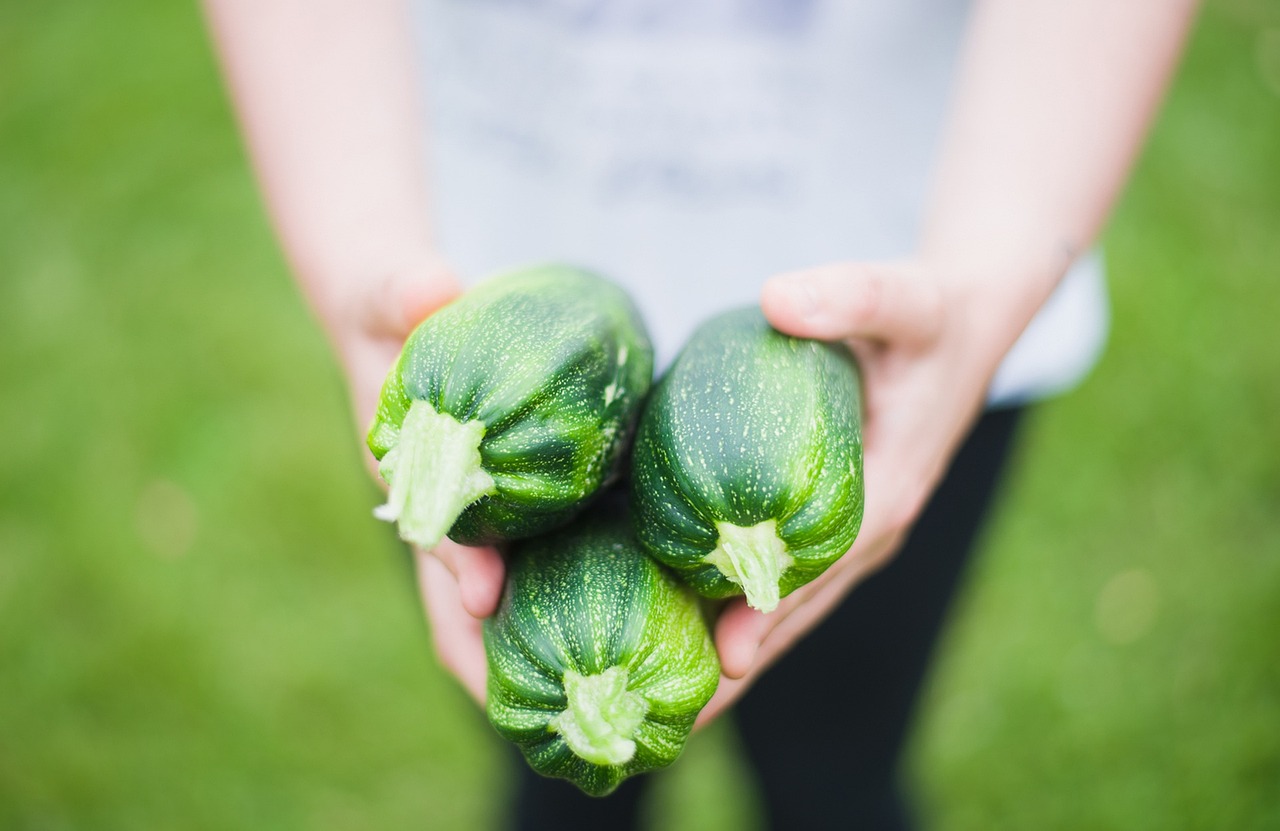
The biggest complaint I hear about vegetable-based dips is that they turn out "soupy." Because zucchini is roughly 95% water, you must use specific techniques to maintain a thick, dip-able consistency. The first rule is to peel the squash entirely. The skin contains most of the moisture and can give the dip a green tint and a slightly bitter edge.
Pro Tip: The Skin-Down Roasting Technique To extract maximum flavor and minimum water, slice your peeled zucchini into thick rounds. Place them on a baking sheet and roast at 400°F. The heat evaporates the excess water and caramelizes the natural sugars. For an extra layer of complexity, roast your garlic cloves in their skins right next to the zucchini. This softens the bite of the garlic and adds a smoky depth that pairs beautifully with ground cumin.
Once your vegetables are roasted and cooled, the food processor becomes your most important tool. You want to emulsify the healthy fats from the tahini and extra virgin olive oil into the zucchini fibers. Start by blending the tahini and lemon juice first until they turn pale and frothy—this is the secret to a "whipped" texture. Only then should you add the roasted zucchini and spices.

How to Serve and Store Your Keto Dip
A roasted zucchini hummus recipe keto style is only as good as what you dip into it. While traditional pita bread is off the table, the world of low-carb crudités is surprisingly vibrant. I recommend reaching for high-crunch, low-calorie options to contrast the smoothness of the dip. Sliced cucumbers, radishes, and bell pepper strips are classic choices. For a more sophisticated plant-based appetizers platter, try blanched asparagus spears or lightly charred broccoli florets.
This dip is also a meal-prep champion. Because it is bean-free, it doesn't thicken into a hard paste in the fridge like traditional hummus does. You can store it in an airtight glass container for three to five days. It makes for an excellent energy-dense lunch addition or a quick post-workout snack. If you find that a little water has separated after a day or two, simply give it a quick stir to re-incorporate the oils.
FAQ
What does zucchini hummus taste like?
It has a remarkably similar flavor profile to traditional hummus because the primary taste drivers—tahini, garlic, lemon, and cumin—remain the same. The zucchini itself is neutral, providing a buttery backdrop that lets the nutty and zesty notes shine without the heavy, starchy aftertaste of chickpeas.
Is zucchini hummus keto-friendly?
Yes, it is one of the most effective ways to enjoy a Mediterranean-style dip while staying within your macros. By replacing high-carb chickpeas with summer squash, you reduce the carbohydrate load by nearly 90%, making it easy to stay under the 20 to 50 gram daily limit required for ketosis.
How do you make hummus without chickpeas?
The process involves substituting the bulk of the recipe with a low-carb vegetable. Roasted or raw zucchini is processed with traditional fats like raw tahini and extra virgin olive oil. This creates the same emulsion and mouthfeel as legume-based versions without the high starch content.
Do you have to peel zucchini for hummus?
While you can leave the skin on, it is generally recommended to peel it. Removing the skin ensures a much smoother, creamier consistency and prevents the dip from having a dark green color. It also helps in reducing the moisture content, which is key for a thick texture.
Can you freeze zucchini hummus?
I do not recommend freezing this dip. Because of the high water content in the squash and the delicate emulsion of the tahini and olive oil, the texture often becomes grainy and separates upon thawing. It is best enjoyed fresh or stored in the refrigerator for a few days.
Why is my zucchini hummus watery?
This usually happens if the zucchini was blended raw without being squeezed of its juice, or if it wasn't roasted long enough. To fix a watery dip, you can add an extra tablespoon of tahini to help thicken it, or next time, ensure you roast the zucchini until it is tender and significantly reduced in size.