Quick Facts
- Safety Status: Commercial pasteurized milk is safe to consume despite the ongoing outbreak.
- Kill Step: High-Temperature Short-Time pasteurization achieves a 12-log reduction in the virus.
- Raw Milk Risk: Testing shows that 14% of raw bulk tank samples contain infectious virus particles.
- Cheese Safety: Recent studies indicate the virus can survive up to 120 days in raw cheese.
- Fragment Detection: PCR tests found viral fragments in 20% of retail milk, but zero live virus.
- Regulatory Oversight: The FDA and CDC continue to monitor the commercial dairy supply for consumer safety.
As the H5N1 bird flu continues to impact dairy herds across several states, many families are asking: Is my milk safe? Current FDA and CDC guidelines provide clear, science-backed answers to these concerns. While the virus has been detected in commercial dairy samples, the safety of the retail supply remains robust due to standard processing protocols. Commercial pasteurized milk is safe because High-Temperature Short-Time (HTST) pasteurization effectively inactivates the H5N1 virus, ensuring H5N1 milk safety for consumers.
As a nutrition editor, I spend my days sifting through complex scientific data to help you make the best choices for your kitchen table. The headlines regarding Highly Pathogenic Avian Influenza in dairy cows have understandably caused some anxiety. However, when we look at the evidence-based research from the FDA and the CDC, the story is one of a food safety system that is working exactly as intended.
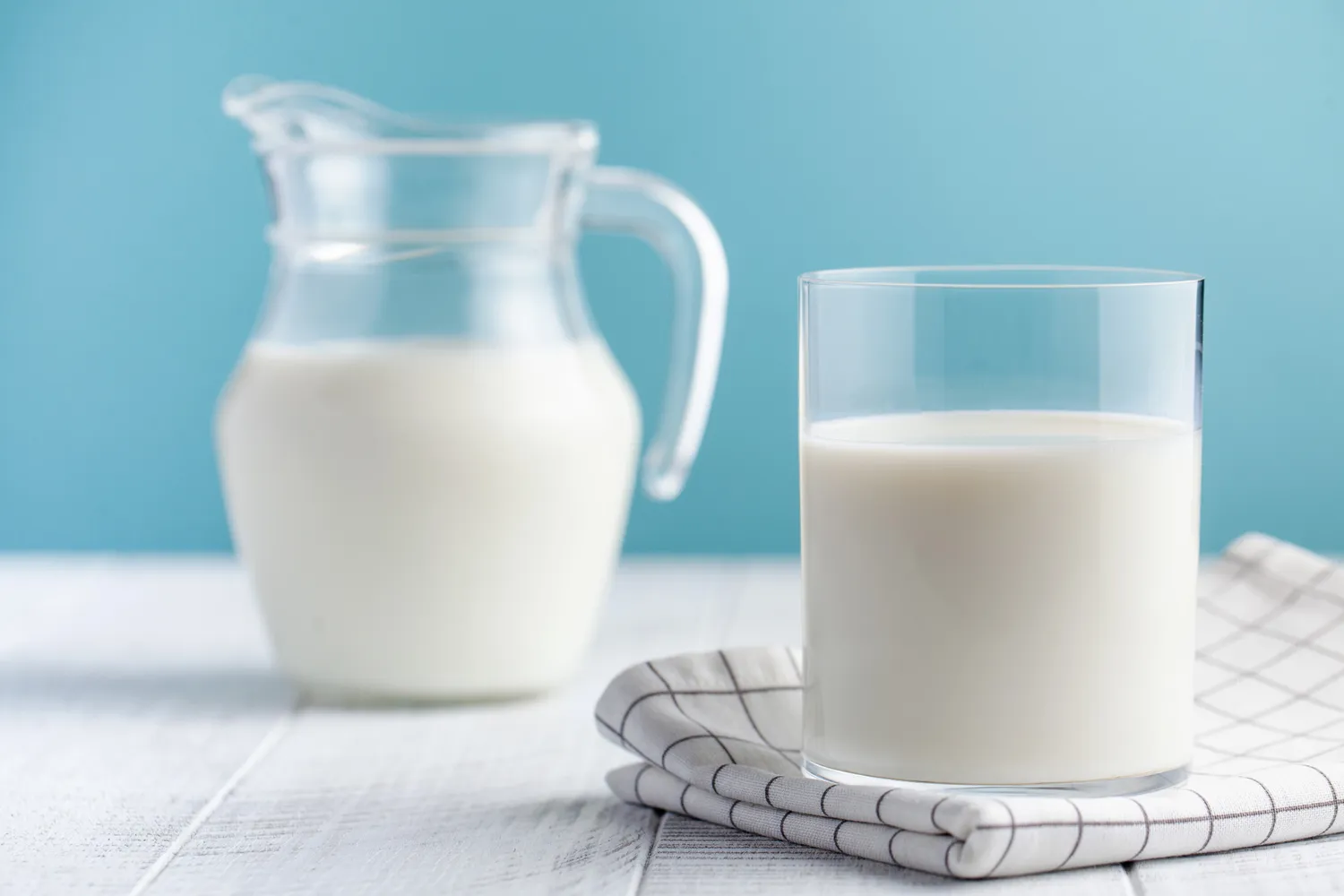
Why Pasteurization Wins: The Science of H5N1 Inactivation
The primary reason why health experts remain confident in the commercial dairy supply is the effectiveness of High-Temperature Short-Time pasteurization. This process, which is the industry standard in the United States, involves heating milk to at least 72°C (161°F) for 15 seconds. While this might seem like a simple step, the thermal processing power behind it is immense when it comes to viral inactivation.
In the world of microbiology, we measure the effectiveness of a "kill step" using something called a log reduction. Research conducted by the FDA and USDA demonstrated that standard commercial pasteurization methods, such as heating milk to 72°C (161°F) for 15 seconds, effectively inactivate the H5N1 avian influenza virus even in samples with high viral concentrations. Scientists have confirmed that this process achieves at least a 12-log reduction in H5N1 particles. To put that in perspective, a 12-log reduction means that if you started with one trillion viral particles, pasteurization would leave you with less than one.
This level of microbial safety is mandated by the Pasteurized Milk Ordinance (PMO). The PMO is a set of rigorous food safety regulatory standards that cover more than 99% of the commercial milk supply in the U.S. Because the virus is highly sensitive to heat, the mandatory thermal processing used by commercial dairies acts as a definitive barrier, preventing any infectious Highly Pathogenic Avian Influenza from reaching your grocery store shelves.
Understanding Testing: Viral Fragments vs. Infectious Virus
You may have seen reports earlier this year stating that a significant portion of grocery store milk tested positive for bird flu. Specifically, a nationwide survey conducted by the U.S. Food and Drug Administration (FDA) found that approximately 20% of retail pasteurized milk samples contained H5N1 viral fragments. At first glance, that number is startling. However, as a nutrition professional, I want to emphasize the distinction between viral fragments and infectious virus.
The tests used in that survey were based on Polymerase Chain Reaction (PCR) technology. PCR is incredibly sensitive and looks for genetic remnants or "blueprints" of the virus. Finding a viral fragment is like finding a fingerprint at a crime scene; it proves the virus was there at one point, but it does not mean the virus is still "alive" or capable of causing infection.
To confirm this, the FDA performed follow-up testing using egg inoculation, which is the gold standard for detecting live virus. When researchers injected the retail milk samples into embryonated chicken eggs, none of them showed any growth. This confirmed that the retail milk testing was picking up dead, harmless fragments that had been successfully neutralized during the pasteurization process. For consumers, this means the risk of H5N1 in the commercial milk supply is effectively zero when products are handled and processed correctly.
Technical Sidebar: PCR vs. Live Virus Testing
- PCR (Polymerase Chain Reaction): A laboratory technique used to amplify small segments of DNA or RNA. It detects the presence of genetic material but cannot distinguish between a live virus and a dead viral remnant.
- Egg Inoculation (Viability Testing): Scientists inject a sample into a live host (like a chicken egg). If the virus reproduces, it is "infectious." If it does not, the virus is considered "inactive" and safe.
The Raw Milk Reality: Significant Risks and Transmission
While the commercial dairy supply is secure, the story changes completely when we talk about raw dairy. The current H5N1 outbreak has revealed that the virus has a specific affinity for the mammary glands of dairy cattle. This means that infected cows shed massive amounts of the virus directly into their milk.
Testing of raw milk from bulk storage tanks in states with known H5N1 outbreaks revealed that 14% of the samples contained infectious H5N1 virus particles, highlighting the safety risks associated with unpasteurized dairy products. Unlike pasteurized milk, raw milk from bulk tank milk sources undergoes no heat treatment to kill zoonotic disease pathogens.
Scientists are particularly concerned about raw milk H5N1 transmission risks because of how the virus interacts with human biology. While H5N1 is traditionally a respiratory virus, the specific receptors it binds to are also found in the human respiratory tract. If a person consumes raw milk and accidentally inhales or aspirates even a tiny amount, or if the virus enters through the mouth and finds its way to those receptors, the potential for infection is real. Furthermore, new research into raw-milk cheese has debunked the long-standing "60-day aging rule." Historically, it was believed that aging cheese for 60 days would kill off most pathogens. However, recent studies found that H5N1 can survive for up to 120 days in raw cheese, making it a significant foodborne pathogens risk.
| Product Type | Safety Status | Process | Viral Risk |
|---|---|---|---|
| Pasteurized Milk | Safe | HTST (72°C for 15s) | Negligible (Inactive fragments only) |
| Raw Milk | High Risk | None | High (Infectious virus present) |
| Raw-Milk Cheese | High Risk | Aging only | High (Virus survives >120 days) |
| Yogurt/Cottage Cheese | Safe | Pasteurization + Acid | Negligible (Inactive) |
Consumer Tips for Dairy Safety and Shopping
Navigating the dairy aisle doesn't have to be stressful. By following current CDC guidelines for dairy safety H5N1, you can continue to enjoy your favorite foods while protecting your health. The most important step is to verify that any dairy product you purchase—whether it is milk, cream, butter, or yogurt—is clearly labeled as pasteurized.

When shopping, look for the word "pasteurized" on the packaging. In the United States, most milk sold in major grocery chains is required to be pasteurized. However, at farmers' markets or specialty health food stores, you should be more diligent. If a label is unclear, ask the seller directly about their processing methods.
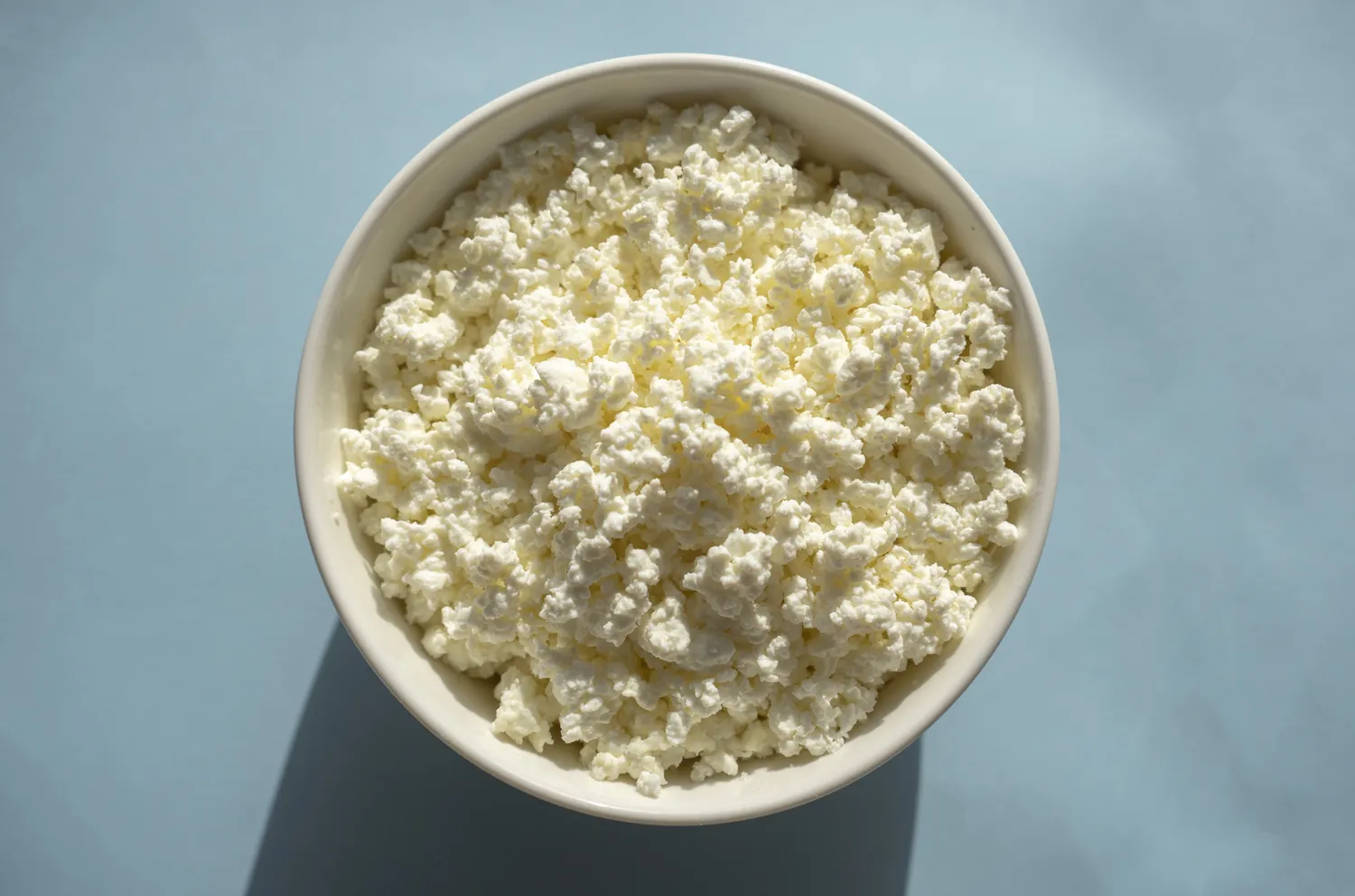
One interesting note for fans of fermented dairy is that the acidification process provides an additional safety net. For products like yogurt and cottage cheese, the combination of initial pasteurization and the subsequent drop in pH (usually to around pH 5.0) creates an environment that is extremely hostile to viruses. This double-layer approach makes these products exceptionally safe options during the bird flu outbreak.
Here are a few actionable consumer tips for dairy safety:
- Avoid "Raw" or "Natural" Unprocessed Labels: These terms often indicate that the product has skipped the essential pasteurization step.
- Stick to the Commercial Supply: Large-scale commercial dairies are subject to the most frequent testing and stricter regulatory standards.
- Be Wary of Soft Raw Cheeses: Since the virus can survive the aging process, avoid raw milk versions of brie, camembert, or queso fresco.
- Check the Source: While H5N1 has primarily been found in cows, it is wise to apply the same pasteurization rules to goat and sheep milk during bird flu outbreak periods.
By staying informed and choosing processed products, you can maintain your nutritional goals without fear. The science is clear: pasteurization is a time-tested victory for public health, and it remains our best defense against the H5N1 virus in our food supply.
FAQ
Is it safe to drink milk with H5N1 circulating in dairy cows?
Yes, it is safe to drink milk as long as it is pasteurized. The commercial milk supply in the U.S. undergoes heat treatment that effectively kills the H5N1 virus. Health agencies like the FDA and CDC continue to monitor the situation, and currently, there is no evidence of infectious virus in the retail supply.
Does pasteurization kill the H5N1 virus in milk?
Yes, pasteurization is highly effective. Specifically, the High-Temperature Short-Time (HTST) method—heating milk to 72°C (161°F) for 15 seconds—achieves at least a 12-log reduction in the virus. This means it completely inactivates the virus, making the milk safe for human consumption.
Can you get bird flu from drinking raw milk?
While the specific risk of human infection through ingestion is still being studied, the CDC and FDA strongly warn against drinking raw milk. H5N1 has been found in its infectious state in raw milk from infected cows. Because the virus can bind to receptors in the human respiratory tract, consuming unpasteurized dairy poses a significant and unnecessary health risk.
What are the risks of H5N1 in the commercial milk supply?
The risk to the commercial supply is considered very low. While PCR tests have found viral fragments in about 20% of retail samples, further testing confirmed that these are only dead remnants of the virus. The pasteurization process required by federal law ensures that no live, infectious virus reaches consumers.
Are dairy products like cheese and yogurt safe from H5N1?
Commercially produced cheese and yogurt are safe because they are made with pasteurized milk. Yogurt has an added layer of safety due to the acidification process. However, raw-milk cheeses are considered high-risk because the virus has been shown to survive for up to 120 days during the aging process, which exceeds standard regulatory requirements.
Is the FDA testing milk for H5N1?
Yes, the FDA, in collaboration with the USDA, is actively conducting nationwide surveys of the retail milk supply. They use both PCR testing to detect viral fragments and egg inoculation tests to ensure that no live virus is present. This ongoing surveillance is designed to ensure that the H5N1 milk safety standards remain effective as the situation evolves.