Quick Facts
- The Gourmet Secret: Using the viscous bean stock from high-quality jars adds a restaurant-style silkiness and umami depth to every dish.
- Nutritional Powerhouse: A standard half-cup serving of cooked legumes typically provides between 7 and 9 grams of fiber and approximately 8 grams of protein, maintaining a low glycemic index score.
- Health Impact: Research indicates that adults who consume beans regularly have a 23% lower risk of an increased waist size and a 22% lower risk of obesity.
- Global Growth: The global plant-based food market is estimated to reach approximately $77.8 billion by 2025, driven by a major shift toward sustainable protein.
- Efficiency Wins: You can create sophisticated, elevated plant-forward meals in under 20 minutes by utilizing pre-cooked heirloom legumes and high-quality aromatics.
To elevate bold bean recipes, utilize the viscous bean stock from the jar to create silky sauces and incorporate global aromatics like Gochujang or Za'atar. Elevating plant-based cooking isn't just about nutrition; it's about layering flavors and textures to turn humble heirloom legumes into the star of the plate.
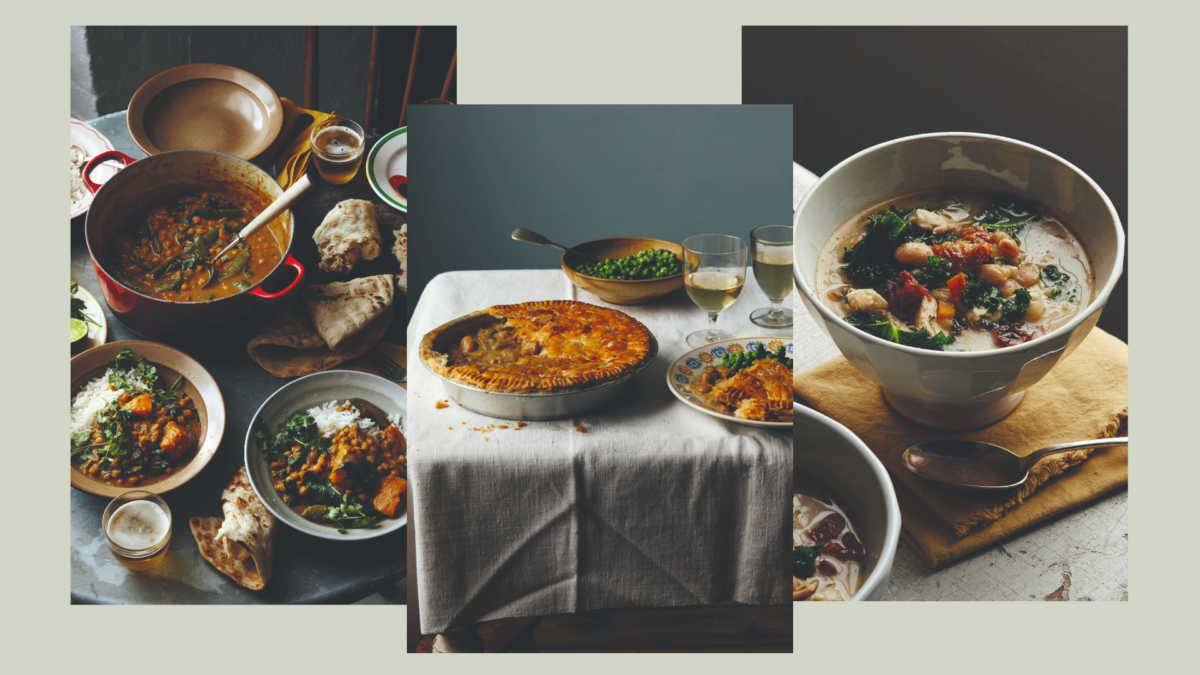
As a nutrition editor, I have spent years analyzing how dietary patterns impact longevity and metabolic health. One of the most consistent findings is that the humble bean is a cornerstone of the world's healthiest diets. However, for many home cooks, beans have often been relegated to the status of a side dish or a budget-friendly filler. Today, we are seeing a massive shift in how we approach plant-based protein. With the rise of the flexitarian lifestyle, the demand for flavor-forward, sophisticated ways to cook legumes has never been higher.
Elevating your kitchen game means moving beyond the dusty canned beans on the back of the pantry shelf and embracing gourmet jarred bean recipes. These products often feature heirloom legumes that have been slow-cooked in small batches, preserving their integrity and flavor. This article is your guide to transforming these simple ingredients into gourmet centerpieces that satisfy both the palate and your nutritional needs.
The Secret Sauce: Utilizing Bean Stock and Aromatics
The most common mistake home cooks make when working with jarred beans is draining the liquid down the sink. In professional circles, that liquid—often called aquafaba or simply bean stock—is liquid gold. This viscous fluid is packed with starch and protein that have leached out during the cooking process. When you are making bold bean recipes, this stock serves as a natural emulsifier, helping fat and water bind together to create a sauce that is naturally creamy without the need for heavy dairy.
To maximize the potential of your legumes, start with a base of high-quality aromatics. Think beyond just onions and carrots. Incorporating fresh rosemary, smashed garlic cloves, and a spoonful of wholegrain mustard can provide a sophisticated foundation. For those looking for umami depth, adding a teaspoon of white miso or even a swirl of peanut butter can create a richness that mimics slow-cooked meat.
Pantry Power Move: Before adding your beans to the pan, sauté your aromatics in high-quality olive oil until they are soft and fragrant. When you add the beans, include at least half of the jarred liquid. Turn up the heat slightly and stir gently; you will see the liquid transform into a glossy, velvety sauce that clings to every bean.
Texture contrast is the final piece of the puzzle. A bowl of soft, creamy beans is delicious, but adding a crunchy element takes it to a restaurant-quality level. Try topping your bean dishes with toasted breadcrumbs, fried sage leaves, or even a handful of toasted seeds. This interplay between the tender legume and the crispy topping is what defines elevated plant-forward meals.
| Feature | Standard Canned Beans | Gourmet Jarred Beans |
|---|---|---|
| Texture | Often mushy or inconsistent | Firm yet tender, skin remains intact |
| Liquid Quality | Thin, metallic-tasting brine | Rich, flavorful bean stock (aquafaba) |
| Variety | Limited (Kidney, Black, Chickpea) | Heirloom legumes (Perello, Queen Butter Beans) |
| Cooking Method | High-pressure industrial canning | Slow-cooked in small batches |
| Nutrient Density | High, but liquid is often discarded | High, with liquid used for extra nutrients |
Quick & Elevated: 20-Minute Weeknight Masterpieces
We lead busy lives, and the beauty of using premium jarred beans is that they provide a shortcut to gourmet eating without operational complexity. One of my favorite concepts to recommend to readers is the Beanotto. Traditional risotto requires thirty minutes of constant stirring to release the starches from the rice. By using the natural starch in the jarred liquid, you can achieve the same creamy butter bean dishes in a fraction of the time.
Recipe Metadata: The 15-Minute Beanotto
- Time: 15 minutes
- Protein: 16g per serving
- Fiber: 14g per serving
- Dietary: Vegan, Gluten-Free
To create a Beanotto, simply sauté shallots and garlic in a pan, add a jar of heirloom legumes with their liquid, and stir in a generous splash of dry white wine and a squeeze of lemon juice. The acidity of the lemon balances the richness of the beans, while the wine adds a layer of sophistication. Finish with fresh parsley and a drizzle of extra virgin olive oil. This is a perfect example of how budget-friendly gourmet jarred bean recipes for flexitarians can satisfy the craving for comfort food while maintaining high nutrient density.
For those who prefer a Mediterranean seasoning profile, try a quick dish of creamy beans with wilted spinach and sun-dried tomatoes. The key to quick elevated plant-forward meals for busy weeknights is using high-impact ingredients. A small amount of feta cheese or a dollop of Greek yogurt stirred in at the end can provide a tangy contrast to the earthy legumes. These protein-rich plant-forward meal ideas with bold beans ensure you aren't sacrificing health for convenience.
Indulgent Comfort: Slow-Cooked and Global Flavors
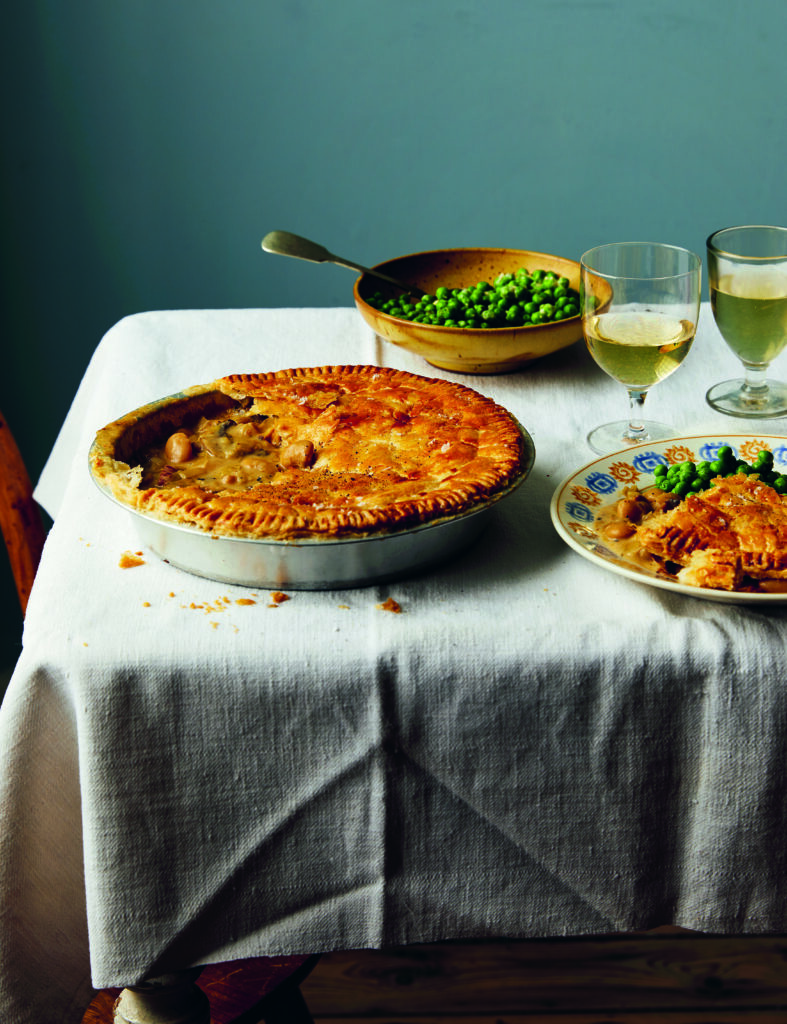
While speed is often a priority, there are times when we want our food to feel like a warm hug. This is where slow-cooked comfort comes into play. Elevated plant-forward recipes often focus on deep, layered flavors that develop over time. A leek and butter bean pie is a fantastic meat-free alternative for a Sunday roast. By poaching leeks in butter and aromatics before adding the beans and their stock, you create a filling that is naturally thick and indulgent. Encased in a buttery puff pastry, it becomes a sophisticated centerpiece that even the most dedicated meat-eaters will enjoy.
Global influences are also reshaping how we view the bean. In 2026, we are seeing a massive trend toward Middle Eastern inspired bean recipes for plant-forward menus. Using jarred butter beans for creamy plant-based meals inspired by Lebanese or Turkish flavors involves using vibrant spices like cumin, coriander, and smoked paprika.
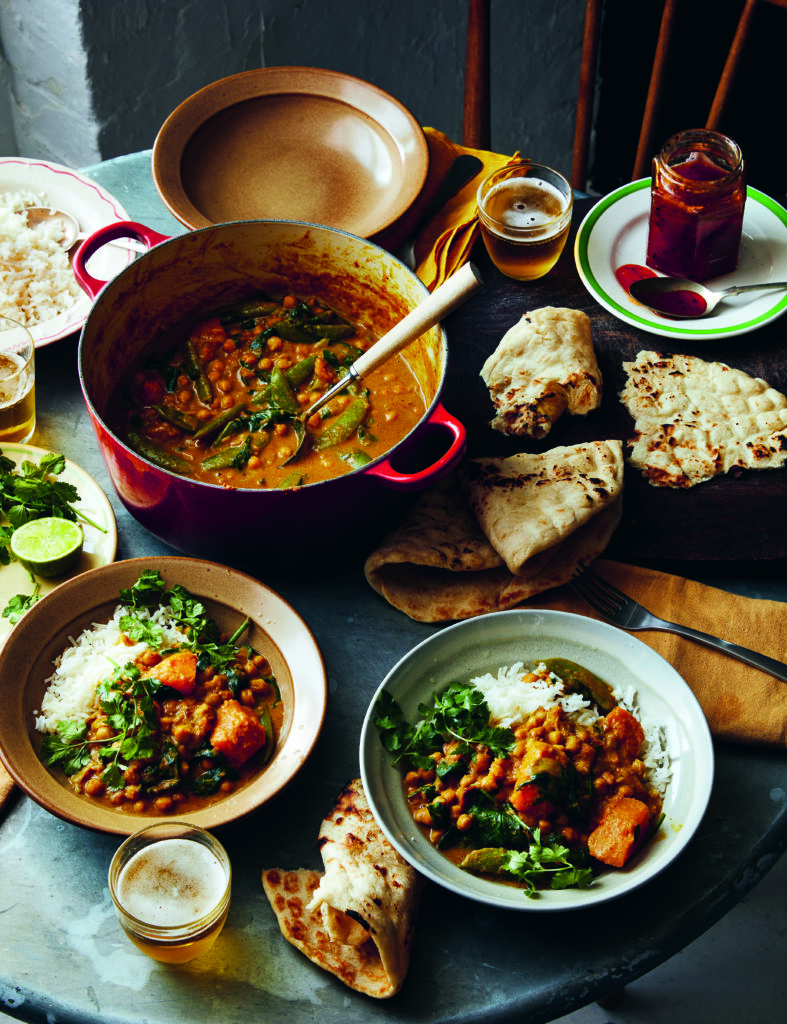
Recipe Metadata: Spiced Chickpea & Peanut Curry
- Time: 30 minutes
- Protein: 19g per serving
- Fiber: 12g per serving
- Dietary: Vegan, High-Protein
Consider a chickpea and peanut butter curry. By using coconut milk and poached aromatics such as turmeric and ginger, you create a dish with immense umami depth. This shift toward bold, flavor-driven cooking highlights the versatility of beans as a sustainable protein source. South Asian aromatics not only provide flavor but also offer anti-inflammatory benefits, aligning perfectly with a health-conscious lifestyle.
The rise of global flavor profiles has made it easier than ever to experiment. Whether it is a Mexican-inspired black bean stew with chipotle and lime or a North African tagine featuring chickpeas and preserved lemons, the humble bean is the perfect canvas for international spices.
FAQ
What are the best ways to cook bold beans?
The best way to cook these premium legumes is to treat them with heat gently so they don't break apart. Sauté your aromatics first, then add the beans and their liquid to the pan. Simmering them for just a few minutes allows the flavors to meld while the bean stock reduces into a glossy sauce. Finishing with fresh herbs and a hit of acidity like lemon or vinegar is essential for a balanced dish.
How do you make a quick meal with bold beans?
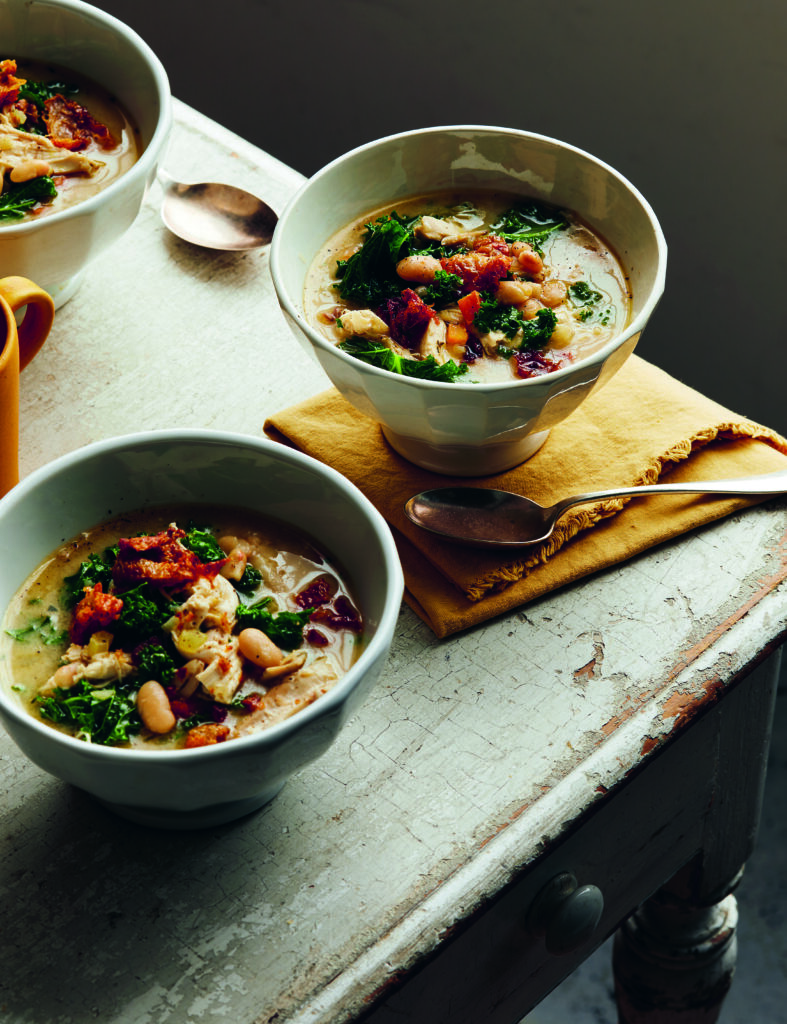
A quick meal can be achieved in under 15 minutes by making a Beanotto or a simple bean salad. For a hot meal, warm the beans in a pan with garlic, chili flakes, and kale. The natural starches in the jarred liquid will create a creamy sauce almost instantly. Serve it over a slice of toasted sourdough for a complete, protein-rich meal.
How do bold beans compare to standard canned beans?
Standard canned beans are often processed at very high temperatures, which can lead to a mushy texture and a metallic taste from the brine. Bold, gourmet jarred beans are typically heirloom varieties that are slow-cooked in small batches. This results in a superior texture where the beans are creamy on the inside but retain their shape, and the liquid in the jar is a flavorful stock rather than a waste product.
Do you need to drain bold beans before cooking?
No, you should absolutely not drain them. The liquid in high-quality jars is a concentrated bean stock full of flavor and natural thickeners. Using this liquid is the key to achieving a restaurant-style consistency in your sauces, stews, and soups. It adds a depth of flavor that water or store-bought vegetable broth simply cannot match.
Can bold beans be used in stews and soups?
Absolutely. Because these beans are already perfectly cooked, they should be added toward the end of the cooking process for stews and soups. This ensures they absorb the flavors of the broth without becoming overcooked. Their robust size and texture make them an excellent replacement for meat in hearty, slow-cooked dishes.
By embracing these techniques and focusing on quality, you can transform your daily meals into something truly special. Whether you are a full-time vegan or a flexitarian looking to reduce your meat intake, the world of bold bean recipes offers endless possibilities for delicious, nutrient-dense dining. Experiment with different heirloom legumes, don't be afraid of bold spices, and always remember to save that bean stock!