Quick Facts
- Carcinogen Status: Alcohol is classified by the IARC as a Group 1 carcinogen, the same category as asbestos and tobacco.
- Disease Link: Consumption is causally linked to over 60 different health conditions and more than 200 total medical issues.
- Global Impact: Approximately 2.6 million deaths annually are attributable to alcohol consumption, representing 4.7% of all global deaths.
- Metabolic Burden: Roughly 90% of alcohol is oxidized by the liver, making it the primary site of metabolic stress.
- Recovery Potential: Cardiovascular health and immune function often show measurable improvement within just days of abstinence.
- Preventive View: Scaling back alcohol use is now considered a core pillar of modern longevity and preventive health strategies.
Alcohol consumption affects nearly every organ system, increasing the risk for over 60 different diseases. The systemic effects of alcohol include alcoholic liver disease, cardiomyopathy, and chronic systemic inflammation, while also suppressing the immune system and potentially causing significant nutrient deficiencies.
The Metabolic Reality: How Alcohol Becomes a Systemic Toxin
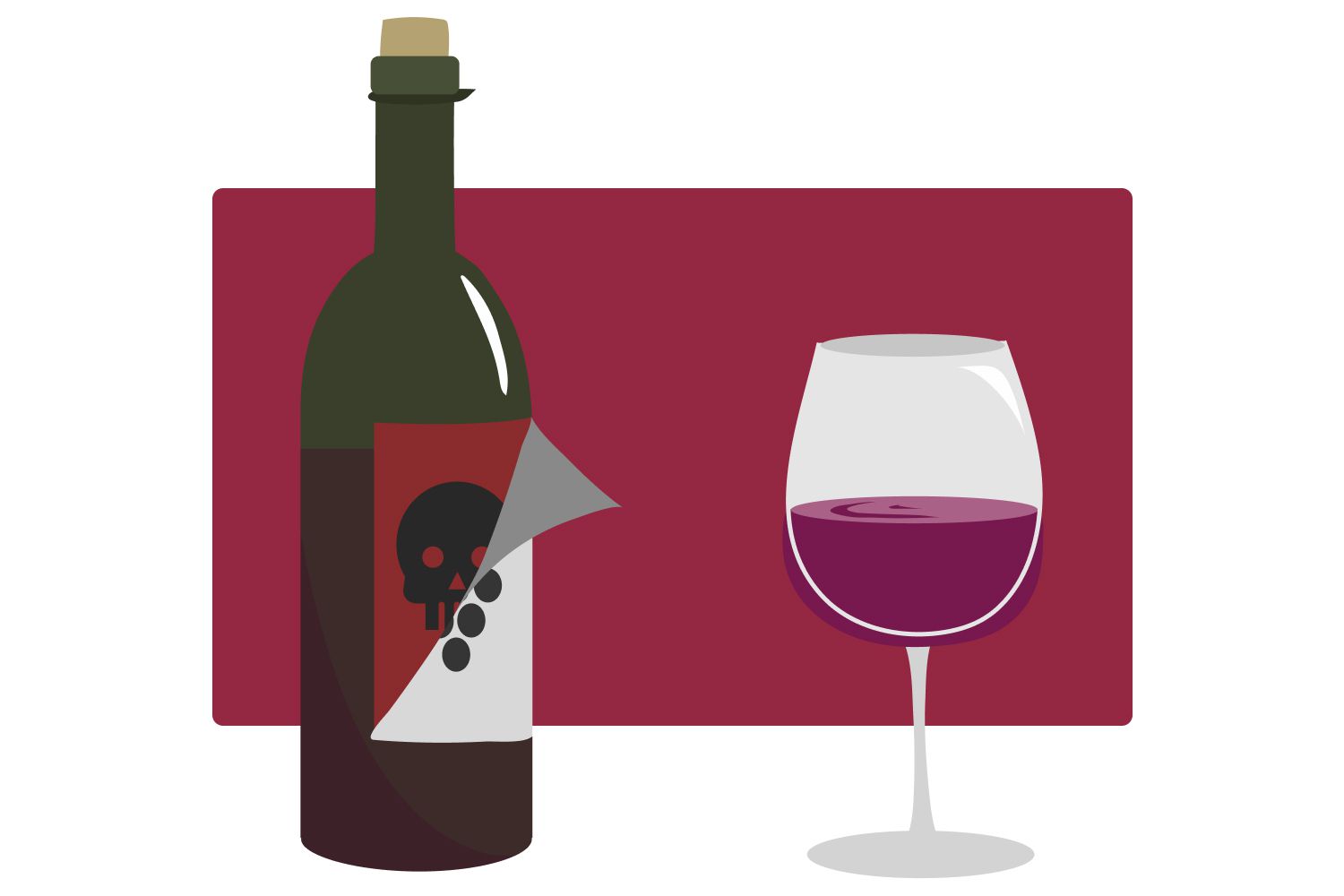
When we view alcohol through the lens of preventive health, we have to look past the social ritual and into the cellular chemistry. The body does not see a glass of vintage red wine or a craft beer as a nutrient; it sees ethanol, a foreign substance that must be neutralized. The liver takes on the lion's share of this work, converting ethanol into acetaldehyde.
This specific byproduct is highly reactive and significantly more toxic than alcohol itself. Acetaldehyde has a destructive habit of binding to proteins and DNA, leading to DNA damage and triggering a cascade of oxidative stress. In a preventive health context, this is where the trouble begins. When the body’s antioxidant defenses are overwhelmed by this metabolic burden, we see the early markers of metabolic syndrome and chronic cellular dysfunction.
It is also important to understand the thresholds of risk. A standard drink is typically defined as 14 grams of pure alcohol—roughly a 12-ounce beer or a 5-ounce glass of wine. When consumption exceeds these moderate levels, or when binge drinking occurs (defined as reaching a blood alcohol concentration of 0.08% or higher), the metabolic pathways become saturated. This saturation allows acetaldehyde to circulate longer in the bloodstream, providing more opportunities for systemic inflammation to take root.
Organ Systems Under Siege: The Long-Term Health Risks
From my perspective as a lifestyle editor, the most striking aspect of alcohol is how it functions as a multi-organ toxin. It doesn't just impact one area; it creates a ripple effect across every major system. According to the World Health Organization, alcohol consumption is the third leading modifiable risk factor for cancer worldwide. In the United States alone, excessive use causes about 178,000 deaths each year, shortening the lives of those affected by an average of 24 years.
To understand the long term impact of alcohol on organ systems, we can break down the damage anatomically:
- The Liver: As the primary filtration site, the liver suffers through a progression of hepatotoxicity. It starts with simple fatty liver (steatosis), which is often asymptomatic, and can progress to alcoholic hepatitis and eventually irreversible cirrhosis.
- The Cardiovascular System: Chronic intake can lead to cardiomyopathy, where the heart muscle weakens and droops. It also contributes to hypertension and arrhythmias, increasing the lifetime risk of stroke and heart failure.
- The Brain and Nervous System: Alcohol interferes with neuroplasticity, the brain's ability to rewire and heal itself. Over time, this can lead to cognitive decline and even early-onset alcoholic dementia.
- The Gut and Immune System: Alcohol disrupts the delicate balance of the gut microbiome, leading to "leaky gut" and the movement of bacterial toxins into the blood. This creates a clear link between alcohol use and increased infection risk, as the immune suppression makes the body more vulnerable to pneumonia and other respiratory issues.
The long-term health risks of alcohol are not just theoretical; they are cumulative. Every year of heavy use compounds the risk of developing one of the 200+ health conditions linked to ethanol, making alcohol reduction one of the most effective preventive measures any individual can take for their future self.
The Reversibility Spectrum: A Timeline of Recovery
One of the most encouraging aspects of preventive care is the body's inherent desire to heal. Many of the effects of alcohol are not a life sentence. When you reduce or stop consumption, you initiate a biological reset. The reversible health effects after stopping alcohol consumption begin almost immediately, particularly within the cardiovascular and immune systems.
The cognitive recovery timeline after quitting alcohol is particularly fascinating. While some structural changes take time to mend, the brain begins to restore neurotransmitter balance within weeks. This often manifests as improved sleep architecture—meaning you spend more time in restorative REM and deep sleep stages rather than the fragmented, shallow sleep typical of those who drink before bed.
| Timeframe | Physiological Milestone | Health Benefit |
|---|---|---|
| 24–72 Hours | Blood sugar stabilization | Improved energy and reduced brain fog |
| 1 Week | Sleep architecture normalization | Enhanced mood and cognitive clarity |
| 1 Month | Liver fat reduction (up to 15%) | Improved metabolic function and skin health |
| 3–6 Months | Neuroplasticity improvements | Better memory and emotional regulation |
| 1 Year | Significant cancer risk reduction | Lowered systemic inflammation and heart health |
For those concerned about organ health, there are specific ways to support liver recovery from alcohol damage. This includes prioritizing hydration, increasing intake of cruciferous vegetables to support Phase II detoxification, and ensuring adequate levels of B-vitamins, especially thiamine, which is often depleted by chronic use. The goal of preventive health is to catch the damage in the reversible phase before it transitions into permanent scarring or chronic disease.
Practical Preventive Health: Strategies for Scaling Back
Transitioning away from a habit of regular drinking doesn't have to be a journey of deprivation. Instead, think of it as an investment in your longevity. The preventive health benefits of scaling back alcohol use are felt almost immediately in your daily energy levels and long-term metabolic health.
Start by auditing your routines. Many people drink out of habit or social pressure rather than a genuine desire for the beverage. Introducing sophisticated mocktails or high-quality sparkling waters into your evening routine can satisfy the "ritual" of winding down without the acetaldehyde hit. Establishing social boundaries—such as being the designated driver or choosing "dry" activities like hiking or gallery visits—helps shift the focus from the drink to the connection.
From a clinical preventive standpoint, if you have a history of heavy use, regular screenings are vital. Blood tests that monitor liver enzymes, such as GGT and ALT, can provide a baseline for your recovery. Integrating alcohol reduction into a broader wellness plan that includes stress management techniques—like breathwork or meditation—addresses the root cause of why many people turn to alcohol in the first place: the need to "shut off" a stressed nervous system. By reaching sobriety milestones, you aren't just quitting a substance; you are gaining a higher quality of life.
FAQ
What are the long-term health risks of chronic alcohol use?
Chronic use is linked to over 200 health conditions, with the most significant risks being liver cirrhosis, various types of cancer (including breast, liver, and colorectal), and cardiovascular diseases like hypertension and stroke. It also contributes to long-term immune suppression and persistent systemic inflammation.
How does alcohol consumption impact the liver?
The liver is responsible for processing about 90% of the alcohol you consume. This process produces toxic byproducts that cause fat accumulation, inflammation, and eventual scarring. This progression moves from fatty liver to alcoholic hepatitis and can ultimately lead to cirrhosis, where healthy tissue is replaced by permanent scar tissue.
What happens to your body when you stop drinking alcohol?
The body begins to heal rapidly. Within days, your hydration levels improve and your heart rate stabilizes. Within weeks, your liver fat decreases, your skin clears up, and your sleep quality improves significantly. Long-term, your risk for several types of cancer and heart disease begins to drop to levels similar to non-drinkers.
How does alcohol affect the brain and nervous system?
Alcohol acts as a central nervous system depressant and interferes with the communication pathways of the brain. Chronic use can shrink the brain's gray matter, impair memory, and disrupt neuroplasticity. It also alters the balance of neurotransmitters like GABA and glutamate, which can lead to increased anxiety and sleep disturbances over time.
Does alcohol consumption lead to weight gain?
Yes, alcohol contributes to weight gain in several ways. It is calorie-dense, providing seven calories per gram without any nutritional value. Furthermore, alcohol intake can temporarily halt the body's ability to burn fat as it prioritizes the metabolism of ethanol. It also tends to lower inhibitions and stimulate appetite, leading to increased food consumption.