Quick Facts
- The Catalyst: Digestive enzymes act as the primary biological catalysts that facilitate hydrolysis, the chemical process of breaking down food into peptides and fatty acids for absorption.
- Core Trio: The body relies on three main categories—Amylase for carbohydrates, Protease for proteins, and Lipase for fats—to maintain metabolic health.
- Efficiency Gain: Clinical research indicates that enzyme replacement therapy can improve the coefficient of fat absorption from a baseline of 63.1% to 83.7% in specific clinical populations.
- Symptom Mapping: Chronic bloating, gas, and fatigue are common indicators that the body is struggling with poor nutrient absorption and enzyme deficiency.
- Natural Support: Incorporating raw, enzyme-rich foods like papaya and pineapple can provide supplemental support for the body’s endogenous production.
- Strategic Timing: For maximum efficacy, digestive enzymes should be taken immediately before or during the first few bites of a high-macronutrient meal.
Digestive enzymes are biological catalysts that break down complex macronutrients into bioavailable molecules like amino acids and fatty acids. Without efficient nutrient absorption optimization, even the healthiest diet can leave you nutrient-deficient, as these proteins are essential for the hydrolysis process in the small intestine.
The Science of the Macronutrient Breakdown Process
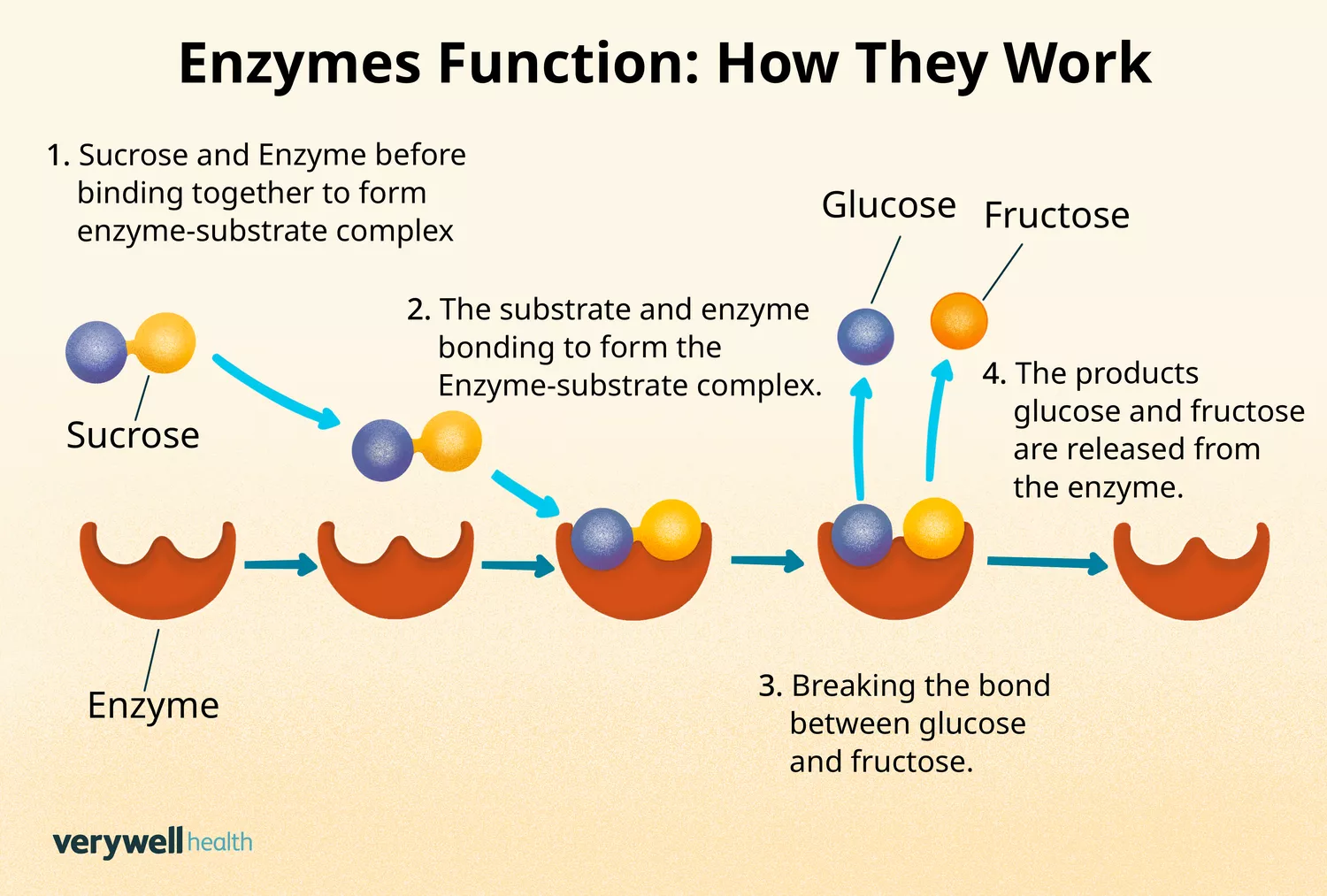
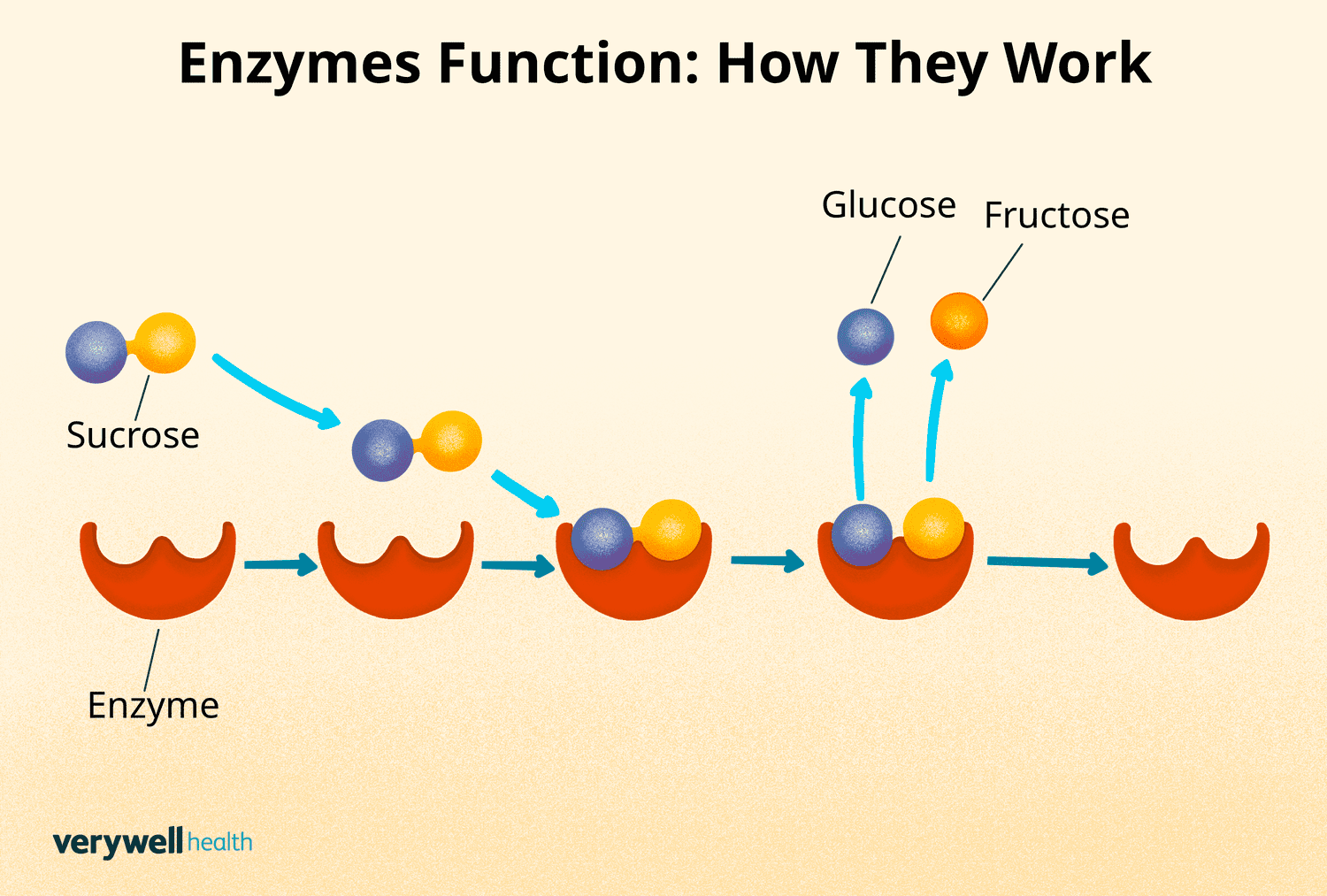
To understand why digestive enzymes are so critical, we have to look at the chemical catalysis happening inside your gut. Think of your digestive system as a highly sophisticated laboratory. When you eat a piece of steak or a bowl of pasta, the nutrients are locked away in complex molecular structures. Your body cannot simply pull a whole protein molecule into the bloodstream. Instead, it must lower the activation energy required to break these bonds, a task performed by enzymes through the lock and key mechanism.
This macronutrient breakdown process begins the moment food enters your mouth. Your salivary glands release Amylase to start dismantling starches. As food moves to the stomach and then the small intestine, the pancreas and intestinal lining take over. The pancreas is particularly vital for Pancreatic function, secreting a potent cocktail of Protease to handle proteins and Lipase to process fats.
One of the most overlooked aspects of enzyme science is how enzymes help the body absorb vitamins and minerals. For instance, Lipase is not just for breaking down fats for energy; it is essential for the liberation of fat-soluble vitamins like A, D, E, and K. Without sufficient Lipase, these vitamins remain trapped in the fat globules and are excreted, regardless of how many supplements you take. Furthermore, recent research using advanced digestion models showed that multi-enzyme supplementation can reduce gastric digesta viscosity by 2.75-fold compared to non-supplemented conditions, significantly enhancing protein hydrolysis.
Common Signs of Poor Nutrient Absorption and Enzyme Deficiency
Many people suffer from digestive discomfort without realizing that the root cause is a lack of enzymatic activity. When the macronutrient breakdown process is incomplete, undigested food particles travel into the large intestine. There, they become a feast for bacteria, leading to fermentation, which manifests as common signs of poor nutrient absorption and enzyme deficiency.
Chronic bloating and excessive gas shortly after eating are the most frequent complaints. You might also notice greasy or floating stools, which suggests that Lipase is not effectively breaking down fats. On a systemic level, unexplained fatigue can occur because your cells are quite literally starving for energy, despite an adequate caloric intake. This is because the Bioavailability of your food is compromised.
While minor deficiencies are common as we age, some conditions are more severe. For example, exocrine pancreatic insufficiency, which prevents the body from breaking down and absorbing nutrients, affects approximately 80% to 90% of individuals with cystic fibrosis. In the general population, about 1 in 20 patients diagnosed with IBS may actually be suffering from underlying Pancreatic function issues. If you notice weight loss despite eating normally, or if you have visible food particles in your stool, it is a significant indicator that your nutrient absorption optimization is failing.
Natural Ways to Boost Your Body's Enzyme Production
Before reaching for a bottle of supplements, there are several natural ways to boost your body's enzyme production. The first and most accessible method is Mastication. Chewing your food thoroughly does more than just break it into smaller pieces; it signals the rest of the digestive tract to prepare for the incoming meal, triggering the release of enzymes further down the line.
You can also look to your plate for support. Certain enzyme-rich foods contain natural plant-based enzymes that mimic the action of our own.
- Papaya: Contains papain, a Protease that helps break down tough protein fibers.
- Pineapple: Rich in bromelain, which aids protein digestion and has anti-inflammatory properties.
- Fermented Foods: Items like kefir, sauerkraut, and kimchi provide a dual benefit of enzymes and beneficial bacteria.
- Honey: Raw honey contains Amylase and several other enzymes that assist in carbohydrate breakdown.
Choosing the best enzyme rich foods for nutrient absorption allows your pancreas to work less strenuously. However, be aware that many enzymes are sensitive to heat. Cooking food above 118°F often leads to Denaturation, where the enzyme's structure is destroyed, and its catalytic power is lost. Integrating raw or lightly steamed vegetables into your meals can help preserve these natural tools.
Digestive Enzymes vs Probiotics for Gut Health
In the world of gut health, there is often confusion between digestive enzymes vs probiotics for gut health. While they both support the digestive system, they perform entirely different roles. I like to think of enzymes as the "tools" and probiotics as the "workers."
| Feature | Digestive Enzymes | Probiotics |
|---|---|---|
| Primary Role | Breaking down macronutrients (chemical catalysis). | Maintaining microbial balance and immune function. |
| Location of Action | Primarily the stomach and small intestine. | Primarily the large intestine (colon). |
| Key Benefit | Improved nutrient absorption and reduced bloating. | Enhanced Gut barrier integrity and regular movements. |
| Timing | Taken with meals. | Can be taken anytime, usually on an empty stomach. |
When used together, they create a synergy effect. Enzymes ensure that food is broken down into small Peptides and fatty acids, preventing undigested food from reaching the colon and causing dysbiosis. Meanwhile, specific probiotic strains like L. plantarum can support the environment in which enzymes operate, further protecting the gut lining. This combined approach is often the gold standard for achieving total nutrient absorption optimization.
Optimization Protocol: When to Take Digestive Enzymes for Best Results
If you decide that supplementation is necessary, the protocol for when to take digestive enzymes for best results is straightforward but strict. Because enzymes must mix with food to work, timing is the most critical factor. They should be taken within a 10-minute window of your first bite. If you take them too far in advance, they may pass through the stomach before the food arrives; if you take them too late, the food has already begun its journey partially undigested.
When choosing a supplement, look for "full-spectrum" options that include Amylase, Protease, Lipase, and perhaps Lactase if you have difficulty with dairy. Quality is paramount, so ensure the product has third-party testing and GMP certification to guarantee the enzymes haven't been lost to Denaturation during the manufacturing process.
Most people find that a 2-3 week trial period is sufficient to see if enzyme therapy is working for them. You should notice a significant reduction in post-meal heaviness and gas. However, if you experience red flags like persistent abdominal pain, severe diarrhea, or unexplained weight loss, it is essential to consult a healthcare professional. These could be signs of a more complex condition requiring clinical intervention rather than just dietary support.
FAQ
What are the signs you need digestive enzymes?
The most common indicators include feeling overly full or bloated immediately after eating, frequent gas, and changes in stool consistency such as oily or floating stools. Chronic fatigue and the presence of undigested food in your stool are also strong signs that your natural enzyme production may be insufficient for your dietary intake.
What is the best time to take digestive enzymes?
For optimal results, you should take digestive enzymes right as you sit down to eat or with your first few bites of food. This ensures the enzymes are present in the stomach and small intestine at the exact time the food arrives, allowing them to participate in the macronutrient breakdown process immediately.
Do digestive enzymes really work for bloating?
Yes, they are highly effective for bloating caused by malabsorption. When food is not properly broken down by enzymes, it ferments in the gut, creating gas. By providing the necessary Amylase, Protease, or Lipase to finish the job, enzymes prevent this fermentation and the resulting pressure and discomfort.
What is the difference between probiotics and digestive enzymes?
Digestive enzymes are proteins that chemically break down food into smaller molecules like amino acids. Probiotics are living beneficial bacteria that help balance the microbiome, support the immune system, and maintain the health of the intestinal lining. One handles the food breakdown, while the other manages the gut environment.
Are there any side effects to taking digestive enzymes?
Most people tolerate digestive enzymes very well. However, some may experience mild nausea, occasional cramping, or a change in bowel habits when first starting a supplement. It is always best to start with a lower dose to see how your body reacts before moving to a full-strength protocol.
Which foods are naturally high in digestive enzymes?
Some of the best natural sources include papaya (which contains papain), pineapple (bromelain), mango (amylase), and avocados (lipase). Fermented foods such as miso, sauerkraut, and ginger also provide significant enzymatic support to help with the digestion of various macronutrients.