Quick Facts
- Sunday Prep Time: 60-90 minutes for a full work week of meals
- Fridge Life: 3-5 days for most refrigerated items
- Freezer Life: Up to 3 months for burritos, pancakes, and egg muffins
- Top Tip: Use the 333 Method (3 proteins, 3 carbs, 3 vegetables) for easy variety
- Texture Hack: Cool all baked goods on wire racks before storage to prevent sogginess
- Reheat Time: Most items take only 30-90 seconds in a microwave-safe container
Effective breakfast meal prep for busy work weeks involves batch cooking high-protein staples like egg muffins and breakfast burritos or assembling no-cook options like overnight oats to ensure grab-and-go convenience and sustained energy. Utilizing slow-release carbohydrates and fiber-rich ingredients like chia seeds and nut butter helps maintain energy throughout the workday, preventing the mid-morning slump often experienced by those who skip their first meal.
Morning Routine Optimization and the 333 Method
The struggle to find time for a nutritious meal is real, but the cost of skipping is higher than most professionals realize. A study of full-time office workers found that 39% are habitual breakfast skippers, with 63% of those individuals citing a lack of time as the primary reason for missing their morning meal. This habit directly impacts the bottom line of your performance; research indicates that employees who habitually skip breakfast report significantly lower morning productivity scores, averaging 6.2 out of 10 compared to 7.4 for those who eat breakfast regularly.
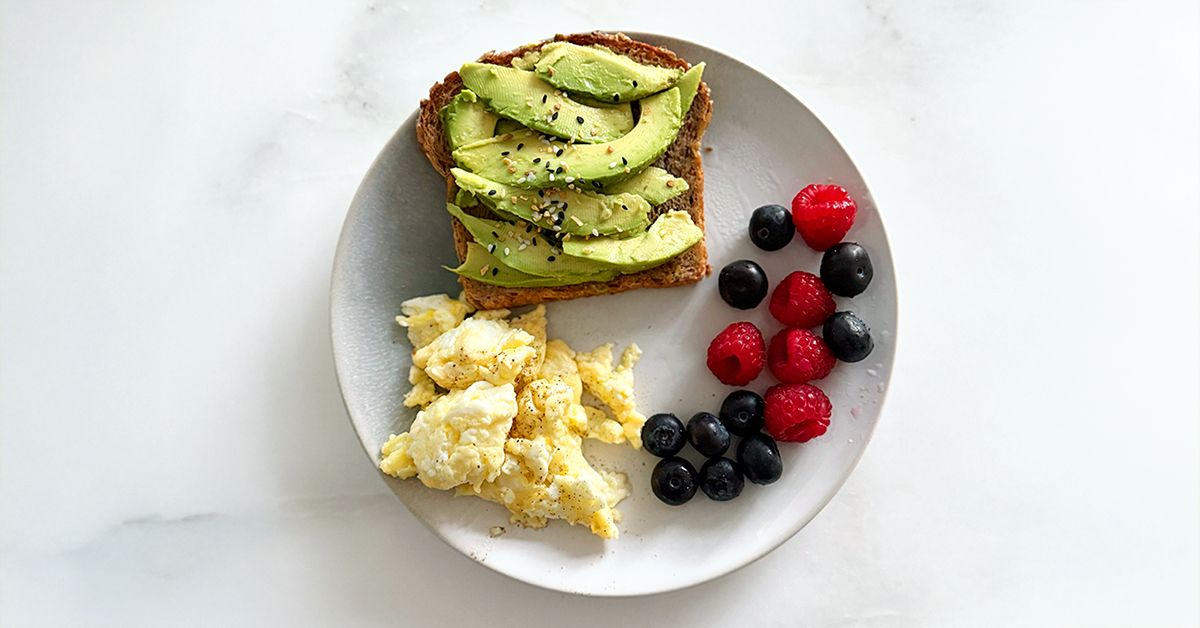
To reclaim your morning routine optimization and boost those scores, I recommend the 333 Method. This is a simple framework for planning rather than just prepping. On Sunday, choose 3 proteins (like Greek yogurt, eggs, and turkey sausage), 3 carbohydrates (like oats, whole-wheat tortillas, and sweet potatoes), and 3 vegetables (like spinach, bell peppers, and mushrooms). By mixing and matching these nine items, you can create a week of variety without the mental fatigue of following five separate recipes. This approach ensures satiety and fullness while keeping your budget-friendly breakfast meal prep on a Sunday focused and efficient.
1. High-Protein Egg Muffins (The 30-Second Reheat)
Egg muffins are the ultimate high protein breakfast meal prep for all-day energy. Think of them as portable, crustless quiches that you can customize with whatever produce is in your crisper drawer. They are exceptionally versatile and provide a dense source of leucine, an amino acid critical for muscle maintenance and metabolic health.
To make a batch, whisk 10-12 large eggs with a splash of milk and your chosen seasonings. Pour the mixture into a silicone muffin tin—which I recommend over metal for easy release—and add your pre-chopped vegetables and lean proteins. Bake at 350°F (175°C) for about 20-25 minutes until the centers are set.
Texture Guard: The Moisture Escape
To prevent your muffins from becoming rubbery or watery, ensure your vegetables (like spinach or mushrooms) are sautéed and patted dry before adding them to the egg mixture. Once baked, remove them from the tin immediately and place them on a wire rack. This prevents steam from being trapped at the bottom, which is the primary cause of sogginess during storage. These are perfectly microwave-safe and take only 30-45 seconds to reach the ideal temperature.
2. Overnight Chia & Greek Yogurt Jars (No-Cook Variety)
For those who prefer a cooler start or work in environments where a microwave isn't accessible, overnight oats and yogurt parfaits are the gold standard. These are among the best healthy vegetarian make-ahead breakfast ideas because they rely on Greek yogurt and chia seeds for a massive protein and fiber boost.
The secret to a great jar is the ratio: use equal parts rolled oats and liquid (milk or a plant-based alternative), then add a tablespoon of chia seeds to create a pudding-like consistency. Layer the yogurt on top of the oat mixture, and save your crunchy toppings for the morning of. This is an easy no-cook breakfast meal prep for hot mornings when you want something refreshing yet filling.
Texture Guard: The Layering Strategy
When using airtight storage containers like mason jars, always put the "wet" ingredients (the soaked oats) at the bottom and the Greek yogurt in the middle. If you are adding fruit, place berries on top of the yogurt. This vertical stacking keeps the oats from becoming a singular block of mush while keeping the yogurt creamy.
3. Freezer-Friendly Breakfast Burritos
If you need something hearty that feels like a "real" meal, breakfast burritos are the answer. They are the cornerstone of freezer-friendly breakfast meal prep for busy professionals because they hold up incredibly well over long periods.
To create these, scramble a large batch of eggs until they are just barely set—slightly undercooked eggs will finish cooking when you reheat the burrito later, preventing that "rubbery" texture. Lay out whole-wheat tortillas and fill them with the eggs, black beans, a sprinkle of cheese, and cooked turkey bacon or soy crumbles. Individual wrapping is the key to grab-and-go convenience.
Texture Guard: The Cool-Down Rule
Never roll a hot burrito. If you wrap a warm tortilla around steaming eggs, the steam will hydrate the flour and turn the burrito into a gummy mess in the freezer. Let all fillings reach room temperature before rolling. Once rolled, wrap each burrito tightly in foil or parchment paper and store them in a large freezer bag. For the best results, use specific reheating instructions: microwave for 90 seconds on a defrost setting, then 30 seconds on high.
4. Savory Breakfast Bento Boxes
Not every meal prep requires a stove. A savory bento box is a fantastic way to practice portion control while utilizing budget-friendly breakfast meal prep on a Sunday strategies. These boxes focus on "component eating," which can be more satisfying for those who enjoy a variety of textures.
A standard box might include two hard-boiled eggs, a portion of almonds or walnuts, a few slices of high-quality cheese, and a handful of berries or a sliced apple. This requires almost zero cooking time beyond boiling the eggs. Hard-boiled eggs are a nutrition powerhouse, offering high-quality protein and choline for brain health.
Texture Guard: The Shell Secret
To keep your eggs fresh and easy to peel, store them in their shells inside the bento box until the moment you are ready to eat. If you prefer them pre-peeled, place a slightly damp paper towel at the bottom of the compartment to maintain moisture without making the other items, like nuts or crackers, lose their crunch.
5. Sheet-Pan Protein Pancakes or Waffles
Flipping individual pancakes is a time-sink you don't need on a Sunday. Instead, use the sheet-pan method for batch cooking breakfast. Pour your high-protein pancake batter (made with oats, eggs, and protein powder) into a parchment-lined rimmed baking sheet. Bake at 400°F for about 15 minutes, then slice into squares.
These squares can be stored in airtight storage containers with small pieces of parchment paper between them to prevent sticking. They function just like store-bought frozen waffles but with significantly better macronutrients and no refined sugars.
Texture Guard: The Toaster Finish
While you can reheat these in a microwave, the best way to restore the "fresh off the griddle" texture is to pop the frozen or refrigerated square into a wide-slot toaster. This crisps the edges while keeping the center soft, providing the satiety and fullness needed to power through back-to-back meetings.
Master Storage & Reheating Dashboard
| Breakfast Item | Fridge Life | Freezer Life | Best Reheating Method |
|---|---|---|---|
| Egg Muffins | 5 Days | 3 Months | Microwave (30-45s) |
| Overnight Oats | 4 Days | Not Recommended | Eat Cold or Room Temp |
| Breakfast Burritos | 3 Days | 3 Months | Microwave (90s) then Toaster Oven |
| Bento Boxes | 5 Days | Not Recommended | N/A (Keep Chilled) |
| Protein Pancakes | 5 Days | 2 Months | Toaster (Medium Setting) |
FAQ
How long does meal prepped breakfast last in the fridge?
Most cooked breakfast items, such as egg muffins, burritos, and pancakes, will remain fresh and safe to consume for up to five days when stored in airtight storage containers. Overnight oats and yogurt-based jars are best consumed within three to four days, as the oats continue to soften over time. Always ensure your refrigerator is set to 40°F (4°C) or below to maintain food safety.
What are the best foods for breakfast meal prep?
The most successful meal prep foods are those that maintain their structural integrity after cooling and reheating. Eggs, oats, chia seeds, and hearty grains like quinoa are excellent bases. Lean proteins like turkey sausage and plant-based options like black beans or tofu also hold up well. Avoid delicate greens or watery fruits like watermelon, which can become mushy or leak moisture into other components of the meal.
How do I meal prep breakfast for the whole week?
Start by choosing two recipes to avoid flavor fatigue—for example, one savory (egg muffins) and one sweet (overnight oats). Spend 60-90 minutes on Sunday batch cooking the hot items and assembling the cold jars. Use the 333 Method to ensure you have a balance of proteins, carbohydrates, and fats. Divide everything into individual portions immediately so you can grab a container and go every morning without thinking.
Can you freeze breakfast meal prep meals?
Yes, many breakfast items are incredibly freezer-friendly. Breakfast burritos, egg muffins, protein waffles, and even certain types of breakfast sandwiches can be frozen for up to three months. To maintain quality, wrap items individually in parchment paper or foil before placing them in a heavy-duty freezer bag to prevent freezer burn. Label each bag with the date and reheating instructions for maximum convenience.
How do you keep meal prepped breakfast from getting soggy?
The primary cause of sogginess is trapped steam. Always allow cooked items like pancakes or egg muffins to cool completely on a wire rack before placing them in a container. For burritos, ensure the fillings are room temperature before rolling. For cold items like yogurt parfaits, use the layering technique to keep wet and dry ingredients separate until you are ready to eat. Utilizing microwave-safe containers with vents can also help moisture escape during the reheating process.