Quick Facts
- Nutritional Focus: Apple cider vinegar is defined by its acetic acid content, while lemon water provides high levels of ascorbic acid and citric acid.
- Metabolic Impact: ACV is the superior choice for managing postprandial glucose and improving insulin sensitivity compared to lemon water.
- Hydration and Immunity: Lemon water serves as a better hydration aid, providing approximately 30% of the daily recommended intake of vitamin C for women.
- Caloric Value: Both are extremely low in calories, with one tablespoon of ACV containing roughly 3 calories and half a lemon providing about 6 calories.
- Digestive Support: ACV can introduce probiotics through The Mother, whereas lemon water stimulates bile production to assist in the breakdown of dietary fats.
- Dental Safety: Both beverages are highly acidic and can erode apple cider vinegar vs lemon water tooth enamel if consumed without proper 1:10 dilution.
When comparing apple cider vinegar vs lemon water, the choice depends on whether your priority is metabolic regulation or hydration and antioxidant support. Apple cider vinegar is a functional powerhouse for blood sugar management due to its acetic acid, while lemon water offers a refreshing, vitamin-rich way to support the immune system and skin health.
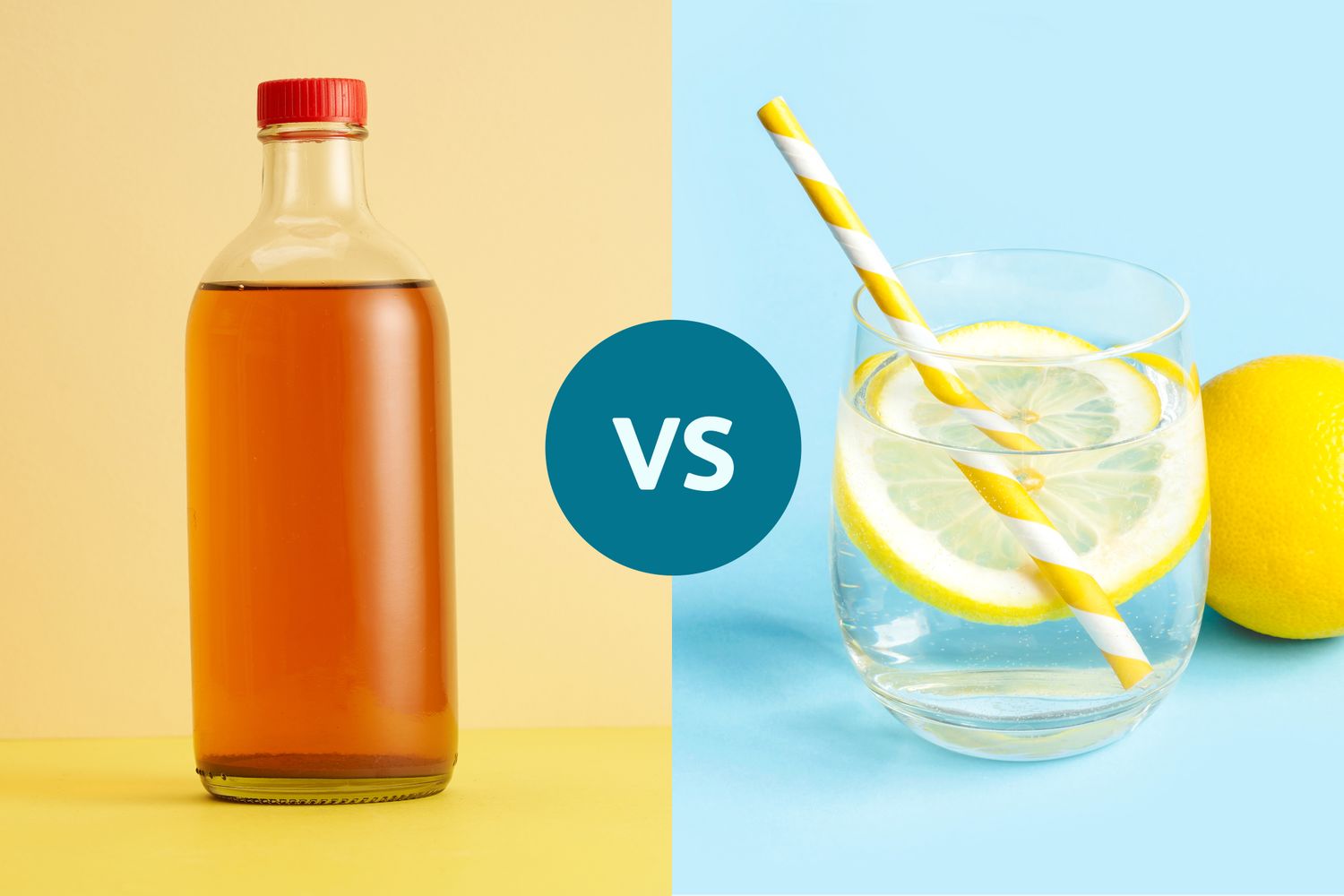
The Core Difference: Acetic Acid vs. Citric Acid
From a nutritionist’s perspective, the primary distinction between these two popular wellness tonics lies in their chemical composition. Apple cider vinegar is a fermented product. During the fermentation process, sugars from apples are converted into ethanol and then into acetic acid by specific bacteria. This acetic acid is the "magic ingredient" responsible for most of the clinical benefits associated with vinegar. If you choose an unfiltered version, you will also see a cloudy substance known as The Mother, which contains proteins, enzymes, and friendly bacteria that support the gut microbiome.
Lemon water, on the other hand, is a citrus-based infusion. It relies on citric acid and ascorbic acid (vitamin C). While lemon water does not undergo fermentation and therefore lacks probiotics, it provides a significant concentration of antioxidants that neutralize free radicals in the body. Citric acid is also known to help prevent certain types of kidney stones by increasing urine citrate levels.
The way these acids interact with your body differs significantly. Acetic acid has the unique ability to slow down the rate at which the stomach empties its contents into the small intestine. This delayed gastric emptying is a key factor in how ACV helps you feel full longer. Citric acid doesn't have the same effect on gastric emptying, but it plays a vital role in the Krebs cycle, the process our cells use to generate energy. Understanding these lemon water vs apple cider vinegar nutritional benefits helps you tailor your choice to what your body needs at any given moment.
For Blood Sugar & Metabolism: The ACV Edge
If your primary goal is metabolic health, apple cider vinegar is the clear winner. Clinical research consistently highlights the role of acetic acid in improving how our bodies handle carbohydrates. When you consume ACV before or during a high-carb meal, the acetic acid interferes with the enzymes that break down starch. This results in a slower release of sugar into the bloodstream.
In a clinical study involving 120 participants with type 2 diabetes, researchers found that consuming 20 ml of apple cider vinegar daily for 12 weeks reduced fasting blood glucose levels by approximately 0.8 mmol/L. Furthermore, other studies have shown that ACV can increase insulin sensitivity by as much as 34% in individuals with insulin resistance. This makes it an invaluable tool for managing postprandial glucose spikes.
For those focused on apple cider vinegar vs lemon water for weight loss, the metabolic advantages of vinegar are hard to ignore. By stabilizing blood sugar, ACV helps prevent the insulin spikes that signal the body to store fat. It also aids in appetite suppression, making it easier to stick to a calorie-controlled eating plan. While lemon water is a great low-calorie alternative to sugary juices, it does not possess the same specific biochemical mechanism to alter the metabolic response to a meal.
For Digestion & Hydration: The Lemon Water Advantage
While ACV takes the lead in metabolism, lemon water shines when it comes to digestive comfort and electrolyte balance. Drinking warm lemon water in the morning is a time-honored tradition for a reason. The citric acid in lemons stimulates the secretion of gastric acid and bile production. Bile is essential for the emulsification and digestion of fats, which can prevent that heavy, bloated feeling after a meal.
Hydration is another area where lemon water excels. Many people find plain water unappealing, leading to chronic mild dehydration. Adding lemon provides a burst of flavor along with potassium, an essential mineral for maintaining proper fluid balance and nerve function. This makes lemon water vs apple cider vinegar for hydration support a frequent topic in my consultations; I usually recommend lemon water for those who struggle to meet their daily fluid goals.
There is also a common myth that lemon water has an alkalizing effect on the body. While lemons are acidic outside the body, their metabolites are alkaline once processed by the kidneys. While this doesn't "change your blood pH" (which the body regulates strictly on its own), it can affect the pH of your urine, potentially providing a protective effect against calcium oxalate stones.
Specific Use Cases: Fasting, Morning Routine, & Skin
Many of my clients ask about drinking apple cider vinegar vs lemon water in the morning to jumpstart their day. If you are prone to morning sluggishness or want to prep your digestive tract for breakfast, lemon water is a gentle, refreshing choice. However, if you are planning a carbohydrate-heavy breakfast like oatmeal or toast, a diluted shot of ACV may be more effective at keeping your energy levels stable.
For those practicing apple cider vinegar vs lemon water during intermittent fasting, both options are excellent. Since one tablespoon of ACV is only 3 calories and half a lemon is only 6 calories, neither will "break" your fast in a way that impacts autophagy or fat burning. ACV might be slightly more beneficial during a fast because it can help suppress the hunger hormones that often peak mid-morning.
When we look at apple cider vinegar vs lemon water for skin and acne, the benefits are two-fold. Lemon water provides the vitamin C necessary for collagen synthesis, which keeps skin firm and helps repair damage from UV exposure. ACV is sometimes used topically as a toner to balance skin pH and kill acne-causing bacteria, though I always caution clients to dilute it heavily to avoid chemical burns. Internally, the gut-health benefits of ACV's probiotics can also lead to clearer skin by reducing systemic inflammation.
If you can't decide, you might wonder how to mix apple cider vinegar and lemon water together. This is actually a strategy I often recommend. By combining one tablespoon of ACV with the juice of half a lemon in a large glass of water, you get the blood sugar benefits of acetic acid along with the vitamin C and refreshing taste of the lemon.
Safety & Side Effects: Protecting Your Enamel
As effective as these drinks are, they are not without risks. The high acidity of both lemon juice and vinegar can be hard on your body if not handled correctly. The most significant concern is apple cider vinegar vs lemon water tooth enamel erosion. Constant exposure to acid softens the enamel, leading to sensitivity, yellowing, and cavities over time.
To enjoy these beverages safely, follow this nutritionist-approved safety protocol:
- Dilute Heavily: Never drink ACV or straight lemon juice as a "shot." Use a 1:10 dilution ratio—at least 8 ounces of water for every tablespoon of vinegar or juice.
- Use a Straw: This minimizes the contact the acidic liquid has with your front teeth.
- Rinse Immediately: After finishing your drink, rinse your mouth with plain, room-temperature water to neutralize the acid.
- Timing Matters: Do not brush your teeth for at least 30 minutes after consuming acidic drinks, as the enamel is temporarily softened and can be "brushed away."
- Consult Your Doctor: If you are taking medication for diabetes (like insulin) or high blood pressure (like diuretics), speak with a healthcare professional. ACV can sometimes lower potassium levels or interact with how these drugs work.
Expert Insight: "While ACV is a helpful tool for glucose management, it is not a replacement for medication. Always monitor your levels closely when adding fermented tonics to your routine." — Dr. Emily Johnson, Nutrition & Diet Editor
FAQ
Is apple cider vinegar or lemon water better for weight loss?
Apple cider vinegar typically has a stronger edge for weight loss because acetic acid specifically targets appetite suppression and metabolic health. By slowing gastric emptying and improving insulin sensitivity, it helps regulate the hormones that control hunger and fat storage. Lemon water is a helpful secondary tool as it provides a low-calorie replacement for sugary drinks and ensures you stay hydrated, which is essential for a high-functioning metabolism.
Can you mix apple cider vinegar and lemon water together?
Yes, you can absolutely mix them. In fact, combining the two can provide a broader spectrum of nutrients. The lemon juice helps mask the strong, pungent taste of the vinegar, while the vinegar adds a metabolic boost that lemon water lacks. Just ensure you maintain a high water-to-acid ratio to protect your stomach lining and tooth enamel.
What are the benefits of drinking apple cider vinegar vs lemon water in the morning?
Drinking lemon water in the morning is primarily about hydration, vitamin C replenishment, and stimulating bile production for digestion. Drinking apple cider vinegar in the morning is more focused on preparing your body for the glycemic load of your first meal. If you struggle with morning hunger or blood sugar dips, ACV is the better choice; if you want a gentle "wake-up" for your digestive system, lemon water is ideal.
Is lemon water or apple cider vinegar better for digestion?
It depends on the digestive issue. Lemon water is generally better for stimulating the gallbladder and liver to produce bile, which helps break down fats. Apple cider vinegar is often better for those with low stomach acid or those looking to support their gut microbiome with the probiotics found in versions containing The Mother. However, for those with acid reflux or stomach ulcers, both should be used with extreme caution.
Does apple cider vinegar or lemon water damage tooth enamel more?
Both have the potential to cause significant damage because they are highly acidic. Apple cider vinegar has a lower pH (more acidic) than lemon water in its undiluted form. However, because most people use a larger volume of lemon juice compared to the standard one-tablespoon serving of ACV, the risk to apple cider vinegar vs lemon water tooth enamel is roughly equal. The key to prevention is always dilution and using a straw.
The Final Verdict
In the debate of apple cider vinegar vs lemon water, there is no need to pick a single winner. Think of them as different tools in your nutritional toolbox. Use apple cider vinegar when you need to manage your blood sugar, reduce cravings, or support your metabolism before a meal. Reach for lemon water when you need to hydrate, boost your vitamin C intake, or support your liver's natural detoxification processes.
As a Nutrition Editor, I advocate for a "food first" approach. Neither of these drinks will compensate for a diet high in processed sugars or a lack of physical activity. However, as part of a balanced, evidence-based lifestyle, these simple tonics can provide the small, daily advantages that lead to long-term health success. Always remember to listen to your body and prioritize safety by diluting these potent acids every time you drink them.