Quick Facts
- Protein Winner: Peanut butter provides approximately 8 grams per serving, making it slightly superior for those prioritizing plant-based protein for muscle repair.
- Fiber Champion: Almond butter contains nearly double the amount of fiber found in peanut butter, supporting better digestion and satiety.
- Micronutrient Density: Almond butter offers nearly three times as much vitamin E and seven times more calcium per serving than its peanut-based counterpart.
- Heart Health: Almond butter is generally considered the healthiest nut butter for heart health due to its higher concentration of monounsaturated fats.
- Metabolic Support: Both options have a low glycemic index, but almond butter is often preferred for a keto diet and managing blood sugar levels.
- Cost and Accessibility: Peanut butter remains the more affordable and widely available option for households on a budget.
Almond vs Peanut Butter? While both are nutritional powerhouses, they offer unique benefits for weight loss, heart health, and muscle growth. Almond butter and peanut butter offer similar caloric values but differ in micronutrient density; almond butter is higher in vitamin E and fiber, while peanut butter leads in protein and B vitamins.
Nutritional Breakdown: Calories and Macros
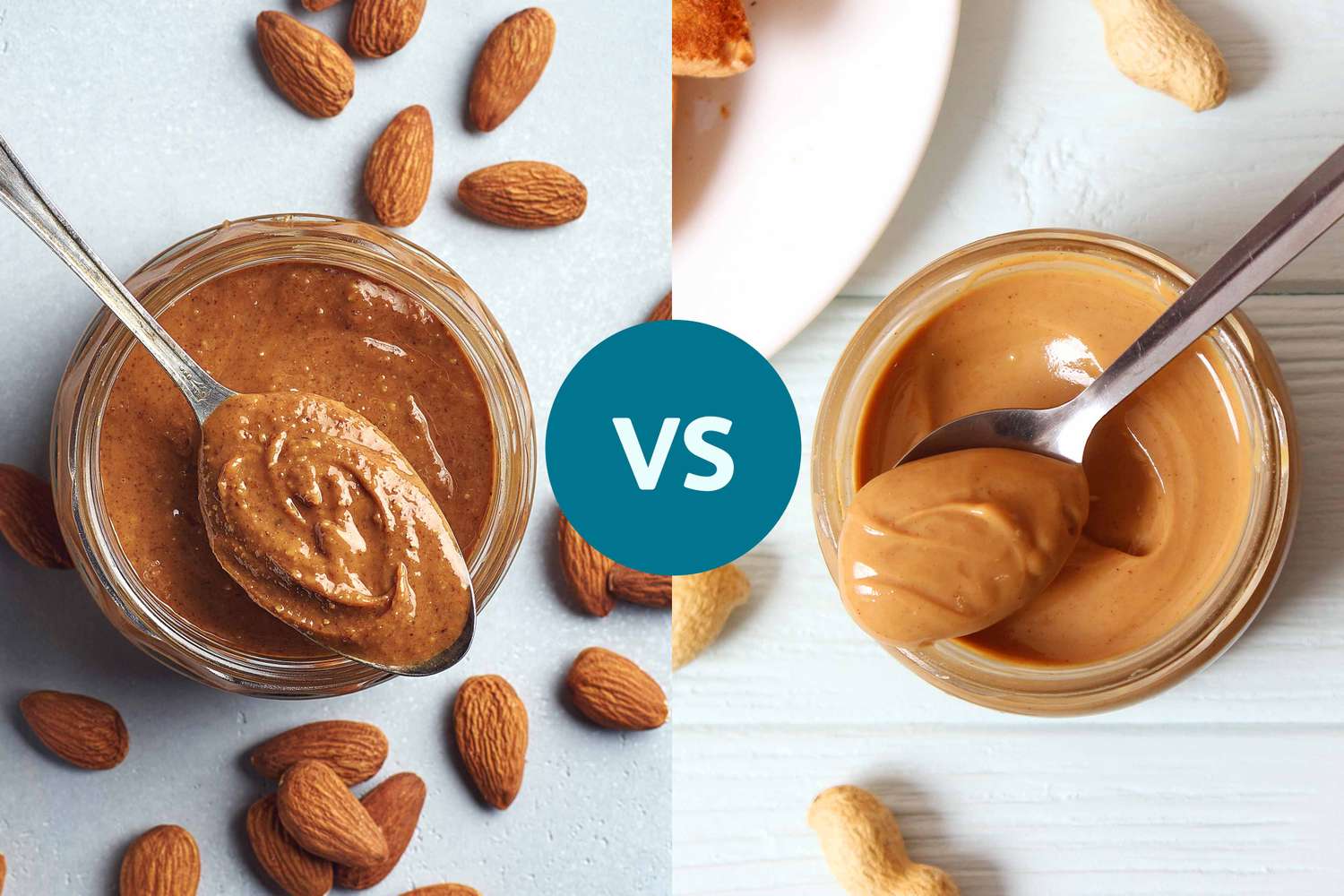
When we look at the core nutritional profile of these two spreads, the similarities are striking at first glance. A standard two-tablespoon serving of either will land you between 190 and 200 calories. For most people, this means neither is "lighter" in the traditional sense. However, as a nutrition editor, I always encourage looking past the calorie count to the quality of the macros.
The fundamental difference begins with their biological classification. Peanuts are legumes—seeds that grow in pods underground—whereas almonds are true tree nuts. This distinction influences their fat and protein profiles. Peanut butter usually provides about 8 grams of protein per serving. If you are analyzing almond vs peanut butter protein for muscle growth, peanut butter holds a slight edge. However, it also contains about twice the saturated fat of almond butter, with 2.8 grams compared to 1.4 grams.
Almond butter, while slightly lower in protein at 7 grams, compensates with a superior fat profile. It is richer in monounsaturated fats, the same heart-healthy fats found in olive oil. When considering the nutritional benefits of almond vs peanut butter, the choice often comes down to whether you prioritize raw protein power or a more favorable ratio of unsaturated fats.
| Nutrient (per 2 tbsp) | Almond Butter | Peanut Butter | Winner |
|---|---|---|---|
| Calories | 196 | 188 | Tie |
| Protein | 7g | 8g | Peanut Butter |
| Fiber | 3.3g | 1.6g | Almond Butter |
| Saturated Fat | 1.4g | 2.8g | Almond Butter |
| Vitamin E | 7.7mg | 2.9mg | Almond Butter |
| Magnesium | 89mg | 49mg | Almond Butter |
The Micronutrient Gap: Why Almond Butter Wins on Vitamins
If we move the conversation from macros to micros, the gap between these two options widens significantly. One of the primary nutritional benefits of almond vs peanut butter is the sheer density of vitamins and minerals found in the almond.
Almonds are an exceptional source of alpha-tocopherol, the most active form of vitamin E in the human body. This potent antioxidant helps protect your cells from oxidative stress and plays a crucial role in immune function. When we look at vitamin E and magnesium levels in almond vs peanut butter, almond butter provides about three times as much vitamin E. This makes it a superior choice for those interested in almond butter vs peanut butter for hair and skin health, as vitamin E is vital for maintaining the integrity of cell membranes and protecting skin from UV damage.
The magnesium content in almond butter is also nearly double that of peanut butter. Magnesium is a workhorse mineral, involved in over 300 biochemical reactions, including blood pressure regulation and bone health. For individuals focused on bone density, almond butter also provides seven times more calcium than peanut butter.
However, peanut butter should not be dismissed. It is a fantastic source of B vitamins, particularly niacin (vitamin B3) and folate. Niacin is essential for converting food into energy and maintaining the health of the nervous system. Peanut butter also provides selenium, a mineral that supports thyroid function and plays a key role in DNA synthesis.
Weight Loss and Metabolic Health: Satiety and GI Scores
For many of my readers, the deciding factor is often almond butter vs peanut butter for weight loss. Success in weight management is rarely about calories alone; it is about satiety—the feeling of fullness that prevents overeating later in the day.
This is where almond butter takes the lead. Almond butter contains approximately 3.3 grams of fiber per serving, while peanut butter offers only 1.6 grams. Fiber slows down digestion and the absorption of nutrients, which keeps you feeling full for longer. This high fiber content, combined with healthy fats, makes almond butter a staple for those wondering is almond butter better than peanut butter for keto. In a ketogenic diet, keeping net carbs low while maximizing satiety is key, and the extra fiber in almonds helps achieve this.
Metabolic health also depends on how a food affects your blood sugar. When evaluating almond butter vs peanut butter for diabetes and blood sugar, both perform well. They both have a low glycemic index, meaning they do not cause rapid spikes in blood glucose. Almond butter has a glycemic index near zero, while peanut butter typically ranges from 7 to 23 depending on the brand. The higher magnesium levels in almond butter further assist in insulin sensitivity, making it a slightly better therapeutic choice for managing type 2 diabetes.
Heart Health and Inflammation
Cardiovascular wellness is another area where these nut butters are frequently compared. Most experts agree that almond butter is the healthiest nut butter for heart health. The reason lies in the type of fats it contains. Almond butter is exceptionally high in monounsaturated fats, which have been shown to help lower LDL cholesterol—the "bad" cholesterol that contributes to plaque buildup in the arteries.
Inflammation is another piece of the heart health puzzle. While both nut butters contain polyunsaturated fats, they differ in their omega-6 to omega-3 ratios. Modern diets are often too high in omega-6 fatty acids, which can be pro-inflammatory if not balanced with omega-3s. Almonds tend to have a slightly better profile in this regard, though neither should be relied upon as a primary source of omega-3s (look to walnuts or flaxseeds for that).
Replacing saturated fats with the monounsaturated fats found in almond butter is a proven dietary strategy for reducing cardiovascular risk. While peanut butter is still a heart-healthy food—especially compared to processed snacks—almond butter is the more optimized choice for those with a family history of heart disease.
Safety and Sustainability: Aflatoxins vs Water Footprint
There are a few "hidden" factors that health-conscious consumers often ask me about. One is the presence of aflatoxins in peanut butter. Aflatoxins are toxins produced by certain molds that can grow on crops like peanuts, which are stored in warm, humid environments. While this sounds alarming, the FDA strictly monitors aflatoxin levels in the United States to ensure they remain well within safe limits. If you are concerned, choosing major brands or organic options often further reduces the risk, as they utilize rigorous testing protocols.
On the environmental side, the comparison shifts. Almonds are a notoriously water-intensive crop. It takes roughly one gallon of water to produce a single almond. Most of the world's almonds are grown in California, a region prone to drought. Peanuts, being legumes, have a much smaller water footprint and actually improve soil health by fixing nitrogen. For the conscientious consumer, the choice might not just be about personal health, but about the health of the planet.
The 'Gold Standard' Shopping Guide
Regardless of which side of the Almond vs Peanut Butter debate you land on, the health benefits are entirely dependent on the quality of the product you buy. Many commercial brands "improve" their nut butters by adding ingredients that negate their natural health benefits.
To find the gold standard of nut butter, follow this checklist:
- The Two-Ingredient Rule: The ingredient list should ideally contain only "nuts" and "salt."
- Avoid Hydrogenated Oils: These are added to prevent separation but introduce trans fats or high levels of saturated fats that harm heart health.
- No Added Sugars: Many brands add cane sugar, molasses, or high fructose corn syrup. A healthy nut butter does not need added sweeteners.
- Check the Oil Top: If you see a layer of oil at the top of the jar, it is actually a good sign. It means the manufacturer hasn't added stabilizers or palm oil to keep the mixture emulsified.
You may notice that almond butter is consistently more expensive than peanut butter. This is due to several factors, including lower crop yields per acre, higher water requirements, and the fact that almonds are tree nuts rather than more easily farmed legumes. While the price point of almond butter is higher, the micronutrient density often justifies the investment for those who can afford it.
FAQ
Is almond butter healthier than peanut butter?
While both provide significant health benefits, almond butter is generally considered slightly healthier due to its higher fiber content, lower saturated fat, and significantly higher levels of vitamin E and magnesium. It offers more micronutrients per calorie than peanut butter.
Which has more protein, almond butter or peanut butter?
Peanut butter contains slightly more protein, offering about 8 grams per serving compared to the 7 grams found in almond butter. This makes peanut butter a popular and cost-effective choice for those looking to increase plant-based protein intake.
Is almond butter better for weight loss than peanut butter?
Almond butter may be more effective for weight loss because it contains double the fiber of peanut butter. This extra fiber promotes satiety, helping you feel full longer and potentially reducing overall calorie intake throughout the day.
Why is almond butter more expensive than peanut butter?
Almond butter is more expensive because almonds are more difficult and resource-intensive to grow. They require significantly more water than peanuts and are susceptible to weather changes, which drives up production costs.
Which nut butter has the least amount of saturated fat?
Almond butter has the least amount of saturated fat, containing roughly 1.4 grams per serving. Peanut butter contains about double that amount, usually around 2.8 grams per serving, though both are still considered healthy choices when consumed in moderation.