Quick Facts
- Protein King: Quinoa is a rare plant-based complete protein source containing all nine essential amino acids.
- Iron Powerhouse: A 100-gram serving of teff provides 37% of the Daily Value for iron, far exceeding unenriched wheat.
- Calcium Leader: Finger millet is the top cereal source for calcium, offering 13% of the Daily Value per 100 grams.
- Heart Hero: Buckwheat is exceptionally rich in rutin, an antioxidant that supports cardiovascular health and blood flow.
- Gut Health: Sorghum and amaranth are packed with prebiotic fiber that feeds beneficial gut bacteria.
- Culinary Tip: Most ancient gluten-free grains benefit from a five-minute rest after cooking to achieve a light, fluffy texture.
Nutrient-dense gluten-free grains like quinoa, amaranth, and teff offer essential amino acids, fiber, and minerals that are often missing from modern processed diets. These ancient grains provide a superior micronutrient profile compared to refined alternatives, supporting a balanced plant-based or Celiac-friendly diet by delivering high concentrations of iron, calcium, and antioxidants.
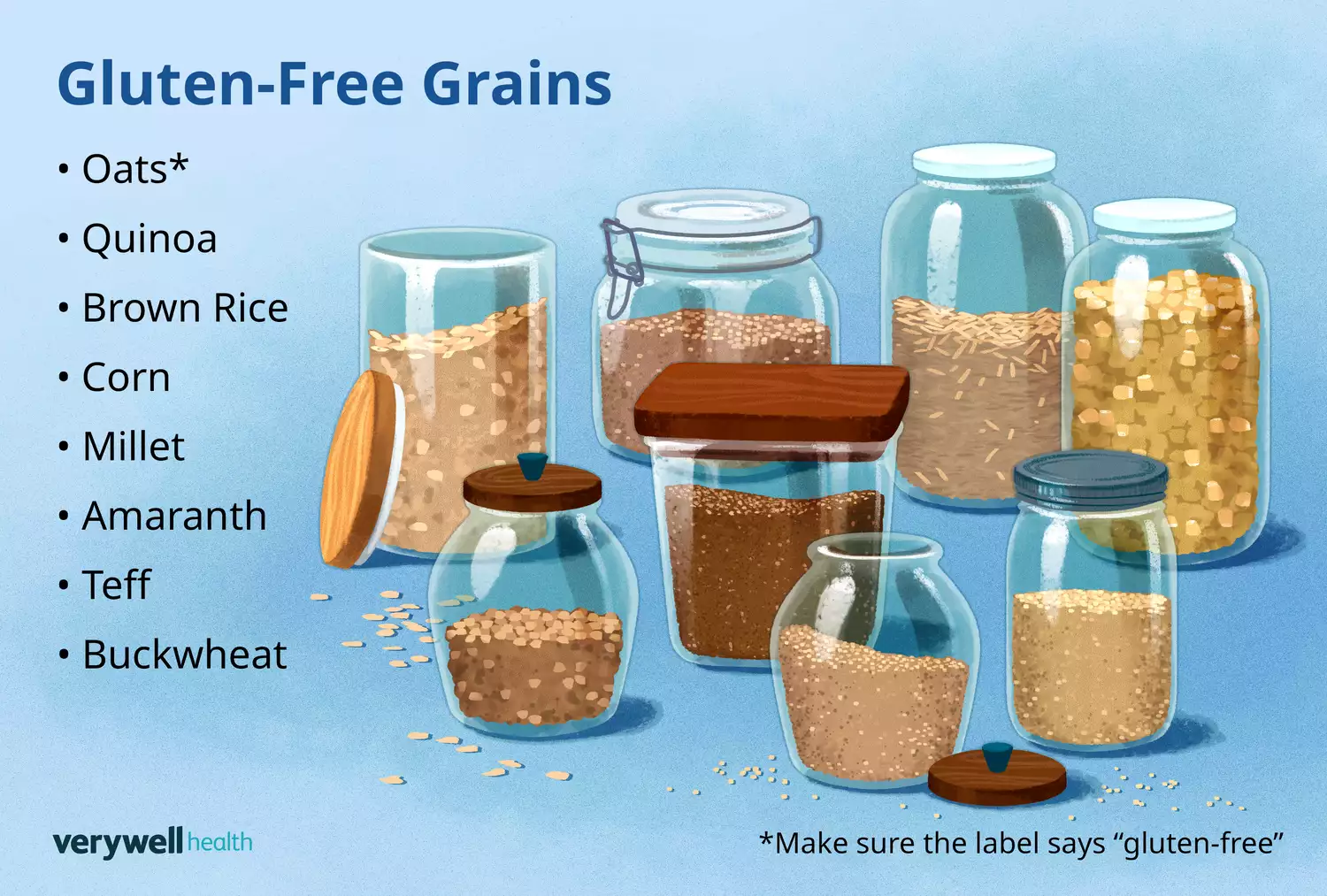
When many people first transition to a gluten-free lifestyle, they often lean heavily on refined rice flour or cornstarch. While these are safe for Celiac disease, they lack the nutritional complexity required for optimal health. As a nutrition editor, I always encourage my readers to look toward ancient grains. These hardy crops have remained largely unchanged for millennia, preserving the nutritional benefits of ancient gluten-free grains that our ancestors relied upon.
By diversifying your pantry with these options, you are not just avoiding gluten; you are actively fueling your body with slow-release carbohydrates and anti-inflammatory compounds. Let’s explore the eight best options you should be eating today.
The Complete Protein Trio: Quinoa, Amaranth, and Buckwheat
In the world of plant-based nutrition, protein quality is just as important as quantity. While most grains are low in the amino acid lysine, this trio breaks the mold. These are technically classified as pseudo-cereals, meaning they are seeds consumed like grains but do not grow on grasses.
Quinoa
Quinoa is often called the gold standard of gluten-free grains because its biological value is comparable to cow's milk. It provides a balanced ratio of all essential amino acids, making it a vital staple for vegetarians and vegans. Beyond protein, quinoa is an excellent source of manganese and phosphorus, which are necessary for bone health and energy production. Its mild, slightly nutty flavor makes it the perfect base for nutrient-rich grain bowls.
Amaranth
Once a staple of the Aztec empire, amaranth is a tiny seed with a massive nutritional footprint. It is among the gluten-free grains with highest protein content, but its real claim to fame is its mineral density. Amaranth contains approximately 298mg of calcium per cooked cup, supporting skeletal strength. Because it has a slightly peppery taste and a gelatinous texture when cooked with excess water, it works beautifully in porridges or as a thickener for stews.
Buckwheat
Despite the name, buckwheat is entirely unrelated to wheat and is naturally gluten-free. It is a powerhouse for cardiovascular support thanks to high levels of rutin, a phytonutrient that helps strengthen blood vessels. Its nutty, earthy profile is distinct and hearty. Buckwheat also offers a high level of bioavailability, meaning your body can easily absorb and use the nutrients it contains.
Mineral Giants: Teff and Millet
If you struggle with fatigue or are looking to support your bone density, teff and millet should be at the top of your grocery list. These small-seeded grains are common in African and Asian cuisines and offer some of the most impressive statistics in the cereal world.
Teff
Teff may be the world's smallest grain, but its nutritional value of GF grains is unmatched in the iron department. For individuals managing Celiac disease, who are often prone to anemia due to malabsorption issues, teff is a game-changer. While 100 grams of unenriched wheat flour contains only 5% of your daily iron needs, the same amount of teff flour provides roughly 37% of the Daily Value for iron. It is also remarkably high in vitamin C, which further aids in iron absorption.
Millet
Millet is a versatile, alkaline-forming grain that is easy on the digestive system. Specifically, finger millet stands out as a calcium leader. It provides essential minerals that support metabolic function and nerve signaling. Its texture can be varied depending on how much water you use; it can be light and fluffy like couscous or creamy like mashed potatoes.
| Grain | Key Nutrient | Primary Benefit | Flavor Profile |
|---|---|---|---|
| Quinoa | Complete Protein | Muscle repair and energy | Nutty and mild |
| Teff | Iron | Oxygen transport and energy | Earthy and cocoa-like |
| Millet | Calcium | Bone strength | Mild and corn-like |
| Buckwheat | Rutin (Antioxidant) | Heart health | Robust and toasty |
Fiber and Digestive Stars: Sorghum, Wild Rice, and Oats
Gut health is the foundation of overall wellness. A diverse intake of gluten-free grains like sorghum and wild rice promotes gut health through prebiotic fiber, which feeds the "good" bacteria in your microbiome.
Sorghum
Sorghum is a drought-resistant ancient grain that is gaining popularity for its rich antioxidant profile. It is packed with phenolic compounds that have been linked to lower levels of inflammation. Because sorghum has a hearty, chewy texture similar to berries, it holds up well in cold salads and doesn't get mushy when reheated, making it ideal for gluten-free grain bowl meal prep ideas.
Wild Rice
Wild rice is actually a semi-aquatic grass native to North America. It is superior to white or brown rice in terms of protein and fiber content. The dark pigment in the bran of wild rice indicates the presence of anthocyanins, the same antioxidants found in blueberries. These compounds help protect cells from oxidative stress and support eye health.
Oats
Oats are a complicated topic in the gluten-free community. While oats themselves do not contain gluten, they are frequently cross-contaminated with wheat during processing. To ensure they are Celiac-safe, you must only purchase oats that are specifically labeled and certified gluten-free. When sourced correctly, oats provide beta-glucan, a unique type of soluble fiber known to lower cholesterol and stabilize blood sugar.
Culinary Mastery: Cooking and Meal Prep Tips
Cooking gluten-free whole grains is an art that involves more than just boiling water. To maximize the health benefits of ancient grains, you must consider bioavailability. I often recommend soaking and sprouting grains before cooking. This process reduces phytic acid, an "anti-nutrient" that can bind to minerals and prevent your body from absorbing them.
For the perfect texture, follow these liquid-to-grain ratios and cooking times:
- Quinoa: 1.75 cups liquid to 1 cup grain. Simmer for 15 minutes.
- Millet: 2 cups liquid to 1 cup grain. Simmer for 20 minutes.
- Amaranth: 3 cups liquid to 1 cup grain. Simmer for 20 minutes.
- Sorghum: 3 cups liquid to 1 cup grain. Simmer for 45-60 minutes (or use a pressure cooker).
- Buckwheat: 2 cups liquid to 1 cup grain. Simmer for 15-20 minutes.
The most important step in how to cook gluten-free whole grains properly is the "rest." Once the liquid is absorbed, remove the pot from the heat and let it sit undisturbed, covered, for at least five minutes. This allows the steam to finish the cooking process evenly, preventing the grains from becoming gummy.

FAQ
What are the most common gluten-free grains?
The most widely used gluten-free grains include corn, rice, and oats. However, for better nutritional density, health experts recommend incorporating ancient varieties like quinoa, sorghum, millet, and teff, which offer more fiber and essential minerals than refined corn or white rice.
Is oats considered a gluten-free grain?
Pure oats are naturally gluten-free, but they are often grown and processed alongside wheat, barley, and rye. This leads to significant cross-contamination. For those with Celiac disease, it is critical to only consume oats that are certified gluten-free to ensure safety.
What are the healthiest gluten-free grains?
The healthiest options are those that remain in their whole-grain form. Quinoa, teff, and amaranth are frequently cited as the best choices because of their high protein content, exceptional mineral profiles (specifically iron and calcium), and the presence of anti-inflammatory antioxidants.
Is quinoa a gluten-free grain or a seed?
Quinoa is botanically a seed from the Chenopodium quinoa plant, which makes it a pseudo-cereal rather than a true cereal grain (which comes from grasses). However, because it is cooked and used in culinary applications exactly like a grain, it is categorized as a gluten-free whole grain in most dietary contexts.
Are buckwheat and millet gluten-free?
Yes, both buckwheat and millet are naturally gluten-free. Despite its confusing name, buckwheat contains no wheat and is a seed related to rhubarb. Millet is a group of small-seeded grasses that are staple crops in many parts of the world and are completely safe for a gluten-free diet.
How do you cook gluten-free grains properly?
The key is to rinse the grains in cold water first to remove any bitter coatings. Use the correct water-to-grain ratio, bring the liquid to a boil, then reduce to a low simmer with the lid on. Crucially, allow the grains to rest off the heat for five minutes after the water is absorbed before fluffing them with a fork.
I encourage you to step out of your comfort zone this week. Choose one grain from this list that you have never tried before—perhaps the iron-rich teff or the heart-healthy buckwheat—and use it as the base for your next meal. Building a diverse diet is the most effective way to ensure you are receiving the full spectrum of vitamins and minerals your body needs to thrive. For more evidence-based eating plans, consider signing up for a gluten-free meal planning newsletter.