[Jump to Recipe]
Quick Facts
- Financial Value: Preparing a home-cooked meal costs an average of $4.31 per serving, while takeout costs upwards of $20.
- Speed Profile: This soba noodle recipe takes 4 to 5 minutes of active cooking time, rivaling any delivery app.
- Nutritional Density: Buckwheat noodles provide 6 to 7 grams of protein per cup and contain all nine essential amino acids.
- Technique Secret: A thorough cold water rinse is the non-negotiable step to achieve a perfect al dente texture.
- Dietary Flexibility: Easily adaptable for gluten-free diets by choosing 100 percent buckwheat varieties.
- Pantry Strategy: Uses basic kitchen staples like soy sauce, mirin, and sesame oil for a complex umami flavor.
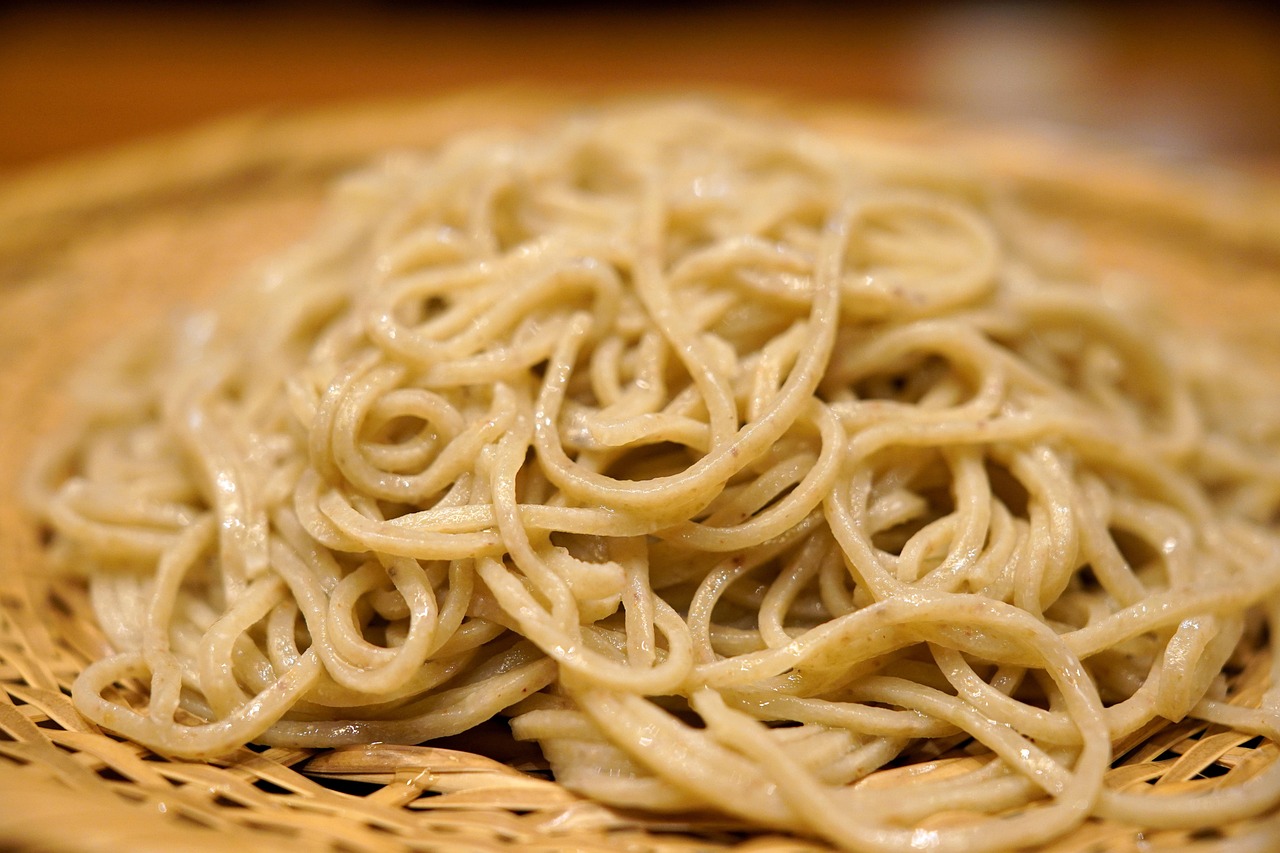
To prepare a quick soba noodle recipe, boil buckwheat noodles in salted water for 4 to 5 minutes until tender. Immediately drain and rinse them in cold water to stop the cooking process and remove excess starch. Toss the noodles with sesame oil to prevent sticking and combine with a dressing of mirin, soy sauce, and fresh ginger for a fast, savory meal.
Stop Overpaying: The 5-Minute Takeout Alternative
We have all been there. It is 6:00 PM on a Tuesday, the fridge looks sparse, and the convenience of a delivery app feels like the only solution. However, that convenience comes at a staggering cost. Financial research indicates that United States adults spend an average of $2,841.12 annually on restaurants and takeout. While many cite a lack of time for meal preparation as the primary driver of this spending, most are unaware that a nutrient-dense, restaurant-quality meal can be assembled in less time than it takes for a driver to reach your door.
When you break down the numbers, the argument for cooking at home becomes undeniable. The average cost per serving of a home-cooked meal is approximately $4.31, whereas the average cost of eating out is more than four times higher at $20.37. This 5 minute soba noodle recipe for busy weeknights is designed specifically to bridge the gap between financial wellness and nutritional needs. By utilizing a quick buckwheat noodle recipe, you are not just saving money; you are fueling your body with a complex carbohydrate that offers sustained energy without the heavy sodium loads found in typical restaurant dishes.
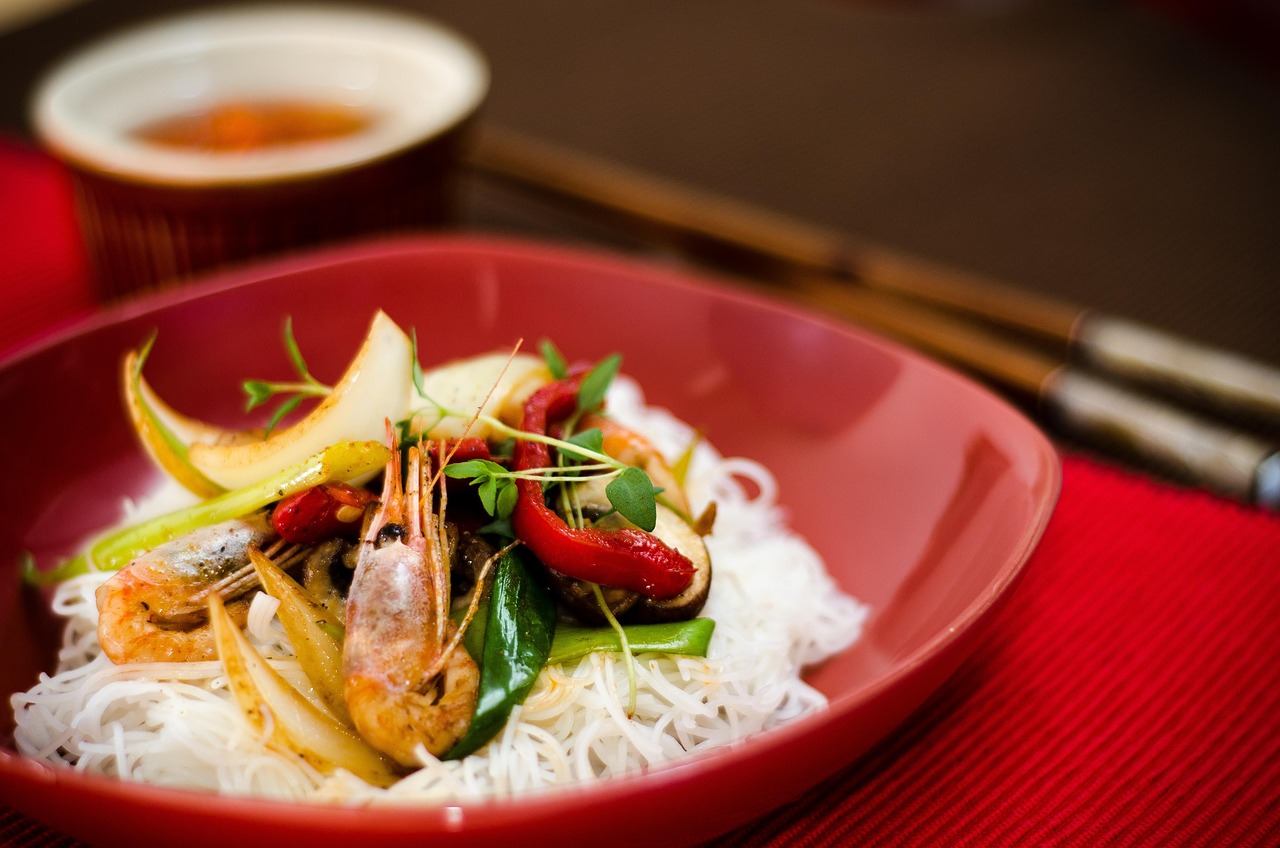
This budget friendly soba noodle recipes cheaper than takeout strategy focuses on high-impact Japanese cuisine staples that last for months in your pantry. By mastering a few simple techniques, you can transform a handful of dry noodles into a sophisticated cold soba salad with sesame dressing that satisfies the palate and the wallet simultaneously.
The Technical Secret: Why Your Soba Usually Sticks
Soba noodles are unique in the world of pasta. Unlike Italian wheat pasta, which relies on gluten for structure, buckwheat noodles are made from a pseudo-cereal that behaves differently in boiling water. If you have ever ended up with a gummy, tangled mess, it is likely because you treated them like spaghetti. Understanding the science of starch is the first step in learning how to prevent soba noodles from sticking after cooking.
When buckwheat hits boiling water, it releases a significant amount of surface starch. To keep the noodles separate, you must use a large pot of water and begin stirring immediately. This agitation prevents the noodles from clumping in the initial stages of hydration. But the most critical step happens after the timer goes off. You must drain the noodles and refresh them in a large bowl of cold water, or under a powerful cold tap.
Expert Tip: The Two-Handed Rinse Do not just let the water run over the noodles in the colander. Immerse them in a cold water bath and use your hands to vigorously "wash" the noodles. This physical rubbing removes the viscous starch layer that causes sticking. Continue until the water runs clear and the noodles feel slick and firm.
This cold water rinse is what preserves the al dente texture that makes Japanese cuisine so revered. Furthermore, the type of noodle you buy matters for both texture and health. While many commercial brands use a blend of buckwheat and wheat flour, traditionalists and those seeking a gluten-free option should look for packages labeled 100 percent buckwheat.
From a nutritional perspective, soba is a powerhouse. It provides 6 to 7 grams of protein per cooked cup and contains all nine essential amino acids that the human body cannot produce on its own. This makes it a superior choice for those looking for a plant-based protein source that doesn't require hours of preparation.
Recipe: 5-Minute Cold Soba Salad with Sesame Dressing
The key to achieving the 5-minute promise is parallel processing. Do not wait for the water to boil to start your prep. Use the time the stove is heating up to whisk your dressing and chop your aromatics. This easy pantry staple soba noodle recipe relies on the balance of salt, acid, and fat to create an intense umami flavor.
Ingredients
- 3 oz (90g) buckwheat noodles
- 1 tbsp soy sauce (or tamari for gluten-free)
- 1 tbsp mirin (Japanese sweet rice wine)
- 1 tsp rice vinegar
- 1 tsp toasted sesame oil
- 1/2 tsp fresh ginger root, grated
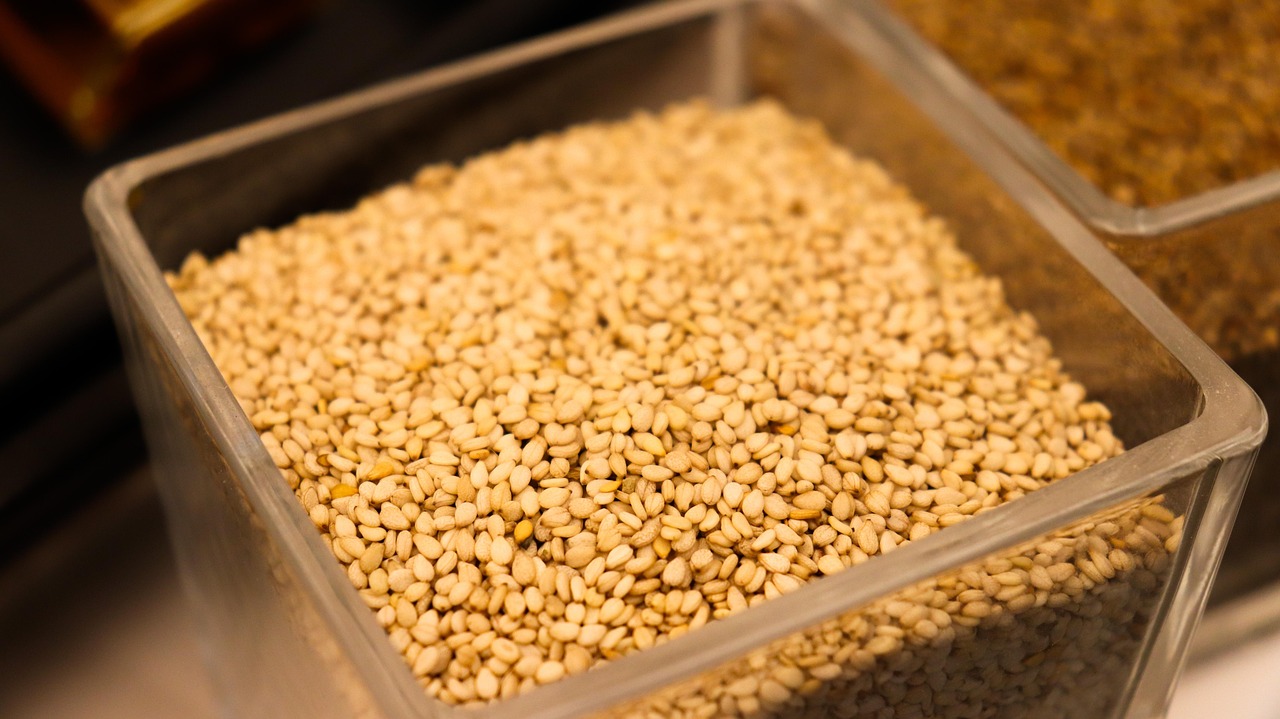
- 1 tsp toasted sesame seeds
- 2 scallions, thinly sliced
- Optional: 1/2 cup edamame or 5 spears of asparagus
Step-by-Step Instructions
- Boil the Water: Fill a large pot with water and bring it to a rolling boil. Do not skip the salt; even though soba has its own nutty flavor, salted water seasons the core of the noodle.
- Whisk the Dressing: While the water heats, combine the soy sauce, mirin, rice vinegar, and toasted sesame oil in a small bowl. Grate the fresh ginger root directly into the mixture. The ginger provides a sharp brightness that cuts through the richness of the sesame.
- The One-Pot Hack: Once the water is boiling, add the noodles. At the 2-minute mark, toss in your blanched asparagus or frozen edamame. They only need a few minutes to become tender-crisp, and cooking them in the same pot saves time and cleanup. This creates healthy vegetarian soba noodles with asparagus and scallions without extra effort.
- The Cold Water Rinse: At the 4-minute mark, test a noodle. It should have a slight "snap" but no raw flour taste in the center. Immediately drain and perform the cold water rinse described in the technical section above.
- Toss and Garnish: Once the noodles are chilled and the starch is removed, shake them dry. Toss immediately with the prepared dressing to ensure the oils coat each strand. Finish with a generous sprinkle of toasted sesame seeds and sliced scallions.
This cold soba salad with sesame dressing and edamame serves as a refreshing, light lunch or a quick dinner that leaves you feeling energized rather than weighed down by the heavy fats often found in takeout noodles.
Customization: Protein Add-ons & Pantry Substitutions
While the base soba noodle recipe is nutritionally complete, you may want to increase the satiety factor or adapt the flavors based on what you have in your kitchen. Creating healthy vegetarian soba noodles is about layering textures. If you have an extra five minutes, pan-fried tofu provides a crispy, meaty contrast to the smooth noodles.
Substitution Matrix
| Current Ingredient | Potential Substitute | Flavor Profile Change |
|---|---|---|
| Mirin | Honey or Maple Syrup | Increases sweetness; use half the amount |
| Rice Vinegar | Lime Juice | Adds a citrusy, Thai-inspired brightness |
| Soy Sauce | Coconut Aminos | Lower sodium; slightly sweeter and soy-free |
| Toasted Sesame Oil | Peanut Butter | Creates a thicker, satay-style sauce |
| Fresh Ginger | Ground Ginger | Milder heat; use a pinch (1/8 tsp) |
For those tracking their macros, adding a plant-based protein like edamame or crispy tofu can easily push this meal toward a 21g protein benchmark, making it a viable meal replacement for athletes or those with high-activity lifestyles.
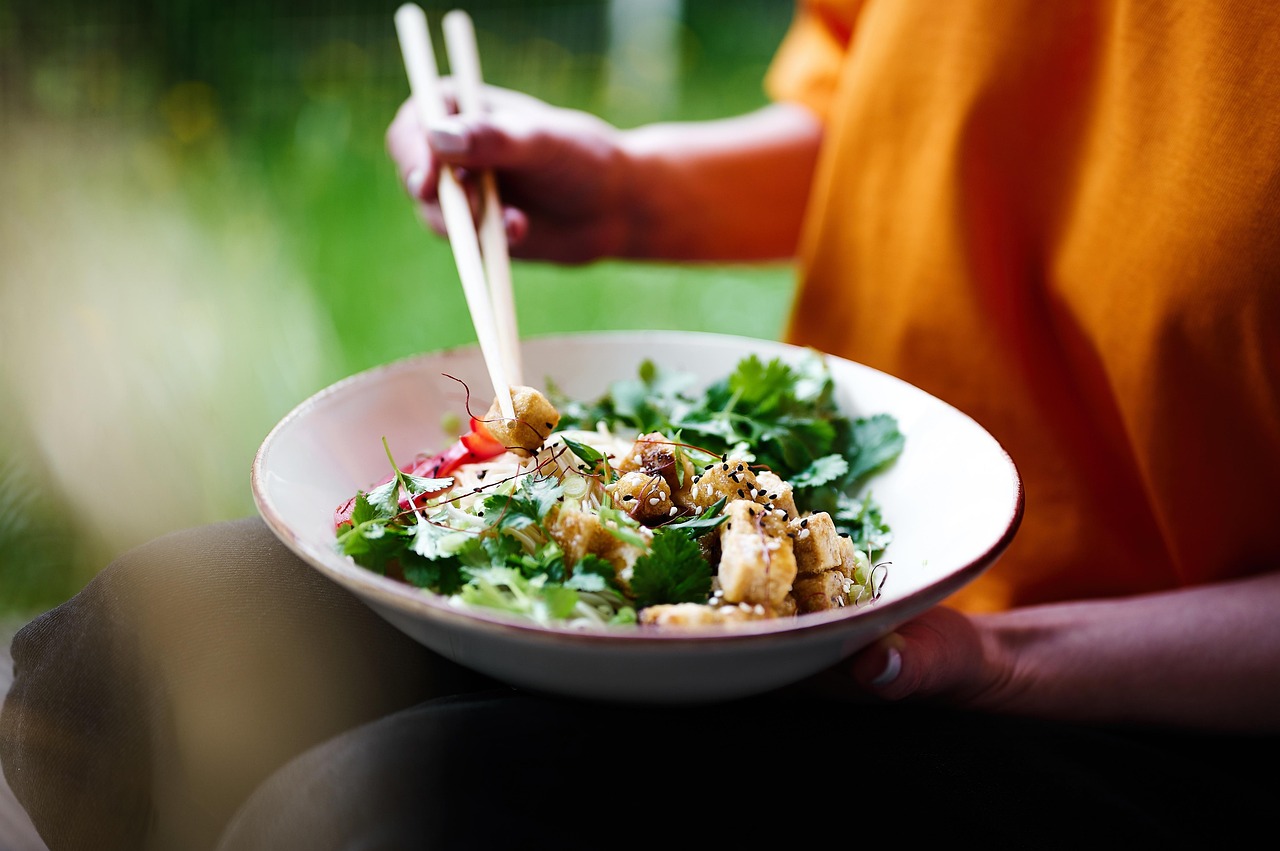
Remember, the beauty of this dish lies in its versatility. If you prefer a warm meal on a cold night, you can skip the cold rinse and toss the noodles directly into a hot broth made from the same dressing ingredients plus some dashi or vegetable stock. However, for the best texture and to truly master the cold soba salad with sesame dressing, the cold-water method remains the gold standard.
FAQ
How long do you cook soba noodles?
Most buckwheat noodles require between 4 and 5 minutes in boiling water. Because they can go from al dente to mushy very quickly, it is best to start testing the texture at the 4-minute mark. The goal is a firm bite that is fully cooked through without being soft.
Are soba noodles gluten-free?
Pure buckwheat is naturally gluten-free; however, many commercial soba brands contain a mix of buckwheat and wheat flour to make the noodles easier to manufacture. To ensure your meal is gluten-free, always check the ingredient label for 100 percent buckwheat or a specific gluten-free certification.
How do you keep soba noodles from getting mushy?
The primary cause of mushy noodles is overcooking or failing to stop the cooking process immediately. To maintain a perfect texture, use a kitchen timer and have a colander and cold water ready before the noodles finish boiling. A vigorous rinse in cold water is the only way to lock in the firm texture.
Can you eat soba noodles hot or cold?
Soba noodles are incredibly versatile and can be enjoyed both ways. In Japan, Zaru Soba is a popular chilled dish served with a dipping sauce, while Kake Soba features the noodles in a hot, savory broth. This specific recipe is optimized for a cold salad, but the noodles themselves work beautifully in either temperature.
Why do you have to rinse soba noodles in cold water?
Rinsing is essential to remove the excess surface starch that is released during the boiling process. If left on the noodles, this starch becomes sticky and gummy as it cools, causing the noodles to clump together. The cold water also shocks the noodles, stopping the internal heat from continuing to cook them past the al dente stage.
By integrating this quick buckwheat noodle recipe into your weekly rotation, you are taking a significant step toward better health and financial freedom. Replacing just one $20 takeout order a week with this $4 home-cooked alternative can save you over $800 a year—money that is much better spent on your next vacation than on delivery fees. Happy cooking!