Quick Facts
- Liquid Ratio: 2:1 for rolled oats; 3:1 or 4:1 for steel-cut oats.
- Setting: Use 'Porridge' or 'White Rice' mode for best results.
- Prep Time: 2 minutes active; 30-45 minutes passive.
- Time Saved: Estimated 15-20 minutes reclaimed each morning.
- Shelf Life: Stays fresh and creamy for up to 3 days refrigerated.
- Protein Booster: 2 tbsp hemp hearts = 6g additional protein.
To cook rice cooker oatmeal, use a 2:1 liquid-to-oats ratio for rolled oats or a 3:1 ratio for steel-cut oats and select the Porridge setting; for meal prep, utilize the delay timer to have hot oats waiting when you wake up. Most cookers will automatically switch to a Warm mode once the liquid is absorbed, ensuring the oats stay creamy and hot until served.
The morning rush is a universal pain point that often compromises our nutritional goals. For many, the choice between a healthy breakfast and an extra ten minutes of sleep is a daily struggle. A national survey revealed that 62 percent of Americans find the process of meal planning to be a significant source of stress in their daily lives. As a nutrition editor, I am constantly looking for ways to bridge the gap between rigorous health standards and the reality of a busy schedule. This is where the humble rice cooker becomes an essential tool for passive cooking. By transforming this countertop appliance into a dedicated porridge station, you can automate your morning routine and ensure a nutrient-dense start to your day without the hands-on labor of stovetop monitoring.
Tip 1: Master the Perfect Texture with Ratio Precision
Achieving the ideal consistency in rice cooker oatmeal requires understanding the unique hydration needs of different oat varieties. Unlike the stovetop, where evaporation occurs rapidly, a rice cooker creates a sealed environment that traps moisture. This means your rice cooker oatmeal ratio must be exact to avoid either a dry, sticky mass or a watery soup. According to 2024 U.S. Bureau of Labor Statistics data, individuals who engage in daily food preparation spend an average of 1.06 hours on meal prep and cleanup. Precision in your initial setup slashes the time spent adjusting textures or cleaning up overflow later.
For rolled oats, which are steamed and flattened, a 2:1 ratio of liquid to grains is the gold standard. This results in a soft but distinct flake. However, if you are looking for long-term satiety and texture integrity, I always recommend steel-cut oats for batch cooking. Steel-cut oats are the whole oat groat chopped into pieces, offering a lower glycemic index and a chewy texture that holds up remarkably well over several days. These require more hydration, typically a 3:1 or even 4:1 creamy rice cooker oatmeal with milk ratio if you prefer a silkier, more porridge-like result.
| Oat Type | Liquid-to-Oat Ratio | Recommended Texture | Benefit |
|---|---|---|---|
| Rolled Oats | 2:1 | Soft & Creamy | Quick cooking, familiar texture |
| Steel-Cut Oats | 3:1 to 4:1 | Chewy & Hearty | High fiber, best for meal prep |
| Quick Oats | 1.5:1 | Smooth | Fast, but can become mushy |
When considering how to cook oats in rice cooker units, the choice of liquid is just as important as the quantity. While water is the standard, using plant-based liquids like almond or soy milk adds a layer of richness and essential healthy fats. If you use dairy or nut milks, be aware that they can foam more than water. Choosing the right rice cooker oatmeal settings for different oats—specifically the Porridge setting—is crucial here because it uses a lower, more consistent heat that prevents the milk proteins from scorching at the bottom of the pot.
Tip 2: Automate Your Morning with the Overnight Timer
The most transformative feature of modern kitchen technology is the delay timer. It effectively turns your appliance into a fire holder, maintaining the preparation so you don't have to. Implementing batch meal preparation can reduce daily kitchen time by an estimated 15 to 20 minutes while still providing home-cooked meals. By setting up rice cooker oatmeal the night before, you bypass the early morning decision fatigue and go straight to a hot, finished meal.
To utilize this, place your oats, liquid, and a pinch of salt into the inner vessel before you go to bed. Setting the delay timer to finish thirty minutes before you wake up allows the oats a short resting period to fully absorb the residual steam. This method is particularly effective for rice cooker steel cut oats overnight timer settings because the long soak softens the dense outer hull of the groat, leading to a much more consistent texture and reducing the actual mechanical cooking time required.
Troubleshooting: The Boil-Over Solution One common frustration is finding a starchy mess on the counter. To prevent rice cooker oatmeal from boiling over, lightly grease the upper half of the inner pot with a small amount of coconut oil or butter. This breaks the surface tension of the starchy bubbles. Additionally, never fill the pot more than halfway, as oats expand significantly and create foam during the simmer.
Using the dedicated Porridge setting rather than a standard white rice setting is also a key factor in time management. The Porridge mode is designed for a gentler, longer simmer, which is exactly what whole grains need to release their starches without reaching a violent, overflow-inducing boil. This one-pot convenience is the ultimate antidote to the morning rush, allowing you to focus on other parts of your morning routine while the machine handles the breakfast.
Tip 3: Nutritional Layering for Sustained Energy
From a nutrition science perspective, a bowl of plain oats is a great start, but it can be improved through a process I call nutritional layering. This involves adding functional ingredients during and after the cooking process to modulate the glycemic response and increase the density of the meal. Simple carbohydrates can cause a sharp rise in blood sugar; adding fiber, protein, and healthy fats ensures that energy is released slowly throughout the morning.
For a high protein rice cooker oatmeal with collagen, you can whisk a scoop of collagen peptides into the liquid before starting the cycle. Collagen dissolves completely and is heat-stable, providing a boost of amino acids without changing the flavor profile. Once the oats are cooked, I recommend a secondary layer of nutrient-dense toppings.
- Hemp Hearts: Adding 2 tablespoons provides 6g of complete plant-based protein and a boost of omega-3 fatty acids.
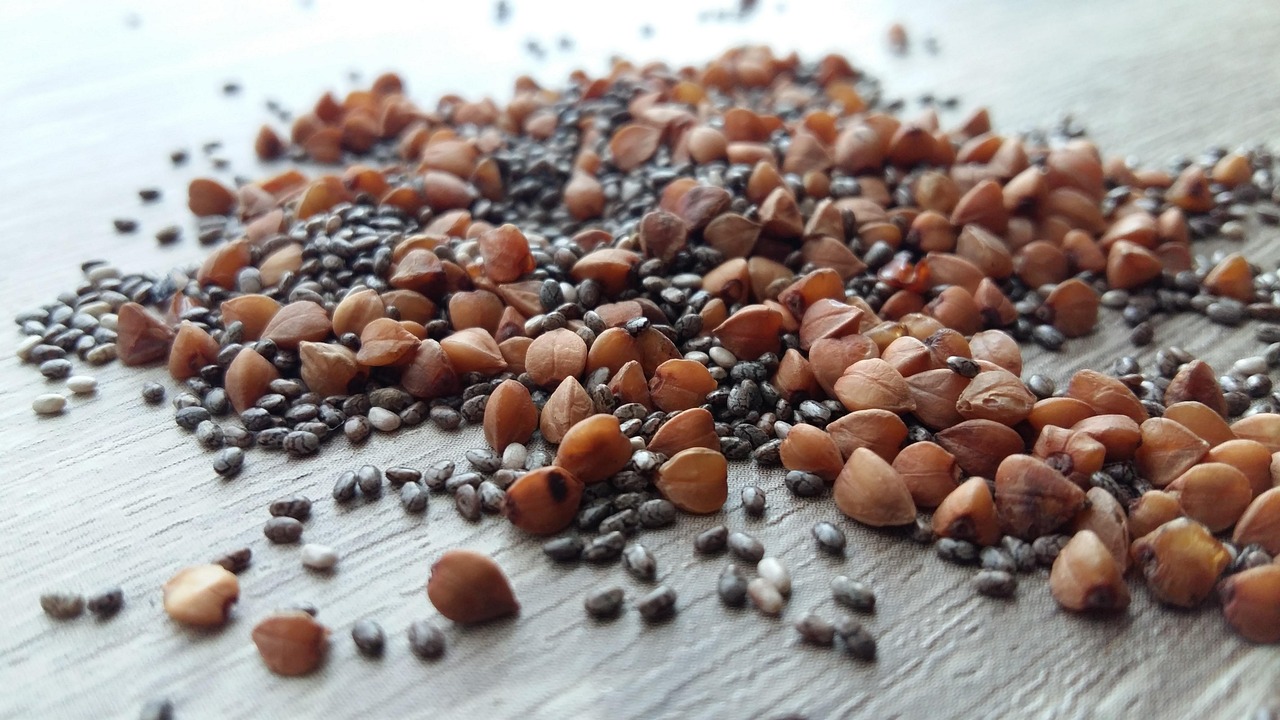
- Chia Seeds: These absorb excess liquid and add significant dietary fiber, further aiding digestion and satiety.
- Nut Butters: A swirl of almond or peanut butter provides healthy fats that slow down the digestion of the oats.
- Allulose or Stevia: To keep the meal low-glycemic, use these natural sweeteners instead of refined sugar or maple syrup.
This strategy ensures that your meal prep oatmeal rice cooker routine isn't just about saving time, but also about optimizing your biochemistry. When you layer these ingredients, you create a complex meal that keeps you full until lunch, preventing the mid-morning energy crash that often leads to poor snack choices.
Storage and Quality Control: The 3-Day Rule
Batch cooking is only as good as your storage strategy. While it is tempting to make a week's worth of breakfast at once, oats tend to lose their optimal texture after about 72 hours. For the best experience, I recommend the 3-day rule. Store your cooked oats in individual glass airtight containers in the refrigerator. This modular prep strategy makes it easy to grab a container on the way out the door.
When you are ready to eat, you may notice the oats have thickened significantly. To restore that creamy texture, add a splash of water or plant-based milk before reheating. If you are using a microwave, heat in 30-second intervals, stirring in between to distribute the heat evenly. If you prefer the Keep Warm setting on your rice cooker for immediate serving, remember that leaving it on for more than two hours can cause the bottom layer to become crusty. For meal prep, it is always better to cool and refrigerate immediately after the cooking cycle ends to preserve the integrity of the whole grains.
FAQ
Can you cook oatmeal in a rice cooker?
Yes, a rice cooker is an excellent tool for cooking oatmeal because it provides a controlled, low-heat environment that is perfect for simmering grains. It allows for a set-and-forget approach that is more convenient than stovetop cooking, as it automatically switches to a warm setting once the oats are finished.
What is the ratio of oats to water in a rice cooker?
The ideal ratio depends on the type of oat you are using. For rolled oats, use a 2:1 ratio of liquid to oats. For steel-cut oats, which are denser and require more hydration, a 3:1 or 4:1 ratio is recommended to achieve a creamy consistency.
How long does oatmeal take to cook in a rice cooker?
The cooking time generally ranges from 30 to 45 minutes depending on the setting used and the type of oat. Rolled oats cook faster, while steel-cut oats require the full duration of a Porridge cycle to become tender.
Can you cook steel cut oats in a rice cooker?
Absolutely. Steel-cut oats are actually better suited for the rice cooker than rolled oats because they benefit from the long, gentle simmering process. Using the Porridge setting ensures they reach a perfect chewy texture without burning.
How do I prevent oatmeal from boiling over in a rice cooker?
To prevent overflow, grease the inner rim of the pot with a little coconut oil or butter to break starchy bubbles. Ensure you do not fill the pot more than halfway, and always use the Porridge setting rather than the standard rice setting for a gentler simmer.
Can I use milk instead of water for oatmeal in a rice cooker?
Yes, you can use dairy or plant-based milks. However, keep in mind that milk-based liquids tend to foam more and can scorch if the heat is too high. Using the Porridge setting and adding a little fat can help mitigate these issues and produce a creamier result.