Quick Facts
- Top Fast Relief: Peppermint oil and ginger tea offer immediate antispasmodic effects by relaxing the gut muscles.
- Best Daily Food: Consume potassium-rich bananas and probiotic-filled yogurt to balance fluids and nourish the gut microbiome.
- Pro Technique: Utilize the I Love You (ILU) abdominal massage to mechanically move trapped gas through the colon.
- Clinical Standard: The Rome IV Criteria is the gold standard used by professionals to diagnose functional bloating and digestive issues.
- Scientific Edge: Clinical research shows that 1,200 mg of ginger can accelerate digestion by approximately 51%, reducing the time food sits in the stomach.
- Probiotic Power: A large meta-analysis found that probiotic supplementation reduced bloating scores by an average of 22% compared to a placebo.
Effective natural bloating remedies include carminative herbs like peppermint and fennel, which help relax the digestive tract to release trapped gas. Incorporating specific anti-bloating foods such as bananas or ginger tea can also provide rapid relief from abdominal distension. For long-term results, sustainable lifestyle changes for gas relief, including mindful eating and gentle movement, are essential for maintaining a comfortable, flat stomach.
Understanding the Bloat: Science and Safety
Bloating is one of the most common complaints I hear in my clinical practice. It is often described as a feeling of internal pressure or fullness, while abdominal distension refers to the physical increase in waist size that many people experience. While these two often go hand in hand, they are distinct physiological events. To properly address these issues, we look toward the Rome IV Criteria, which are clinical guidelines used to diagnose functional gastrointestinal disorders. Understanding whether your discomfort is a temporary reaction to a meal or a chronic condition is the first step toward effective relief.
For those dealing with persistent issues, incorporating anti-inflammatory diet tips for chronic bloating can be life-changing. Often, chronic discomfort is linked to visceral hypersensitivity, a condition where the nerves in the gut are extra sensitive to normal digestion processes. In other cases, the root cause might be Small Intestinal Bacterial Overgrowth (SIBO) or specific food intolerances like lactose or gluten sensitivity. When the gut bacteria break down undigested food, they produce gas through a process called fermentation. If this gas becomes trapped or if the gut produces an excessive amount, the result is that familiar, uncomfortable tightness.

The Best Anti-Bloating Foods for Daily Relief
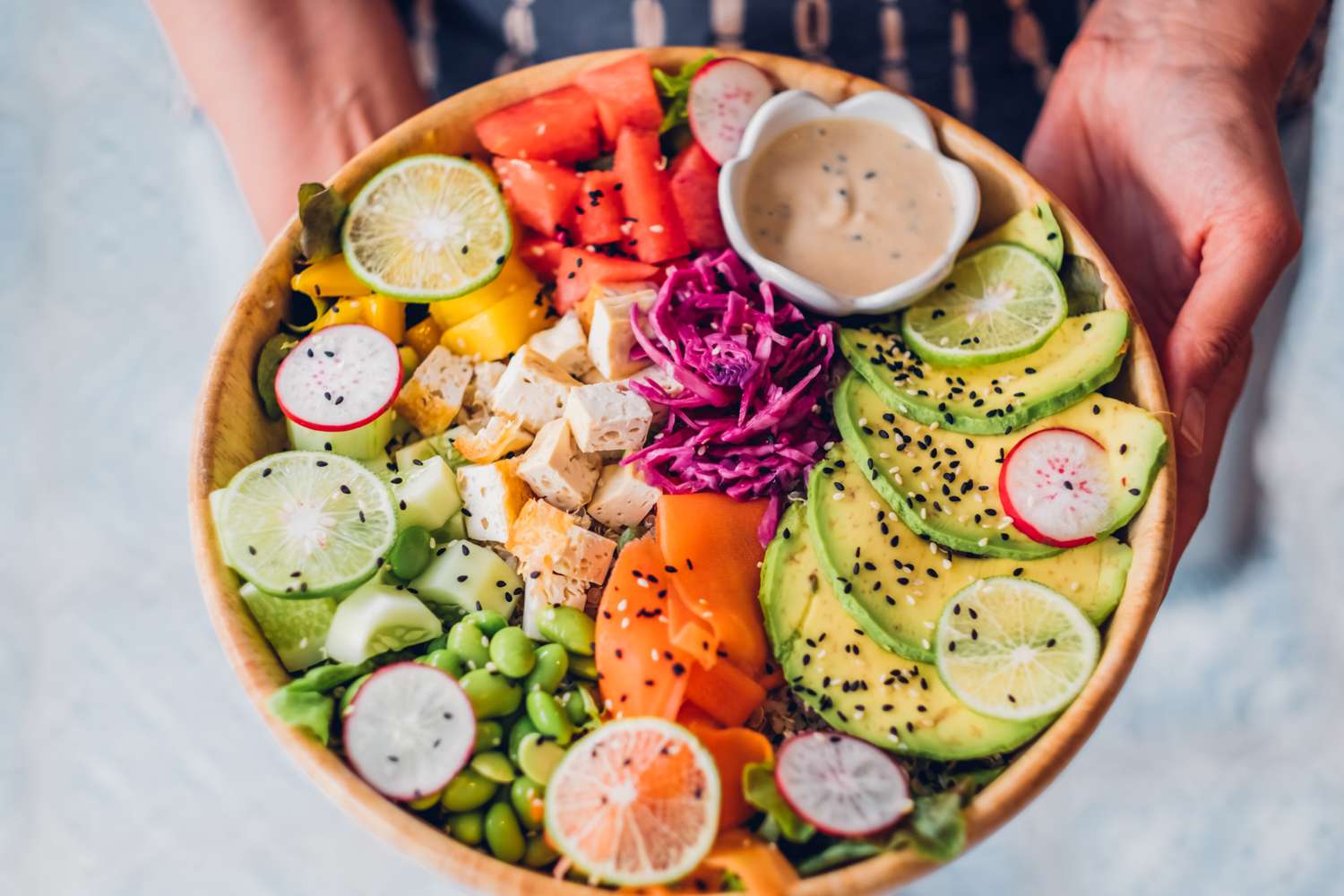
Dietary choices are your first line of defense. When we talk about anti-bloating foods, we are looking for ingredients that either help flush out excess fluids or move digestion along without creating more gas. Potassium-rich foods are particularly effective here. Most of us consume too much sodium, which leads to water retention and that puffy feeling. Potassium helps the kidneys flush out extra salt, bringing your fluid levels back into balance.
Bananas are a perfect example, but spinach and avocados are also excellent choices. If you find yourself looking for the best anti-bloating foods to eat after a heavy meal, reaching for a few strawberries or a slice of papaya can help. These fruits are generally lower in fermentable sugars, making them part of a low FODMAP diet, which stands for Fermentable Oligosaccharides, Disaccharides, Monosaccharides, and Polyols. Reducing these specific carbohydrates can significantly decrease the gas produced during digestion.
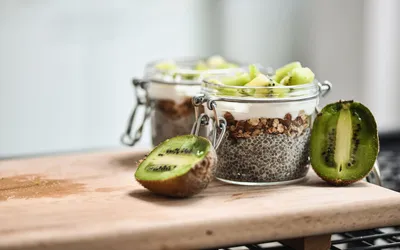
Long-term gut health also relies on the gut microbiome. Probiotic-rich foods like plain Greek yogurt or kefir introduce beneficial bacteria that help crowd out the gas-producing varieties. For those who are dairy-sensitive, fermented vegetables like sauerkraut or kimchi provide similar benefits. By populating your digestive tract with healthy microbes, you create a more resilient system that is less prone to sudden flare-ups.

Probiotics and Fiber Balance
When introducing probiotics or increasing fiber, the key is to go slow. While fiber is necessary for regular bowel movements, a sudden increase can actually worsen abdominal distension. Pairing fiber-rich foods with plenty of water is essential.
| Food Category | Examples | Primary Benefit |
|---|---|---|
| Potassium-Rich | Bananas, Spinach, Kiwi | Reduces water retention |
| Probiotic | Yogurt, Kefir, Tempeh | Supports gut microbiome balance |
| Enzyme-Rich | Papaya, Pineapple | Breaks down proteins for easier digestion |
| Low-FODMAP | Strawberries, Blueberries | Minimizes fermentation in the gut |
Therapeutic Herbal Teas for Digestion
One of my favorite natural bloating remedies is the ritual of sipping herbal tea. Beyond the soothing warmth, certain herbs contain active biochemical compounds that directly interact with the digestive system. For example, peppermint contains Menthol, which has powerful antispasmodic properties. It works by relaxing the smooth muscles of the gastrointestinal tract, allowing trapped gas to pass more easily. A 2014 meta-analysis published in the Journal of Clinical Gastroenterology confirmed that peppermint oil is significantly more effective than a placebo for reducing symptoms like flatulence and bloating.
Ginger: The Digestion Accelerator
If your bloating stems from a "heavy" feeling or slow digestion, ginger is your best friend. The active compounds, gingerols and shogaols, stimulate digestive enzymes and speed up the rate at which food leaves the stomach. Clinical research indicates that 1,200 mg of ginger can reduce gastric half-emptying time from 26.7 minutes to 13.1 minutes. This rapid movement prevents food from sitting too long and fermenting.
Fennel and Carminative Herbs
Fennel seeds have been used for centuries as carminative herbs, which means they help prevent the formation of gas or facilitate its expulsion. The primary active compound in fennel is Anethole, which helps relax the intestines. You can chew on half a teaspoon of dried seeds after a meal or steep them into a tea.
Important Safety Note: While fennel is excellent for many, it can interact with certain medications like Ciprofloxacin and may affect thyroid health in high concentrations. Always check with your doctor if you are on medication.
How to Brew for Maximum Potency
To get the most out of herbal teas for digestion, preparation is key. Use the following guide for the best results:
- Peppermint: Steep fresh or dried leaves in 190°F water for 5 to 10 minutes. Keep the cup covered to prevent the volatile oils from escaping.
- Ginger: Use fresh sliced ginger root rather than powder. Simmer in water for 10 to 15 minutes for a potent decoction.
- Fennel: Lightly crush the seeds before steeping for 10 minutes to release the essential oils.
Knowing how to use ginger and peppermint for bloating can turn a painful evening into a restful one. Many of my clients find that drinking these herbal teas for bloating and gas relief before bed helps them wake up with a much flatter stomach and reduced morning discomfort.
Physical Techniques and Lifestyle Changes for Gas Relief
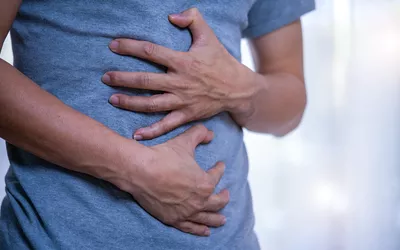
Sometimes, the best natural bloating remedies aren't things you eat, but things you do. If gas is physically trapped in the curves of your colon, mechanical intervention can help move it along. One of the most effective methods is the I Love You (ILU) massage, which follows the path of the large intestine.
How to Perform the ILU Massage
- Lay flat on your back in a comfortable position.
- The "I": Starting on the left side of your abdomen (under your ribs), stroke down toward your hip bone.
- The "L": Start on the right side under the ribs, stroke across the top of your abdomen to the left side, then down.
- The "U": Start at the bottom right hip bone, stroke up to the ribs, across the top, and down the left side.
- Repeat this cycle for 5 to 10 minutes using gentle but firm pressure.
Daily Habits to Prevent Bloating and Improve Digestion
Beyond massage, your daily routine plays a massive role. Mindful eating is perhaps the most underrated tool in our toolkit. When we eat quickly or while distracted, we tend to swallow air, a condition known as aerophagia. This air goes straight into the digestive tract, contributing significantly to abdominal distension.
- Chew thoroughly: Aim for 20 to 30 chews per mouthful. This pre-digests your food and prevents excess air intake.
- Walking post-meal: A gentle 10 to 15-minute walk after eating stimulates peristalsis, the wave-like muscle contractions that move food through the gut.
- Hydration timing: Drink plenty of water throughout the day, but try to limit large amounts of liquid during meals. Too much water can dilute digestive enzymes, potentially slowing down the process. Drinking warm liquids 30 minutes after a meal is often more beneficial.
Integrating these lifestyle changes for gas relief creates a consistent environment for your gut to thrive. Over time, these daily habits to prevent bloating and improve digestion become second nature, leading to a much higher quality of life.
FAQ
What is the fastest natural way to get rid of bloating?
The fastest relief often comes from a combination of peppermint oil and movement. Peppermint oil capsules or tea work quickly to relax the gut muscles and release trapped gas. Pairing this with a short walk or the ILU massage can move gas through the system in as little as 15 to 30 minutes.
Which herbs are most effective for bloating relief?
Peppermint, ginger, and fennel are the "big three" for digestive issues. Peppermint is an antispasmodic, ginger is a prokinetic that speeds up stomach emptying, and fennel is a carminative that reduces gas production. Each addresses a different aspect of the bloating process.
How can I debloat my stomach naturally overnight?
To wake up with a flatter stomach, avoid late-night snacks that are high in sodium or fermentable sugars. Sip on a warm cup of ginger or chamomile tea before bed, and try sleeping on your left side. This position uses gravity to help waste move from the small intestine to the large intestine more efficiently.
Does drinking water help reduce bloating or make it worse?
Drinking water generally helps reduce bloating, especially if it is caused by high sodium intake or constipation. Water helps the kidneys flush out excess salt and keeps the stool soft. However, avoid carbonated water, as the bubbles introduce more gas into the digestive system, which can worsen abdominal distension.
Can ginger tea help with abdominal discomfort?
Yes, ginger tea is highly effective. It contains gingerols that help relax the intestinal tract and reduce inflammation in the stomach lining. By accelerating the rate at which the stomach empties, it prevents the pressure and "fullness" that often leads to significant discomfort.
Managing digestive health is a journey, not a quick fix. While these natural bloating remedies and anti-bloating foods offer immediate relief, the key to long-term comfort is listening to your body. Keep a food diary to track potential triggers, and if you experience persistent pain, weight loss, or changes in bowel habits, please consult a healthcare professional. With the right strategies, you can take control of your digestion and feel your best every day.