Quick Facts
- Daily Range: Active individuals require between 1.4 and 2.0 grams of protein per kilogram of body weight daily.
- Peak Window: The most effective time to consume protein is within 30 to 60 minutes following a workout.
- The Threshold: Consuming 20 to 30 grams of high-quality protein per meal is the ceiling for maximizing muscle protein synthesis.
- The Ratio: For optimal recovery, pair protein with carbohydrates in a 3:1 ratio to replenish energy stores.
- Top Plant Source: Quinoa is a standout choice as it contains a complete amino acid profile essential for tissue repair.
- Distribution Benefit: Spreading protein intake evenly throughout the day is 25% more effective than eating it in one large sitting.
Protein for muscle recovery is a fundamental requirement because it repairs the microscopic tears in muscle fibers caused by physical exertion. Through a biological process known as muscle protein synthesis, amino acids such as leucine work to rebuild these fibers, ensuring the body maintains a positive nitrogen balance to reduce soreness and facilitate long-term muscle growth.
The Biological Engine: How Protein Repairs Muscle Fibers
When we engage in resistance training or high-intensity exercise, we are essentially placing a controlled amount of stress on our musculoskeletal system. This stress results in microscopic structural damage to the muscle fibers. While this sounds counterintuitive to health, it is actually the catalyst for becoming stronger. The body responds to this damage by initiating a repair process, but this process cannot happen in a vacuum. It requires the presence of specific building blocks.
The mechanism of how protein repairs muscle fibers after weightlifting centers on muscle protein synthesis. When you consume protein, your digestive system breaks it down into individual amino acids. These amino acids are then transported via the bloodstream to the damaged muscle sites. Among these, the branched-chain amino acids, or BCAAs, play a critical role. Leucine, in particular, acts as a biological "switch" that turns on the repair machinery within the cell.
To ensure this repair process remains efficient, the body must stay in a state of positive nitrogen balance. Nitrogen is a component of amino acids, and its balance in the body serves as a measure of protein metabolism. If you are not consuming enough protein, your body may enter a catabolic state, where it breaks down existing muscle tissue to meet its metabolic needs. By prioritizing protein for muscle recovery, you provide the necessary materials for muscle fiber repair, effectively preventing muscle wasting and encouraging the development of denser, more resilient tissue.
Quantifying Your Needs: Daily Protein Requirements for Athletes
One of the most frequent questions I receive as an editor is exactly how much protein is necessary. The answer depends largely on your activity level and body composition goals. While a sedentary individual may only need 0.8 grams per kilogram of body weight to maintain basic health, those who are physically active have significantly higher demands.
To optimize muscle recovery and promote the maintenance of lean mass, major sports nutrition organizations recommend that active individuals consume a daily protein intake ranging from 1.4 to 2.0 grams per kilogram of body weight. For a 70kg (154lb) athlete, this translates to roughly 98 to 140 grams of protein per day.
Protein Requirements by Activity Level
| Activity Level | Recommended Daily Protein (g/kg) | Primary Goal |
|---|---|---|
| Sedentary | 0.8 | General health maintenance |
| Moderate (3x/week) | 1.2 - 1.5 | Muscle maintenance and health |
| Endurance Athlete | 1.4 - 1.7 | Tissue repair and glycogen sparing |
| Strength/Power Athlete | 1.6 - 2.0 | Hypertrophy and maximal repair |
Understanding the "Efficiency Threshold" is equally important for daily protein requirements for athletes. Research suggests that the body can only utilize a certain amount of protein for muscle protein synthesis in a single sitting—typically around 20 to 30 grams. Consuming 60 grams of protein in one meal does not necessarily double the recovery benefit; instead, the excess is often oxidized for energy or stored as fat. Therefore, how much protein for muscle recovery after workout depends not just on the total daily amount, but on how that amount is distributed.
Timing and Distribution: The Anabolic Window and Beyond
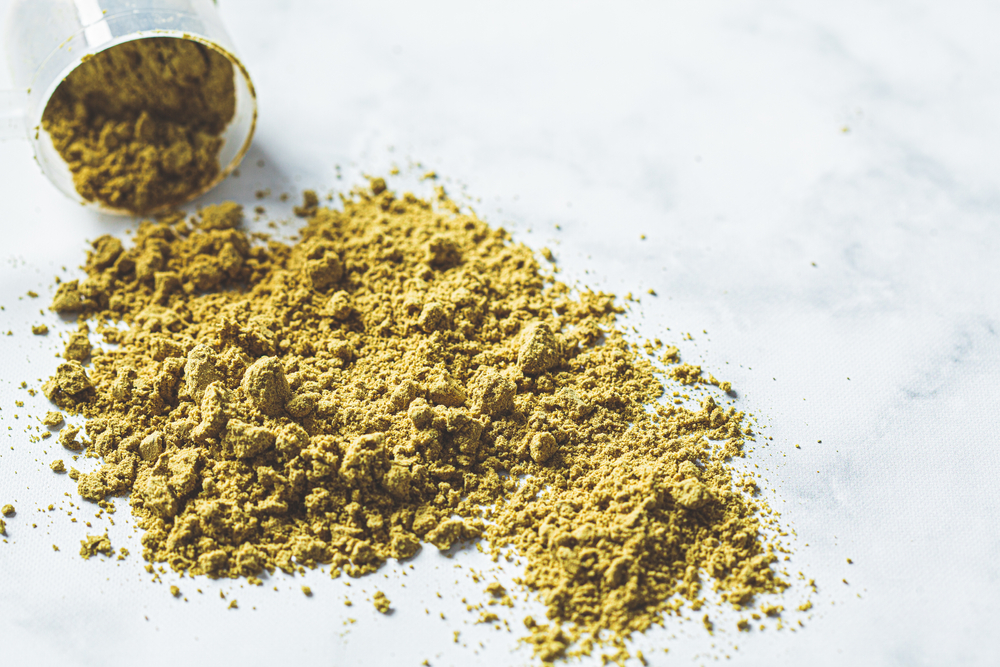
In the world of sports nutrition, the "anabolic window" refers to the period immediately following exercise when your muscles are most receptive to nutrients. While the strictness of this window is sometimes debated, the general consensus is that consuming 20 to 30 grams of high-quality protein within the first hour post-exercise is highly beneficial. Research indicates that consuming 20 to 30 grams of high-quality protein within the post-exercise recovery window is typically sufficient to maximize muscle protein synthesis and facilitate the repair of muscle tissue.
However, the strategy of protein intake timing for maximum muscle recovery extends beyond that initial post-workout meal. The way you space your protein throughout the 24-hour cycle is a major factor in how well you recover. Data shows that consuming approximately 30 grams of protein evenly distributed at each meal throughout the day results in a 25% higher 24-hour muscle protein synthesis rate compared to a skewed intake pattern where most protein is eaten in one large meal.
Furthermore, we must consider glycogen replenishment. During exercise, your muscles use stored glucose (glycogen) for fuel. Pairing protein with complex carbohydrates—aiming for a 3:1 ratio of carbs to protein—is the most effective way to restore these energy levels and reduce delayed onset muscle soreness. The carbohydrates trigger an insulin response, which helps shuttle the amino acids into the muscle cells more effectively.
The Recovery Trifecta: Best High Protein Foods for Muscle Soreness
Not all protein sources are created equal. When selecting the best high protein foods for muscle soreness, we look for three things: leucine content, bioavailability, and the presence of supporting nutrients like magnesium and antioxidants. I often refer to this as the "Recovery Trifecta."
The Recovery Trifecta Components
- Leucine-Rich Proteins: These are the primary triggers for repair. Whey protein is often considered the gold standard for post-workout protein snacks for recovery because of its rapid digestion and high leucine levels. Eggs and lean poultry are excellent whole-food alternatives.
- Complex Carbohydrates: These provide the energy needed for the repair process. Quinoa, brown rice, and sweet potatoes are ideal because they provide sustained energy without the blood sugar spikes associated with refined sugars.
- Anti-Inflammatory Agents: Muscle recovery is essentially an inflammatory response. Foods rich in polyphenols, such as blueberries and tart cherries, or omega-3 fatty acids found in salmon, can help manage this inflammation and reduce overall soreness.
If you are following a plant-based diet, bioavailability is a key consideration. While animal proteins are "complete," meaning they contain all essential amino acids, plant sources like beans or nuts may be low in one or more. Quinoa and soy are exceptions, offering complete profiles. Combining different plant sources—such as rice and lentils—is a smart way to ensure you are getting all the amino acids required for protein for muscle recovery.
Practical Application: High Protein Meal Prep and Snacks
The greatest barrier to optimal recovery is often a lack of preparation. When you finish a grueling workout, you need nutrients quickly. This is where high protein meal prep for muscle repair becomes a game-changer. By having pre-portioned meals and snacks ready, you avoid the temptation of processed foods that lack the necessary nutrient density.
Quick Post-Workout Protein Snacks
- Greek Yogurt with Berries: This provides a fast-digesting protein along with antioxidants.
- Hard-Boiled Eggs: A portable and highly bioavailable source of amino acids.
- Tuna Pouches: Excellent for immediate consumption, especially when you are on the go.
- Protein Smoothies: Use a whey or pea protein base and add a banana for glycogen replenishment.
For those with a busy schedule, portable protein snacks for immediate post workout recovery are essential. I recommend batch-cooking on Sundays. Grilling several chicken breasts or preparing a large pot of quinoa allows you to assemble high protein meal prep recipes for post workout in minutes. When cooking, stick to methods like baking, steaming, or grilling. These methods help maintain the integrity of the nutrients and prevent the addition of unnecessary saturated fats that can hinder digestive health and satiety levels.

Myth-Busting: Supplements vs. Whole Foods
There is a common misconception that you cannot achieve significant muscle recovery without expensive supplements. While protein shakes are incredibly convenient and offer high bioavailability, they are not a requirement. Whole foods offer a complex matrix of vitamins, minerals, and fiber that supplements simply cannot replicate. For example, a steak provides not just protein but also iron and B vitamins, which are crucial for oxygen transport and energy metabolism.
Another myth is that "more is always better." As we discussed with the efficiency threshold, your body has a limit on how much protein it can process for repair at once. Consuming excessive amounts of protein won't result in faster muscle growth; it may instead put unnecessary strain on your kidneys or lead to an unintended caloric surplus. The goal is consistency and quality, not just quantity.
FAQ
How much protein should I eat for muscle recovery?
For most active individuals, consuming between 1.4 and 2.0 grams of protein per kilogram of body weight daily is the target. This ensures you have enough amino acids available to repair muscle fibers and maintain a positive nitrogen balance.
Which type of protein is best for repairing muscles?
Proteins with high leucine content and high bioavailability are best. Whey protein is excellent for fast absorption, while eggs, lean meats, and soy are high-quality whole-food options that provide a complete amino acid profile.
How long after a workout should I consume protein?
Aim to consume protein within the first 30 to 60 minutes after your session. This period, known as the anabolic window, is when your muscles are most primed to absorb nutrients for repair and growth.
Does protein help reduce muscle soreness?
Yes, protein aids in reducing delayed onset muscle soreness by repairing the microscopic tears in muscle tissue. Pairing it with anti-inflammatory foods like berries or fatty fish can further enhance this effect.
Is it better to take protein before or after exercise?
While post-workout protein is crucial for repair, having a steady supply of amino acids in your system before exercise can also help prevent excessive muscle breakdown. The most important factor, however, is your total daily intake.
Can you recover muscles without protein shakes?
Absolutely. While shakes are convenient, you can meet all your recovery needs through whole foods like chicken, fish, beans, lentils, eggs, and Greek yogurt. These foods also provide essential micro-nutrients that shakes often lack.
Consistency in your dietary habits is the true secret to athletic longevity. By understanding the science of protein for muscle recovery and integrating practical meal prep into your routine, you can ensure that every workout leads to a stronger, healthier version of yourself.