Quick Facts
- Top Distinction: Clear protein is a highly filtered isolate with a juice-like consistency, while traditional whey is a thicker, milky concentrate.
- Protein Purity: Clear whey isolate typically contains a minimum of 90% protein by mass, whereas traditional concentrate ranges from 70% to 80%.
- Muscle Performance: Both options provide the essential amino acids and leucine necessary to trigger muscle protein synthesis and support hypertrophy.
- Caloric Profile: Clear protein is ideal for calorie restricted diets, often containing fewer than 90 calories per serving due to the removal of fats and sugars.
- Digestive Health: Because it undergoes extensive microfiltration to remove lactose, clear protein is the best protein powder for lactose sensitive muscle building.
- Texture and Taste: Traditional whey offers a creamy milkshake experience, while clear protein provides refreshing clear protein alternatives to heavy dairy shakes.
Clear protein vs whey—the battle between juice-like refreshment and creamy classics. While both trigger muscle protein synthesis, clear whey isolate offers a lighter, lactose-free alternative with faster absorption for post-workout recovery.
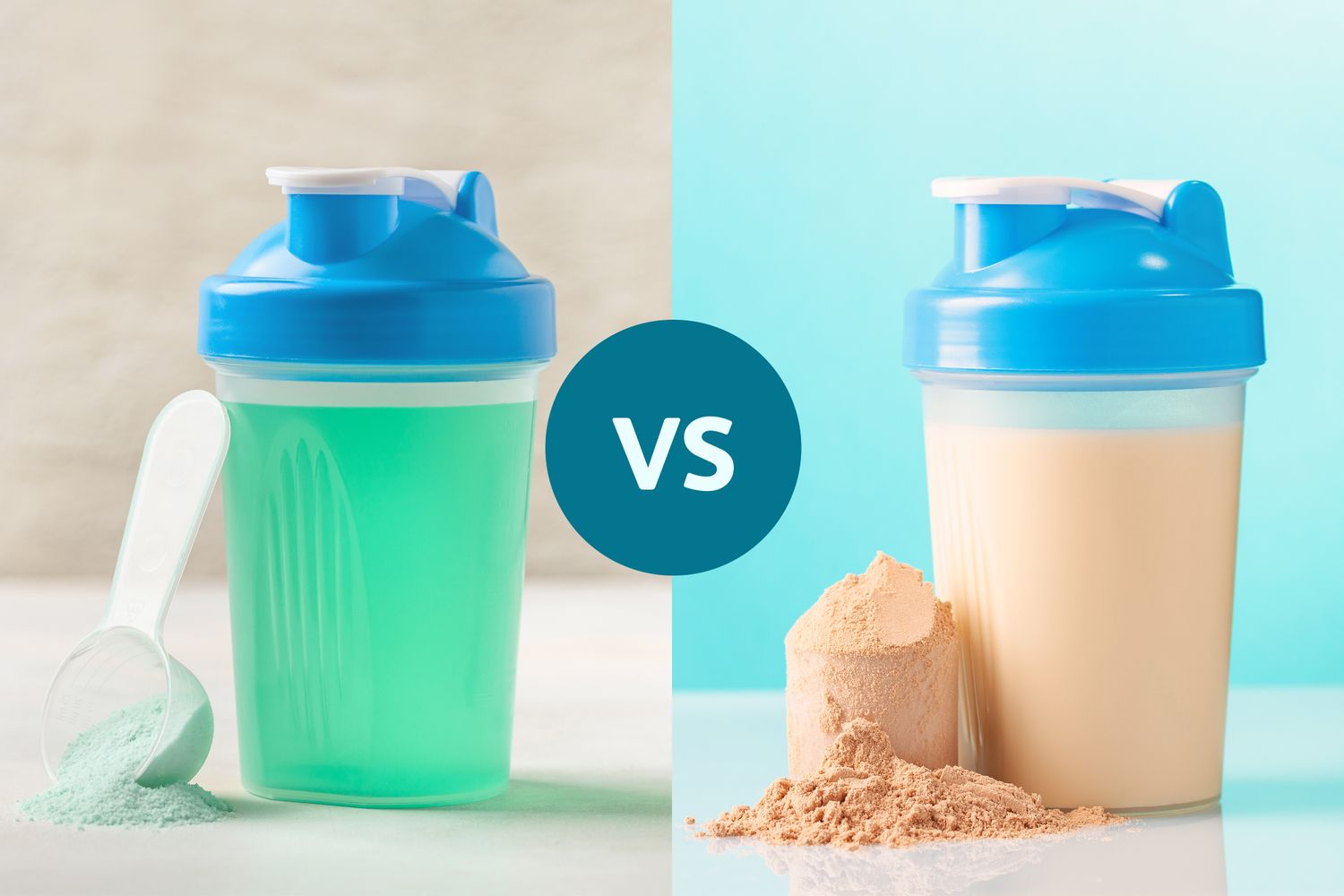
For decades, the post-workout ritual has been synonymous with a thick, milky shake. We have grown accustomed to the creamy texture of whey concentrate, often choosing between chocolate or vanilla. However, a significant shift is occurring in the sports nutrition industry. The global clear whey protein market is estimated to be valued at approximately USD 583.4 million in 2025 as more athletes look for lighter, more refreshing ways to hit their macronutrient goals.
As a nutrition editor, I am often asked: is clear protein better than whey? The answer is not about which is strictly superior, but rather which one aligns with your digestive health, your caloric targets, and your sensory preferences. Both are derived from dairy, but the way they are processed creates two very different experiences for your body and your palate.
The Filtration Factor: Isolate vs. Concentrate
To understand the difference between clear protein vs whey, we have to look at the manufacturing process. All whey protein begins as a liquid byproduct of cheese production. From there, it undergoes various levels of filtration. Traditional whey protein, specifically whey concentrate, is the least processed form. It retains a small amount of milk fat and lactose, which contributes to its creamy mouthfeel but also lowers its overall protein percentage.
Clear protein is a significant refinement of this process. It is a highly purified whey isolate that has undergone advanced microfiltration to strip away almost all traces of fats, carbohydrates, and lactose. This process is so thorough that the resulting powder loses the opacity and thickness we associate with milk. When mixed with water, it becomes transparent and thin, much like a fruit juice or a sports drink.
Some premium versions even utilize hydrolyzed whey, where the protein chains are partially broken down into smaller segments called peptides. This further refines the texture and theoretically speeds up how quickly the body can process the nutrients. When comparing clear whey isolate vs whey concentrate for muscle mass, the primary technical difference is this purity. While concentrate is a solid choice for general health, the isolate used in clear protein provides a higher protein-to-weight ratio, ensuring you get more of what you need for recovery without the extra caloric baggage.
Muscle Growth Efficiency: Anabolic Performance
When we talk about building lean mass, the conversation always returns to muscle protein synthesis. This is the physiological process where your body repairs the micro-tears in muscle fibers caused by resistance training. To trigger this, you need a high concentration of essential amino acids, particularly leucine, which acts as the primary signal for muscle growth.
Research indicates that clear whey isolate provides a similar essential amino acid profile to traditional whey. This means that from a purely biological standpoint, both clear protein and traditional whey are equally effective at promoting hypertrophy when the total protein intake is matched.
However, the variable that often interests high-performance athletes is the absorption speed. Clear protein may offer a slight advantage in post workout clear protein absorption speed vs whey because it lacks the fats and lactose that can slow down gastric emptying. In the context of the anabolic window—the period following exercise where the body is primed for nutrient uptake—getting amino acids into the bloodstream quickly is beneficial. Most high-quality whey isolates are absorbed at a rate of roughly 10 grams per hour. Because clear protein is essentially a pre-digested or highly refined isolate, it sits at the top tier of bioavailability, ensuring your muscles get the fuel they need without a long wait time in the digestive tract.
Digestion and Diet: Solving the Bloat
One of the most common complaints about traditional whey protein is the "protein bloat." This uncomfortable feeling of fullness or gas is often caused by the lactose and fats found in whey concentrate. For individuals with even a mild sensitivity to dairy, these shakes can lead to significant GI distress, which is the last thing you want after a grueling leg day.
This is where the clear whey protein benefits truly shine. Because of the intensive microfiltration, clear protein is virtually lactose-free. It bypasses the common digestive hurdles, leading to much faster gastric emptying and a significantly lower risk of discomfort. If you have been searching for how to prevent whey protein bloating with clear isolate, switching to a clear version is the most effective lifestyle change you can make.
Furthermore, we must consider the macronutrient profile. For those on clear protein vs milky whey for calorie restricted diets, the clear version is almost always the winner. A typical serving of clear protein contains roughly 80 to 90 calories while delivering 20 grams of protein. Traditional whey concentrate can easily climb to 120 or 150 calories per serving because of the lingering carbohydrates and fats. When you are "cutting" or trying to maintain a strict calorie deficit, that 40-calorie difference per shake adds up significantly over a week of training.
Practical Experience: Taste, Texture, and Cost
While the science favors clear protein for purity and digestion, the practical experience is where many users find the biggest change. Traditional whey is heavy. It feels like a meal. For some, this is a benefit—it can act as a bridge between lunch and dinner. For others, particularly those training in high heat or doing high-intensity interval training, the thought of a thick chocolate milkshake is unappealing.
Clear protein offers a refreshing clear protein alternatives to heavy dairy shakes. They come in flavors like lemon-lime, orange mango, and wild berry. However, there is a unique user experience factor to consider: the foam. Because of the way clear isolate interacts with water, it tends to create a significant amount of foam when shaken. Most brands recommend a 60-second foam wait time to allow the air bubbles to settle before you drink it. If you are in a rush, this might be a minor annoyance.
Finally, there is the matter of cost. Because clear protein requires more intensive processing and microfiltration, it is generally more expensive than whey concentrate. If you have a cast-iron stomach and are on a tight budget, traditional whey remains a more cost-effective way to hit your protein targets. But for those who value digestive comfort and a leaner calorie profile, the premium price for clear isolate is often a worthwhile investment in their daily well-being.
FAQ
What is the difference between clear protein and traditional whey protein?
The primary difference lies in the level of filtration and the resulting texture. Clear protein is a highly filtered whey isolate that has had almost all fats and lactose removed, resulting in a thin, juice-like drink. Traditional whey is a concentrate that retains some milk sugars and fats, giving it a thick, creamy, milkshake-like consistency.
Is clear whey isolate better for muscle growth than regular whey?
In terms of biological potential, both are excellent. They both contain a full spectrum of essential amino acids and leucine needed for muscle protein synthesis. However, clear protein may be slightly better for post-workout recovery because its lack of fats and lactose allows for faster digestion and quicker nutrient delivery to the muscle tissues.
Does clear whey protein contain lactose?
Most clear whey proteins are virtually lactose-free due to the extensive microfiltration process used to create the isolate. While it is still a dairy-derived product and may contain trace amounts, it is generally considered safe for those with lactose sensitivity and is much less likely to cause bloating than traditional whey concentrate.
Is clear protein easier to digest than standard whey protein?
Yes, clear protein is typically much easier on the digestive system. Because it is an isolate, it has a faster rate of gastric emptying. By removing the components that usually cause gas and bloating—specifically lactose and milk fats—clear protein provides a much smoother digestive experience for most athletes.
Is clear protein good for weight loss?
Clear protein is an excellent choice for weight loss because of its high protein-to-calorie ratio. It allows you to hit your protein targets to preserve lean muscle mass while keeping your total calorie intake low. Most servings contain very little to no sugar or fat, making it easier to stay within a calorie-restricted diet compared to traditional whey.
Choosing between clear protein vs whey ultimately comes down to your personal goals. If you want a cost-effective, filling shake and have no issues with dairy, traditional whey is a classic for a reason. But if you want a refreshing, juice-like experience that is easy on the stomach and perfect for a lean physique, clear protein is the modern evolution of sports nutrition you should consider.