Quick Facts
- Prevalence: Overuse injuries account for 64% of all injuries sustained by professional female ballet dancers.
- Risk Factor: Approximately 25% of professional dancers develop osteoarthritis by their late twenties.
- Key Marker: Sleep deprivation directly increases C-reactive protein (CRP) levels, which significantly worsens systemic pain.
- Nutrition Duo: Turmeric must always be paired with black pepper to ensure optimal curcumin absorption for joint health.
- Thermal Rule: Use ice for acute swelling; utilize heat for chronic muscle stiffness and joint lubrication.
- Tool Kit: Lymphatic brushes, Oura rings, and microcurrent devices are essential elite recovery staples for performance longevity.
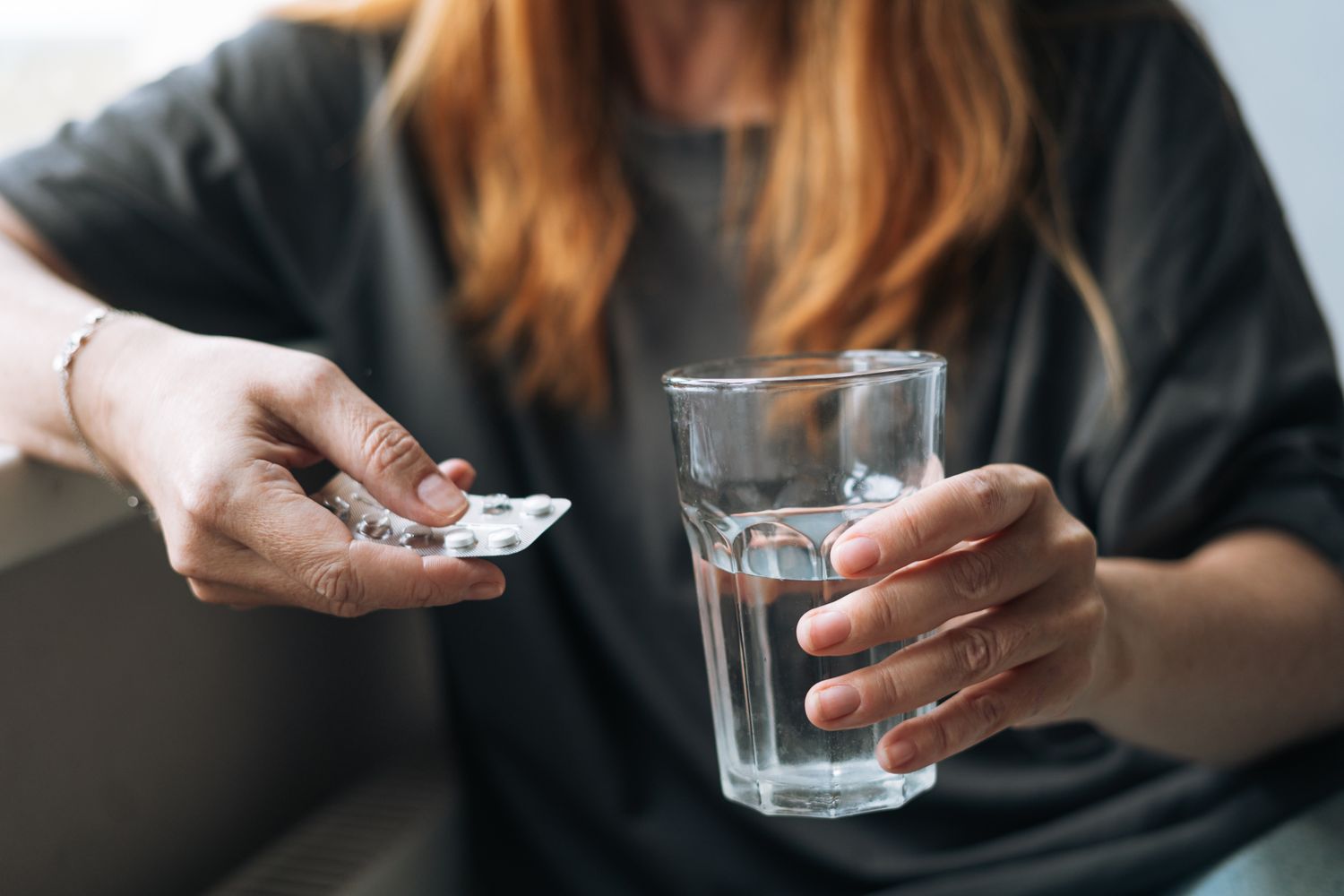
Chronic injury management is more than just rest; it’s a lifestyle dedicated to performance longevity. As a professional dancer, managing overuse injuries—which account for 64% of ballet-related conditions—requires a holistic recovery for athletes. This guide explores at-home wellness rituals, nutrition for chronic inflammation, and the tech-backed tools used by the world's elite performers. Effective chronic injury management requires a holistic approach that combines anti-inflammatory nutrition with at-home recovery rituals. Integrating tools like lymphatic drainage brushes and microcurrent therapy can help manage swelling and promote fascial health. Additionally, prioritizing parasympathetic activation through stress reduction techniques like breathwork and Palo Santo-scented relaxation helps the body maintain a healing state.
The Biological Lever: Nutrition for Chronic Inflammation
In the world of professional dance medicine, we often view food as a biological lever. What you put on your plate can either fuel the fire of systemic pain or help dampen it. When dealing with persistent issues, the goal is to lower C-reactive protein (CRP) levels, a key marker of inflammation in the body. Nutrition for chronic inflammation begins with a foundation of omega-3 fatty acids. Found in fatty fish, walnuts, and flaxseeds, these healthy fats act as natural lubricants for your joints and help soothe the nervous system.
One of my personal non-negotiables is the use of the Golden Duo: turmeric and black pepper. Turmeric contains curcumin, one of the best anti-inflammatory spices for chronic joint pain, but it is poorly absorbed on its own. Adding just a pinch of black pepper increases its bioavailability by up to 2,000%. I recommend incorporating this into a warm tonic or a savory lentil soup. To keep your energy stable and your joints happy, focus on anti-inflammatory whole food snacks for injury recovery. Think of a handful of almonds with berries or sliced bell peppers with hummus rather than processed granola bars. By minimizing refined sugars and processed flours, you significantly lower the systemic triggers that lead to morning stiffness.
At-Home Wellness Rituals: Bio-Hacking for Fascial Health
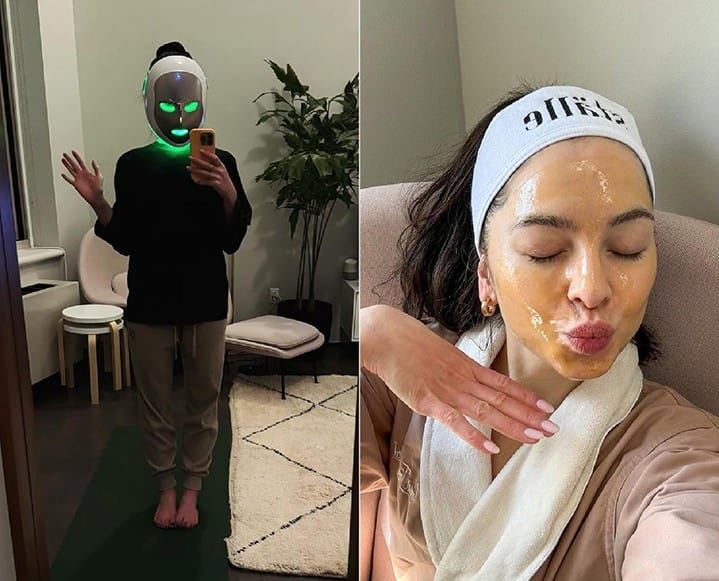
The difference between a dancer who dances for five years and one who dances for twenty often comes down to their at-home wellness rituals. We must treat our fascia—the connective tissue wrapping our muscles—with as much respect as the muscles themselves. One of the most effective ways to manage the heavy, stagnant feeling that comes with chronic injury is through lymphatic movement. Using at-home lymphatic drainage tools for managing swelling, such as a dry brush or a specialized silicone paddle, helps move metabolic waste out of the tissues.
I also swear by microcurrent therapy for chronic injury inflammation at home. These small, handheld devices use low-level electrical currents to mirror the body’s own natural healing frequencies. This helps stimulate cellular repair and can be a game-changer for those stubborn "niggles" that never seem to go away. To truly unlock a healing state, we must also focus on parasympathetic activation. Your body cannot repair itself if it is constantly in "fight or flight" mode. I practice vagus nerve stimulation through deep diaphragmatic breathwork each evening. Simple evening wellness rituals to reduce morning muscle stiffness might include a warm bath with magnesium flakes and a gentle scalp massage to signal to your nervous system that it is safe to rest and recover.

Mechanical Rules: Heat, Ice, and Movement Strategies
Knowing when to reach for an ice pack versus a heating pad is vital for chronic injury management. While the old-school RICE (Rest, Ice, Compression, Elevation) method is great for a freshly rolled ankle, chronic conditions often require a more nuanced approach. In professional ballet, the foot and ankle specifically account for up to 62% of all reported injuries, and managing these long-term requires understanding blood flow.
| Treatment | Best Used For | Biological Effect |
|---|---|---|
| Ice (Cold) | Acute flare-ups, sharp pain, or new swelling. | Vasoconstriction; numbs pain and reduces immediate inflammation. |
| Heat (Warmth) | Morning stiffness, chronic dull aches, and muscle tightness. | Vasodilation; increases blood flow and relaxes tight connective tissue. |
Beyond thermal therapy, movement is medicine. We often use the 10-minute movement rule: if a joint feels stiff, perform very gentle, non-weight-bearing rotations for ten minutes to stimulate synovial fluid, which acts as the joint’s natural oil. Furthermore, never underestimate the power of restorative sleep hygiene tips for physical injury healing. Since sleep is when the majority of tissue repair occurs, I recommend using a sleep tracker like an Oura ring to monitor your recovery scores. If your resting heart rate is high or your heart rate variability (HRV) is low, it’s a sign your body needs a lighter training day.
Professional Integration: When to See a Specialist
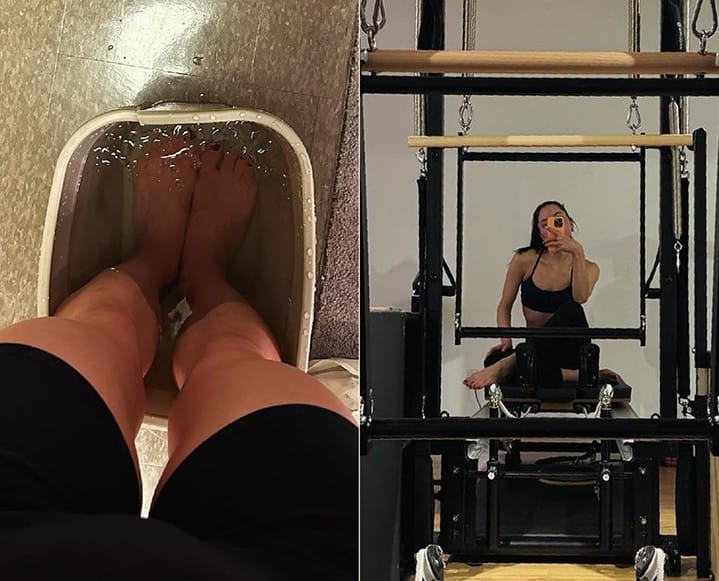
While self-care is the foundation of performance longevity, it is important to know when to seek expert help. Holistic recovery strategies for former dancers and athletes should always involve a professional assessment if the pain profile changes. In the dance world, we often turn to specialized centers like the NYU Harkness Center for Dance Injuries, where experts understand the specific biomechanics of our art form.
You should consider seeing a dance medicine specialist if you experience any of the following Red Flags:
- Numbness, tingling, or "pins and needles" that suggests nerve involvement.
- Pain that wakes you up in the middle of the night.
- A chronic ache that has not improved despite three weeks of consistent at-home care.
- Any swelling that feels hot to the touch or appears significantly discolored.
Working with a functional medicine practitioner can also help identify if internal imbalances, such as vitamin D deficiencies or high systemic inflammation, are preventing your musculoskeletal system from healing properly.
FAQ
What is the difference between an acute and a chronic injury?
An acute injury happens suddenly, like a fall or a sudden muscle tear, resulting in immediate pain and swelling. A chronic injury develops over time due to repetitive stress and overuse, often manifesting as a persistent ache or stiffness that lingers for months or even years.
How do you know if an injury has become chronic?
An injury is generally considered chronic if the pain or dysfunction persists for more than three to six months. If you find yourself constantly managing the same "weak spot" or if the pain returns every time you increase your activity level, it has likely transitioned into a chronic state.
Can a chronic injury ever completely heal?
While some structural changes, like advanced osteoarthritis, may be permanent, many chronic injuries can reach a state of "functional healing." This means through proper management, strength balancing, and anti-inflammatory habits, you can become symptom-free and return to your favorite activities without pain.
What are the best ways to manage chronic pain from an injury?
The most effective approach is multifaceted. Combine anti-inflammatory nutrition (like omega-3s and turmeric) with mechanical care (heat for stiffness) and nervous system regulation (breathwork). Consistency with small daily rituals is more effective than occasional "big" treatments.
When should you see a specialist for a long-term injury?
You should consult a specialist if the pain prevents you from performing daily tasks, if you experience neurological symptoms like numbness, or if the injury significantly alters how you walk or move. A professional can provide a targeted rehabilitation plan to prevent further degeneration.
How can you prevent chronic injuries from flaring up?
Prevention relies on maintaining proprioceptive awareness and joint mobility. Prioritize a thorough warm-up, ensure you are getting restorative sleep to manage systemic inflammation, and listen to the early warning signs of fatigue before they turn into full-blown flare-ups.