Quick Facts
- The Shift: Lottie Anderson transitioned from a high-intensity fitness regime that included running the London Marathon to Pilates after discovering that 50-minute reformer sessions yielded better physical and mental results than hours of traditional gym training.
- Metabolic Impact: While HIIT burns roughly 30% more calories during the actual session, strength-based movements like Pilates can increase long-term resting metabolism by up to 7% through muscle preservation.
- Biological Edge: Pilates leverages specific breathwork techniques to activate the parasympathetic nervous system, helping to lower heart rate and reduce systemic inflammation.
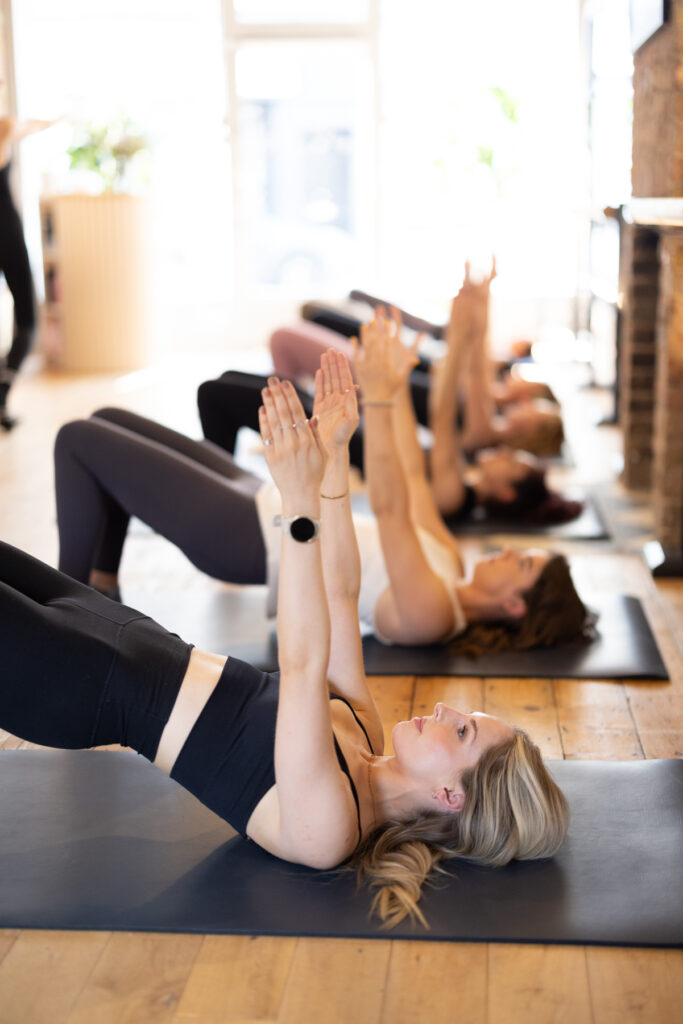
- Efficiency: A single 50-minute session on a reformer carriage provides a full-body workout that addresses muscular endurance and flexibility simultaneously.
- Joint Safety: By focusing on eccentric contraction—the lengthening of the muscle under tension—Pilates strengthens the connective tissues around the joints rather than wearing them down.
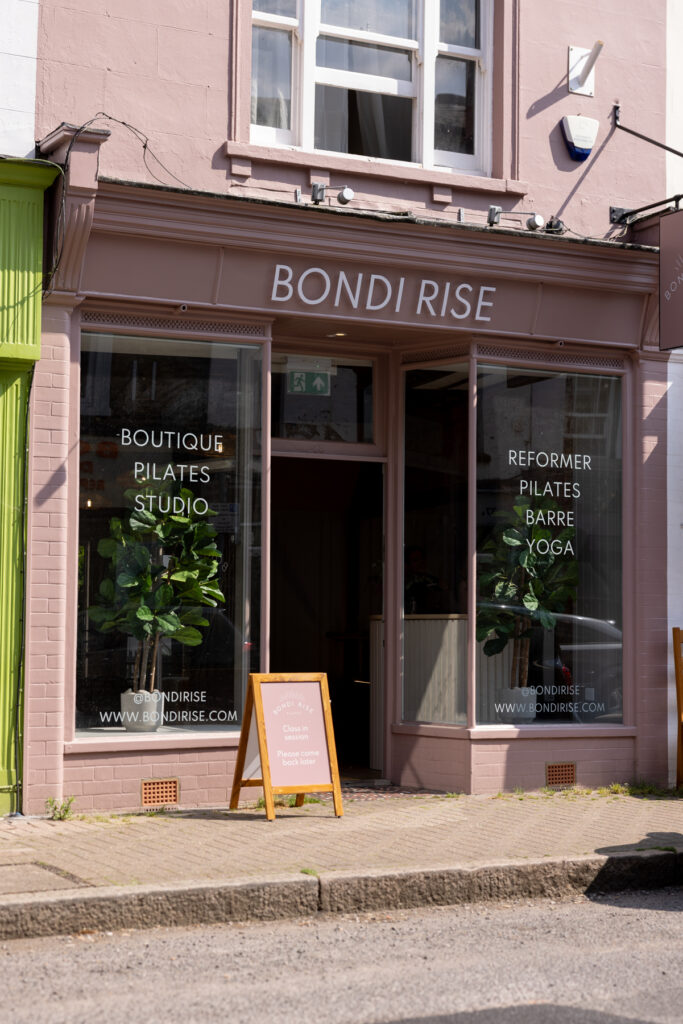
- Quality Standards: In her Bondi Rise studios, Lottie Anderson enforces a strict limit of no more than eight reformer beds per class to ensure high standards of safety and personalized instruction.
Explore the transition from HIIT to Pilates. While HIIT offers high intensity, Pilates provides long-term benefits for core strength, stress relief, and recovery. Pilates vs HIIT benefits center on sustainability; while HIIT offers cardiovascular spikes, Pilates builds muscular endurance and core stability without the cortisol-spiking stress of high-intensity training.
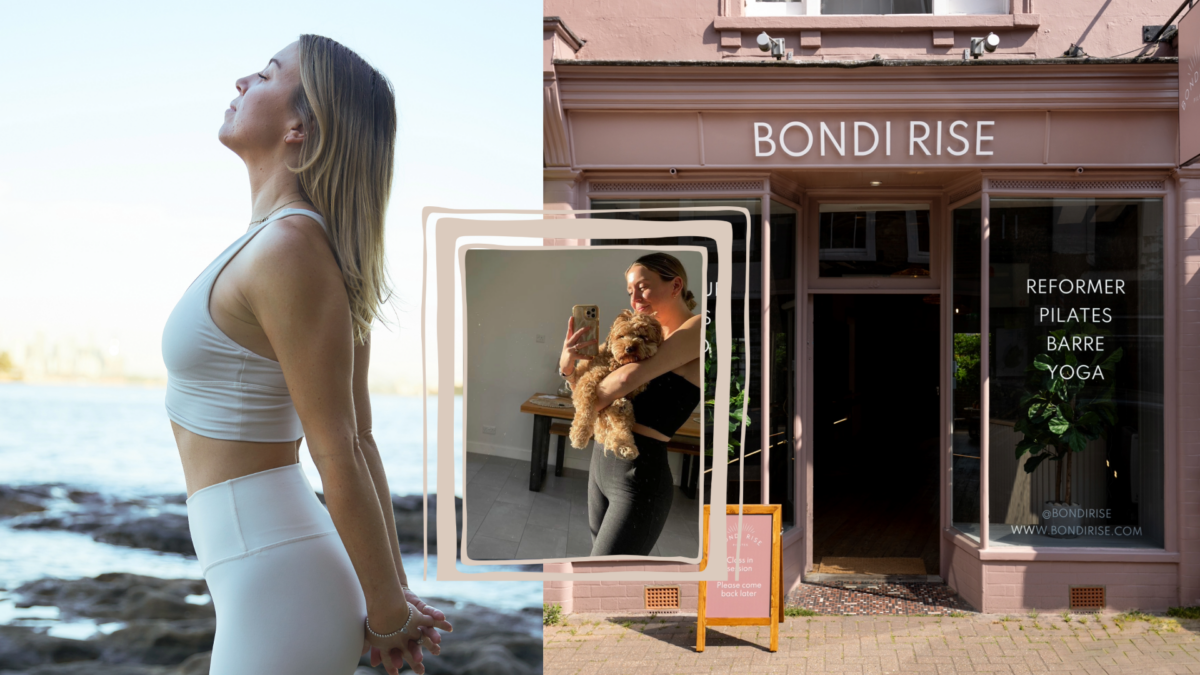
From Marathons to the Reformer: Lottie Anderson’s Fitness Evolution
For many women, the fitness journey begins with the belief that "more is better." We are taught that to see change, we must run further, lift heavier, and push our bodies to the absolute limit. This was the exact path taken by Lottie Anderson. Before she became a leading figure in the Australian Pilates scene, her fitness background was centered on high-intensity interval training (HIIT), body pump, and long-distance running. She was the person pounding the pavement for the London Marathon, believing that high-impact cardiovascular work was the only way to stay fit.
However, the "punishing" mindset often leads to a plateau—not just physically, but mentally. When Lottie moved from the fast-paced energy of London to the sun-soaked shores of Sydney, she discovered a different approach. She found that the boutique studio culture in Australia leaned heavily toward smarter movement rather than just harder movement. It was here that she realized switching to low impact exercise for long term fitness wasn't a sign of slowing down; it was a sign of leveling up.
The transition was transformative. She swapped the high-impact pounding of the pavement for the controlled, gliding resistance of the reformer carriage. She noticed that the hours spent at the gym were being outpaced by the results of 50-minute focused sessions. This evolution led to the founding of Bondi Rise, where the focus shifted from "burning out" to "building up." By prioritizing functional movement and muscular endurance, she found a way to maintain a lean, strong physique without the constant fatigue associated with her previous HIIT-heavy lifestyle.
The Cortisol Factor: Why HIIT Isn't Always the Answer
As a health editor, I often see women struggling with unexplained weight gain around the midsection, persistent fatigue, and disrupted sleep, despite doing five HIIT sessions a week. This is often a classic sign of adrenal fatigue. High-intensity interval training is designed to put the body under temporary stress to trigger a cardiovascular response. While this is effective in moderation, a constant diet of HIIT can keep your body in a "fight or flight" state, perpetually spiking your cortisol levels.
When cortisol remains chronically high, it signals the body to store fat and break down muscle. This is where we see the most significant Pilates vs HIIT benefits. Unlike high-intensity workouts, Pilates is designed to soothe the nervous system while still challenging the muscles. The magic lies in the mind-body connection. By focusing on diaphragmatic breathwork techniques, you tell your brain that you are safe. This triggers the "rest and digest" mode, allowing your body to recover more effectively and maintain a healthy hormonal balance.
Lottie’s switch highlights a growing realization in the wellness community: you don’t have to scream at your body to get it to listen. Pilates for stress relief and strength offers a way to build a resilient core and long, lean muscles without the inflammatory response that often follows a brutal HIIT session. For those already dealing with high-stress careers or busy family lives, adding more stress through exercise is often counterproductive. Choosing a movement that lowers your cortisol can actually lead to better fat loss and muscle tone results in the long run.
"The goal of movement should be to leave you feeling energized, not depleted. If you finish every workout feeling like you need a three-hour nap, your nervous system might be trying to tell you something important about your choice of intensity." — Sophie Brown
Joint Health and Longevity: The Science of Low Impact
When we compare low impact vs high intensity training, the conversation often turns to longevity. HIIT and long-distance running involve repetitive, high-impact forces that can take a toll on our knees, hips, and lower back. As we age, the integrity of our cartilage and the stability of our joints become paramount. Pilates is fundamentally built on the principles of spinal alignment and controlled resistance, making it an ideal choice for someone looking to move well into their 80s and beyond.
The primary mechanism at play in Pilates is eccentric contraction. This is when a muscle lengthens while under tension—think about the slow, controlled return of the reformer carriage. Scientific reviews in 2023 and 2024 have highlighted how this type of training builds functional strength and increases bone density without the jarring impact of jumping or sprinting. It specifically targets the deep stabilizing muscles—the "powerhouse"—that protect the pelvis and spine.
| Feature | HIIT / High Impact Training | Pilates / Low Impact Training |
|---|---|---|
| Primary Focus | Heart rate spikes & calorie burn | Core stability & muscular endurance |
| Joint Stress | High (Repetitive impact) | Low (Controlled resistance) |
| Hormonal Impact | Spikes Cortisol (Stress response) | Boosts Serotonin (Calming response) |
| Muscle Action | Concentric & explosive | Eccentric & lengthening |
| Primary Goal | Cardiovascular conditioning | Spinal alignment & functional strength |
One of the most modern health concerns is the "laptop hunch"—that forward-slumping posture caused by hours of desk work. While HIIT might make you sweat, it rarely addresses the postural imbalances created by a sedentary lifestyle. Pilates, however, is a direct antidote. By focusing on the muscles that support the spine, it helps correct alignment issues and opens up the chest. For Lottie, transitioning from HIIT to Pilates for recovery wasn't just about resting; it was about restructuring her body to handle the demands of daily life more efficiently. This focus on long term benefits of low impact exercise is why many athletes are now integrating Pilates as a non-negotiable part of their routine.
Finding the Balance: How to Combine Pilates and HIIT
You don't necessarily have to give up HIIT entirely to reap the benefits of low impact training. The key is finding a sustainable balance that supports your goals without leading to burnout. Many women find that a hybrid approach works best, using Pilates as a foundation for active recovery and structural strength.
If you are currently struggling with joint pain or high stress, you might consider a period of exclusive Pilates to reset your system. For others, a weekly schedule that mixes both can provide the best of both worlds. Here is a sample guide for those looking to transition or balance their routine:
- Monday: 50-minute Reformer Pilates (Focus on spinal alignment and core)
- Tuesday: Moderate HIIT or Strength Training (30-45 minutes)
- Wednesday: Active Recovery or 30-minute Mat Pilates (Focus on breathwork techniques)
- Thursday: Moderate HIIT or brisk walking
- Friday: 50-minute Reformer Pilates (Focus on muscular endurance and flexibility)
- Saturday: Outdoor activity (Hiking, swimming, or long walk)
- Sunday: Full Rest and Mindful Movement
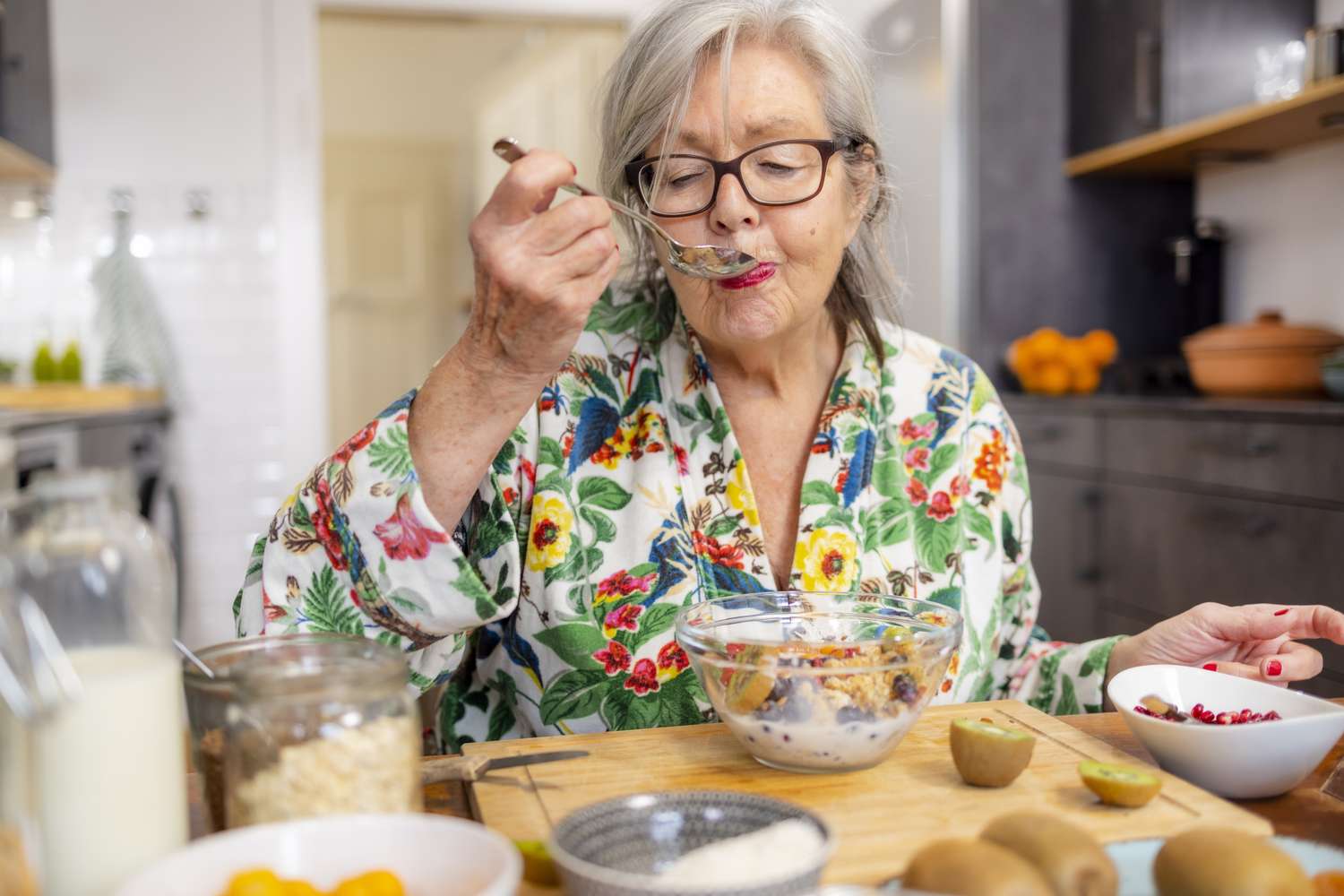
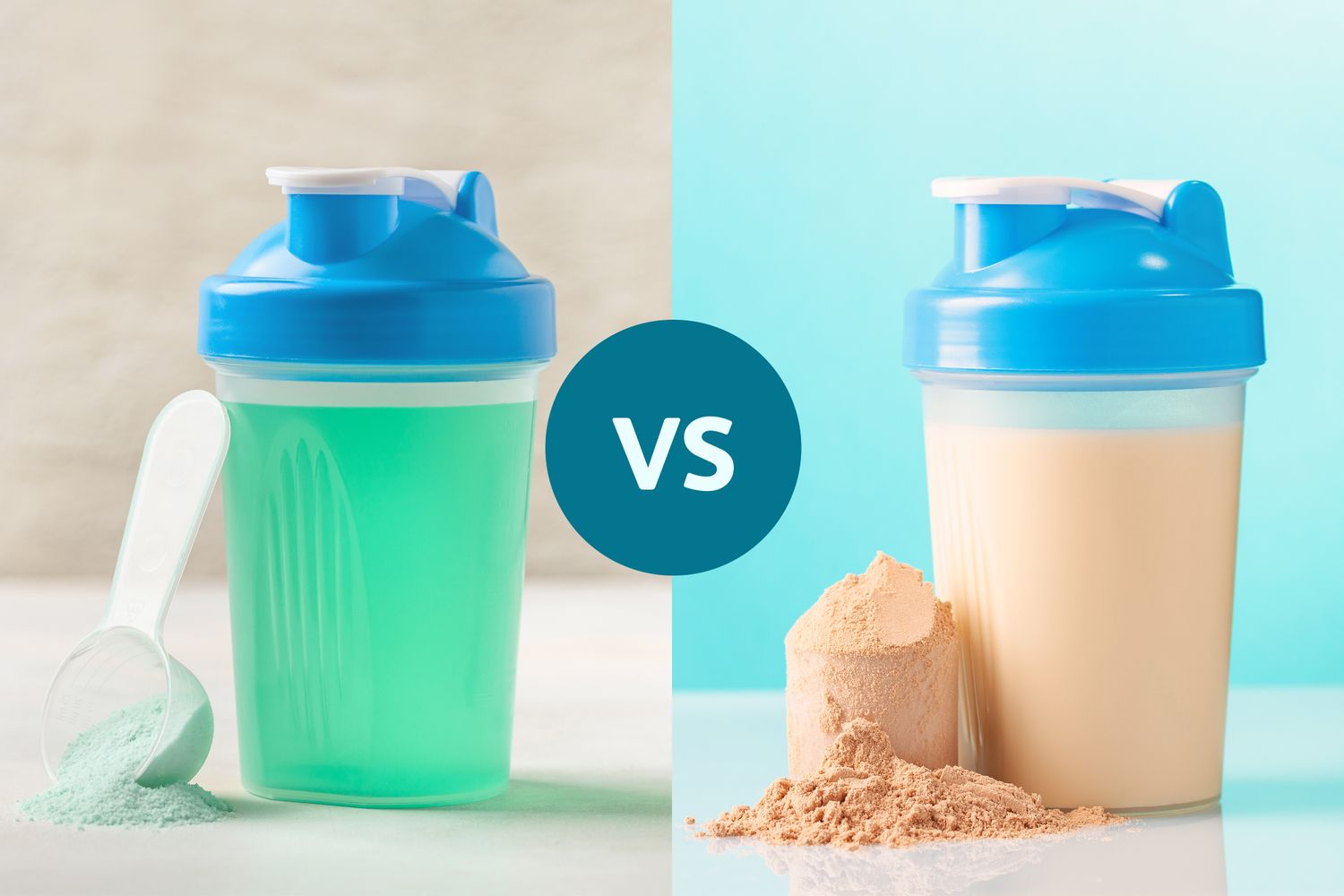
When you are making the switch, pay close attention to your recovery. Lottie Anderson often emphasizes that movement is only half the battle; nutrition plays a massive role in how your body responds to low impact vs high intensity training. Her go-to recovery tip is a simple but effective bowl of Greek yogurt mixed with high-quality protein powder. This provides the essential amino acids needed for muscle repair without the heavy digestive load of a massive meal immediately after a session.
Ultimately, the choice between HIIT and Pilates depends on what your body needs in this specific season of your life. If you feel energized and strong, a mix is great. But if you feel frayed, achy, and exhausted, Lottie’s journey proves that slowing down can actually be the fastest way to get where you want to go.
FAQ
Is Pilates or HIIT better for weight loss?
While HIIT burns more calories during the actual workout, Pilates is often more sustainable and better for long-term weight management. By building lean muscle mass through resistance, Pilates increases your resting metabolic rate. Additionally, by managing cortisol levels, Pilates helps prevent the hormonal fat storage often triggered by over-training in high-intensity environments.
Which is more effective for toning, Pilates or HIIT?
Pilates is generally more effective for creating a "toned" appearance because it focuses on eccentric contractions that lengthen the muscles. It targets the deep, stabilizing muscles that HIIT often misses, leading to improved muscle definition and a leaner silhouette. HIIT is excellent for fat loss, but Pilates provides the structural sculpting that defines the physique.
Does Pilates burn as many calories as HIIT?
No, a typical Pilates session usually burns fewer calories than a high-intensity interval session of the same duration. However, the value of Pilates isn't in the immediate calorie burn but in the functional strength, postural correction, and hormonal health it provides. For many, the reduced stress on the body allows them to be more consistent, which leads to better results over time.
Is Pilates or HIIT better for building core strength?
Pilates is the gold standard for building core strength. Every movement in Pilates originates from the "powerhouse"—the area between your ribs and hips. While HIIT includes core work, it often relies on momentum. Pilates uses controlled resistance to ensure the deep transverse abdominis and pelvic floor muscles are fully engaged, providing superior stability for the spine.
How many days a week should I do Pilates vs HIIT results?
For optimal results, many experts recommend 2 to 3 days of Pilates per week combined with 1 to 2 days of cardiovascular or HIIT work if your joints and nervous system allow it. If you are focused purely on recovery or joint health, doing Pilates 4 to 5 days a week is safe and effective due to its low-impact nature. Consistency is more important than intensity when it comes to seeing long-term changes.