Quick Facts
- The Stat: Statistics show that 50 percent of respondents feel intimidated when starting a gym routine.
- The Solution: Success depends on strategic planning, professional inductions, and off-peak scheduling.
- Top Gear: Prioritize performance fabrics and high-neck support to boost physical security and self-efficacy.
- The Dropout Rate: Research shows that nearly half of all new gym members stop attending within six months due to feeling out of place.
- Best Entry Point: Master the 7 Primal Movements to build a foundation of resistance training safely.
- Optimal Timing: Visit during mid-morning or late evening to avoid the high-stress environment of peak hours.
Beginners can succeed in overcoming gymtimidation by scheduling a professional induction to build self-efficacy and visiting during off-peak hours. A structured plan and the right workout clothes provide the mental and physical security needed to focus on personal progress rather than external judgment.
1. Normalize the Experience: Understanding the Spotlight Effect
Walking into a gym for the first time can feel like walking onto a stage where you haven't learned your lines. If your heart starts racing before you even scan your membership card, you are not alone. A survey of 2,000 Americans found that approximately 50 percent of respondents feel intimidated by the prospect of working out in a gym among other people. This feeling, often dubbed gymtimidation, is a natural response to a new environment, but it doesn't have to be a barrier to your health.
To conquer this, we use a psychological tool called cognitive reframing. Most beginners suffer from the spotlight effect—the belief that everyone is watching and judging their every move. In reality, the person on the treadmill is likely focused on their own heart rate, and the veteran in the weight room is probably mentally rehearsing their next set. By acknowledging that social anxiety is a shared experience among many gym-goers, you can lower your internal stress levels. Reframe your exercise as a necessary act of self-care and longevity, rather than a performance for others. When you shift your perspective from being a target of judgment to being a student of movement, the gym floor becomes much less daunting.
2. Dress for Success: Choosing Workout Clothes for Confidence
Your attire is your armor. When you are choosing workout clothes for confidence, you aren't just looking for style; you are looking for functional security. The right gear allows you to move through a full range of motion without worrying about transparency, slipping waistbands, or excessive sweat patches. High-quality performance fabrics are essential here because they manage moisture and keep you cool, preventing the physical discomfort that can exacerbate gym anxiety tips for beginners.
The psychological impact of what you wear is profound. For some, modest-wear like oversized joggers and hoodies provides a sense of safety, allowing them to focus entirely on their lifts. For others, physique-accentuating pieces provide a visual reminder of their muscle engagement, which can boost self-efficacy. There is no right or wrong choice, provided the clothing supports your specific training needs. When you feel secure in your skin and your clothes, you can embrace body positivity and shift your mental energy away from self-consciousness and toward the physical task at hand. Feeling "put together" serves as a mental trigger that you are here to do work, helping you occupy your space on the gym floor with more authority.
3. The Tactical Briefing: How to Prepare for a Gym Induction
One of the primary drivers of gym anxiety is the fear of the unknown. Research involving UK adults revealed that 56 percent of participants identified not knowing how to use gym equipment as a top cause of fitness-related anxiety. This is why learning how to prepare for a gym induction is the single most important tactical step a beginner can take. An induction isn't just a tour; it’s your opportunity to ask the questions that will prevent future embarrassment.
During your induction, go in with a checklist. Ask the staff about locker room etiquette, such as where to store your bag and which showers are private. Most importantly, have them show you how to use gym machines for the first time. Focus on the adjustment pins and the safety catches. Mapping the layout of the gym—knowing where the water fountains are, where the "stretching zone" is, and where the heavy weights live—removes the feeling of being lost. Once you understand the terrain, the environment becomes a tool rather than a threat.
Gym Induction Checklist
- Where are the cleaning stations for wiping down equipment?
- How do I adjust the seat height on the leg press and chest press?
- What is the policy for "working in" or sharing equipment during busy times?
- Are there specific areas designated for beginners or stretching?
- How do I access the digital interface on the cardio machines?
4. Master the Timing: Avoiding the Crowd
The atmosphere of a gym changes drastically depending on the clock. For a beginner, walking into a facility during the 5 PM rush can be overwhelming. This is when the music is loudest, the equipment is most crowded, and the general energy can feel chaotic. To build your confidence, identify the peak hours of your local club and try to avoid them during your first few weeks. Generally, the best times to go to the gym to avoid crowds are mid-morning (around 10 AM) or late evening (after 8 PM).
During these quieter windows, you have the luxury of time. You can read the instruction placards on the machines without feeling like someone is waiting for you to finish. You can practice gym floor etiquette for new members—like re-racking your weights and staying off your phone while on a machine—in a low-pressure setting. Many modern gyms also offer virtual tours on their websites. Use these to scout the floor plan from the comfort of your home, so when you arrive, you already have a mental map of where you're going. This level of preparation is a powerful antidote to the feeling of being out of place.
5. Simplify the Routine: The 7 Primal Movements
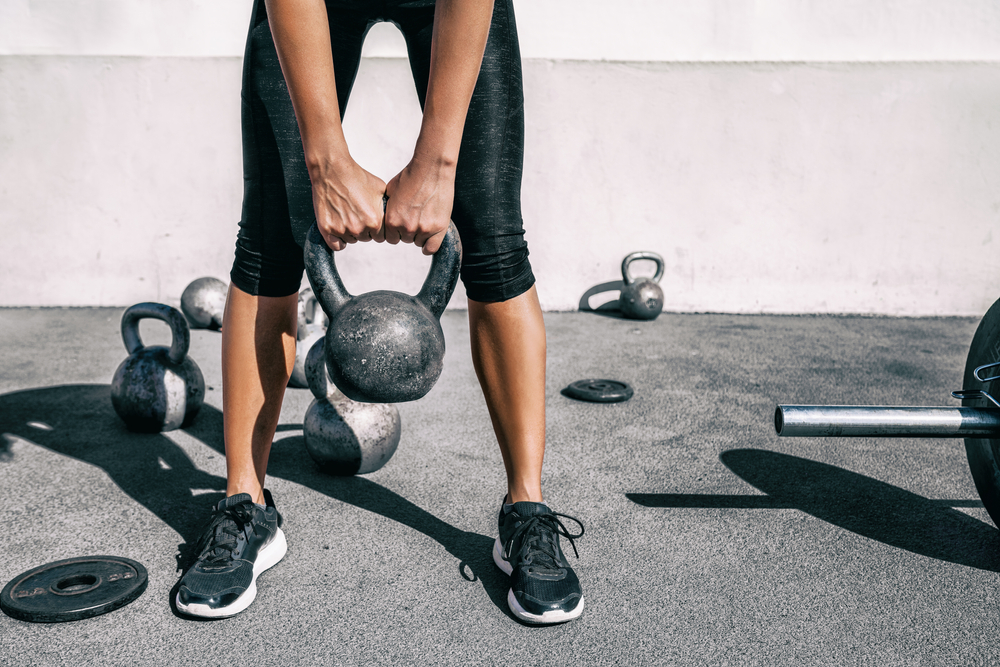
Complexity is the enemy of consistency. Many beginners quit because they try to follow advanced "bodypart split" routines they found online, leading to confusion and injury. Industry studies show that nearly half of all new gym members stop attending within six months, often because they feel judged or simply don't see progress. To avoid this, simplify your training to the 7 Primal Movements: Squat, Hinge, Lunge, Push, Pull, Rotation, and Gait.
Focusing on these movements ensures you are getting a full-body workout that translates to real-world strength. This approach is particularly effective when starting a fitness journey over 40, as it prioritizes joint health and functional mobility over aesthetic isolation. By mastering a simple squat or a rows, you build the mechanical foundation needed for long-term resistance training. Having a pre-written plan focused on these basics allows you to move with purpose. When you walk onto the floor knowing exactly which four or five exercises you are going to do, you spend less time looking around and more time doing the work, which are key tips for staying focused on your own workout.
6. Create Your 'Invisible Shield': Headphones and Playlists
There is a reason why almost every experienced athlete wears headphones. Beyond the motivational benefits of music, headphones serve as a psychological "invisible shield." They signal to the room that you are in the zone and focused on your task. For those struggling with overcoming weight room anxiety for beginners, a well-curated workout playlist can drown out the intimidating clanking of weights and the distracting conversations of others.
Your audio environment can help you maintain your rhythm and pace. Use high-tempo tracks for cardio and more focused, rhythmic beats for strength training. Additionally, keeping your workout plan visible on your phone or in a notebook acts as a secondary shield. When you have your eyes on your data, you aren't looking around to see who might be looking at you. This combination of audio isolation and visual focus creates a private "bubble" within a public space, making the larger gym environment feel much smaller and more manageable. If you are ever feeling a surge of social anxiety, just focus on the next song and the next rep.
7. Find Your Tribe: Wellness Communities and Classes
Isolation often breeds intimidation. If the gym floor feels like a lonely place, consider moving into a group setting. Joining a wellness community through beginner-friendly group exercise classes—like yoga, introductory spin, or bodyweight circuits—can provide a supportive entry point. In a class, everyone is doing the same thing at the same time under the guidance of an instructor. This removes the "what do I do next?" anxiety and replaces it with collective energy.
If classes aren't your style, booking a few personal training sessions can be a game-changer. A trainer acts as your coach and your bodyguard, ensuring your form is correct and navigating the gym floor for you. They help you build the technical skills that lead to lasting self-efficacy. Whether it's a small group or one-on-one coaching, having a "tribe" or a mentor provides the accountability and professional guidance needed to make the gym feel like a second home rather than a foreign territory.
FAQ
How can I overcome gymtimidation as a beginner?
The most effective way to overcome gymtimidation is through preparation and exposure. Start by scheduling a gym induction to learn the layout and equipment. Visit during off-peak hours to reduce the pressure of crowds, and have a structured workout plan ready so you never feel lost. Over time, as your familiarity with the environment increases, your anxiety will naturally decrease.
What causes gym anxiety?
Gym anxiety is typically caused by a combination of the spotlight effect—the feeling that others are judging you—and a lack of self-efficacy regarding equipment use. For many, the weight room can feel like a highly gendered or exclusionary space, which adds to the intimidation. Recognizing that these feelings are common and usually based on internal perceptions rather than external reality is the first step toward managing them.
How do I stop feeling judged at the gym?
Stopping the feeling of judgment requires cognitive reframing. Remind yourself that the vast majority of people at the gym are focused solely on their own goals and challenges. Using tools like headphones and a focused workout playlist can help you stay in your own bubble. Additionally, wearing performance fabrics that make you feel secure and comfortable can reduce self-consciousness about your appearance.
What should I do if I don't know how to use gym equipment?
If you are unsure how to use a machine, do not guess, as this can lead to injury. Most machines have instructional diagrams on the side. If those are unclear, ask a member of the gym staff for help; they are there specifically to ensure members use equipment safely. You can also look up short video demonstrations of specific machines on your phone while at the gym.
Is it worth hiring a personal trainer for gym anxiety?
Yes, hiring a personal trainer is one of the fastest ways to build confidence. A trainer provides professional guidance on form, creates a customized plan for you, and helps you navigate the gym floor. Having an expert by your side removes the guesswork and provides a layer of social support that can significantly lower anxiety during your initial weeks.