Quick Facts
- Standard Block Size: 9x6x4 inches for versatile height and stability
- Material Choice: Cork for heavy-duty stability (900g+) and Foam for comfort (160g)
- Strap Length: 6 to 10 feet depending on user height and intended stretch
- Primary Function: Effective floor elevation and reach extension to maintain form
- Safety Benefit: Significant reduction in joint strain and enhanced posture correction
- Beginner Tip: Start with foam blocks for restorative work and cork for standing poses
Using yoga props like blocks and straps enhances alignment by bringing the floor closer to the practitioner and extending their reach. These accessories provide essential stability and support, allowing yogis of all levels to maintain proper form without compromising posture or risking injury. By using these tools, practitioners can focus on body awareness and structural integrity during difficult transitions.
The Physics of Support: Choosing the Right Materials
In my years as a preventive healthcare editor, I have seen many practitioners treat props as a sign of weakness. In reality, they are essential yoga alignment accessories that facilitate a safer, deeper practice. The journey of mastering your alignment starts with understanding the tools in your kit. Choosing the right materials is not just about aesthetics; it is about the physics of support.
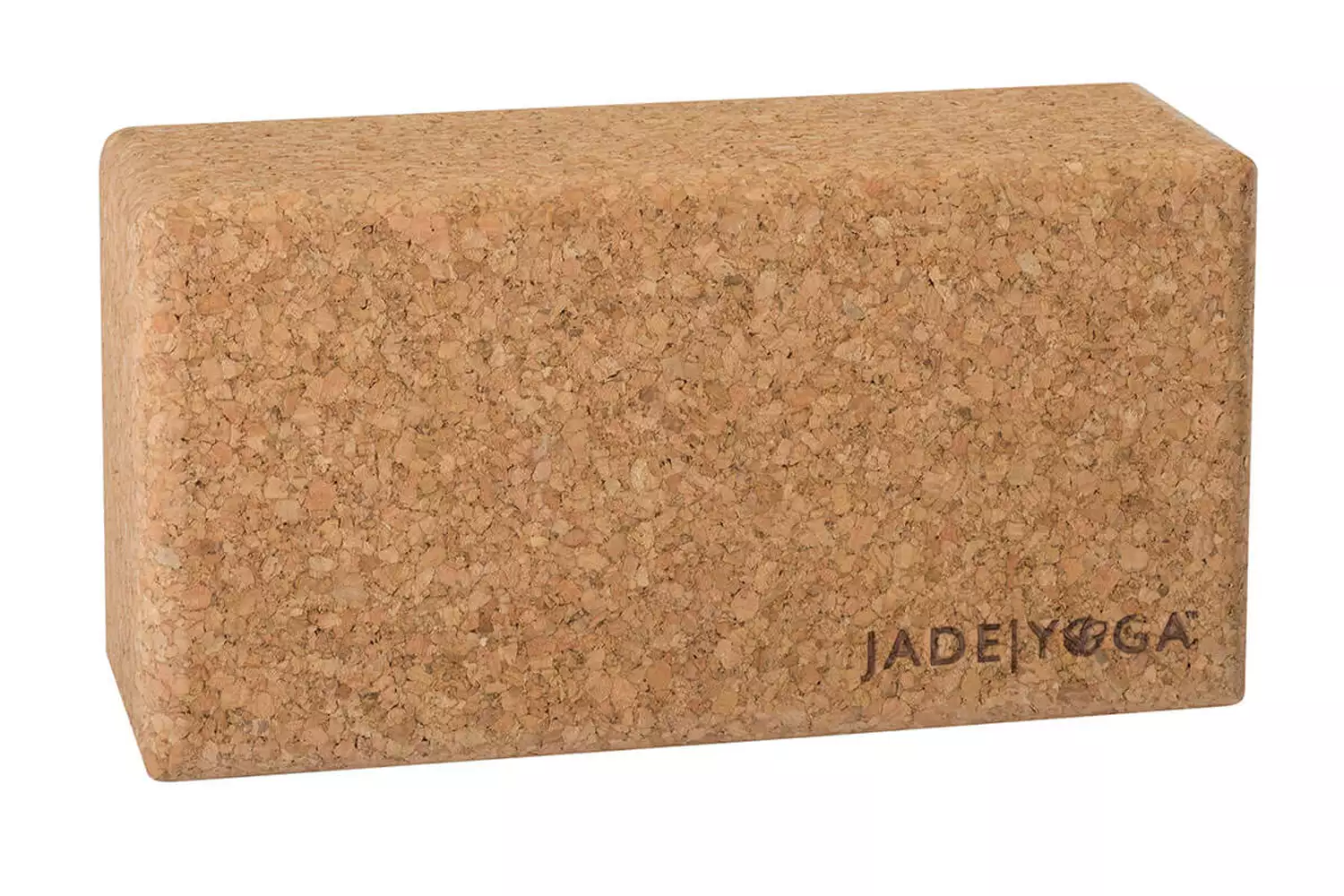
When you are learning how to choose quality yoga accessories, you will likely choose between cork and foam. Cork blocks are favored for their density, often weighing around 927g. This weight provides a firm foundation for inversions and standing poses where you need the block to stay put. On the other hand, foam blocks are much lighter, typically around 164g, making them ideal for restorative sessions where comfort and gentle support are the priority.
| Feature | Cork Blocks | Foam Blocks |
|---|---|---|
| Weight | ~927g (High Density) | ~164g (Low Density) |
| Best For | Standing balance and inversions | Restorative poses and cushioning |
| Grip | High traction, even when wet | Soft touch, can be slippery |
| Durability | High, long-lasting | Moderate, may dent over time |
| Material | Natural, eco-friendly materials | Synthetic EVA foam |
Regardless of the material, look for blocks with beveled edges. These rounded corners allow for a more secure and comfortable grip, which is vital for maintaining structural integrity during transitions. High-quality accessories ensure that you are not just mimicking a shape, but actually supporting your unique anatomy.
Enhancing Range of Motion with Blocks and Straps
One of the most significant hurdles in any wellness routine is the physical limitation of our current flexibility. Using yoga props helps bridge this gap. Yoga blocks help elevate the floor in standing poses, providing biomechanical support for those with limited flexibility. For instance, in Triangle Pose, placing a block under your hand prevents the torso from collapsing forward, ensuring your chest stays open and your spine remains long.
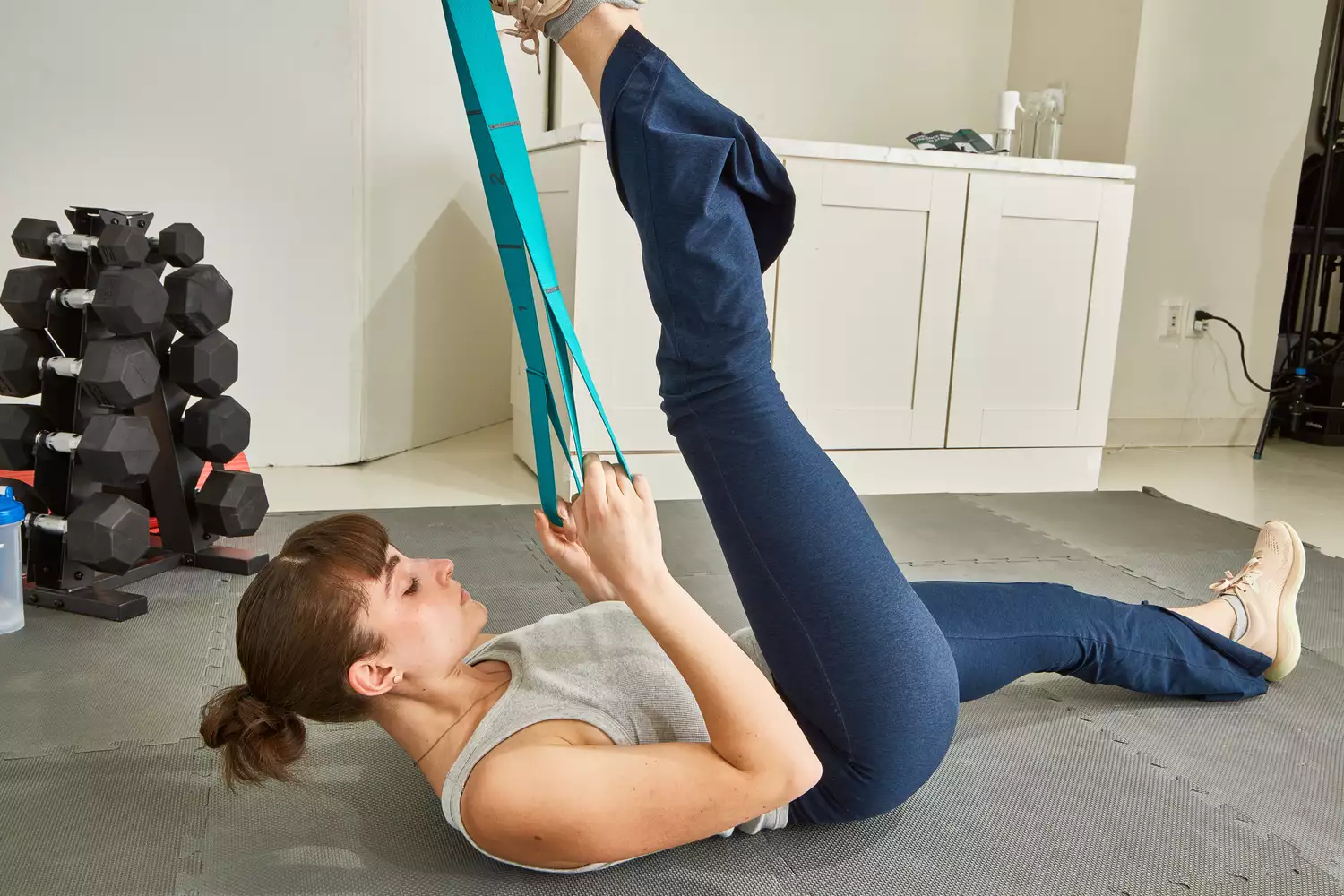
Learning how to use yoga blocks for alignment allows you to find the correct posture without straining your lower back. Similarly, straps act as an extension of the arms, assisting with deeper stretches and improving range of motion in the shoulders and hamstrings. If you cannot reach your toes in a seated forward fold, a strap allows you to maintain a flat back while still feeling the stretch in the back of your legs.
The benefits of yoga blocks and straps extend beyond just making poses easier. They help build muscle memory. When your body experiences the sensation of correct alignment with the help of a tool, it begins to recognize that sensation even when the tool is removed. This gradual improvement in body awareness is key to a long-term, sustainable practice. Furthermore, the benefits of yoga straps for flexibility are unmatched for those with tight shoulders, as they allow for gradual opening without the risk of snapping or overstretching.
Anatomy of Alignment: Preventing Injuries
Safety is the cornerstone of preventive healthcare. In yoga, the ego often drives us to push into shapes that our bodies are not yet ready for. Scientific research suggests that while yoga props are intended to improve alignment, their misuse to force the body beyond its natural physical limitations can paradoxically increase the risk of injury. This is why using props correctly is so vital for preventing yoga injuries with props.
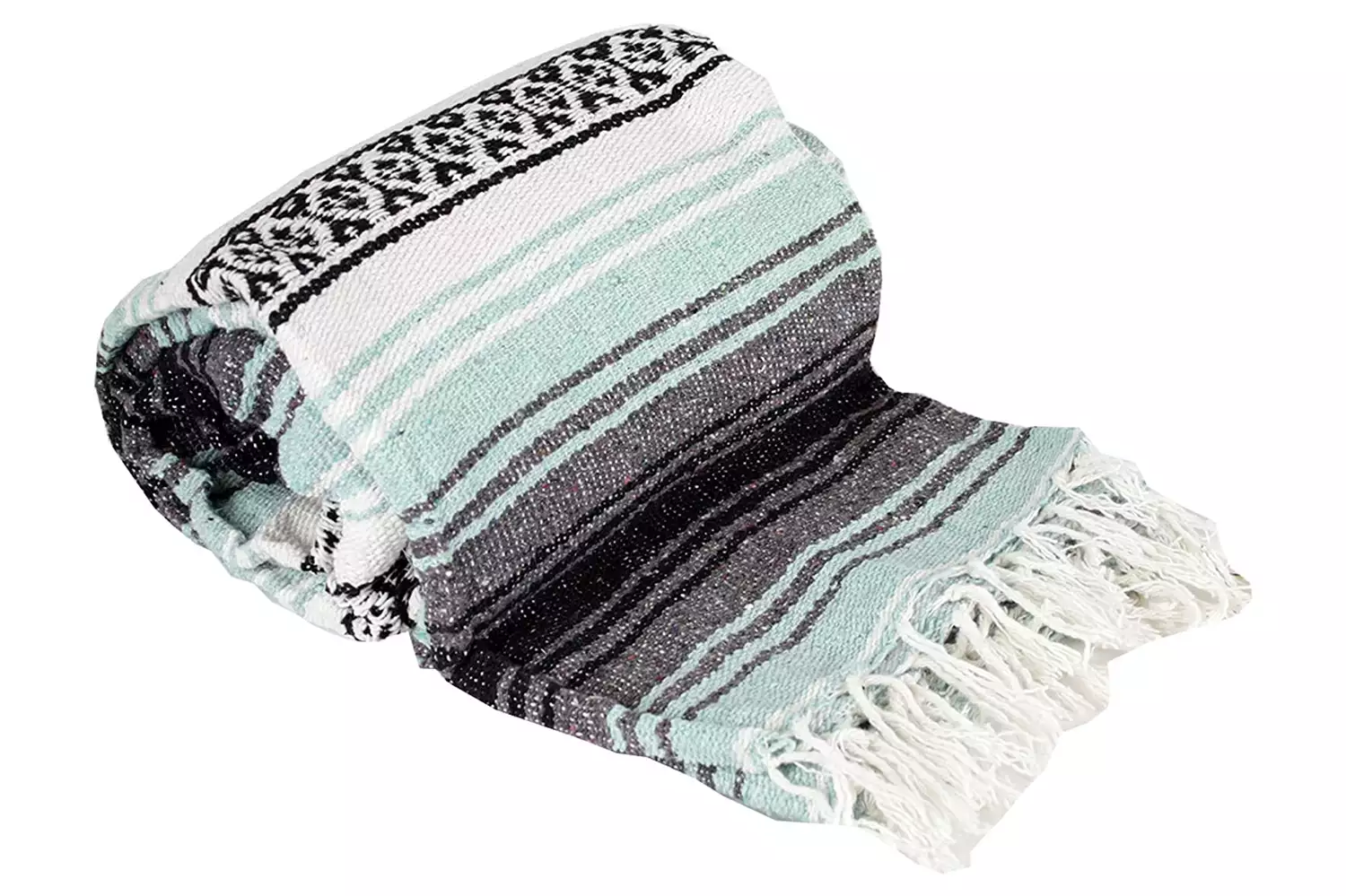
For many, wrist pain in poses like Downward Dog can be a major deterrent. Using specialized wedges can provide joint protection by altering the angle of the wrist, redistributing weight more evenly. Similarly, using yoga blankets for seated poses is a simple yet transformative modification. By sitting on the edge of a folded blanket, you can elevate the hips, which encourages the pelvis to tilt forward and helps maintain the natural curve of the spine.
These accessibility modifications are not just for beginners. They provide injury recovery support for experienced practitioners and ensure that the practice remains accessible for aging populations. Incorporating supportive props like restorative bolsters and blankets promotes a safe and sustainable yoga practice that respects the body’s current state. By focusing on posture correction and joint safety, you are investing in your long-term wellness rather than just a temporary workout.
FAQ
What are the most common yoga props for beginners?
The most common tools for those starting out include two foam or cork blocks, a six-foot cotton strap, and a firm blanket. These items provide floor elevation and help with basic posture correction. A high-quality mat is also essential to provide a stable foundation and joint protection during transitions.
How do yoga blocks help improve flexibility?
Blocks improve flexibility by allowing you to hold poses longer and with better form. Instead of reaching for the floor and straining your muscles, you reach for the block. This stability allows your muscles to relax into the stretch safely, which eventually increases your natural range of motion over time.
What are the benefits of using yoga props in your practice?
The benefits of using yoga props in your practice include improved alignment, increased safety, and greater accessibility. They allow you to experience the full expression of a pose regardless of your current physical limitations. Props also help in building muscle memory and enhancing body awareness, making your practice more mindful and effective.
When should I use a yoga strap during a session?
You should use a strap whenever you feel yourself compromising your posture to reach a limb. Common examples include seated forward folds, where a strap helps keep the spine straight, or in shoulder openers where your hands cannot quite meet behind your back. It acts as a reach extension to keep the body in its proper plane.
Are yoga props only for people with limited mobility?
Not at all. Even advanced practitioners use props to deepen their practice and explore new challenges. For example, a block can be used to add resistance or to find more height in an arm balance. They are tools for precision and structural integrity, regardless of how flexible or strong a person might be.
Elevate Your Practice Today
Mastering your practice is a journey of mindfulness and self-care. By using yoga props, you are making a conscious choice to honor your body and its unique needs. Whether it is using yoga prop modifications for beginners to find your footing or utilizing advanced yoga alignment accessories to refine your form, these tools are your allies.
Remember that the goal of yoga is not to reach your toes, but to learn what happens on the way down. By focusing on structural integrity and preventing yoga injuries with supportive props, you ensure that your practice remains a source of health and joy for years to come. Embrace these tools as a way to deepen your connection to your body, improve your range of motion, and foster a more intentional daily routine.