Quick Facts
- Primary Roles: Magnesium facilitates ATP production and muscle relaxation; Vitamin C serves as a major antioxidant and assists in Carnitine synthesis.
- Energy Pathways: Magnesium is the spark plug for mitochondrial health, while Vitamin C supports metabolic efficiency by helping the body burn fat for fuel.
- Timing Strategy: Take magnesium malate 2 hours before exercise for energy, or magnesium glycinate before bed for recovery. Vitamin C is best taken 30-60 minutes around your workout.
- Athletic Requirements: Research indicates that strenuous exercise can increase an athlete's magnesium requirements by 10% to 20% due to losses through sweat and urine.
- Synergy: Combining magnesium and vitamin c for athletes provides a dual-action approach to reducing systemic inflammation and managing cortisol regulation.
- Bioavailability: Focus on mineral chelation forms like magnesium glycinate and liposomal delivery for Vitamin C to ensure maximum absorption and gut comfort.
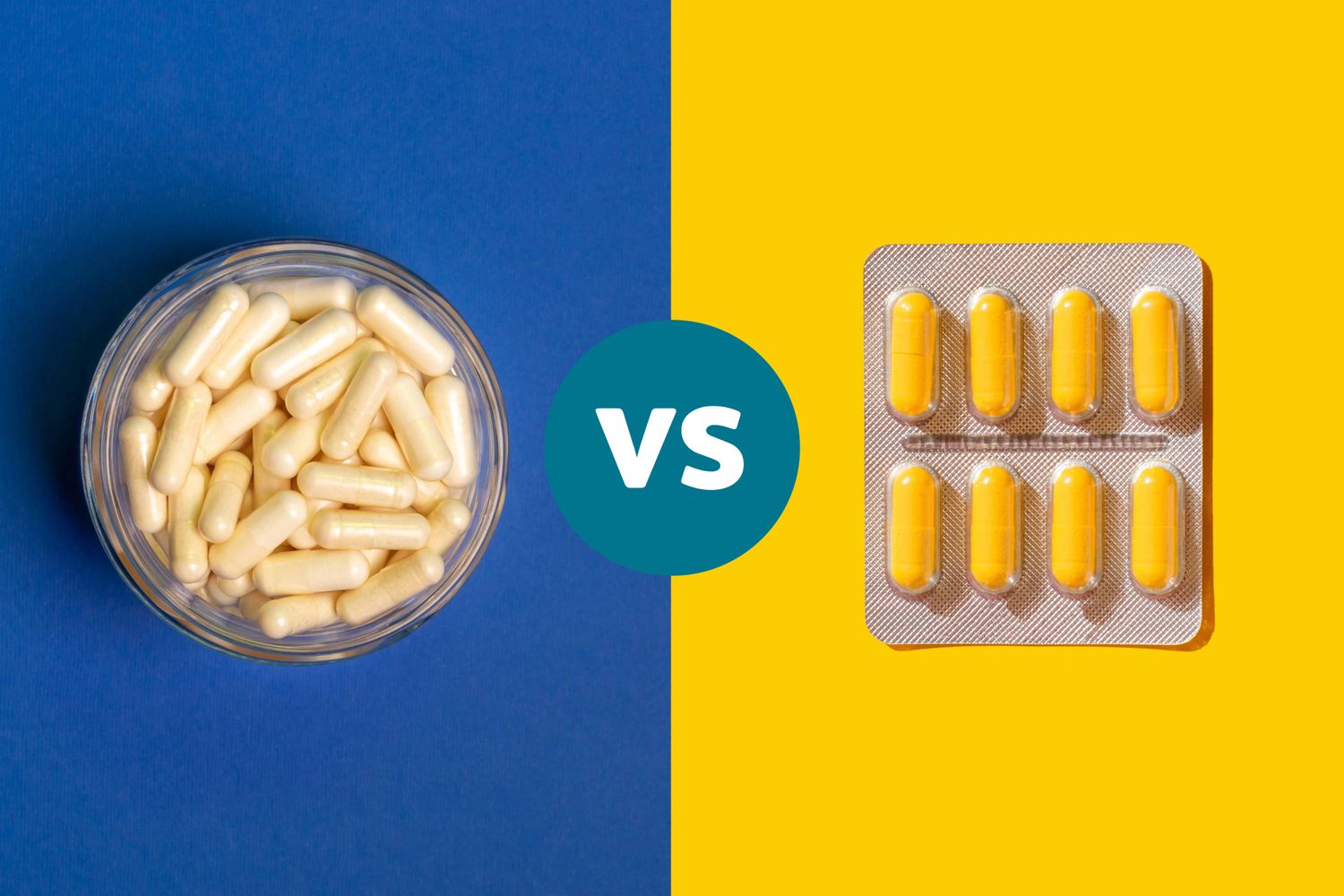
Choosing between Magnesium vs Vitamin C depends on your fitness goals. Magnesium fuels ATP synthesis for immediate power, while Vitamin C supports metabolic efficiency via carnitine synthesis. Together, they form a potent duo for athletes looking to maximize energy and recovery.
Cellular Energy: Magnesium for ATP vs. Vitamin C for Fat Metabolism
When we talk about energy at the cellular level, we are really talking about ATP (adenosine triphosphate). This molecule is the primary energy currency of the human body. However, ATP cannot function on its own; it must be bound to a magnesium ion to become biologically active. This is why magnesium is considered a critical cofactor for mitochondrial health. Without sufficient levels, your mitochondria cannot effectively convert the food you eat into the energy required for muscle contractions. For those seeking a boost before hitting the gym, comparing magnesium malate vs vitamin c for pre-workout energy reveals that magnesium malate is often the superior choice for immediate cellular "ignition." The malic acid component in this form plays its own role in the Krebs cycle, further enhancing energy production.
On the other hand, vitamin c for exercise energy levels works through a slightly more indirect but equally vital pathway. One of the primary roles of ascorbic acid is the synthesis of Carnitine. This is a compound that transports long-chain fatty acids into the mitochondria so they can be oxidized (burned) for energy. If you are an endurance athlete or someone performing high-intensity interval training, your ability to utilize fat as a fuel source is essential for metabolic efficiency. By maintaining optimal Vitamin C levels, you ensure that your body doesn't hit a "wall" early in your session due to an inability to access fat stores.
The synergy between these two nutrients is what creates sustained stamina. While magnesium ensures the engine is running and the ATP is active, Vitamin C ensures that the fuel lines are open. This comprehensive approach to cellular energy is why many elite performers prioritize both rather than choosing one over the other.
Muscle Recovery and Stress Management
Post-exercise recovery is where the benefits of combining magnesium and vitamin c for athletes truly shine. After a grueling workout, your body is in a state of high oxidative stress. Intense physical exertion generates reactive oxygen species, which are unstable molecules that can damage muscle cells and contribute to lingering soreness. Vitamin C acts as a frontline defense, neutralizing these molecules and supporting tissue repair. Furthermore, Vitamin C is essential for cortisol regulation. High levels of cortisol, the stress hormone, can lead to muscle breakdown and delayed recovery if left unchecked. By modulating the adrenal response, Vitamin C helps transition the body from a "fight or flight" state to a "rest and digest" state.
Magnesium complements this by focusing on electrolyte homeostasis and neuromuscular function. When you exercise, your muscles contract and relax through a delicate balance of calcium and magnesium. Calcium triggers the contraction, while magnesium facilitates the relaxation. If you are low on magnesium for post-workout recovery, your muscles may stay in a partially contracted state, leading to those painful post-gym cramps. Magnesium also helps regulate neuromuscular signals, ensuring that your nervous system isn't overstimulated after a late-evening workout.
For those wondering how to stack magnesium and vitamin c for muscle recovery, the goal is to address both the physical structure of the muscle and the chemical environment of the body. While Vitamin C works on healing micro-tears in the muscle fibers and reducing inflammation, magnesium relaxes the tension and restores the mineral balance lost through sweat. This combination significantly shortens the window of delayed onset muscle soreness (DOMS).
Optimization Protocol: Timing and Dosage for Athletes
To get the most out of your supplement routine, you need to understand the nuances of timing and mineral chelation. Not all supplements are created equal, and the timing of your intake can be the difference between a PR and a lackluster session.
The best time to take magnesium vs vitamin c for exercise depends on the specific form of the nutrient. For energy, taking magnesium malate about two hours before your workout provides the necessary cofactor for energy production. However, if your primary goal is recovery and sleep quality, taking magnesium glycinate in the evening is more effective. The glycine in this form has a calming effect on the brain, which, combined with the muscle-relaxing properties of magnesium, creates the perfect environment for deep sleep. Vitamin C is best utilized when taken in smaller, divided doses throughout the day or focused around the 30-60 minute window post-exercise. This timing helps capitalize on its role in reducing post-exercise oxidative stress when it is at its peak.
When considering the daily magnesium and vitamin c dosage for high intensity athletes, it is important to look beyond the standard RDA. Most health organizations suggest a baseline of 310-420mg of magnesium for adults, but the National Institutes of Health notes that physical activity increases these requirements. Athletes should aim for the upper end of that range, potentially adding a 10% to 20% buffer depending on their training volume. For Vitamin C, while the RDA is relatively low (75-90mg), many performance-oriented protocols suggest 500mg to 1,000mg to effectively manage inflammation.
- Magnesium Forms to Prioritize:
- Magnesium Malate: Best for morning or pre-workout energy.
- Magnesium Glycinate: Best for evening recovery and neuromuscular function.
- Magnesium Taurate: Excellent for cardiovascular support during endurance events.
- Vitamin C Delivery Methods:
- Liposomal Vitamin C: Offers superior bioavailability and is gentle on the stomach.
- Ascorbic Acid with Bioflavonoids: Mimics the nutrient profile found in whole foods.
- Buffered Vitamin C: Ideal for those with sensitive digestive systems.
The Deficiency Checklist: Is Your Performance Suffering?
Many athletes operate in a state of subclinical deficiency without even realizing it. Standard blood tests for magnesium are often misleading because only about 1% of the body's magnesium is found in the blood; the rest is stored in bones and soft tissues. This means your serum levels might look "normal" while your muscles are starving for minerals.
Are you experiencing any of these signs of magnesium deficiency affecting workout performance?
- [ ] Frequent Muscle Cramps: Involuntary twitches or "charley horses" during or after training.
- [ ] Exercise Intolerance: Feeling unusually winded or fatigued during sets that were previously manageable.
- [ ] Poor Sleep Quality: Difficulty falling asleep or waking up feeling unrefreshed despite a full night's rest.
- [ ] Increased Sensitivity to Noise: A sign that the nervous system is over-reactive due to lack of mineral regulation.
- [ ] Prolonged Muscle Soreness: Taking more than 48-72 hours to recover from a standard workout.
- [ ] Frequent Colds: A potential sign that your Vitamin C levels are too low to support your immune system under physical stress.
If you find yourself checking more than two of these boxes, it may be time to reassess your nutritional strategy. Transitioning from a general multivitamin to a targeted stack that prioritizes bioavailability and mineral chelation can result in a noticeable shift in your power output and recovery speed.
FAQ
Can you take magnesium and vitamin C together?
Yes, you can certainly take them together. In fact, they are often found in the same complex supplements. There is no evidence to suggest that they negatively interfere with each other's absorption. Taking them together can actually be beneficial for overall metabolic efficiency, as they address different aspects of cellular health simultaneously.
What is the difference between magnesium and vitamin C benefits?
The primary difference lies in their biological roles. Magnesium is a mineral that acts as a cofactor for over 300 enzymatic reactions, primarily focusing on energy production, muscle relaxation, and nervous system health. Vitamin C is a water-soluble vitamin that serves as a powerful antioxidant, helps in the synthesis of collagen and carnitine, and supports the immune system.
Does vitamin C interfere with magnesium absorption?
Current nutritional science suggests that Vitamin C does not interfere with magnesium absorption. In some cases, a slightly acidic environment (which Vitamin C provides) can actually help minerals like magnesium dissolve more effectively in the stomach, potentially aiding the absorption process.
Should I take magnesium or vitamin C for sleep?
For sleep, magnesium is the clear winner. Magnesium glycinate, in particular, helps regulate neurotransmitters that calm the nervous system and relaxes muscle tension. While Vitamin C is essential for overall health, it does not have the same direct sedative or relaxing effect on the brain and muscles that magnesium does.
What are the side effects of taking magnesium and vitamin C?
The most common side effect for both is digestive upset. High doses of magnesium (especially the oxide or citrate forms) can have a laxative effect. Similarly, very high doses of Vitamin C can cause diarrhea or stomach cramps. To avoid these issues, choose high-bioavailability forms like glycinate or liposomal versions, and gradually increase your dosage to find your personal tolerance level.