Quick Facts
- Primary Research: A landmark 2018 study published via the National Institutes of Health indicates that women who participate in regular aerobic activity experience a total labor duration nearly one hour shorter than those who do not.
- The Golden Number: Aim for 150 minutes of moderate-intensity cardio for shorter labor duration each week to see the most significant physiological benefits.
- Labor Time Reduction: Active participants averaged a total labor time of 450 minutes compared to 507 minutes in the control group.
- First Stage Benefits: The first stage of labor was also notably shorter, averaging 409 minutes for active women versus 462 minutes for those who remained sedentary.
- Recommended Activities: Low-impact options like swimming, brisk walking, and stationary cycling are ideal for maintaining heart rate monitoring and physical stamina.
- Safety Threshold: Avoid lying flat on your back after 16 weeks of pregnancy to ensure optimal blood circulation for both mother and baby.
Research suggests that 150 minutes of weekly cardio for shorter labor duration can reduce total delivery time by nearly an hour. Engaging in moderate exercise for labor helps build the physical stamina needed for childbirth. By maintaining a consistent routine of prenatal aerobic activity benefits, expectant mothers can improve their cardiovascular health and maternal health, ultimately leading to a more efficient delivery process.
The 150-Minute Rule: How Cardio Shortens Labor
When we talk about the marathon of motherhood, we usually mean the years of upbringing that follow birth. However, as any midwife or obstetrician will tell you, the act of labor itself is perhaps the most intense physical event a human body can undergo. It requires immense physical stamina and specific cardiovascular health. New research has finally put a number on the level of preparation required to potentially shave time off your delivery: 150 minutes per week.
The science behind this is fascinating. Labor is a high-intensity metabolic event. During contractions, your heart rate rises and your muscles require a steady supply of oxygenated blood. By engaging in regular exercise for labor, you are essentially "training" your heart and lungs to handle this surge in demand. A randomized clinical trial found that pregnant women who followed a moderate aerobic exercise program had a total labor duration averaging 450 minutes, significantly shorter than the 507-minute average for the control group.
This isn't just about finishing faster; it is about labor pain management and endurance. When your body is conditioned, you are less likely to experience exhaustion during the transition and pushing phases. The same study highlighted that women in a supervised physical exercise program experienced a shorter first stage of labor, averaging 409 minutes compared to 462 minutes for those who did not exercise. This reduction in time can mean fewer medical interventions and a more positive birth experience overall.
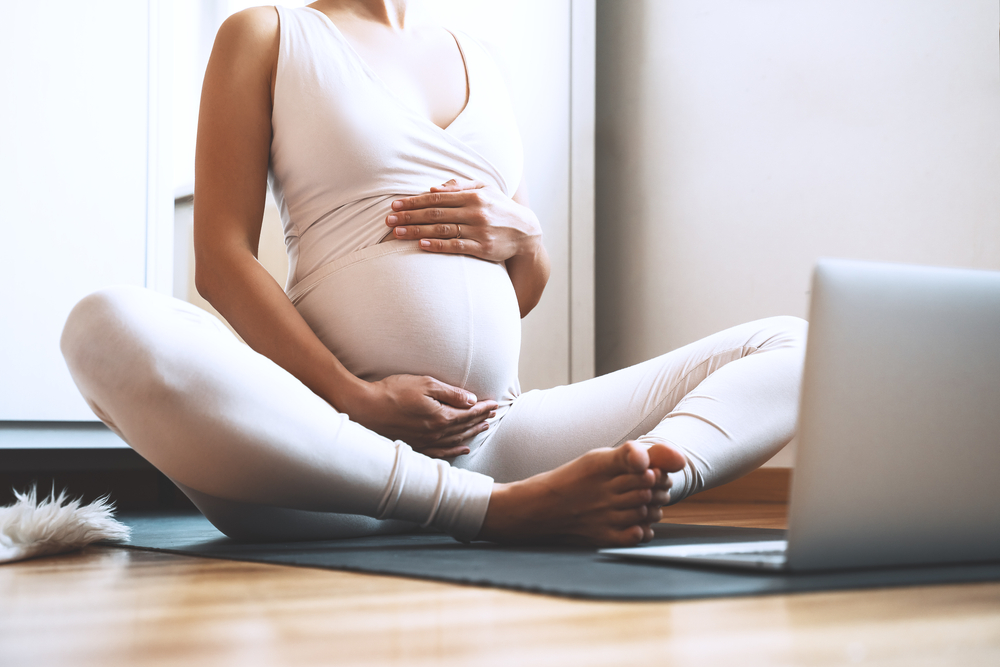
Best Low-Impact Exercises for Labor Prep
The goal of 150 minutes a week might sound daunting, especially when you are dealing with pregnancy fatigue or morning sickness. However, the beauty of this guideline is its flexibility. You do not need to spend hours at the gym; instead, you can break your prenatal aerobic activity benefits into manageable 10-minute bursts throughout the day or aim for 30 minutes, five days a week.
Swimming and Water Aerobics
Swimming is often called the "perfect" pregnancy exercise. The buoyancy of the water supports your growing bump, taking the pressure off your joints and lower back. It allows you to maintain a healthy heart rate while improving blood circulation without the risk of overheating. Many women find that swimming benefits for labor preparation are psychological as well as physical, providing a sense of weightlessness and calm.
Brisk Walking
For those looking for safe prenatal aerobic exercises for beginners, walking is the most accessible option. It requires no special equipment other than a supportive pair of shoes. Brisk walking helps to keep the baby in an optimal position for birth by using gravity and the natural sway of the hips. It is an excellent way to build physical stamina without overtaxing the body.
Stationary Cycling
As your center of gravity shifts, traditional cycling can become risky due to the danger of falls. Stationary cycling, however, remains a safe pregnancy workout tips staple. It provides a vigorous cardiovascular workout while protecting the pelvic floor from high-impact jarring. It is particularly effective for those in their second trimester who want to maintain a higher intensity of exercise for labor safely.
Pelvic Mobility and Fetal Positioning
While cardio builds the engine, mobility work prepares the "track." Preparing the pelvic floor and ensuring the birth canal can open effectively is just as crucial as cardiovascular health. Integrating strength and alignment movements into your routine can assist with fetal descent and reduce the likelihood of back pain during the later stages of pregnancy.
Squats and lunges for pelvic floor mobility are perhaps the most vital movements you can practice. Squats help to widen the pelvic outlet, providing more room for the baby to move down. When performed with proper form, they also strengthen the glutes and hamstrings, which provide the power needed during the pushing stage. If you are unsure how to modify pregnancy workouts third trimester, consider using a birthing ball for support while squatting to take some of the weight off your knees.
Another essential movement is the use of pelvic tilts for back pain and birth prep. Pelvic tilts involve gently arching and rounding the lower back while on all fours. This movement helps to alleviate the pressure of the uterus on the spine and can encourage a "sunny-side up" baby to rotate into the correct anterior position. Practicing these daily—perhaps in 20 to 40 repetitions—improves pelvic floor strength and encourages better breathing techniques, which are vital for labor pain management.
Safety First: When to Stop and What to Avoid
As an editor focused on women's health, I cannot emphasize enough that every pregnancy is unique. While the 150-minute rule is a fantastic target, it must be balanced with intuition and medical advice. Your body undergoes massive hormonal shifts that loosen your ligaments, making you more prone to injury.
Safety Warning: The 16-Week Rule After 16 weeks of pregnancy, you should avoid any exercises that require you to lie flat on your back. The weight of the growing uterus can compress the vena cava, a major vein that returns blood to the heart, potentially causing dizziness and reducing blood flow to the placenta.
It is also important to steer clear of high-risk activities. Contact sports, downhill skiing, or anything with a high fall risk should be sidelined until after postpartum recovery. Furthermore, avoid high-altitude environments above 6,000 feet if you are not accustomed to them, and skip hot yoga or any environment where the temperature exceeds 95°F. Overheating can be dangerous for fetal development.
Always prioritize an obstetrician consultation before starting or significantly changing your routine. Listen for warning signs that your body has had enough. If you experience dizziness, vaginal bleeding, chest pain, or a sudden decrease in fetal movement, stop exercising immediately and contact your healthcare provider. Your maternal health is the priority, and sometimes the best exercise for labor is knowing when to rest.

FAQ
What exercises help prepare for labor?
The most effective exercises include a mix of cardiovascular activities and mobility work. Brisk walking, swimming, and stationary cycling build the necessary physical stamina, while squats, lunges, and pelvic tilts help open the pelvis and strengthen the muscles used for pushing.
Can specific exercises make labor easier or faster?
Yes, research indicates that 150 minutes of moderate aerobic exercise per week can shorten the duration of labor by nearly an hour. Exercise helps the body manage the metabolic demands of contractions and can improve the efficiency of the first stage of labor.
What are the best pelvic floor exercises for labor?
Pelvic tilts and deep squats are highly recommended. Pelvic tilts help with fetal positioning and back pain relief, while squats increase pelvic floor strength and help mobilize the birth canal, making it easier for the baby to descend during delivery.
Are there exercises to avoid when preparing for labor?
You should avoid contact sports, activities with a high risk of falling, and any exercise that involves lying flat on your back after 16 weeks. Additionally, avoid exercising in extreme heat or at high altitudes unless you are already acclimated to those conditions.
Does physical fitness impact recovery after delivery?
Absolutely. Maintaining physical fitness during pregnancy supports a faster postpartum recovery. Stronger muscles and a healthy cardiovascular system help the body heal more quickly and manage the physical demands of caring for a newborn.
Building a routine around exercise for labor is one of the most proactive steps you can take for your birth experience. Whether it is a daily walk or a weekly swim, every minute contributes to your strength, your health, and the arrival of your little one.