Lily Anderson Preventive Care & Lifestyle Editor Specializing in evidence-based wellness, Lily focuses on helping readers build sustainable routines for sleep optimization, stress reduction, and long-term musculoskeletal health. Her holistic approach bridges the gap between clinical advice and daily self-care.
Quick Facts
- Acute Phase: The first 0–72 hours after an injury are critical for controlling inflammation.
- Ice-to-Heat Switch: Stop icing and start applying heat at the 48-hour mark to boost blood flow.
- The 12lb Rule: The average human head weighs 12 lbs, placing constant stress on the cervical spine when posture is poor.
- Recovery Timeline: Expect 2 weeks for minor pulls, while severe strains may require months of rehabilitation.
- Nutrition Priority: Muscle tissue synthesis requires increased protein intake and magnesium for fiber relaxation.
- Red Flags: Seek professional help immediately if you experience numbness, radiating arm pain, or weakness.
Effective muscle strain treatment at home begins with the RICE protocol: protect the injured area, rest for 24–48 hours, and apply ice for 10–15 minutes every two hours to reduce swelling. After inflammation subsides, usually after 48 hours, applying heat can help soothe muscles and improve blood circulation to the affected neck tissues.
The Invisible Burden: Understanding Neck Fatigue
In our modern, screen-heavy world, the cervical spine carries a heavy, constant burden. Every time you tilt your head down to check a notification, the effective weight on your neck muscles increases significantly beyond the base 12 lbs of the human skull. This persistent tension is a primary driver of injury.
According to global health data, neck pain is an escalating crisis. Globally, neck pain affected approximately 203 million people in 2020, and projections indicate that cases will increase by 32.5 percent to reach an estimated 269 million by the year 2050. This surge highlights a desperate need for effective muscle strain treatment strategies that address both immediate relief and long-term prevention. Furthermore, the prevalence of neck pain typically peaks between the ages of 45 and 74 years for both men and women worldwide, suggesting that our cumulative lifestyle habits eventually catch up to us in midlife.
Is It a Pull or a Tear? Identifying Muscle Strain Symptoms
Determining the severity of your injury is the first step toward recovery. A neck strain occurs when the muscle fibers or tendons are stretched too far, resulting in muscle fiber micro-tears.
Clinically, these are categorized into three grades:
- Grade I (Mild): A small number of fibers are stretched. You may feel localized tenderness and stiffness, but your range of motion is mostly intact.
- Grade II (Moderate): A significant number of fibers are torn. You will notice increased pain, swelling, and decreased flexibility.
- Grade III (Severe): A complete rupture of the muscle. This often involves intense pain and a total loss of function in the affected area.
Common muscle strain symptoms include a dull ache that worsens with movement, muscle spasms, and localized swelling. If you feel "knots" in your trapezius or along the side of your neck, these are likely protective spasms where the body tries to immobilize the area to prevent further damage.
Red Flag Warning: While most neck pain is muscular, if you experience sudden weakness in your hands, a "pins and needles" sensation down your arms, or a loss of bladder control, skip home care and consult a physician immediately. These are signs of nerve involvement or cervical spine issues that require urgent diagnosis.
The First 48 Hours: Immediate Neck Muscle Strain Treatment at Home
The goal of the acute phase is simple: limit the damage and control the inflammatory response. This is where the RICE protocol is most effective, though it must be adapted for the delicate anatomy of the neck.
1. Rest and Protection Avoid the activity that caused the injury. For the first 24 to 48 hours, keep movement to a minimum. This doesn't mean total bed rest—which can actually lead to chronic stiffness—but rather avoiding heavy lifting, overhead reaching, or prolonged "tech neck" positions.
2. Strategic Icing Ice is your best tool for vasoconstriction, which limits swelling. Apply a cold pack wrapped in a thin towel for 10–15 minutes every two hours. Never apply ice directly to the skin, as the neck has thin tissue and sensitive nerves.
3. Gentle Compression and Elevation While you can't easily "wrap" a neck like an ankle, a soft scarf or a specialized neck wrap can provide a sense of security and light support. When sleeping, use a supportive pillow to keep your head elevated and in a neutral alignment with your spine.
For inflammation management, over-the-counter NSAIDs like Ibuprofen can be helpful, but they should be used as a short-term bridge, not a permanent solution for muscle strain treatment.
The Recovery Phase: How to Speed Up Muscle Strain Recovery
Once the initial swelling has subsided—typically after the 48-hour mark—your strategy must shift from "protection" to "rehabilitation." This is the phase where you transition to heat therapy. Applying a heating pad for 15–20 minutes at a time encourages blood circulation to the affected neck tissues, delivering the oxygen and nutrients needed for cellular repair.
To further speed up muscle strain recovery, you must gradually reintroduce movement. Stiffness is the enemy of healing. Begin with very gentle range of motion exercises:
- Chin Tucks: Gently tuck your chin toward your chest without tilting your head down, creating a "double chin" effect. This resets the cervical spine alignment.
- Side-to-Side Rotations: Slowly turn your head to the left until you feel a light stretch, hold for 5 seconds, then repeat on the right.
- Shoulder Blade Squeezes: Since the neck and upper back are connected, squeezing your shoulder blades together helps take the load off the neck muscles.
If home care doesn't yield results within 72 hours, professional intervention through physical therapy or chiropractic care is recommended. Techniques like soft tissue therapy and dry needling can break up scar tissue and improve cervical spine mobility far faster than rest alone.
Nutrition and Long-Term Prevention: Beyond the Exercises
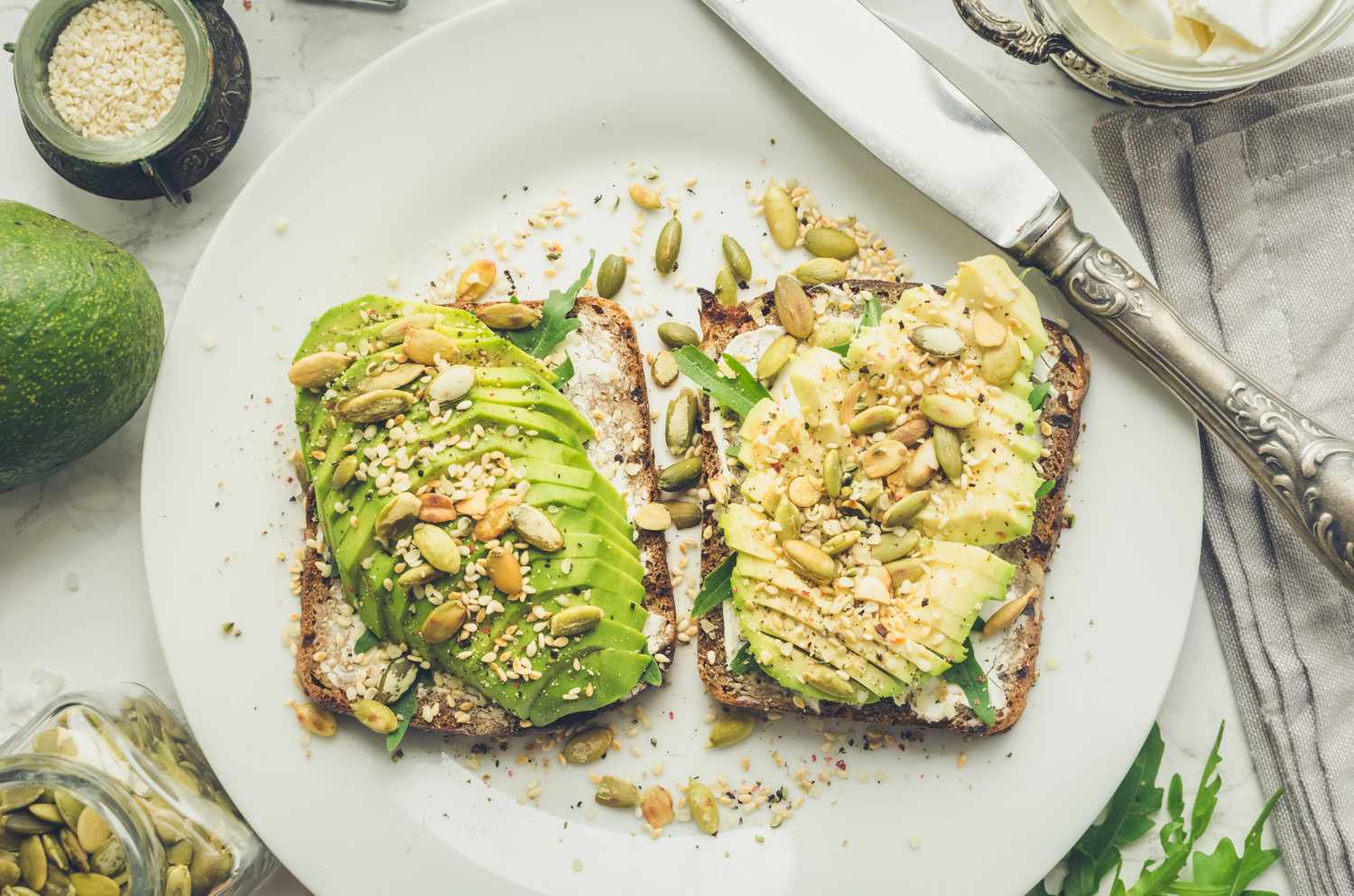
Healing happens from the inside out. Your body cannot rebuild muscle fiber micro-tears without the proper raw materials. An anti-inflammatory diet is essential here. Focus on magnesium supplements or magnesium-rich foods like spinach and pumpkin seeds to help relax the muscle fibers and prevent the painful spasms associated with trapezius muscle strain treatment.
Hydration is equally critical. Dehydrated muscles are less pliable and more prone to injury. Aim for at least 2–3 liters of water daily to improve nutrient delivery to damaged fibers and flush out metabolic waste.
Long-term prevention is about postural correction and ergonomic adjustments. If you work at a desk, your screen should be at eye level so your head isn't tilted forward. Consider using an ergonomic pillow that supports the natural curve of your neck while you sleep, preventing the "morning crick" that often leads to a more serious strain. Nutrition for muscle strain healing should also include high-quality protein; aim for 1.2 to 1.5 grams of protein per kilogram of body weight during the acute recovery phase to support tissue synthesis.
FAQ
What is the fastest way to heal a muscle strain?
The fastest way to facilitate healing is a combination of the RICE protocol for the first 48 hours followed by a transition to heat therapy and gentle movement. Consistency in icing during the first two days is the most effective way to prevent the excessive swelling that slows down repair.
How long does it take for a pulled muscle to heal?
For a mild Grade I strain, you can expect to feel better in 1 to 2 weeks. Moderate Grade II strains typically take 4 to 6 weeks, while a severe Grade III tear may require 3 months or longer and may necessitate professional rehabilitation.
What are three symptoms of a muscle strain?
The three most common symptoms are localized tenderness (pain when touching the area), significant stiffness that limits movement, and muscle spasms or "knots" that occur as the body attempts to protect the injured fibers.
How to tell if muscle is torn or strained?
In medical terms, a strain is a tear of muscle fibers. The difference lies in the degree. If you feel a "pop" followed by immediate, intense bruising and a complete inability to move the muscle, it is likely a severe (Grade III) tear. A strain is usually a more gradual onset of pain or a sharp pull followed by stiffness.
What medicine is best for muscle strain?
Non-steroidal anti-inflammatory drugs (NSAIDs) like Ibuprofen or Naproxen are generally the best for reducing the swelling that causes pain. For muscle spasms, a doctor may prescribe a short course of muscle relaxants, though these should be used with caution due to their sedative effects.
What to drink for muscle repair?
Water is the most important fluid for maintaining tissue elasticity. Additionally, drinks rich in electrolytes (magnesium, potassium, and calcium) help prevent cramping, while tart cherry juice has been shown in studies to reduce muscle soreness due to its high antioxidant and anti-inflammatory content.