Quick Facts
- Primary Goal: Reducing biological joint age through movement.
- Top Strategy: Progressive knee loading exercises for long term stability.
- Science: Strength training reduces symptomatic OA risk by 23%.
- Frequency: Aim for a knee longevity workout routine 3 times a week.
- Core Focus: Targeted quadriceps engagement and joint lubrication.
- Longevity Benefit: Knee extensor strength is linked to lower epigenetic age acceleration.
To keep your biological age young, the best knee longevity exercises include low-impact movements like straight leg raises, seated knee extensions, and wall sits. These specific knee longevity exercises promote synovial fluid circulation and strengthen the kinetic chain, protecting the cartilage from age-related wear and enhancing overall joint resilience movements.
The Biology of Knee Longevity: Why Movement Reverses Aging
In the world of longevity science, we often talk about cellular health and metabolic efficiency, but your musculoskeletal system is the primary vehicle for that vitality. Your knees are not just mechanical hinges; they are living tissues that require mechanical loading to stay "young." Without regular movement, the cartilage becomes brittle, and the joint loses its natural lubrication.
When you engage in a knee anti-aging workout, you are stimulating the production of synovial fluid. Think of this as the oil for your joint's engine. This fluid delivers nutrients to the cartilage and removes metabolic waste. Furthermore, a clinical study observed that sedentary middle-aged women reduced their epigenetic age by two years following just eight weeks of a combined aerobic and strength training program. This suggests that physical intervention doesn't just make you feel better—it literally alters your biological clock.
Sarcopenia prevention is another critical piece of the longevity puzzle. As we age, we naturally lose muscle mass, particularly in the lower body. This loss of muscle puts immense stress on the knee joint itself. By focusing on knee mobility drills to reduce biological joint age, you ensure that the muscles surrounding the joint—the quadriceps, hamstrings, and calves—take the brunt of the weight, sparing the cartilage preservation. Research indicates that greater knee extensor strength is significantly associated with lower epigenetic age acceleration across multiple biological clocks in the general population.
Pillar 1: Strength - Low-Impact Knee Strengthening for Stability
Strength is the foundation of joint resilience. For many of my readers, high-impact activities like running or heavy squatting may already feel taxing on the joints. That is where low-impact knee strengthening comes into play. By focusing on controlled, targeted movements, you can build the necessary support structure without causing inflammation.
Straight Leg Raises
This is one of the most effective at home knee longevity exercises for beginners because it isolates the quadriceps without putting any pressure on the knee joint itself.
- Benefit: Strengthens the front of the thigh to help the knee track properly.
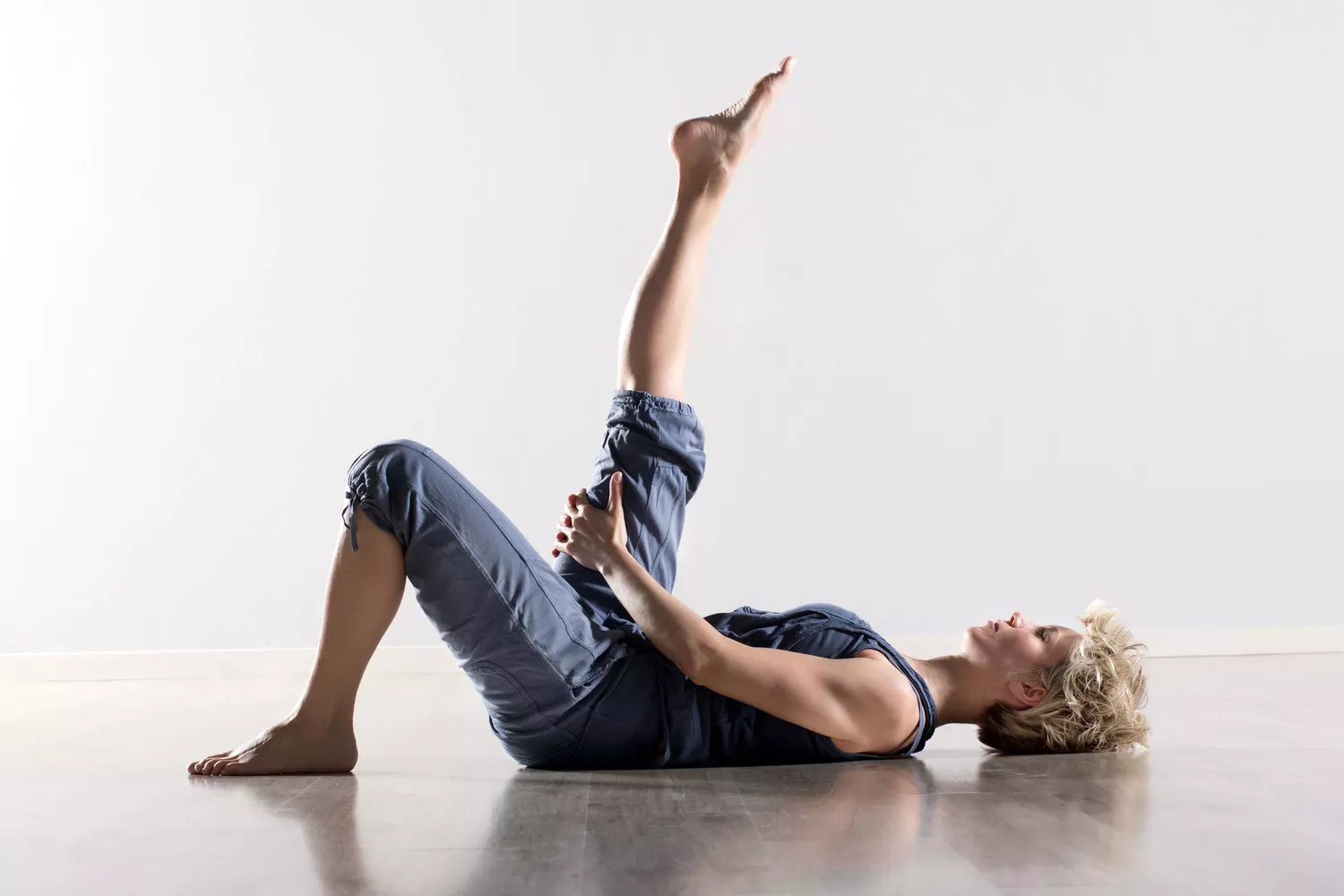
- How-to: Lie flat on your back with one leg bent and the other straight. Lift the straight leg to the height of the opposite knee, hold for two seconds, and slowly lower it back down.
- Modification: Perform this while leaning against a wall if you have lower back sensitivity.
- Mistake: Arching the back or using momentum rather than muscle control.
Seated Knee Extensions
Seated knee extensions allow for a focused eccentric muscle contraction, which is essential for rebuilding connective tissue health.
- Benefit: Targets the vastus medialis, the muscle just above the kneecap that is crucial for stability.
- How-to: Sit in a sturdy chair with your feet flat. Slowly extend one leg until it is straight out in front of you. Squeeze your quad at the top and slowly lower.
- Modification: Use an ankle weight or a resistance band to increase the difficulty as you progress.
- Mistake: Letting the foot drop quickly; the lowering phase is where the longevity work happens.

Mini Squats
These are vital for low impact knee strengthening exercises for seniors because they mimic the daily motion of sitting and standing without deep knee flexion.
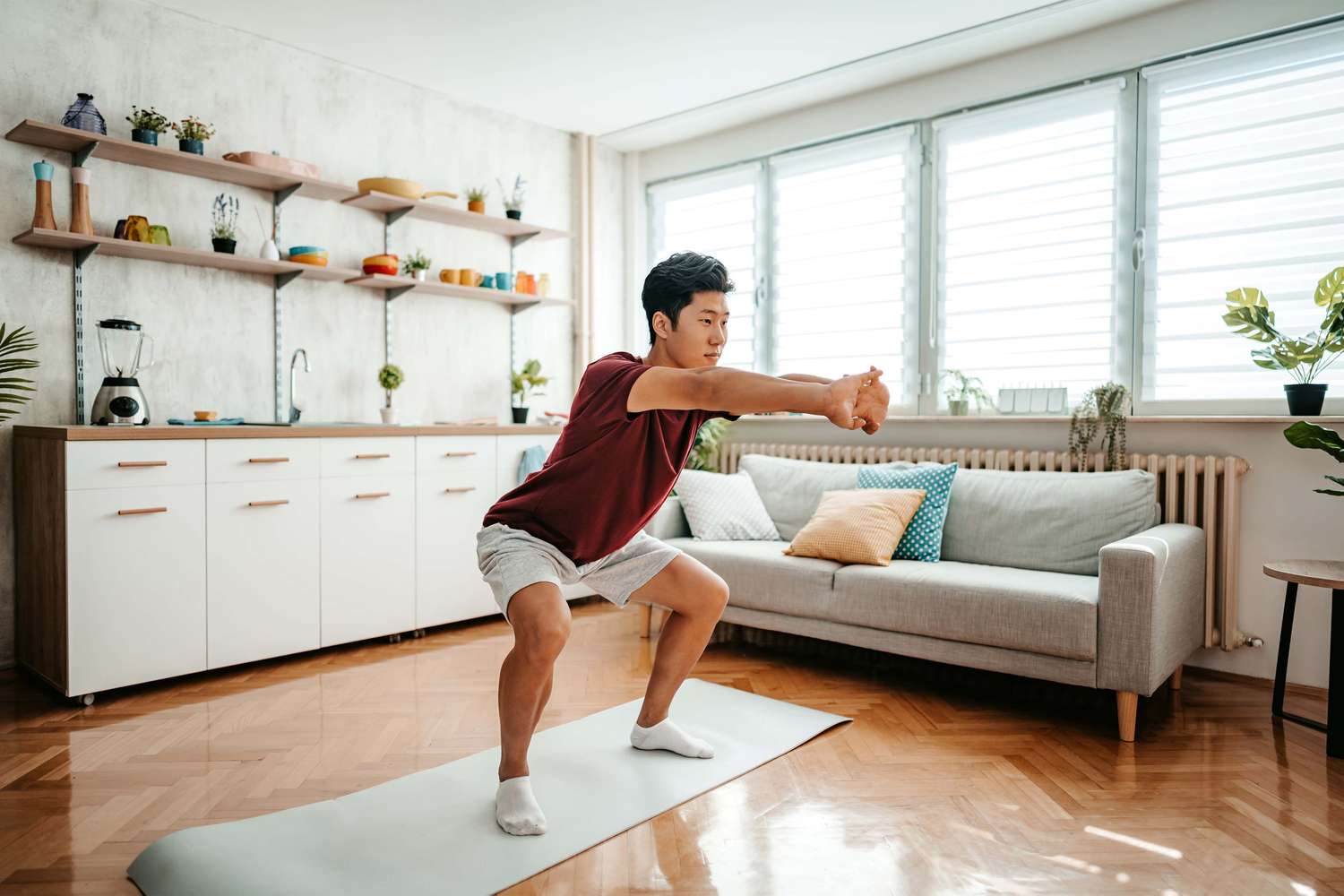
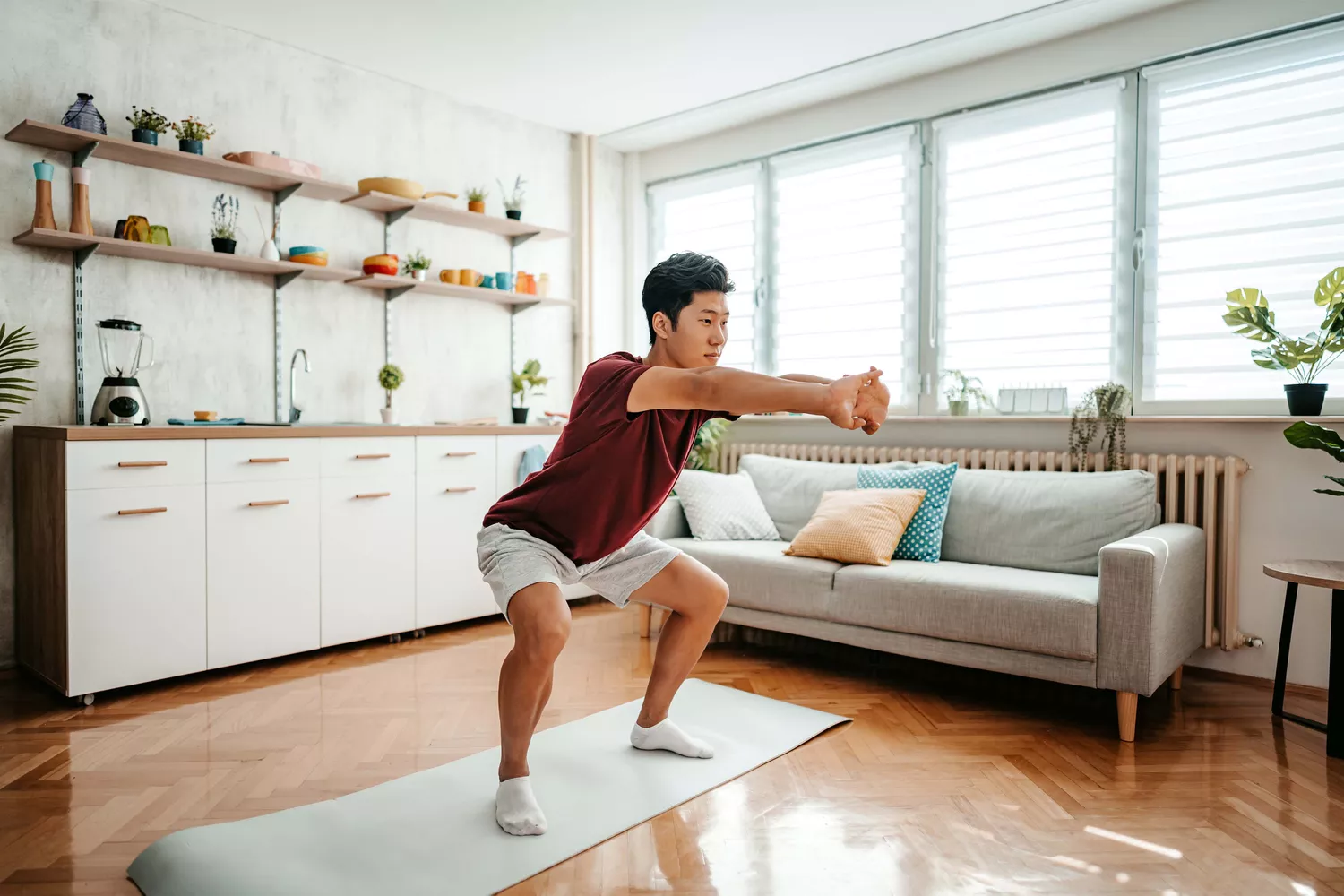
- Benefit: Strengthens the entire kinetic chain including the glutes and quads.
- How-to: Stand with feet shoulder-width apart. Lower your hips only about 4 to 5 inches, as if sitting on a high stool, and then stand back up.
- Modification: Hold onto a kitchen counter or a heavy chair for balance.
- Mistake: Letting the knees cave inward or lean too far over the toes.
Pillar 2: Resilience - Joint Resilience Movements & Balance
Knee health isn't just about the knee. It's about the kinetic chain—the interconnected system of the hips, knees, and ankles. If your hips are weak, your knees will rotate inward, leading to uneven wear on the cartilage. Incorporating joint resilience movements that focus on stability and balance and stability is paramount for long-term health.
Focusing on progressive knee loading exercises for long term stability helps the body adapt to the demands of daily life, whether that’s hiking a trail or simply walking up a flight of stairs. Isometric holds, such as wall sits, are particularly effective here because they build muscle endurance and joint stability without moving the joint surface.
Side Leg Raises
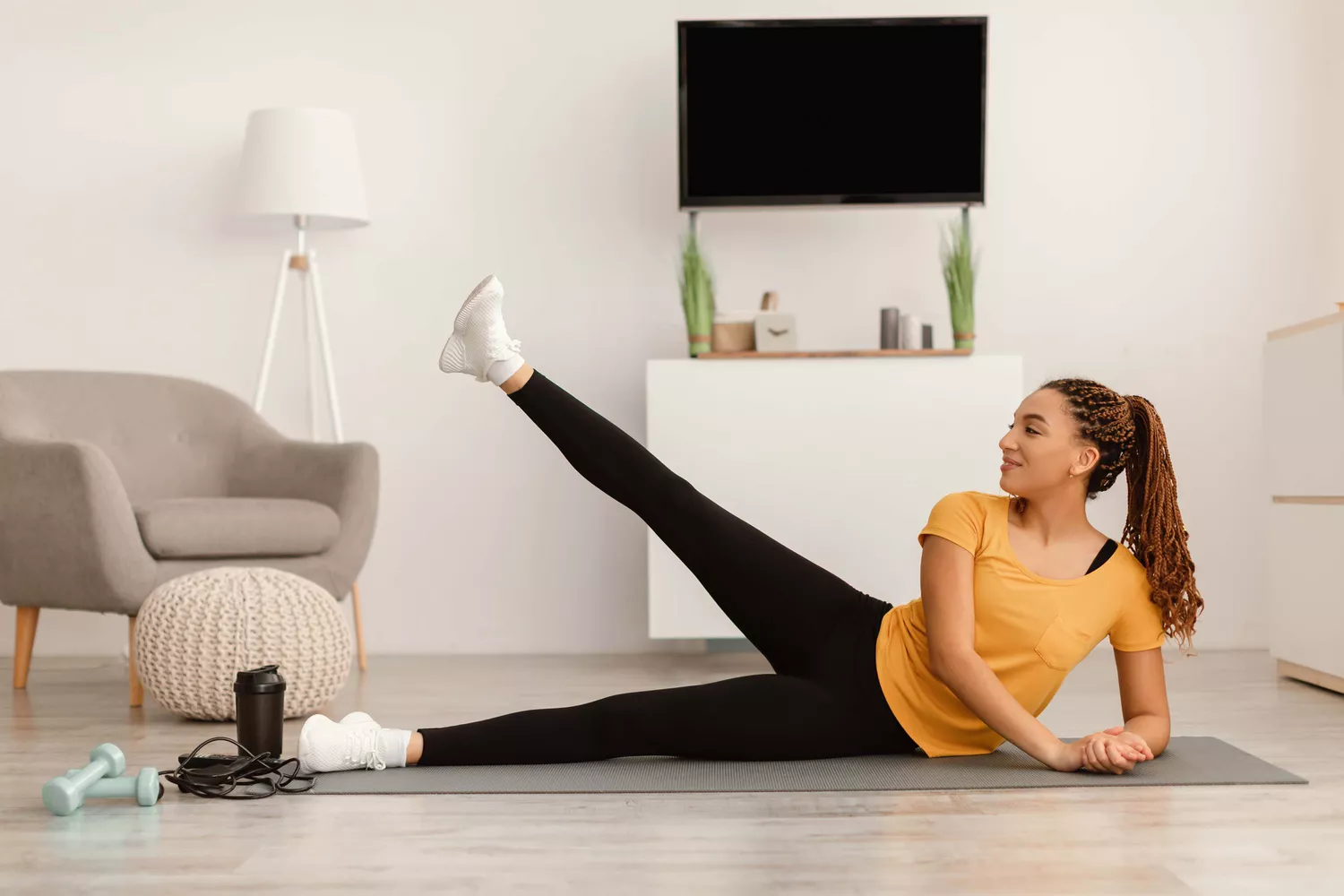
- Benefit: Strengthens the hip abductors, which prevent the knee from collapsing inward.
- How-to: Lie on your side with legs stacked. Raise the top leg toward the ceiling while keeping the hips square, then lower slowly.
- Modification: Can be done standing while holding a chair for balance.
- Mistake: Rotating the hip backward during the lift.
Single-Leg Stands
- Benefit: Improves proprioception and the small stabilizer muscles around the knee and ankle.
- How-to: Stand on one leg with a slight bend in the knee. Aim to hold for 30 seconds without touching the ground with the other foot.
- Modification: Keep one finger on a wall for slight assistance.
- Mistake: Locking the knee of the standing leg.
Pillar 3: Mobility - Preventative Exercises for Cartilage Health
If you want to reduce your biological joint age, you must maintain a full range of motion. Joint stiffness is a hallmark of biological aging. By performing preventative exercises for knee cartilage health, you ensure the connective tissue health remains pliable.
Knee mobility drills to reduce biological joint age involve gentle stretching and gliding of the joint. When the muscles around the knee, such as the calves and hamstrings, are too tight, they pull on the joint, causing misalignment and pain.
Calf Stretches
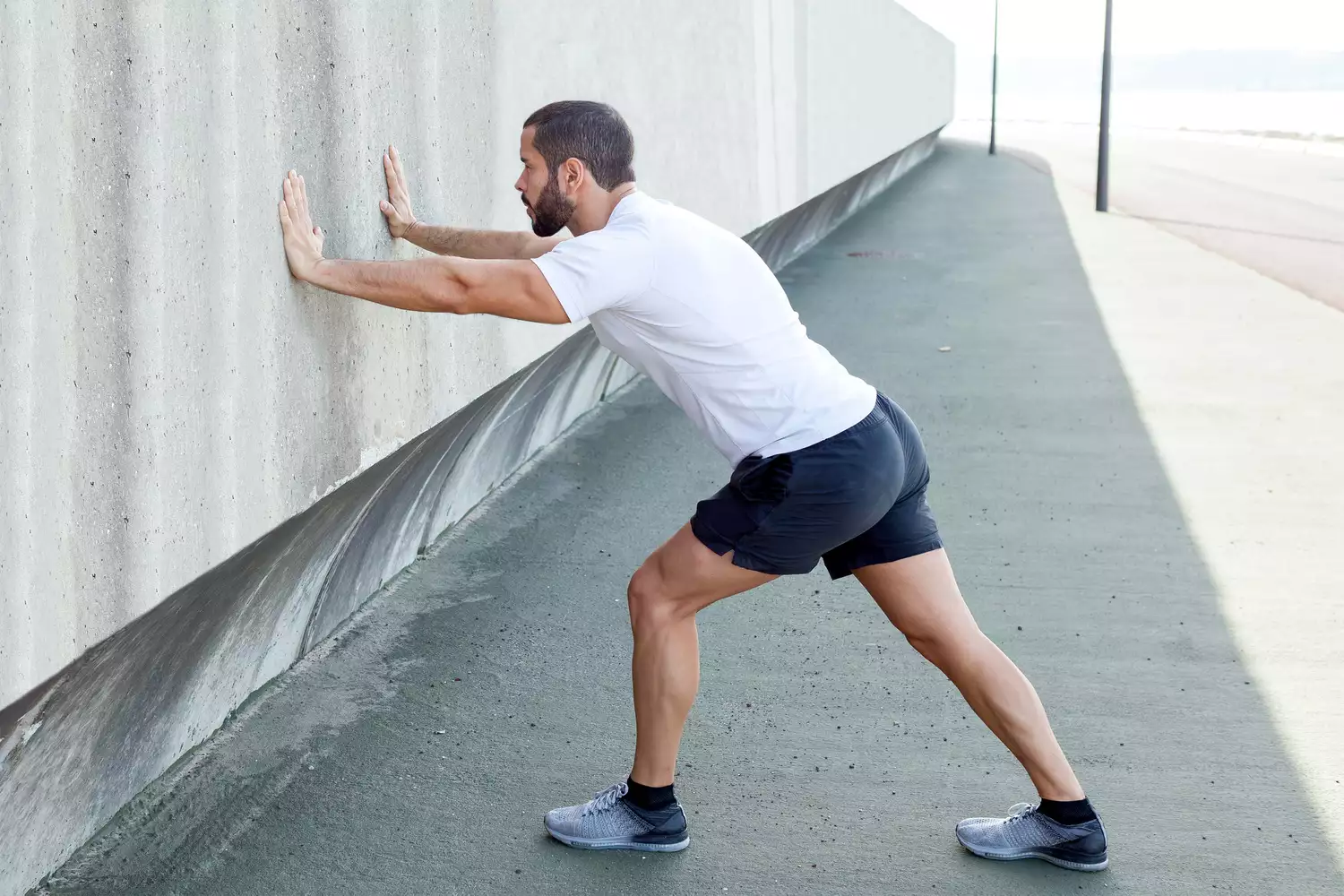
- Benefit: Reduces the tension on the back of the knee and improves ankle mobility.
- How-to: Stand facing a wall. Step one foot back and keep the heel on the floor while leaning forward.
- Modification: Perform this seated using a towel wrapped around the ball of your foot.
- Mistake: Lifting the heel off the ground.
Heel Slides
- Benefit: Gently restores the bending and straightening range of the knee.
- How-to: Lie on your back with legs straight. Slowly slide one heel toward your buttocks as far as comfortable, then slide it back out.
- Modification: Use a plastic bag or a smooth board under the heel to make sliding easier on carpet.
- Mistake: Forcing the range of motion beyond the point of comfort.
Safety First: What to Avoid and When to See a Doctor
When starting any knee longevity exercises, the goal is long-term sustainability, not short-term intensity. Understanding the difference between a "good" burn and a "bad" pain is the first step in effective inflammation management. Individuals who participate in strength training at any stage of life have been found to have a 23% lower risk of developing symptomatic knee osteoarthritis compared to those who do not engage in resistance exercise, but that assumes the exercise is performed correctly.
| Sensation | Likely Cause | Action |
|---|---|---|
| Dull ache in muscles | Muscle fatigue/strength building | Continue, but allow for rest |
| Sharp, stabbing joint pain | Cartilage or ligament stress | Stop immediately and consult a doctor |
| Warmth or mild swelling | Minor inflammation | Use RICE (Rest, Ice, Compression, Elevation) |
| Grinding with no pain | Normal crepitus | Continue with caution and focus on form |
What to Avoid:
- Deep, Unweighted Squats: These can put excessive shear force on the kneecap if your form isn't perfect.
- High-Impact Jumping: Until your foundational strength is built, avoid box jumps or burpees.
- Locking the Knees: Always maintain a "micro-bend" to ensure the muscles, not the bone, are supporting your weight.
The Routine: A Knee Longevity Workout Routine 3 Times a Week
Consistency is the secret sauce of longevity. You cannot "cram" joint health. I recommend a structured knee longevity workout routine 3 times a week, leaving at least 24 hours between sessions for tissue repair.
- Monday: Strength Focus (Straight Leg Raises, Seated Extensions, Mini Squats) - 3 sets of 15 reps.
- Wednesday: Resilience & Balance (Side Leg Raises, Wall Sits, Single-Leg Stands) - 3 sets, 30-second holds.
- Friday: Mobility & Restoration (Heel Slides, Calf Stretches, Glute Bridges) - 3 sets of 10-12 slow reps.
In addition to these specific movements, aim for 150 minutes of moderate aerobic activity, such as brisk walking or swimming, each week. Walking is excellent for maintaining functional mobility, as it provides the rhythmic loading necessary for nutrient exchange in the cartilage.
FAQ
What are the best exercises for long-term knee health?
The most effective movements for the long haul are those that strengthen the quadriceps and hips while remaining low-impact. This includes straight leg raises, wall sits, and seated knee extensions. These exercises build the protective muscle "armor" around the joint without the wear and tear of high-impact sports.
How often should you perform knee longevity exercises?
Consistency is key for biological age reversal. Aim to perform your routine three times per week. This frequency allows for significant strength gains and synovial fluid circulation while providing the necessary rest days to prevent overtraining and inflammation.
Can exercise prevent knee replacement surgery?
While some degenerative conditions may eventually require surgical intervention, regular strength training is a powerful preventive tool. By building muscle strength and maintaining cartilage health, many individuals can significantly delay or entirely avoid the need for knee replacement by keeping the joint stable and functional.
Is walking good for knee longevity?
Yes, walking is one of the best activities for knee health. It provides low-impact mechanical loading that stimulates the circulation of synovial fluid, which lubricates the joint. For the best results, ensure you have supportive footwear and try to walk on varied surfaces to challenge your stability.
What are the most effective low-impact exercises for knees?
Isometric exercises like wall sits and concentric/eccentric movements like seated knee extensions are the gold standard. These movements allow you to fatigue the muscle—stimulating growth and health—without the repetitive pounding that can damage sensitive cartilage.