Quick Facts
- Method: A synergistic combination of mechanical abdominal compression and parasympathetic nervous system activation.
- Top Pose for Gas: Pawanmuktasana, also known as the Wind-Relieving Pose, specifically designed to release trapped air.
- Top Pose for Stool: Ardha Matsyendrasana or Seated Twist, which uses a wringing motion to stimulate the colon.
- Key Stat: An integrative study showed a 42.5% reduction in constipation symptom severity through regular yoga practice.
- Anatomical Tip: Always perform twists to the right side first to follow the natural upward path of the ascending colon.
- Prevalence: Research shows that nearly 18% of the general population experiences bloating at least once per week.
Yoga for constipation works by stimulating peristalsis through abdominal organ massage and activating the parasympathetic nervous system via deep diaphragmatic breathing. These specific yoga poses for bloating relief create healthy intestinal compression to move waste through the gastrointestinal tract.
Feeling backed up? yoga for constipation offers a natural solution. By combining abdominal organ massage with vagus nerve stimulation, specific yoga poses for bloating relief can trigger peristalsis and help you find comfort quickly. Whether you are dealing with a temporary bout of sluggishness or chronic digestive issues, movement is often the missing piece of the puzzle. As a preventive healthcare editor, I have seen how lifestyle habits like these stretches for constipation relief can transform long-term gut health without relying solely on over-the-counter interventions.
The Gut-Brain Connection: How Yoga Stimulates Digestion
To understand why yoga for digestion and constipation is so effective, we have to look at the communication between our brain and our belly. The gut-brain axis is a two-way street regulated by the vagus nerve. When we are stressed, our body enters a sympathetic state—often called "fight or flight." In this state, blood flow is diverted away from the gastrointestinal tract to our limbs, effectively stalling what traditional practitioners call the digestive fire or Agni.
Yoga shifts the body back into a parasympathetic state, the "rest and digest" mode. Through diaphragmatic breathing, we provide a rhythmic abdominal organ massage that physically encourages the movement of stool. This mechanical stimulation is not just superficial; it affects the deep smooth muscles of the intestines. By reducing physical tension, we allow the vagus nerve stimulation to signal to the brain that it is safe to prioritize waste elimination.
Furthermore, the mechanical massage effect helps break up gas bubbles that cause that uncomfortable, distended feeling. When we compress the abdomen, we create a temporary restriction in blood flow; when we release the pose, a fresh surge of oxygenated blood rushes to the epithelial cells lining the gut, promoting healing and efficient nutrient absorption.
9 Best Yoga Poses for Constipation and Bloating Relief
The following poses are selected for their specific ability to target the colon, stimulate the vagus nerve, and provide immediate relief. For the best results, try this 10 minute yoga routine for constipation relief in the morning on an empty stomach.
1. Wind-Relieving Pose (Pawanmuktasana)
This is perhaps the most effective yoga poses to relieve gas and bloating fast. By drawing your knees into your chest, you apply direct pressure to the ascending and descending colons.
- How to do it: Lie on your back and bring your right knee to your chest, hugging it tightly while keeping the left leg straight. Hold for five breaths, then switch. Finally, hug both knees to the chest.
- Why it works: It provides deep intestinal compression that physically moves trapped gas through the system.
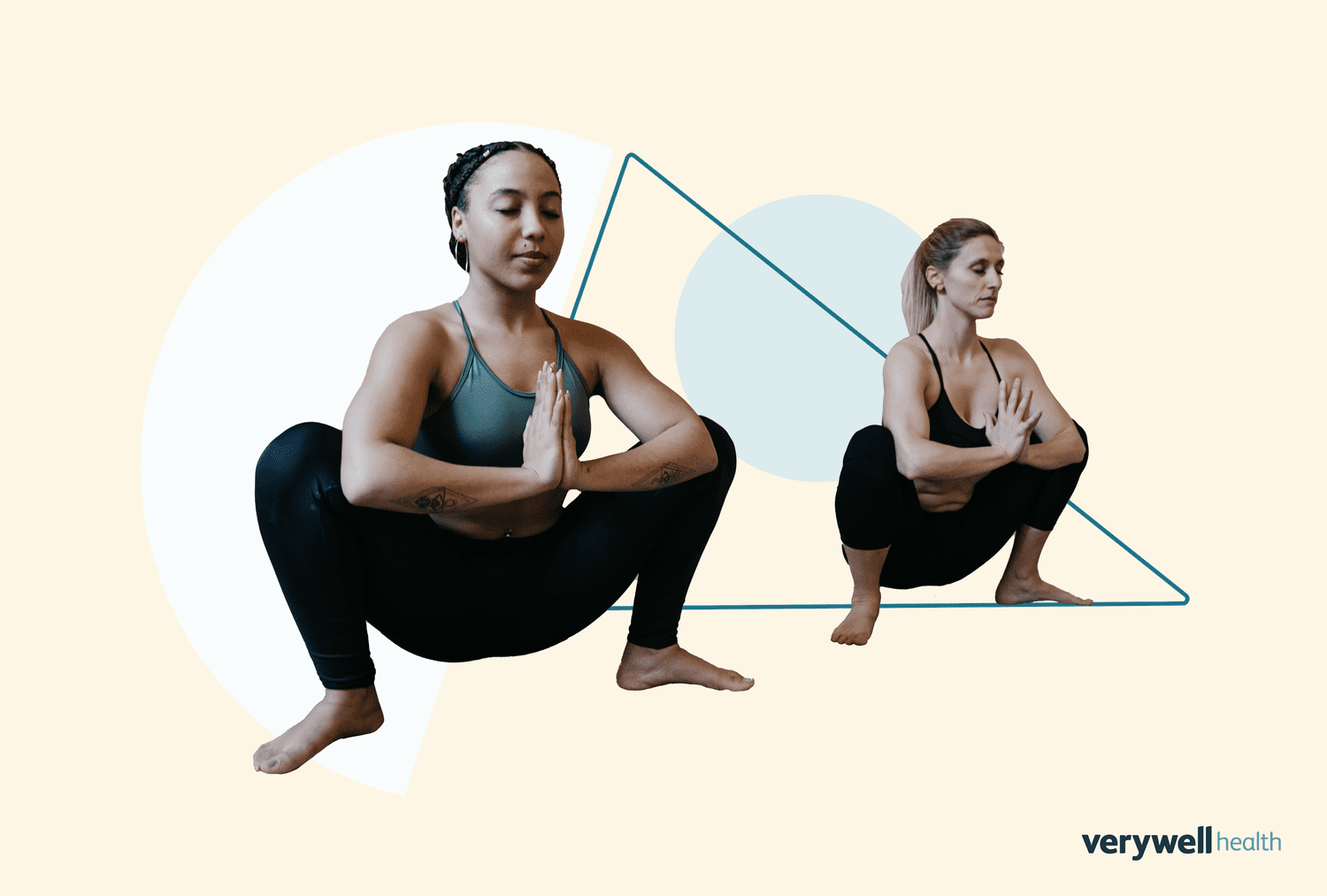
2. Yoga Squat (Malasana)
If you are looking for yoga poses to help you poop immediately, Malasana is the gold standard. It uses gravity and the natural alignment of the rectum to facilitate easier elimination.
- How to do it: Stand with feet slightly wider than hip-width, toes turned out. Squat down deeply, keeping your heels on the floor if possible. Bring your elbows inside your knees and press your palms together.
- Why it works: This pose encourages pelvic floor relaxation and straightens the anorectal angle, making it much easier for stool to pass.
3. Half Lord of the Fishes (Ardha Matsyendrasana)
Twisting is one of the best yoga twists for bowel movement stimulation because it creates a "wringing" effect on the internal organs.
- How to do it: Sit on the floor with legs extended. Cross your right foot over your left thigh. Place your right hand behind you and hook your left elbow outside your right knee. Twist gently to the right.
- Why it works: The compression on the right side targets the ascending colon, while the twist itself stimulates blood flow to the gastrointestinal tract.

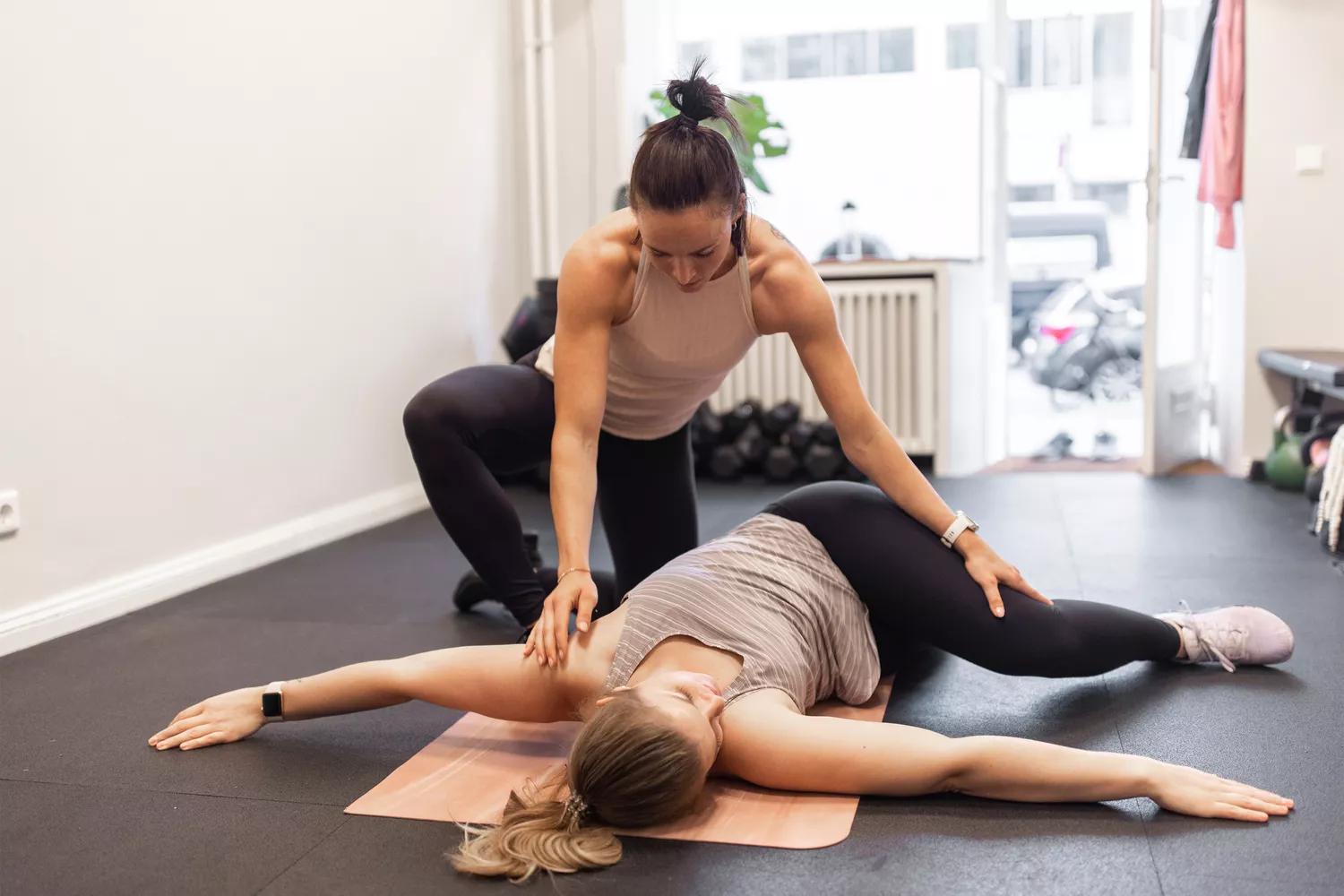
4. Supine Twist (Supta Matsyendrasana)
This is an excellent option for yoga for constipation relief before bed. It is restorative and helps calm the nervous system before sleep.
- How to do it: Lie on your back, bring your knees to your chest, and let them fall to the left side while you look toward the right. Keep your shoulders flat on the mat.
- Why it works: It offers gentle stretches for constipation relief by lengthening the torso and allowing the digestive organs to settle into a relaxed state.
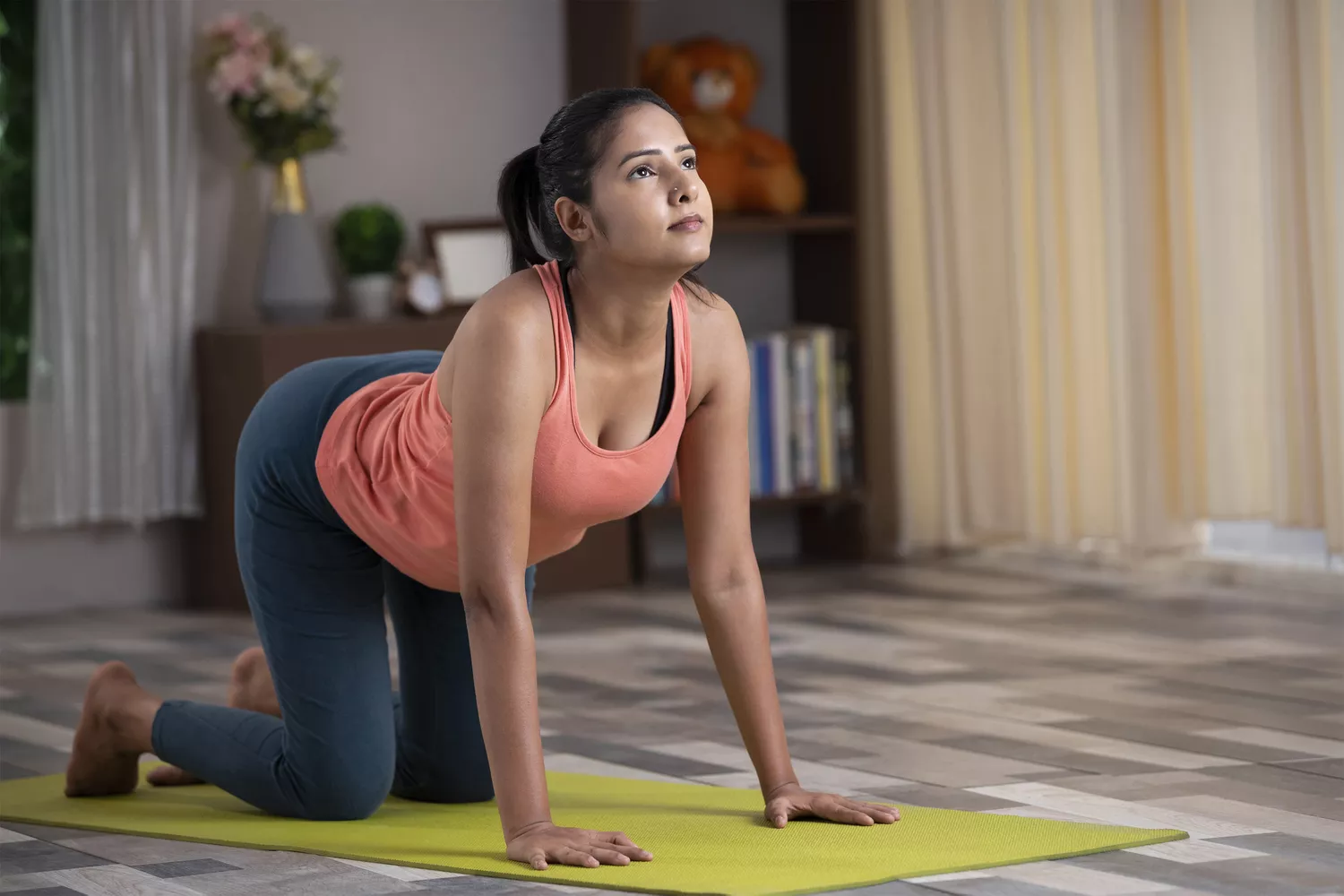
5. Cat-Cow (Bitilasana Marjaryasana)
This dynamic movement creates a wave-like motion in the spine and belly, mimicking the natural rhythm of peristalsis.
- How to do it: On hands and knees, inhale as you drop your belly and look up (Cow). Exhale as you round your spine and tuck your chin (Cat).
- Why it works: The alternating compression and stretching of the abdominal wall provide a consistent abdominal organ massage.
6. Boat Pose (Navasana)
Strengthening the core is a vital part of long-term digestive health. A strong abdominal wall supports the organs in their proper positions.
- How to do it: Sit with knees bent and feet flat. Lean back slightly and lift your feet off the floor, balancing on your sit bones. Extend your arms forward.
- Why it works: It stimulates the secretion of digestive enzymes and creates internal heat, which helps balance the Agni or digestive fire.
7. Child’s Pose (Balasana)
When bloating is caused by stress, Child’s Pose is the ultimate remedy for activating the parasympathetic nervous system.
- How to do it: Kneel on the floor, sit back on your heels, and fold forward, resting your forehead on the mat and reaching your arms forward.
- Why it works: The gentle pressure of the thighs against the belly provides a soft massage while the grounding nature of the pose lowers cortisol levels.
8. Standing Forward Fold (Uttanasana)
Inversion-style poses help change the pressure gradients in the abdomen, which can help move stubborn waste.
- How to do it: Stand with feet hip-width apart and fold forward at the hips, letting your head hang heavy. You can keep a slight bend in the knees.
- Why it works: It encourages colon stimulation through deep compression and helps soothe the nervous system.
9. Happy Baby (Ananda Balasana)
This pose is fantastic for opening the hips and allowing the pelvic floor to release, which is often where we hold tension that prevents regular bowel movements.
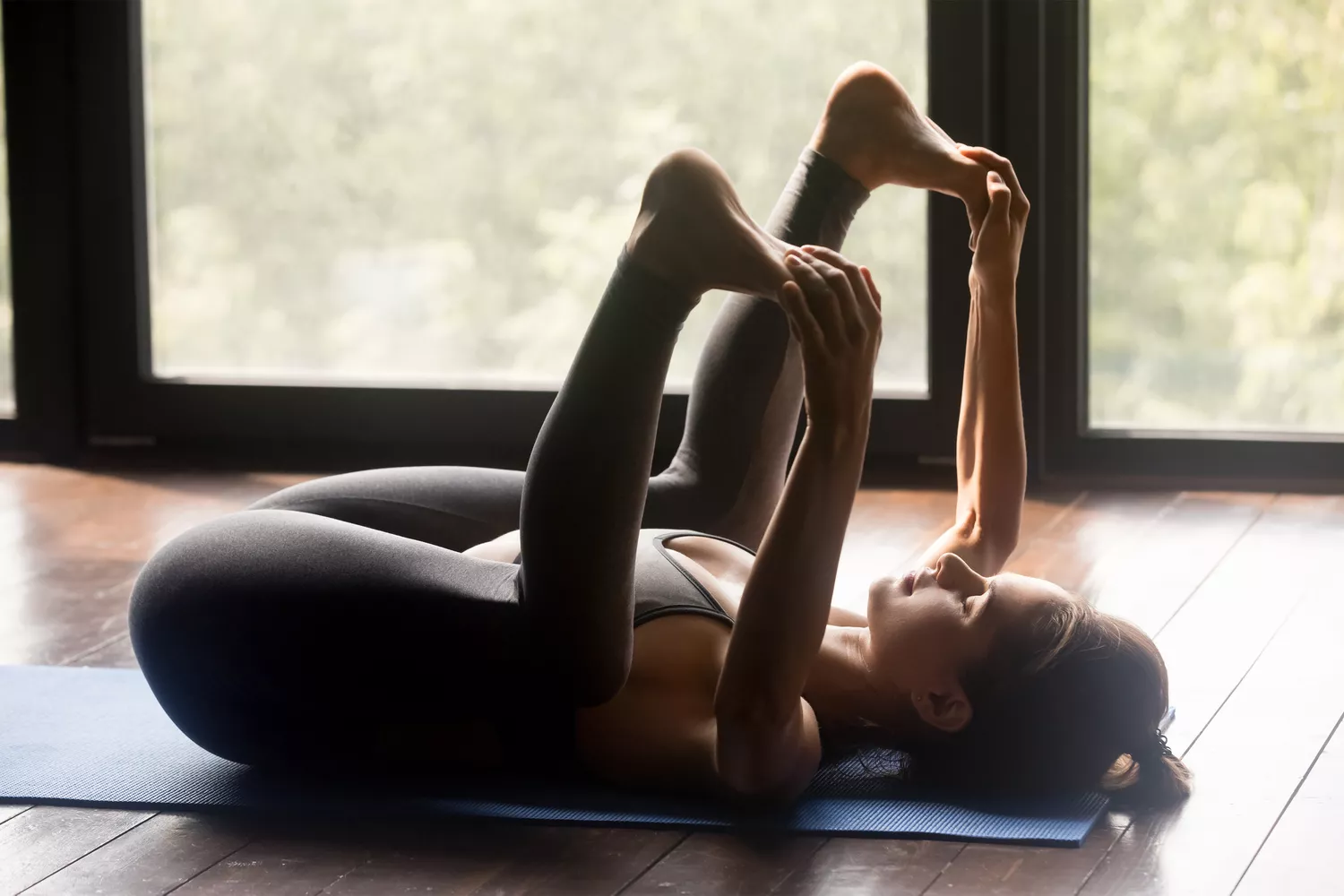
- How to do it: Lie on your back, grab the outsides of your feet, and pull your knees toward your armpits.
- Why it works: It provides a unique angle for gas relief and promotes pelvic floor relaxation.
Maximizing Results: Timing and Safety Tips
Consistency is key when using yoga for constipation. While some may experience immediate relief, the most significant benefits come from a daily practice. Clinical data suggests that up to 37% of participants can achieve a clinically relevant reduction in symptom severity by incorporating yoga interventions.
To maximize your results, focus on diaphragmatic breathing during every pose. Instead of shallow chest breathing, imagine your belly expanding like a balloon on the inhale and contracting on the exhale. This "belly breathing" acts as an internal pump for the lymphatic and digestive systems.
Safety/Note of Caution: While yoga is a powerful tool for wellness, it is not a replacement for medical care. If you experience "Red Flag" symptoms such as blood in the stool, unexplained weight loss, or severe, sharp abdominal pain that prevents you from moving, seek medical attention immediately. These can be signs of a bowel obstruction or other serious conditions.
Timing also matters. Practicing yoga for constipation relief before bed can help your body process the day's meals while you sleep, leading to a regular morning bowel movement. Conversely, a morning routine can wake up the digestive system and prepare it for the day ahead. Always stay hydrated, as the movement provided by yoga requires adequate water to successfully move fiber and waste through the colon.
FAQ
Can yoga help relieve constipation?
Answer: Yes, yoga is a highly effective natural remedy for constipation. It works through two primary mechanisms: the physical compression and stretching of the abdominal organs, which stimulates the muscle contractions known as peristalsis, and the activation of the parasympathetic nervous system, which allows the body to prioritize digestion and waste removal.
Which yoga poses are best for digestion?
Answer: Poses that involve twisting or abdominal compression are generally best for digestion. Specifically, Ardha Matsyendrasana (Half Lord of the Fishes) and Pawanmuktasana (Wind-Relieving Pose) are highly recommended. These poses help "wring out" the digestive tract and stimulate the vagus nerve, which is the main communicator between the brain and the gut.
How long does it take for yoga to stimulate a bowel movement?
Answer: The timeframe varies depending on the individual and the severity of the backup. Some people may feel the urge to go immediately after practicing poses like Malasana (Yoga Squat), while others may find that a consistent 10-15 minute daily routine results in more regular movements within a few days to a week.
Is it safe to do yoga for constipation every day?
Answer: For most people, it is perfectly safe and even encouraged to practice yoga for constipation daily. Since these poses are generally low-impact and restorative, they help maintain a healthy gut-brain axis and keep the digestive fire burning consistently. However, always listen to your body and avoid deep twists immediately after a very large meal.
What yoga poses help with bloating and gas?
Answer: Pawanmuktasana is the most famous pose for gas relief, as its name literally translates to "wind-relieving pose." Happy Baby and Child's Pose are also excellent for bloating, as they encourage the pelvic floor to relax and allow trapped gas to move through the intestines more freely.
Start Your Natural Relief Journey Today
Managing digestive health doesn't always require a pharmacy. By integrating these 9 best yoga for constipation poses into your daily life, you are choosing a holistic, evidence-based path to wellness. Remember to start slow, breathe deeply, and always follow the anatomical right-to-left rule when twisting.
Consistency is the foundation of preventive care. As you begin to listen to your body’s signals and provide it with the movement it craves, you will likely find that bloating and irregularity become a thing of the past. Your gut health is a reflection of your overall lifestyle—let yoga be the gentle spark that keeps your digestive fire bright.