Quick Facts
- Safety Hook: Helmets reduce head injury risk by up to 85%.
- Hydration Rule: Drink 20-28 ounces of fluid per hour in high heat.
- Cadence Target: Aim for a pedaling cadence between 70-110 RPM (90 is the sweet spot).
- Gear Check: Always perform a pre-ride inspection using the ABC (Air, Brakes, Chain) method.
- Heat Management: Temperatures of 32°C can cause a 6.5% drop in power output.
To master summer cycling, beginners should prioritize moisture-wicking apparel for heat management, maintain a steady pedaling cadence of 90 RPM, and practice pre-emptive gear shifting before stops or inclines to ensure a smooth, safe ride.
There is nothing quite like the feeling of the wind on your face as you glide down a sun-drenched road. However, for those just starting out, the transition from casual pedaling to consistent training requires a strategy. Effective summer cycling tips are about more than just pedaling harder; they are about managing your environment and your equipment to maximize performance. Focusing on beginner cycling safety and securing the essential cycling gear for novices will ensure your first season is defined by progress rather than frustration.
Tip 1: Invest in Essential Gear for Novices
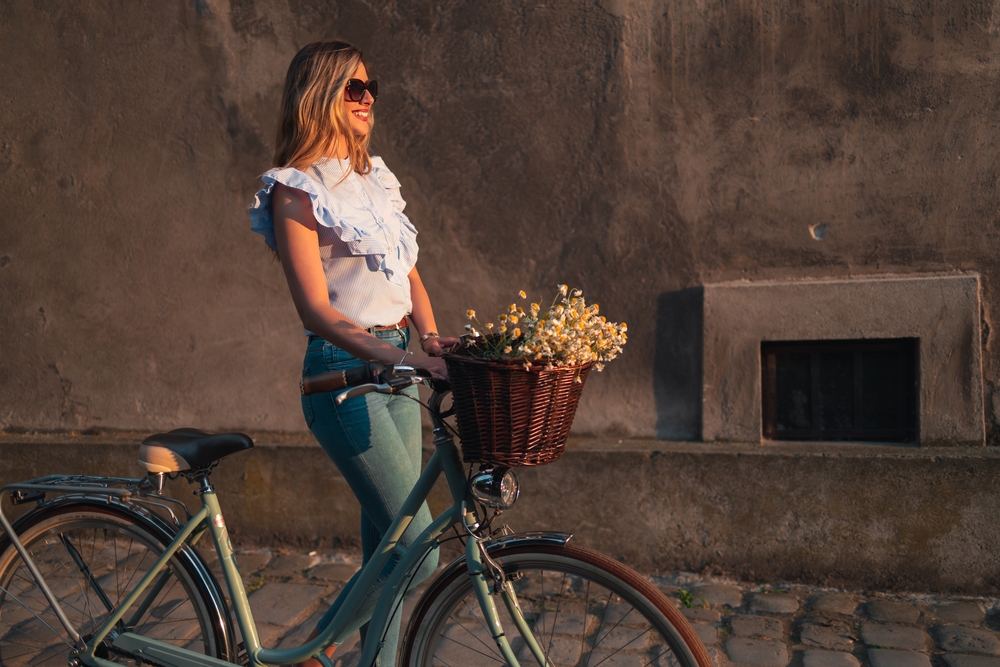
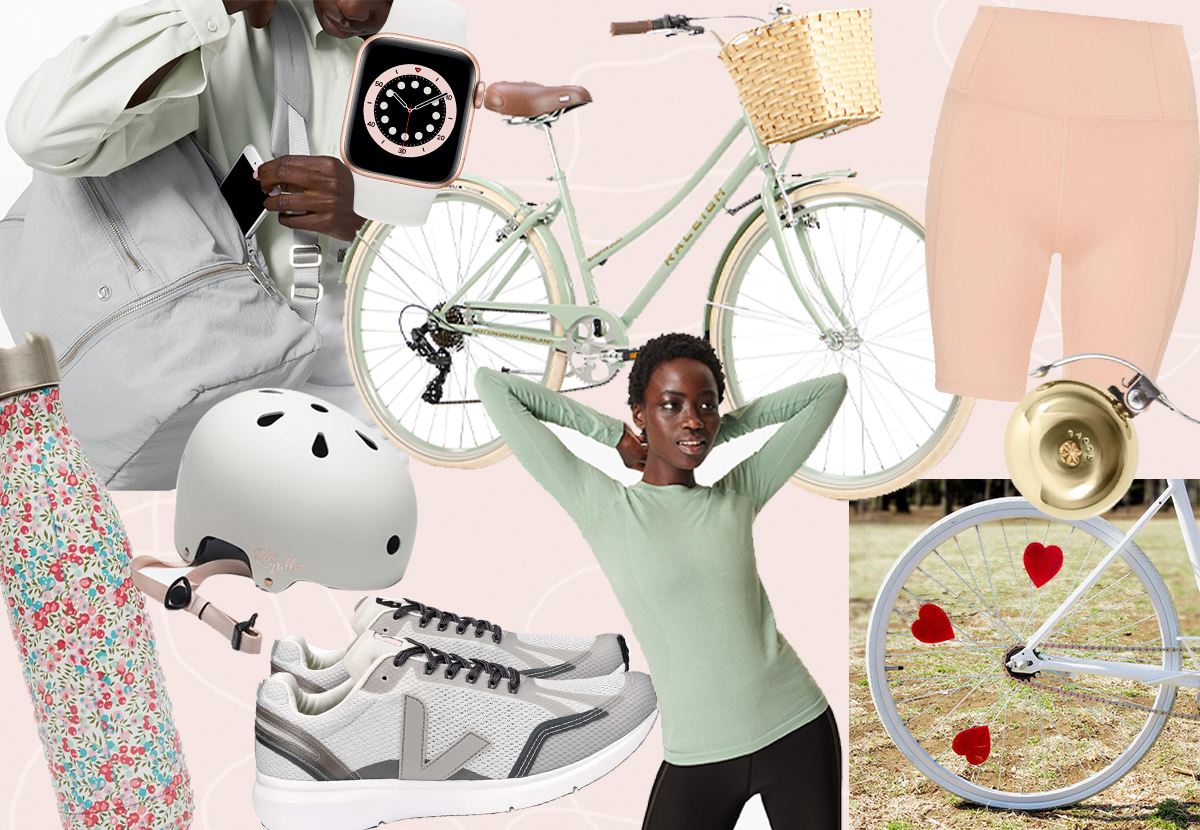
Before you even clip in, your success depends on what you are wearing and carrying. For a beginner, the gear market can feel overwhelming, but you can simplify it by focusing on protection and temperature regulation. Start by choosing the best bike helmet for beginners, specifically looking for those that meet CPSC safety standards and include MIPS technology. MIPS, or Multi-directional Impact Protection System, is designed to reduce rotational forces during certain impacts, offering an extra layer of security.
When considering what to wear for summer cycling comfort, avoid cotton at all costs. Cotton traps sweat, becomes heavy, and causes chafing. Instead, look for moisture-wicking apparel and breathable fabrics that move sweat away from your skin to the outer surface of the garment where it can evaporate. This process is your body's primary cooling mechanism.
To help you budget, use this hierarchy for acquiring essential cycling gear for novices:
| Category | Item | Why You Need It |
|---|---|---|
| Buy Now | Helmet (MIPS) | Essential for head protection. Replace every 5 years. |
| Buy Now | Front/Rear Lights | Critical for visibility, even during daylight hours. |
| Buy Now | Floor Pump | Maintaining tire pressure is the easiest performance boost. |
| Buy Later | Cycling Shoes | Improves power transfer but requires learning clip-in pedals. |
| Buy Later | Multi-tool | Useful for on-the-road adjustments once you learn basic repairs. |
Tip 2: Master Your Mechanics: Shifting and Cadence
Many new riders make the mistake of staying in a "hard" gear for too long, which puts immense strain on the knees and leads to early fatigue. To master bike gear shifting for beginners, you must learn to anticipate the road ahead. Do not wait until you are halfway up a hill to change gears. Instead, downshift into an easier gear before you reach an incline or come to a full stop. This ensures that when you need to apply power again, your legs aren't fighting a heavy load.
A key metric to track is your pedaling cadence, which is the number of revolutions your pedals make per minute. Beginners often "mash" the pedals at a low RPM, but efficiency is found in "spinning." Aiming for a cadence between 70 and 110 RPM helps beginner riders stay efficient and reduces physical strain on the legs during long summer excursions. Using beginner bike gear shifting techniques to stay within this range will keep your heart rate steady and your muscles fresh.
Pro Tip: If you don't have a cadence sensor, try to time your pedal strokes. If you are hitting roughly one-and-a-half strokes per second, you are right in that 90 RPM sweet spot.
Tip 3: Stay Cool and Hydrated in the Heat
Riding in the summer sun is a metabolic challenge. Research indicates that cycling in temperatures of 32°C (90°F) can result in a 6.5% reduction in power output compared to riding in temperate conditions. This happens because your body is diverting blood flow away from the muscles and toward the skin to facilitate cooling.
To combat this, learning how to stay hydrated while cycling in summer is your most important skill. Cyclists are generally advised to consume between 20 and 28 ounces of fluid per hour during hot weather rides to maintain adequate hydration levels. It is not just about water, though. You need electrolyte replenishment to replace the salts lost through sweat.
Be aware of the stakes: a body weight loss of just 2% due to dehydration can significantly impair cycling performance, while a 5% loss puts riders at a high risk for heat exhaustion prevention failure. Beyond drinking, prioritize UV protection by applying sweat-resistant sunscreen and wearing specialized clothing with UPF ratings. Whenever possible, schedule your rides for the early morning or late evening to avoid the peak intensity of the midday sun.
Tip 4: Prioritize Road Safety and Predictability
Your safety on the road is largely determined by how predictable you are to drivers. Beginner cycling safety starts with a "be seen" mindset. Even on a bright summer day, high-visibility clothing and active daytime running lights make a massive difference. When navigating traffic, always communicate your intentions. Use clear hand signals before turning or changing lanes, and try to make eye contact with drivers at intersections.
Common road hazards like gravel, potholes, or parked cars opening doors (the "door zone") require constant vigilance. Avoid distractions like headphones, which can prevent you from hearing approaching vehicles. By following established cycling safety tips for riding in traffic—such as riding in the direction of traffic and obeying all stop signs—you build a reputation as a responsible road user, which keeps everyone safer.
Tip 5: The Pre-Ride Routine and Emergency Prep
A successful ride begins in your garage. Every time you head out, perform a quick pre-ride inspection. We call this the ABC check:
- Air: Check your tire pressure. Summer heat can fluctuate, affecting the air density in your tubes. Properly inflated tires prevent pinch flats and reduce rolling resistance.
- Brakes: Squeeze your levers to ensure they engage before touching the handlebars. Check the pads for wear.
- Chain: Ensure your chain is clean and lubricated. A dry chain is noisy and inefficient.
In addition to the check, always carry essential bike maintenance tools for beginners. This should include a basic flat-repair kit containing a pump, tire levers, a spare tube, and a multi-tool. Finally, always have your emergency contact information (ICE) easily accessible. Most smartphones allow you to set an ICE contact that can be viewed from the lock screen, providing peace of mind for you and your loved ones.
FAQ
How do I stay cool while cycling in the heat?
Focus on wearing breathable fabrics and moisture-wicking apparel that helps sweat evaporate quickly. You can also pour plain water over your neck and forearms during breaks to lower your core temperature, and try to plan routes that offer some shade.
How much water should you drink when cycling in hot weather?
For high-temperature rides, you should aim to drink between 20 and 28 ounces of fluid every hour. It is better to take small, frequent sips rather than gulping large amounts of water at once, and always include electrolytes to maintain your salt balance.
What should I wear for cycling in the summer?
Prioritize lightweight, synthetic jerseys and padded shorts (bibs) that offer UV protection. Avoid heavy fabrics like cotton. A well-ventilated helmet and polarized sunglasses are also crucial for both comfort and safety.
How do you prevent heat stroke while cycling?
Start your rides early to avoid the hottest part of the day, stay strictly hydrated, and listen to your body. If you feel dizzy, nauseous, or stop sweating, find shade immediately. Heat exhaustion prevention is about recognizing these early warning signs before they escalate.
How can I protect my skin from the sun while riding?
Apply a broad-spectrum, water-resistant sunscreen of at least SPF 30 to all exposed areas, including the back of your neck and ears. Many modern cycling jerseys also feature built-in UPF protection to block harmful rays through the fabric.
Join the Community
Starting your cycling journey is an incredible way to improve your fitness and see the world from a new perspective. Don't feel like you need to have the most expensive bike or the trendiest kit on day one. Focus on the fundamentals of safety, hydration, and smooth mechanics.
What was the highlight of your first summer ride? Or do you have a question about choosing your first set of lights? Share your experiences or ask your questions below—we are here to help you get the most out of every mile.