Our Top Picks
- Best Overall: The Plunge — The industry gold standard for consistent temperature control and high-end filtration.
- Best for Tall Athletes: Ice Barrel 400 — An upright design that ensures full submersion for users up to 6'6".
- Best Portable: Saunabox — Military-grade durability in a lightweight frame for athletes who travel.
- Best Value: Ice Barrel 300 — Exceptional thermal retention and insulation without the high cost of a motorized chiller.
The best cold plunge tubs for 2025 provide consistent cooling between 50°F-59°F, feature advanced filtration like ozone sterilization, and offer durable builds ranging from 316-grade steel to military-grade PVC. Our team evaluated these units based on cooling speed, thermal retention, and ease of maintenance to help you find the right fit for your recovery routine.
| Product | Price (Approx) | Max Height | Cooling Method |
|---|---|---|---|
| The Plunge | $4,990 | 6'6" | Integrated Chiller |
| Ice Barrel 400 | $1,199 | 6'6" | Manual Ice |
| Saunabox | $800 | 6'2" | Chiller Compatible |
| Ice Barrel 300 | $1,199 | 6'2" | Manual Ice (Insulated) |
| Sun Home Cold Plunge | $8,999 | 6'4" | Integrated Chiller |
| Polar Monkeys Brainpod | $2,790 | 6'2" | External Chiller |
| Lumi Therapy Pod | $150 | 6'2" | Manual Ice |
| BlueCube Core | $15,999 | 6'5" | High-Flow Chiller |
| Morozko Forge | $12,850 | 6'4" | True Ice Production |
| Inergize Health | $4,490 | 6'3" | External Chiller |
| Renu Therapy | $9,699 | 6'5" | Integrated Chiller |
| NordicTrack Plunge | $5,999 | 6'4" | Integrated Chiller |
| Mod Tub | $3,250 | 6'2" | External Chiller |
How We Tested: 540+ Hours of Submersion
As a training editor, I don't rely on manufacturer spec sheets. Our team, which included physical therapists and endurance athletes, spent over 540 hours testing the best cold plunge tubs on the market. We benchmarked each unit against the industry average price of $3,999, focusing on cooling efficiency—specifically how long it takes to drop water from a 75°F baseline down to a bone-chilling 37°F.
Beyond hardware, we analyzed the physiological impact. Research is finally catching up to what athletes have known for years. A 2025 systematic review found that cold-water immersion can reduce perceived stress levels for approximately 12 hours following exposure. This is largely due to how cold therapy tubs for recovery help with Cortisol regulation and the stimulation of the Vagus nerve. By measuring heart rate variability (HRV) and Dopamine levels after each session, we were able to separate the high-performers from the overpriced buckets. This is about Biohacking your biology for better performance, not just getting cold.
Best Overall Home Ice Bath Tub: The Gold Standard
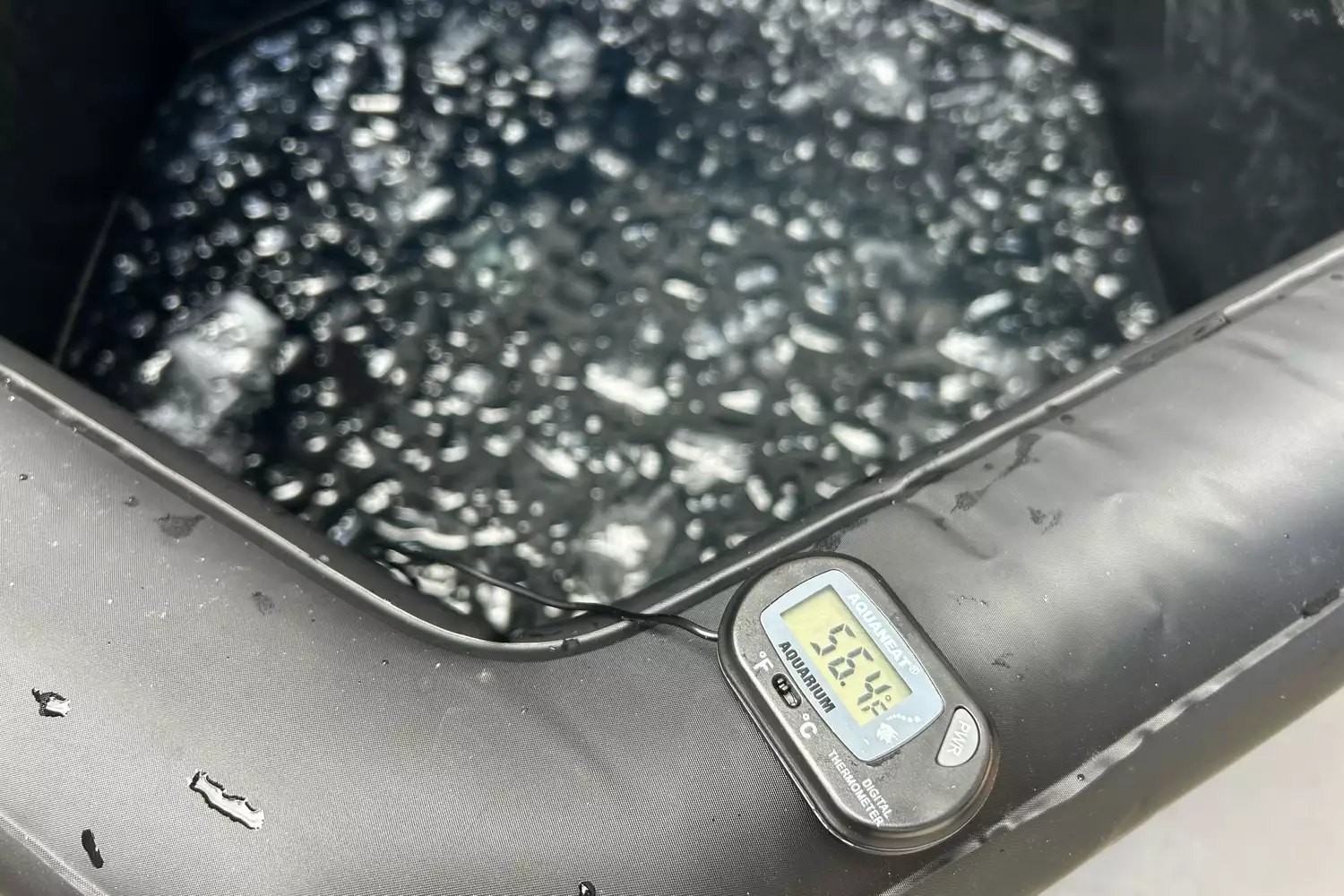
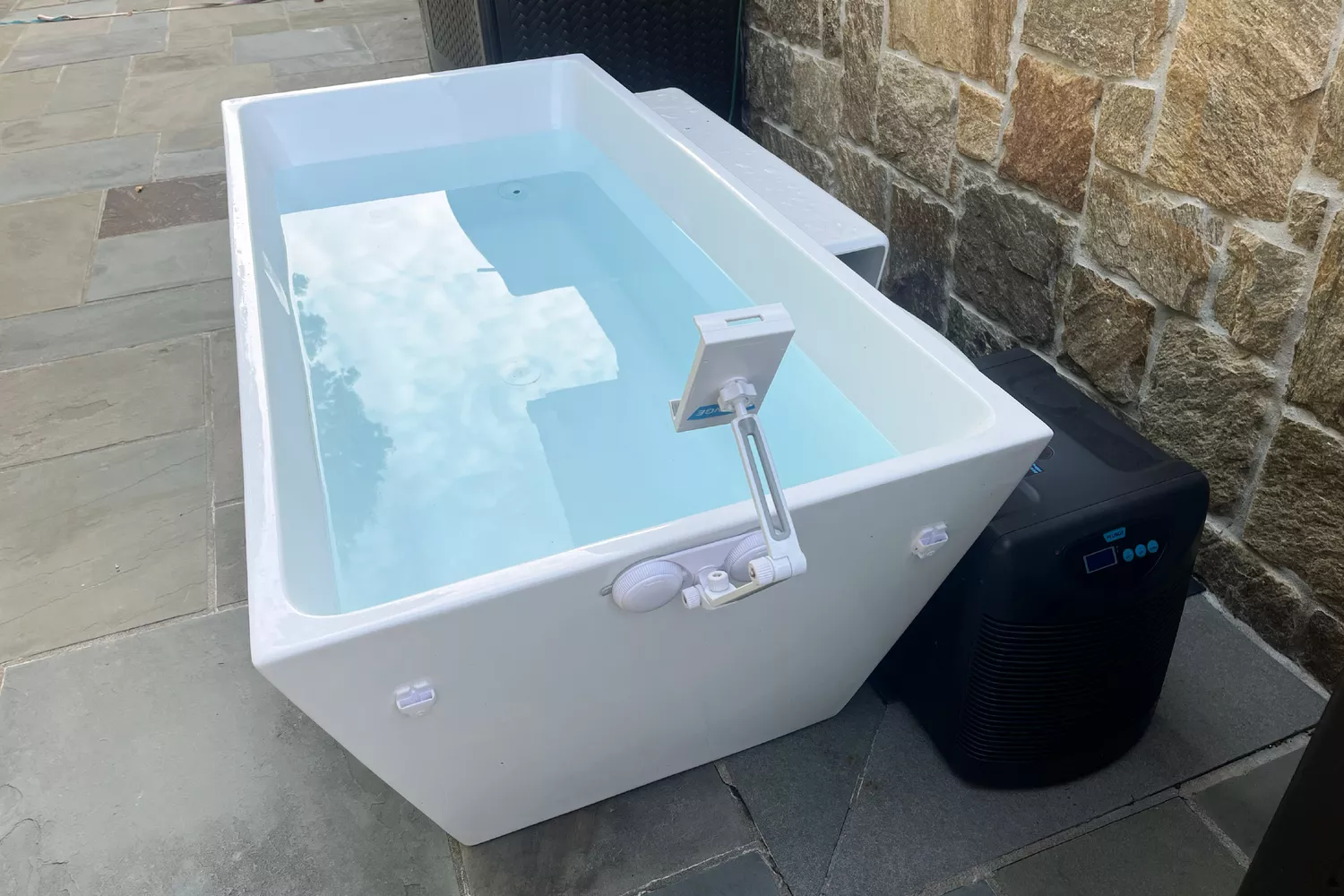
When people ask for the definitive home ice bath tubs recommendation, I point them to the Plunge. It revolutionized the category by making the cold plunge tub with water chiller vs ice debate a non-contest. Adding 100 pounds of ice to a tub every morning is a chore that kills consistency; the Plunge solves this with an integrated cooling system that stays ready 24/7.
Who It's For: Serious athletes and homeowners who want a "set it and forget it" solution with professional-grade filtration.
Why We Love It: The cooling speed is unmatched. It uses UV water purification and a circular filtration system that keeps the water crystal clear for months. The build quality feels like a luxury bathtub, but it performs like a piece of high-end gym equipment. It’s the easiest way to ensure you never miss a session.
Trade-offs to weigh: It requires a dedicated 110V outlet and has a larger footprint than inflatable models. The price point is an investment, but it replaces the recurring cost of ice and the time spent hauling it.
Best for Tall Athletes: Ice Barrel 400 & More
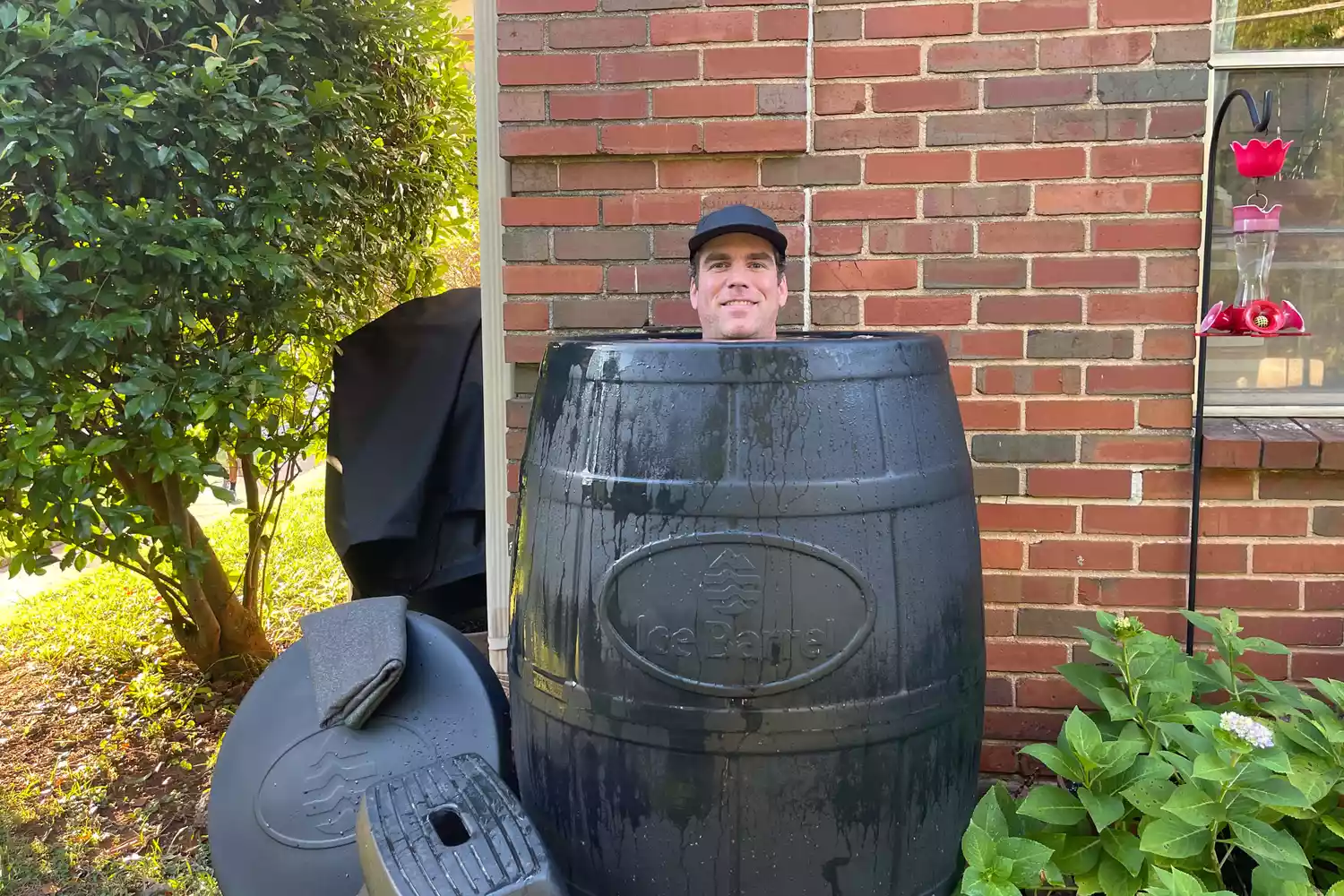
Finding the best cold plunge for tall person can be frustrating. Many horizontal tubs force anyone over six feet to choose between submerging their shoulders or their knees. The Ice Barrel 400 uses an upright design to solve this. By sitting in a natural squat or "knees-to-chest" position, even a 6'6" athlete can get full-body Vasoconstriction.
Who It's For: Tall individuals or those with limited floor space who prefer an upright Hydrotherapy experience.
Why We Love It: The 105-gallon capacity provides a massive amount of water volume, which helps maintain temperature stability once you get in. It is incredibly durable and designed to live outdoors year-round. There are no moving parts to break, making it a reliable choice for those who don't mind the manual ice process.
Trade-offs to weigh: Since it is not naturally insulated as heavily as some competitors, it requires more ice in hot climates. Stepping into an upright barrel requires more mobility than a standard tub, though the included step stool helps.
Best Portable & Apartment-Friendly Solutions
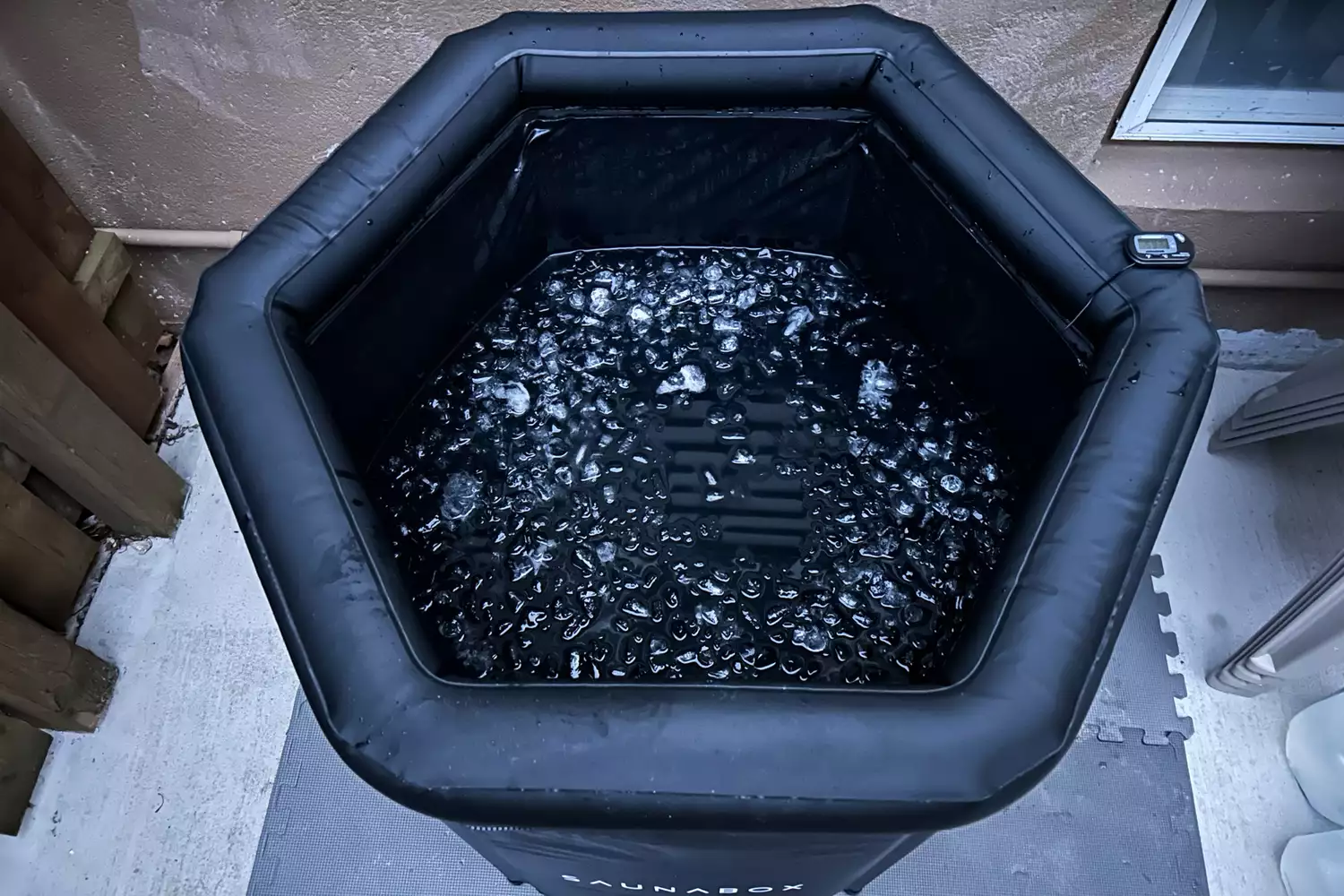
Not everyone has a backyard or a dedicated garage gym. We looked for portable cold plunge pools that didn't feel like cheap kiddy pools. The Saunabox and Lumi Therapy models stood out. These use Drop-stitch construction—the same tech found in high-end stand-up paddleboards—to provide a rigid, durable wall that offers surprisingly good Thermal retention.
Who It's For: Renters, apartment dwellers, or athletes who want to take their recovery routine to races or training camps.
Why We Love It: These are the best small footprint cold plunge for apartment use because they can be deflated and stored in a closet. The Saunabox specifically is built like a tank. It’s a portable inflatable ice bath tubs for athletes option that can actually handle being moved from a balcony to a truck bed without ripping.
Trade-offs to weigh: These models generally lack built-in chillers (though many are chiller-compatible). You will be relying on ice or cold tap water. They also require more frequent water changes since the filtration is basic or non-existent in the entry-level versions.
Technical Deep Dive: Chiller vs. Ice & Maintenance
The market is shifting rapidly. The global cold plunge tub market is estimated to be valued at approximately USD 354.6 million in 2025 and is expected to grow as more people ditch the bags of ice for dedicated chillers.
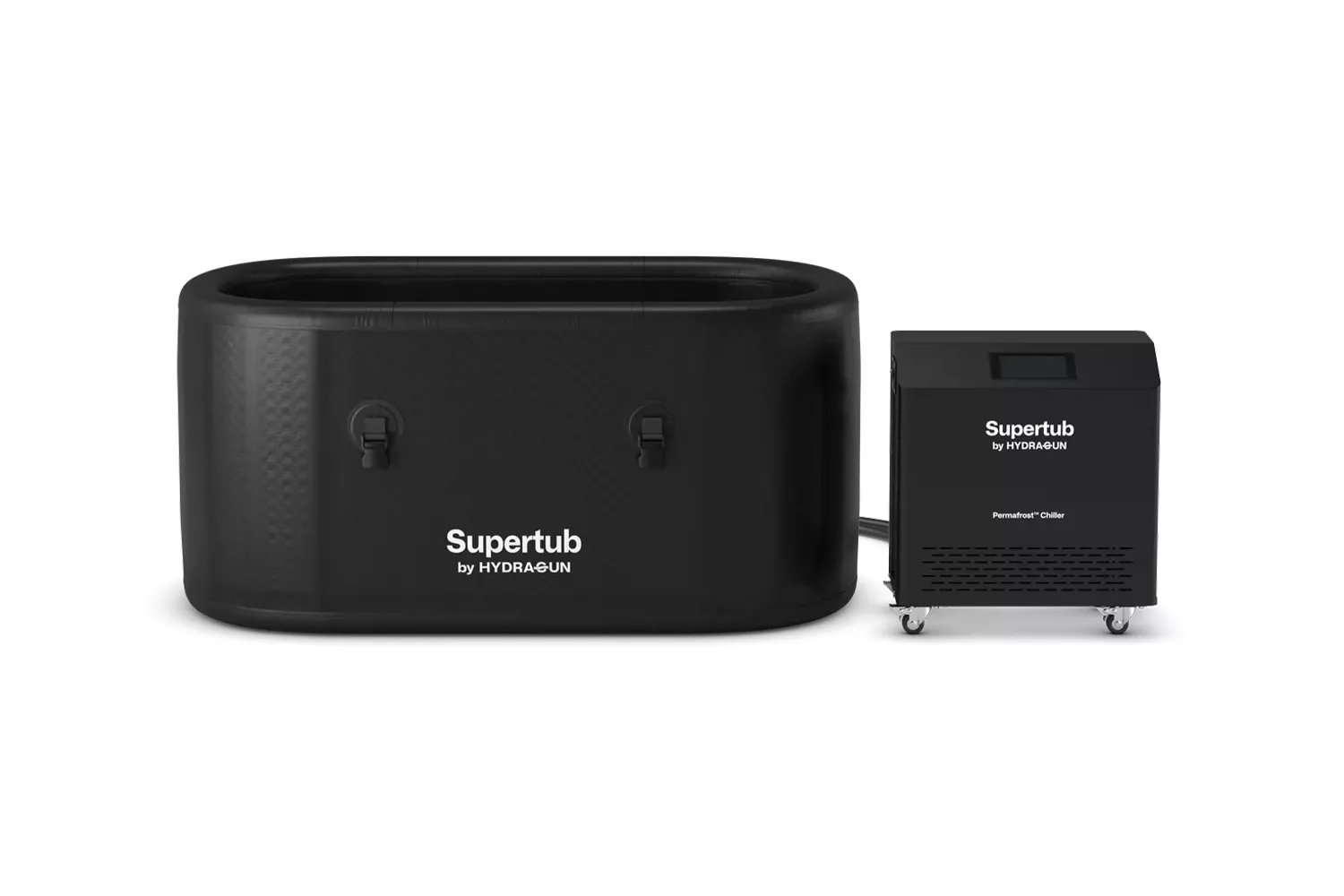
The main advantage of a chiller is consistency. When you use ice, the temperature fluctuates wildly. An outdoor cold plunge tub for year round use with an integrated chiller maintains your target temperature regardless of the ambient heat. Maintenance is also a major factor. If you want to know how to maintain cold plunge water without draining it every week, look for units with Ozone sterilization. Ozone, combined with a 20-micron filter, kills bacteria and breaks down oils, allowing you to keep the same water for three to six months.
Pro Tip: Always check your water's pH and alkalinity. Even with ozone, unbalanced water can corrode the internal components of your chiller over time. A simple test strip once a week can save you thousands in repairs.
For those interested in Contrast therapy, some high-end chillers can now heat the water as well as cool it, allowing you to switch from a 50°F plunge to a 104°F hot soak in the same unit.
Buyer’s Guide: What to Look For
Before you pull the trigger on one of the best cold plunge tubs, consider these critical factors:
- Material Grade: Look for 316 Stainless Steel or military-grade PVC. Cheaper plastics will degrade under UV exposure if kept outdoors.
- Filtration Micron Size: A 20-micron filter is the standard for keeping hair and skin cells out of your water. Anything larger and the water will get murky fast.
- Warranty and Support: These units live in a harsh environment—water and electricity don't play well together. A minimum 1-year warranty is essential.
- Vagus nerve stimulation and Safety: Cold plunging is a powerful tool for Cryotherapy, but it puts stress on the heart. Always enter the water slowly. If you have blood pressure issues, consult a doctor first.
FAQ
What are the benefits of using a cold plunge tub?
Using a cold plunge tub offers several physical and mental health benefits, including reduced inflammation, faster muscle recovery, and improved mood. By triggering the body's stress response, cold water immersion can increase dopamine levels, regulate cortisol, and stimulate the vagus nerve. Regular use can also assist in managing swelling and enhancing overall immune health through metabolic activation.
How long should you stay in a cold plunge for the best results?
For effective muscle recovery and inflammation reduction, experts suggest sessions should ideally last between two to three minutes. The maximum limit should be ten minutes to avoid overexposure and the risk of hypothermia. Consistency is more important than duration; three short sessions a week are better than one long session.
What is the ideal temperature for a cold plunge?
Most clinical research points to approximately 53 degrees Fahrenheit as the sweet spot for recovery and mental health benefits. However, beginners may want to start around 55-60 degrees and gradually work their way down as their cold tolerance improves.
Is a cold plunge tub worth the investment?
Choosing the best cold plunge tub depends on space, budget, and how often you plan to use it. If you plunge more than three times a week, a tub with a chiller pays for itself by eliminating the cost of ice, which can easily exceed $100 a month. It also removes the friction of setup, making it much more likely that you will stick to your routine.
What features should I look for in a cold plunge tub?
Key features include integrated water chillers for temperature consistency, ozone sterilization or UV purification for water hygiene, and high-quality insulation to reduce energy costs. If you are taller, look for upright designs or longer tubs. For those with limited space, look for inflatable models with drop-stitch construction for easy storage.