Quick Facts
- Market Reality: The global wearable medical devices market is seeing a massive surge, projected to reach approximately $137.7 billion in 2025.
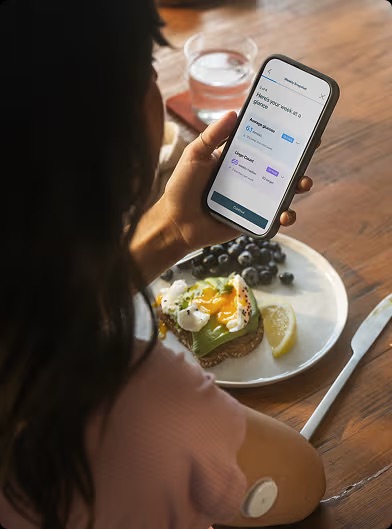
- Best for Longevity: Continuous Glucose Monitors (CGMs) remain the gold standard for tracking real-time metabolic health.
- Best for Sleep: Smart rings like the Oura Gen4 or Samsung Galaxy Ring offer high-fidelity tracking of sleep architecture.
- Clinical Value: Clinical data shows integrated monitoring can lead to reductions in hospital readmissions by up to 50%.
- User Adoption: Adoption is skyrocketing, with 46% of U.S. adults now owning a health wearable specifically for wellness.
- Physiological Edge: Health wearables provide objective biological data that bridges the gap between subjective symptoms and long-term preventative health.
Are health wearables worth the hype? Beyond biohacking, these personal health monitoring devices are becoming essential tools for metabolic health and preventative diagnostics. By providing real-time physiological feedback, they allow individuals to monitor vital signs like heart rate variability, glucose levels, and sleep patterns to identify subtle metabolic shifts long before clinical symptoms appear.
The Evolution: From Biohacking to Bio-awareness
For years, the conversation around health wearables was dominated by the biohacking community—individuals looking for every possible edge to "optimize" their performance. However, as a preventive care editor, I have watched a more profound shift occur. We are moving away from the aggressive pursuit of "hacking" the body toward a more sustainable state of bio-awareness. This isn't about forcing the body to perform; it is about learning to listen to the physiological feedback it provides every hour of the day.
Wearable technology for personal health tracking has evolved from simple step counters into sophisticated windows into our internal biology. When you track metrics like resting heart rate or heart rate variability, you aren't just looking at numbers; you are observing your autonomic nervous system's response to stress, caffeine, and even the onset of an illness. This shift toward transitioning from biohacking to practical health wearables allows us to see "invisible" markers, such as early signs of insulin resistance or chronic inflammation, which are often the precursors to long-term health challenges.
By integrating these tools into a daily routine, users can foster a better biofeedback loop. Instead of wondering why you feel sluggish on a Tuesday morning, your device might show a significant disruption in your sleep architecture or a spike in overnight glucose levels. This objective data helps remove the guesswork, fostering a sense of rhythm management that supports metabolic health and emotional resilience.
Medical Utility: When Wearables Save Lives
While consumer interest is high, the clinical world is also embracing these tools for their preventative potential. The global wearable medical devices market was estimated at USD 120.1 billion in 2024 and is projected to reach approximately USD 137.7 billion in 2025. This investment is driven by a move toward remote patient monitoring and preventative diagnostics.
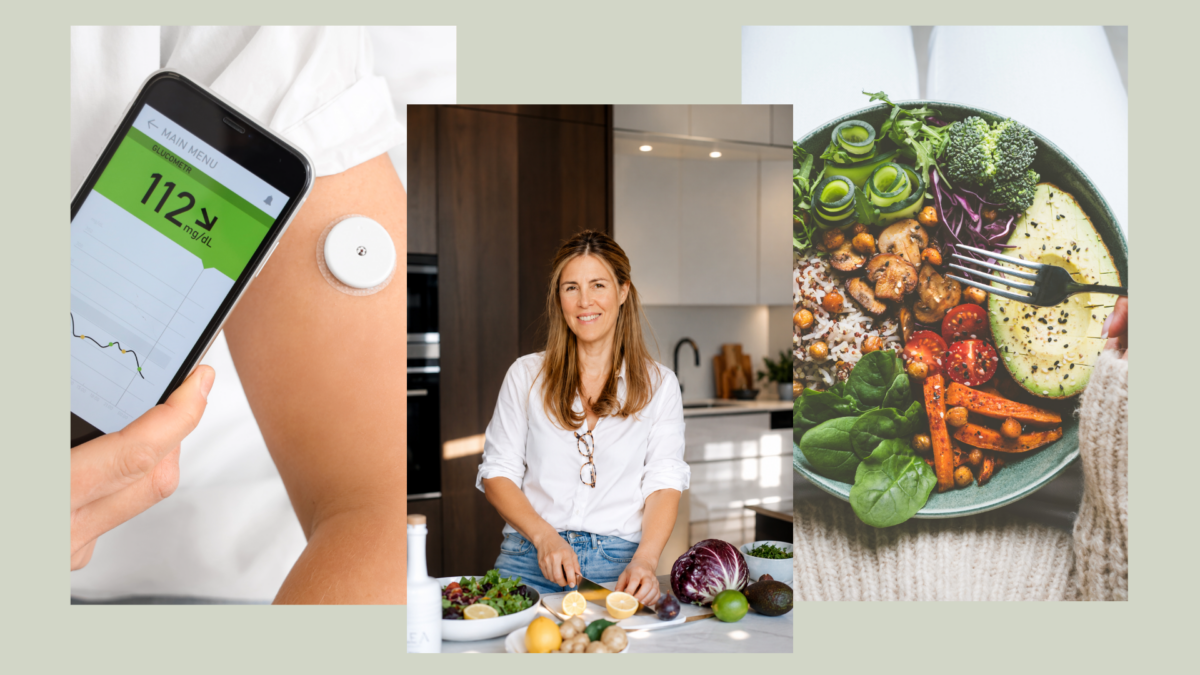
One of the most significant benefits of wearable devices in healthcare is the ability to detect conditions like atrial fibrillation through smartwatches with built-in ECG capabilities. Instead of waiting for a symptomatic event that leads to an ER visit, users can catch irregularities early. Furthermore, connected personal health monitoring devices like blood pressure cuffs and health wearables for metabolic monitoring allow for proactive management that fits into daily life rather than being confined to a doctor's office.
For those managing chronic conditions, the medical utility is even more specific. Under current clinical standards, remote patient monitoring systems often utilize the 16-day rule for CMS billing (such as CPT 99454), where consistent data transmission allows physicians to adjust medications and lifestyle interventions in real-time. This is a massive leap forward from the traditional model of checking vitals once every six months during a check-up.
According to a 2025 consumer adoption survey, 46% of U.S. adults own a health wearable, a staggering 33 percentage point increase since 2015. This widespread adoption means that biometric data analysis is becoming a common language between patients and providers.
Choosing Your Form Factor: The 2026 Archetypes
Choosing the right health wearable for preventative care depends largely on your personal health goals and lifestyle habits. Not every device is right for every person. To help you navigate the top wearable health devices available in 2026, I have categorized them into three primary archetypes.
| Archetype | Primary Focus | Best Form Factor | Key Metrics Tracked |
|---|---|---|---|
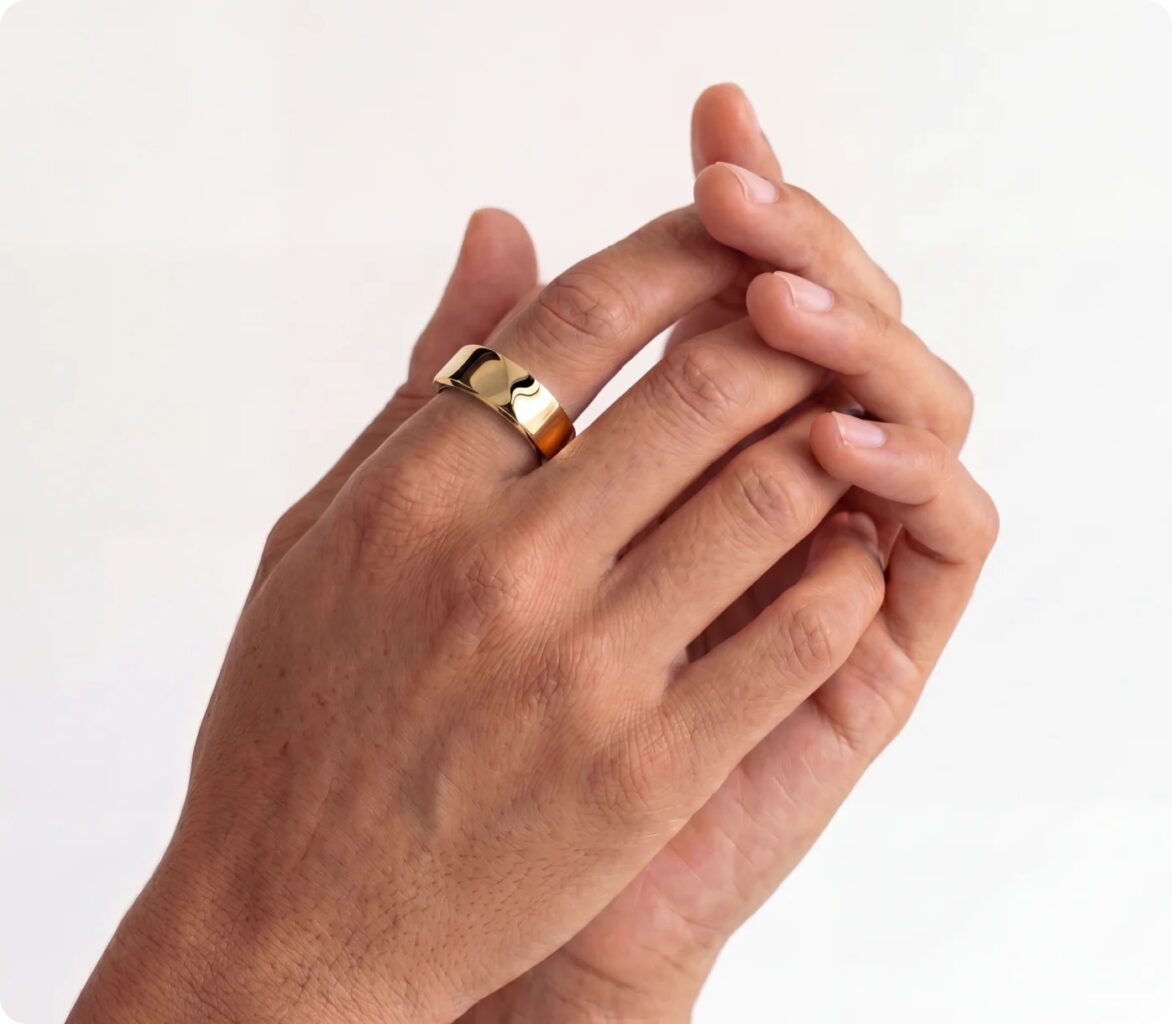
| The Recovery Fanatic | Sleep quality and stress management | Smart Rings (Oura, Samsung) | Heart rate variability, sleep architecture, skin temperature |
| The Performance Athlete | Training load and cardiovascular health | Smartwatches (Apple Watch Ultra, Garmin) | VO2 Max, recovery time, ECG, heart rate zones |
| The Longevity Seeker | Metabolic health and blood sugar stability | Continuous Glucose Monitors (CGMs) | Blood glucose spikes, insulin sensitivity, glycemic variability |
If you are primarily concerned with how your lifestyle affects your internal clock, a smart ring is often the best choice due to its unobtrusive nature and focus on recovery. However, if your goal is managing a specific condition or improving athletic output, the larger sensor arrays found in high-end watches or the specialized needles in continuous glucose monitors provide the necessary depth.
When choosing the right health wearable for preventative care, consider the subscription models as well. Some devices, like the Oura Ring, require a monthly fee to access deep insights, while others offer the data upfront with the purchase of the hardware. Regardless of the form factor, the goal is to find a tool you will actually wear; statistics show that 83% of users wear their devices five or more days per week, which is essential for capturing meaningful trends over time.
Beyond Raw Data: The AI Interpretation Layer
The biggest challenge facing users today is not a lack of data, but knowing how to interpret health wearable data. Raw numbers—like a heart rate variability of 45ms or a sleep score of 72—can be confusing or even cause "data-induced anxiety" if not put into context. This is where the 2026 generation of devices shines, using an AI interpretation layer to translate biometric signals into actionable advice.
Modern apps now distinguish between high-accuracy sensors (+/- 1 BPM) and the lifestyle suggestions they generate. For instance, rather than just telling you that your heart rate was high, the software might correlate that spike with a late-night meal or a stressful calendar event. This enhances digital health literacy, helping you connect the dots between your choices and your body's reactions.
However, we must remain cautious. While AI can offer incredible biofeedback loops, it is not a replacement for a physician. 59% of health wearable owners have discussed their device-generated data with a healthcare provider, which is exactly the behavior I recommend. Use the data as a conversation starter with your doctor rather than as a final diagnosis.
FAQ
What is the best wearable device for health?
The best device depends on your specific goals. For overall longevity and metabolic health, a Continuous Glucose Monitor (CGM) provides the most actionable data. For general wellness, sleep, and recovery, the Oura Ring or the latest Apple Watch are widely considered the gold standard due to their sensor accuracy and user-friendly interfaces.
Can fitness trackers detect atrial fibrillation?
Yes, many modern fitness trackers and smartwatches, such as the Apple Watch Series 10 and the Google Pixel Watch 3, feature FDA-cleared ECG apps that can detect signs of atrial fibrillation. These devices monitor for irregular heart rhythms and can alert the user to seek medical attention.
What smart watch do cardiologists recommend?
Many cardiologists recommend the Apple Watch or the AliveCor KardiaMobile (a specialized attachment) because of their extensive clinical validation and the ease with which users can export ECG reports as PDFs to share with their medical team.
What are wearable devices for Parkinson's disease?
Wearable technology for Parkinson's often focuses on monitoring tremors and gait. Devices like the Verily Study Watch and various specialized motion sensors help clinicians track symptoms in real-time, allowing for more precise medication adjustments and physical therapy plans.
What is the best wearable heart monitor for atrial fibrillation?
For dedicated heart rate monitoring specifically for Afib, the Apple Watch is the most popular consumer choice. However, for those needing medical-grade continuous monitoring, devices like the Zio XT patch or the KardiaMobile 6L offer more specialized insights that are often used in clinical settings.
Conclusion
In the realm of preventive healthcare, the transition from biohacking to bio-awareness marks a significant milestone. Health wearables are no longer just toys for the tech-obsessed; they are essential personal health monitoring devices that empower us to take charge of our long-term wellness. By choosing a device that aligns with your specific health needs—whether that is tracking sleep architecture or metabolic health—you gain a powerful ally in the journey toward a healthier life.
The long-term ROI of investing in a high-quality wearable lies in the ability to identify trends before they become problems. When we use these tools to foster digital health literacy and deepen our connection to our bodies, we move toward a future where healthcare is truly proactive, personalized, and preventative.