Quick Facts
- Lifetime Risk: Approximately 1 in 3 people in the United States will develop shingles at some point in their lifetime.
- Annual Prevalence: An estimated 1 million cases of shingles occur in the United States each year.
- Age Factor: About half of all shingles cases occur in adults aged 60 years or older, as the risk of the virus reactivating increases with age.
- Biological Mechanism: The primary driver is immunosenescence, the natural age-related decline of the T-cell response that keeps the virus dormant.
- Treatment Window: Antiviral therapy, such as Valacyclovir, is most effective when started within the 72-hour window of the first rash appearance.
- Prevention Standard: Vaccination with Shingrix is the recommended primary preventive measure for adults over 50.
Shingles reactivation occurs when the varicella-zoster virus re-emerges from its dormant state within the dorsal root ganglia. This re-emergence is often triggered by immunosenescence, which is the natural decline of cell-mediated immunity as individuals age. When T-cell responses weaken, the virus travels along sensory nerve pathways to specific dermatomes, resulting in a painful inflammatory response and skin rash.
From Chickenpox to Dormancy: The Viral Lifecycle
Most of us remember the itchy, uncomfortable days of childhood chickenpox. While the red spots eventually fade, the varicella-zoster virus never actually leaves the body. Instead, it enters a long-term latency stage. During the initial infection, the virus hitches a ride from the skin lesions, traveling up the sensory neurons to the dorsal root ganglia—clusters of nerve cell bodies located near the spinal cord.
The difference between chickenpox dormancy and shingles reactivation lies in the biological state of the virus. In its latent phase, the virus is essentially under house arrest. It remains inside the neuron cytoplasm, but its ability to replicate is suppressed by a healthy immune system. Specifically, the body uses viral-specific proteins to keep the virus trapped. As long as your cell-mediated immunity remains robust, the virus stays quiet, sometimes for decades. However, this viral lifecycle means that anyone who has had chickenpox carries the potential for shingles reactivation later in life.
Why Now? Understanding the Triggers of Shingles Reactivation
You might wonder why a virus would suddenly wake up after thirty, forty, or fifty years of silence. The answer lies in a process called immunosenescence. As we age, our immune system naturally loses some of its edge. In the context of shingles risk factors, the most significant change is the weakening of the T-cell response. T-cells are the specialized "security guards" of the immune system that recognize and suppress the varicella-zoster virus. When these cells become less efficient or decrease in number, the virus finds an opportunity to escape the dorsal root ganglia.
Beyond the natural aging process, other factors can compromise the immune system and lead to a flare-up. High levels of chronic stress are a well-documented trigger. Stress increases cortisol levels, which can suppress the very T-cell activity needed to maintain viral latency. Additionally, health conditions that suppress the immune system—such as HIV, certain cancers, or the use of immunosuppressive medications like steroids—significantly increase the likelihood that the virus will travel down nerve pathways to the surface of the skin. Understanding why does chickenpox virus reactivate in older adults helps us realize that shingles is not just a skin condition, but a signal of a shift in our internal immune landscape.

Genetic and Environmental Risk Factors
While age and immune health are the primary drivers, researchers are looking closer at why some people develop shingles while others with similar health profiles do not. Recent studies into the pathogenesis of the virus suggest that genetic predispositions may play a role. Specifically, certain genetic haplotypes, known as ATA and GCC, have been linked to a higher susceptibility to shingles reactivation. These genetic markers may influence how effectively an individual's T-cells communicate or how the virus interacts with the nerve cell environment.
Environmental factors also contribute to the risk profile. There is a curious correlation between temperate climates and higher rates of shingles, possibly due to the way childhood chickenpox circulates in different environments. Furthermore, emerging research suggests that certain viral genotypes may be more aggressive in their quest to break out of the latency stage. While we cannot change our genetics, knowing if you have a family history of shingles can be an important piece of your personal wellness strategy.
Recognizing Early Symptoms: The 72-Hour Rule
One of the most critical aspects of managing shingles reactivation is timing. Before the characteristic rash appears, most people experience a prodromal phase. This period is marked by shingles reactivation symptoms and early warning signs that feel like localized tingling, itching, or a burning sensation. Because the virus is traveling along a specific nerve path, these sensations are usually confined to one side of the body, following a specific area of skin known as a dermatome.
Promptly identifying these symptoms is essential for beginning antiviral therapy. The gold standard for treatment involves medications like Valacyclovir or Famciclovir. These drugs are most effective when administered within the first 72 hours of the rash's appearance. Starting treatment early helps reduce the duration of viral shedding and, more importantly, lowers the risk of developing postherpetic neuralgia—a form of chronic nerve pain that can last long after the rash has healed.
Shingles Symptom Timeline
| Phase | Estimated Duration | Typical Symptoms |
|---|---|---|
| Prodromal Phase | 1 to 3 Days | Localized tingling, itching, burning, or sensitivity to touch along a nerve path. |
| Active Rash Phase | 7 to 10 Days | Development of red patches followed by fluid-filled blisters; localized pain; potential fever or fatigue. |
| Crusting/Healing Phase | 2 to 4 Weeks | Blisters break open, crust over, and eventually disappear; pain gradually subsides. |
The 72-Hour Rule: If you feel an unexplained burning or tingling on one side of your torso, neck, or face, consult a healthcare provider immediately. Do not wait for the blisters to appear. Initiating antivirals within 72 hours of the first sign of a rash is the most effective way to prevent long-term complications.
Prevention and Immune System Support
The most effective way to address the threat of shingles is through proactive prevention. For adults over the age of 50, the shingles vaccine benefits for people over 50 are clear and significant. The Shingrix vaccine is a non-live, recombinant vaccine that essentially provides a "booster shot" for your T-cells. It strengthens the immune response against reactivation, boasting an efficacy rate of over 90% in most age groups. Even if you have already had shingles, the vaccine is recommended because it is possible for the virus to reactivate more than once.
Beyond clinical interventions, there are several lifestyle changes to boost cell-mediated immunity against shingles. A holistic approach to wellness can provide the immune system support for shingles needed to keep the virus in its latency stage. Focus on these preventive strategies:
- Nutritional Support: A diet rich in the amino acid lysine may help inhibit viral replication, while reducing foods high in arginine (like chocolate and nuts) during a flare-up might be beneficial.
- Stress Management: Since cortisol weakens T-cell responses, practices like meditation, deep breathing, and consistent sleep routines are foundational for viral suppression.
- Gut Health: A significant portion of the immune system resides in the gut. Supporting your microbiome with probiotic-rich foods can enhance systemic immune regulation.
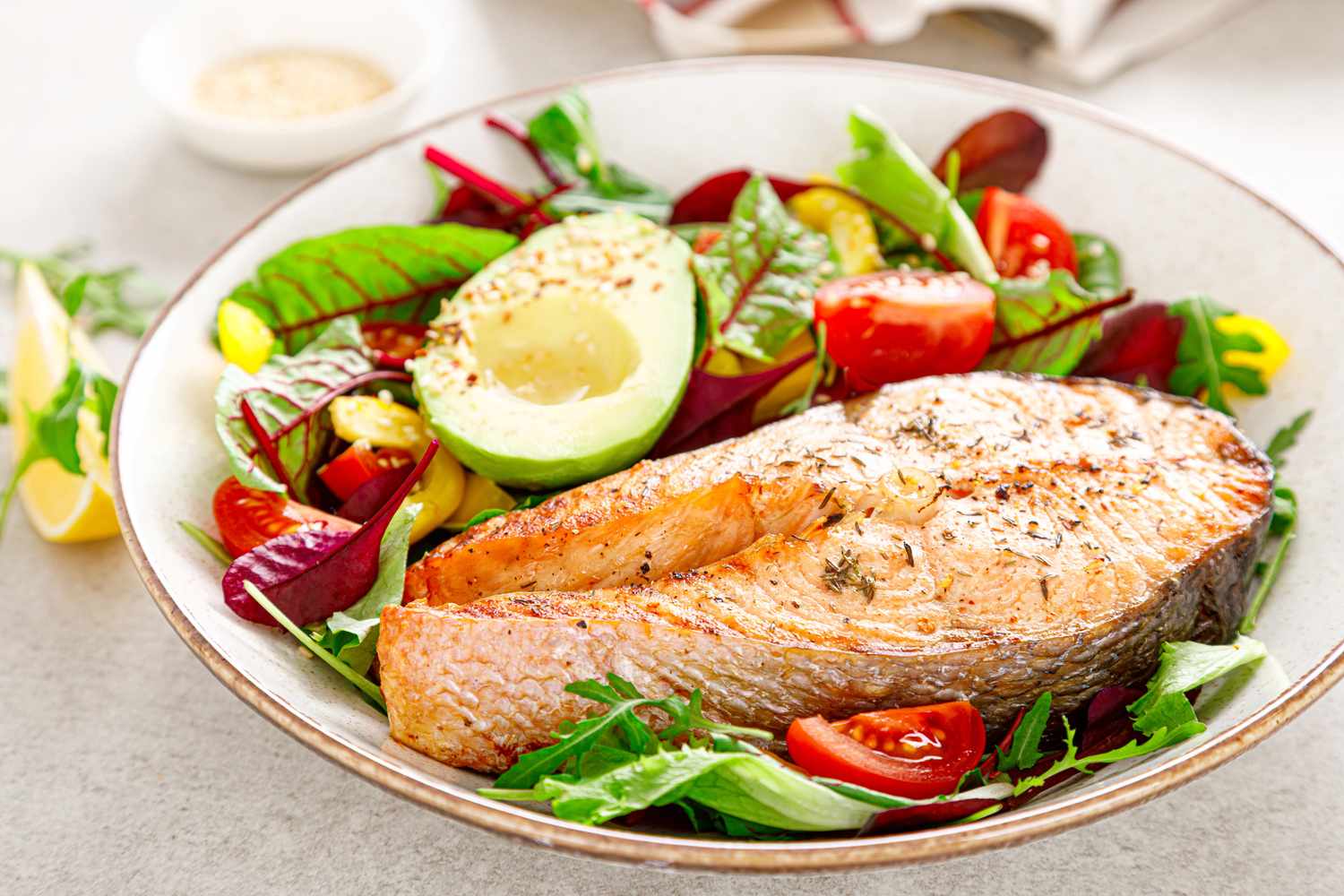
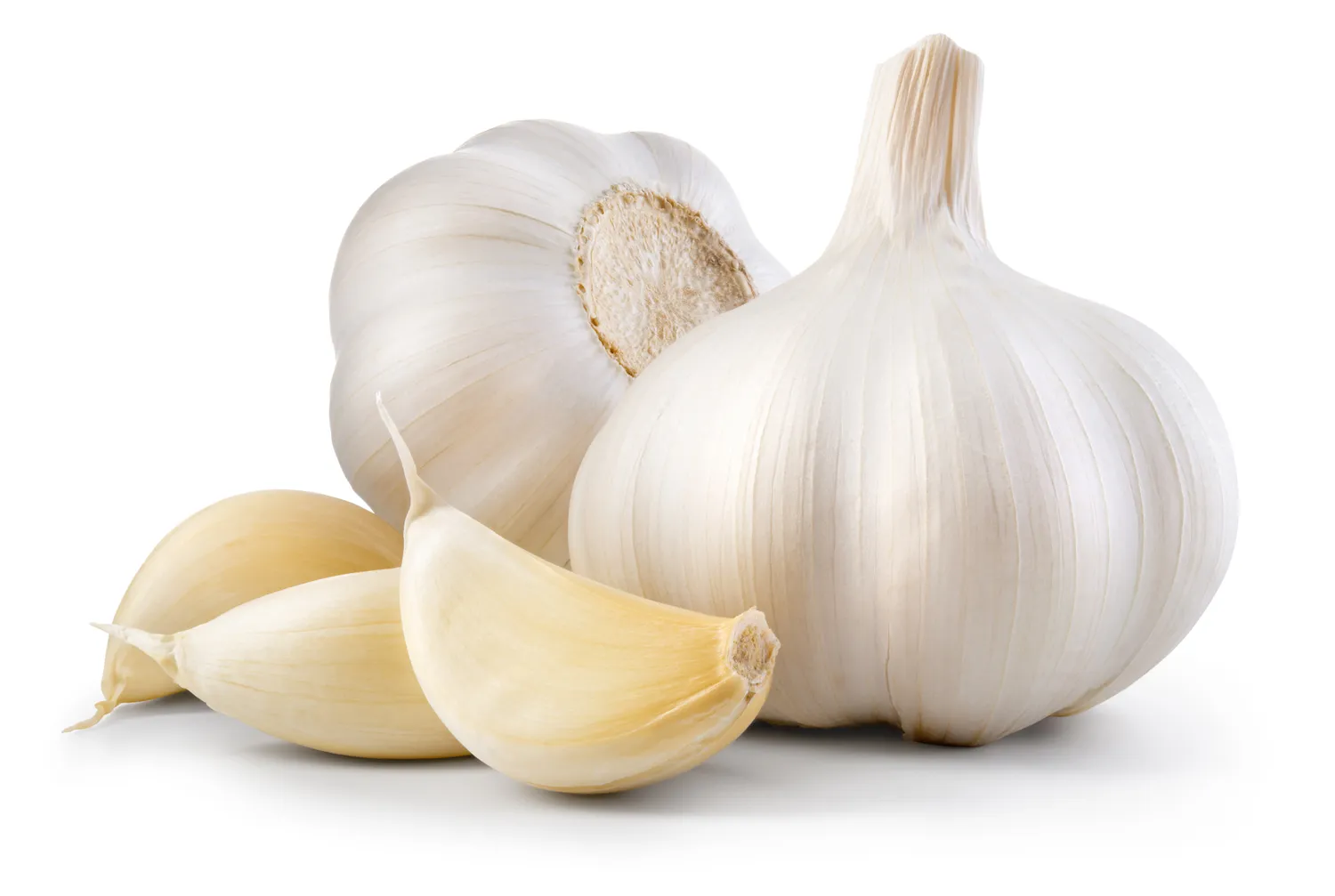

Managing your lifestyle factors is about more than just avoiding a rash; it is about creating an internal environment where your immune system can effectively do its job. By combining the protection of the Shingrix vaccine with a lifestyle that prioritizes stress reduction and nutrient density, you can significantly lower your risk of the varicella-zoster virus making an unwelcome comeback.

FAQ
What causes shingles to reactivate after years?
The primary cause of shingles reactivation is a decline in cell-mediated immunity, often due to aging—a process called immunosenescence. When the specific T-cells that keep the varicella-zoster virus dormant in the dorsal root ganglia become less effective, the virus can travel down nerve fibers to the skin, causing a shingles outbreak.
Can you get shingles more than once in your life?
Yes, it is possible for shingles to reactivate more than once. While most people only experience one episode, those with weakened immune systems or high levels of chronic stress are at a higher risk for recurrent outbreaks. This is one reason why vaccination is recommended even for those who have already had the condition.
What are the early warning signs of a shingles recurrence?
The early warning signs, known as the prodromal phase, typically include localized tingling, itching, burning, or stabbing pain. These sensations usually occur on one side of the body or face and appear 1 to 3 days before any visible rash or blisters develop.
What triggers a shingles flare-up?
Common triggers include aging, physical trauma to the skin or nerves, and health conditions that suppress the immune system, such as autoimmune diseases or cancer. Environmental factors and genetic predispositions may also make some individuals more susceptible to a flare-up.
Can stress cause the shingles virus to reactivate?
Yes, chronic stress is a well-known trigger for shingles reactivation. Stress triggers the release of cortisol, which can suppress T-cell responses. When the immune system's ability to monitor and contain the latent virus is compromised by stress, the virus has an opportunity to re-emerge.
Can the shingles vaccine prevent the virus from reactivating?
The Shingrix vaccine is highly effective at preventing the virus from reactivating. By strengthening the body's cell-mediated immune response specifically against the varicella-zoster virus, it reduces the risk of shingles by more than 90% and significantly lowers the chance of long-term complications like nerve pain.