Quick Facts
- The Rise: Early-onset cancer (affecting those under age 50) has surged by nearly 80% globally since 1990.
- The Driver: Chronic sleep deprivation and circadian rhythm disruption interfere with essential DNA repair and the suppression of tumors.
- Gut Link: Lack of sleep triggers microbial dysbiosis, which alters the microbiome-immune axis and fuels the progression of tumors, especially in colorectal cases.
- Chemo Efficacy: Emerging oncology research suggests poor sleep can diminish the effectiveness of common treatments like 5-FU by weakening the body's natural immune response.
- The Threshold: Sleeping less than seven hours per night is associated with a 22% increased risk of small intestine cancer.
- The Goal: Aim for a consistent 7 to 9 hours of quality rest to maintain antitumor immunity and support long-term metabolic health.
Recent oncology research highlights a significant link between chronic sleep deprivation and increased early-onset cancer risk, particularly colorectal cancer. Studies indicate that lack of sleep disrupts the gut microbiota, which triggers negative changes in the immune system. These microbial alterations promote tumor progression and interfere with the expression of circadian rhythm genes, ultimately weakening the body's natural antitumor immunity.
The Biological Link: How Poor Sleep Fuels Early-Onset Cancer
For decades, we viewed sleep primarily as a tool for cognitive recovery and energy conservation. However, the modern epidemic of sleep loss is now being recognized as a foundational driver in the rising rates of cancer among young adults. Between 1990 and 2019, the global incidence of early-onset cancer among adults under the age of 50 increased by 79.1%, a statistic that has sent shockwaves through the medical community. While diet and environmental pollutants are often blamed, the impact of poor sleep on cancer development is a critical, yet frequently overlooked, piece of the puzzle.
At the heart of this connection is the disruption of circadian clock genes. Every cell in our body operates on a 24-hour cycle, governed by a master clock in the brain that coordinates DNA repair, cellular division, and metabolic processes. When we consistently cut our sleep short, we throw these genes out of sync. This circadian rhythm disruption prevents the body from effectively repairing the DNA damage that occurs naturally throughout the day, providing a fertile ground for the first stages of tumor development.
Furthermore, sleep is the primary regulator of melatonin, a hormone often dubbed the darkness hormone. Beyond helping us drift off, melatonin acts as a potent antioxidant and tumor suppressor. Young adults today are particularly vulnerable to melatonin suppression due to the high prevalence of blue light exposure from smartphones and laptops late into the night. The International Agency for Research on Cancer (IARC) has even classified night shift work as a Group 2A 'probable human carcinogen' because of its profound ability to suppress melatonin and disrupt the biological clock.
The Gut-Immune Axis: Why Microbiota Matters
Perhaps the most groundbreaking area of oncology research involves the microbiome-immune axis. We now know that our gut is home to trillions of bacteria that play a direct role in how our immune system identifies and destroys mutated cells. Recent findings presented at the AACR 2026 conference suggest that sleep deprivation leads to significant microbial dysbiosis—an imbalance in gut bacteria that compromises antitumor immunity.
When sleep is restricted, the diversity of the gut microbiome shifts. Certain pro-inflammatory bacteria begin to thrive, while beneficial species that maintain intestinal homeostasis dwindle. This shift doesn't just stay in the gut; it sends signals through the blood that alter the tumor microenvironment. In a healthy state, immune cells like Natural Killer (NK) cells and T-cells are constantly patrolling for signs of malignancy. However, when the gut-immune axis is disrupted by sleep loss, these immune sentinels become sluggish and less effective at preventing tumor progression.
This is particularly relevant for the rise of colorectal cancer in younger populations. The gut lining relies on a strict circadian schedule to regenerate and maintain its barrier function. Chronic sleep deprivation and cancer link closely here, as the lack of rest weakens this barrier, allowing inflammatory markers to trigger systemic chronic inflammation, a known precursor to early cancer development. The silver lining is the concept of microbiota plasticity; by prioritizing sleep hygiene and gut health, we may be able to restore this balance and improve clinical outcomes.
Specific Cancer Risks: From Colorectal to Ovarian
The data regarding specific cancer types and sleep patterns is becoming increasingly granular and concerning. While much of the focus has been on metabolic health, the quantitative risk factors for various malignancies show a direct correlation with sleep duration. For instance, research indicates that sleeping less than seven hours per night is associated with a 22% increased risk of small intestine cancer and a 14% higher risk of acute myeloid leukemia.
In the realm of digestive health, the risks are even more pronounced. Sleep apnea, a condition that causes repeated interruptions in breathing and sleep, has been linked to a 1.76x increase in the risk of developing colorectal cancer. This is particularly alarming given that colorectal cancer is now the leading cause of cancer death in men under 50 and the second leading cause in women under 50 in the United States.
Women’s health is also significantly impacted by sleep quality. Some studies have noted that chronic insomnia and long-term sleep disturbances are linked to a 60% higher risk of ovarian cancer. These findings suggest that early-onset cancer risk reduction for people with poor sleep must involve a targeted approach that considers both the duration and the quality of rest. Monitoring molecular biomarkers related to inflammation could eventually help clinicians identify those at the highest risk before a tumor even forms.
The 'U-Shaped' Paradox: The Danger of Too Much Sleep
When we talk about sleep and health, the conversation usually focuses on getting more. However, oncology research has uncovered a "U-shaped" risk curve, meaning that both too little and too much sleep can be problematic. While the dangers of sleeping less than six hours are well-documented, sleeping more than nine hours regularly has also been linked to higher mortality rates in certain cancers, particularly colorectal cancer.
This paradox is often seen in individuals who are overweight or have underlying metabolic issues. Excessive sleep duration may be a marker of poor sleep quality, such as that caused by sleep apnea, or it may be linked to metabolic pathways like insulin resistance. Chronic inflammation is frequently the common denominator in both short and long sleepers.
For young adults, this means that sleep duration guidelines for reducing cancer risk in young adults aren't just about "more" sleep, but about finding the "Goldilocks zone" of 7 to 9 hours. Oversleeping can sometimes indicate that the body is struggling with systemic inflammation or a disrupted biological clock, both of which can negatively impact clinical outcomes. Achieving consistency in the sleep-wake cycle is just as important as the total number of hours spent in bed.
Actionable Strategies: Reversing the Risk Through Sleep Hygiene
As a preventive care editor, I believe that the most empowering part of this research is that sleep is a modifiable risk factor. We can take active steps to protect our gut health and immune system. Integrating sleep management into whole-patient care is a vital component of modern cancer prevention.
To reduce your early-onset cancer risk, consider the following practical sleep hygiene habits to reduce cancer risk:
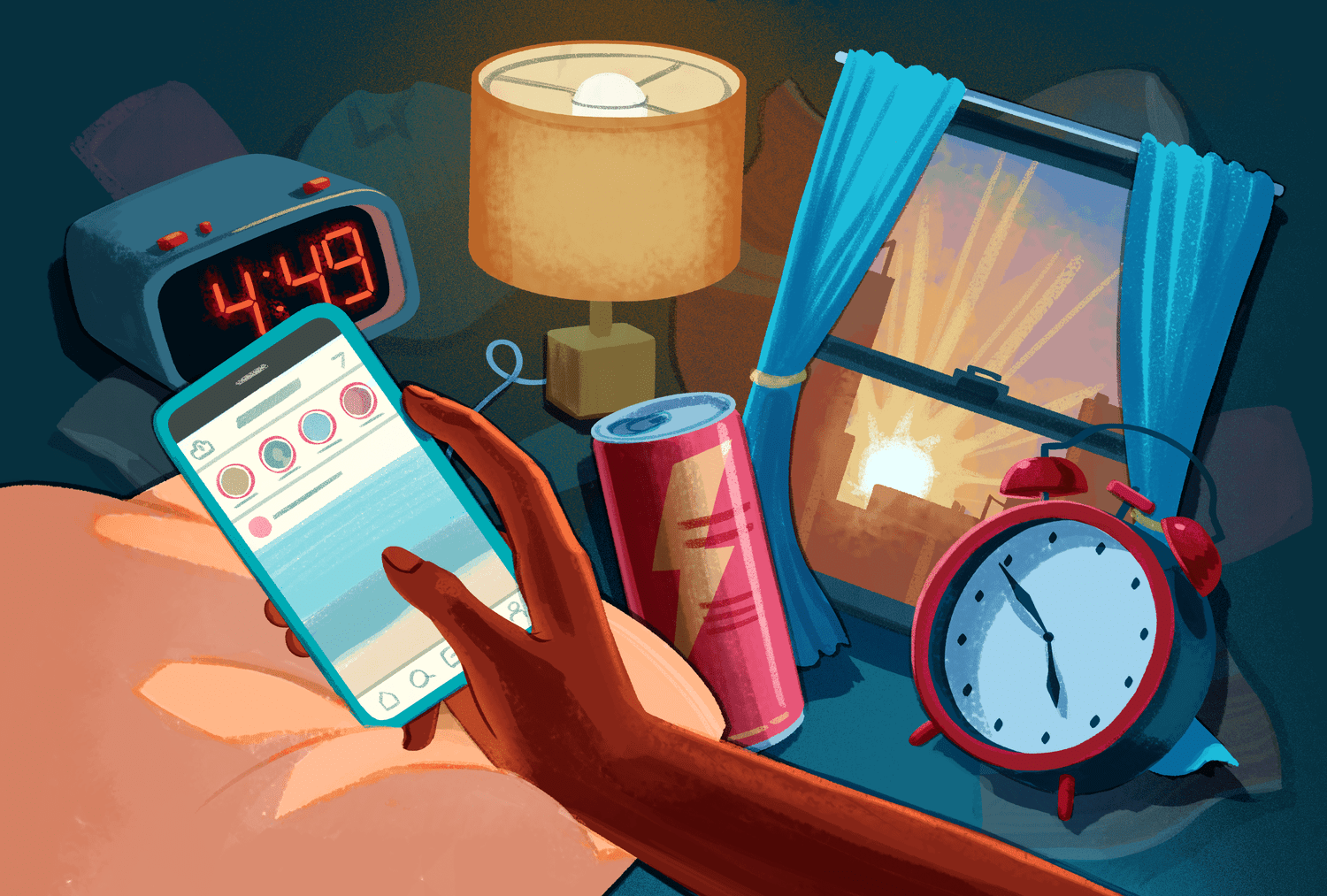
- Respect the Digital Sunset: Limit exposure to blue light at least 60 to 90 minutes before bed. Use amber-tinted glasses or "night mode" on devices if you must use them, but the best approach is to swap the screen for a physical book.
- Maintain Consistency: Wake up and go to bed at the same time every day, even on weekends. This stabilizes your circadian clock genes and helps regulate the microbiome-immune axis.
- Optimize the Environment: Keep your bedroom cool (around 65°F or 18°C), dark, and quiet. This encourages the natural production of melatonin, your body’s internal tumor suppressor.
- Watch the Caffeine Window: Stop caffeine consumption at least 8 to 10 hours before your planned bedtime to ensure it doesn't interfere with your deep sleep cycles.
- Support the Gut: A diet rich in fiber and fermented foods supports a healthy microbiome, which in turn supports better sleep. This synergy is essential for improving gut microbiota for early-onset cancer prevention.
Furthermore, for those currently undergoing treatment, sleep hygiene tips for young adults are not just about prevention—they are about survival. Research shows that sleep loss negatively impacts cancer treatment outcomes by altering the behavior of gut bacteria. For patients receiving chemotherapy drugs like 5-FU, maintaining intestinal homeostasis through adequate rest is essential for optimizing the efficacy of oncological therapies and reducing toxic side effects.
FAQ
What is considered early-onset cancer?
Early-onset cancer refers to any cancer diagnosis that occurs in adults between the ages of 18 and 49. Historically, cancer was viewed as a disease of aging, but recent decades have seen a significant shift, with more young people being diagnosed with colorectal, breast, and pancreatic cancers.
Why are cancer rates rising in young adults?
While research is ongoing, experts point to a combination of lifestyle and environmental factors. These include changes in the gut microbiome due to processed diets, increased sedentary behavior, environmental toxins, and the widespread disruption of sleep-wake cycles caused by modern technology and 24/7 work cultures.
What are the main risk factors for early-onset cancer?
Key risk factors include obesity, a diet high in ultra-processed foods, physical inactivity, smoking, and heavy alcohol use. However, newer research identifies chronic sleep deprivation and circadian rhythm disruption as foundational risks that can exacerbate the effects of other lifestyle factors.
Can lifestyle changes reduce the risk of early-onset cancer?
Yes, a significant portion of early-onset cancer cases are thought to be preventable through lifestyle modifications. Prioritizing 7-9 hours of sleep, maintaining a healthy weight, exercising regularly, and eating a high-fiber diet can strengthen antitumor immunity and reduce chronic inflammation.
What are the warning signs of cancer in young people?
Warning signs vary by cancer type but can include unexplained weight loss, persistent fatigue, changes in bowel habits, unusual lumps or swelling, and persistent pain. Because young people are often told they are "too young for cancer," it is vital to advocate for yourself if you notice lasting changes in your health.
Conclusion
The link between poor sleep and the rising tide of cancer in young adults is a clarion call for a shift in how we prioritize our daily routines. Sleep is not a luxury; it is a biological necessity that safeguards our DNA, balances our gut bacteria, and keeps our immune system sharp. By recognizing the impact of circadian rhythm disruption on early cancer development, we can move beyond reactive medicine and toward a proactive, holistic approach to wellness. Whether you are focused on prevention or looking to support your body through treatment, remember that quality rest is one of the most powerful tools in your healthcare arsenal. Prioritizing your sleep-wake cycle today is a direct investment in your long-term health and a vital step in reducing your early-onset cancer risk.