Quick Facts
- The 2024 Pivot: Clinical guidelines have shifted significantly; evidence-based exercises like Tai Chi and strength training are now prioritized over Vitamin D and calcium supplements for senior fall prevention in asymptomatic adults.
- Economic Impact: Preventable fall-related injuries are a massive burden on the healthcare system, costing an estimated $50 billion annually.
- The PCP Advantage: Patients who collaborate with their doctor to establish a clinical Fall Plan of Care are 40% less likely to experience a fall-related hospitalization than those without a structured plan.
- Critical Window: To see measurable improvements in balance and bone density, physical interventions must last at least 12 weeks with a frequency of two to three sessions per week.
- The Communication Gap: Even though one in four older adults falls every year, fewer than half of those who fall discuss the incident with their doctor, making proactive geriatric screening essential.
- Proven Results: Implementing structured primary care protocols, such as the CDC’s STEADI initiative, has been shown to reduce the number of falls among older adults by 24%.
Senior fall prevention is most effective when managed by a Primary Care Physician (PCP) through multifactorial risk assessments. By screening for medication-related dizziness, conducting clinical gait and balance assessments, and addressing frailty syndrome, PCPs can reduce fall-related hospitalizations by up to 40%.
The Medical Detective: Managing FRIDs and Polypharmacy
In my years tracking longevity trends, I have found that the most overlooked hazard isn't a loose rug or a steep staircase—it is the medicine cabinet. As we age, the way our bodies process chemicals changes, leading to a phenomenon known as polypharmacy. This isn't just about taking "too many" pills; it is about how those pills interact to compromise your stability. Your PCP acts as a medical detective in this scenario, specifically looking for Fall-Risk-Increasing Drugs, or FRIDs.
Many seniors fall victim to the prescribing cascade. This happens when a side effect of one drug is misdiagnosed as a new medical condition, leading to another prescription, which then causes further side effects. For instance, a medication for high blood pressure might cause slight dizziness. Instead of adjusting that dose, a patient might be given something for vertigo, further clouding their cognitive clarity. A thorough role of PCP in fall prevention involves a structured medication review to break this cycle and identify medications that increase fall risk, such as sedatives, certain antidepressants, or excessive blood pressure blockers.
A primary focus during these reviews is managing orthostatic hypotension to reduce fall risk. This condition causes a sudden drop in blood pressure when you stand up, leading to lightheadedness and immediate instability. By adjusting dosages or switching to medications with fewer systemic side effects, your doctor can stabilize your internal environment. Furthermore, for those managing osteoporosis, the PCP ensures that bone-density treatments are balanced with safety protocols so that a minor slip doesn't result in a life-changing fracture.
Physical Audit: Clinical Gait and Balance Assessments
When you step into the clinic, the evaluation goes beyond blood work. A modern geriatric screening includes a physical audit to detect postural instability before it leads to an accident. One of the most effective tools your doctor uses is the Timed Up and Go Test. If you have ever wondered what to expect during a clinical gait assessment, it usually involves rising from a chair, walking a set distance, turning, and sitting back down while being timed. This simple test is a powerful predictor of future mobility issues.
The clinical gait and balance assessment is designed to identify the early signs of sarcopenia, which is the age-related loss of muscle mass and strength. To combat this, I always emphasize the importance of protein for senior balance and strength. Muscle is the armor of the aging body. Your PCP can guide you on nutritional intake to ensure you are maintaining the fast-twitch muscle fibers necessary to "catch" yourself if you stumble. They also look at proprioception—your body's ability to sense its position in space—which can be diminished by neurological conditions or simple inactivity.
If the assessment reveals significant deficits, your PCP serves as the essential bridge to specialists. They may refer you to physical therapy for targeted strength training or suggest occupational therapy to help you adapt your daily movements. This multifactorial approach ensures that we aren't just treating the symptoms of aging, but actively building a more resilient physical frame.
The Psychological Barrier: Overcoming the Fear of Falling
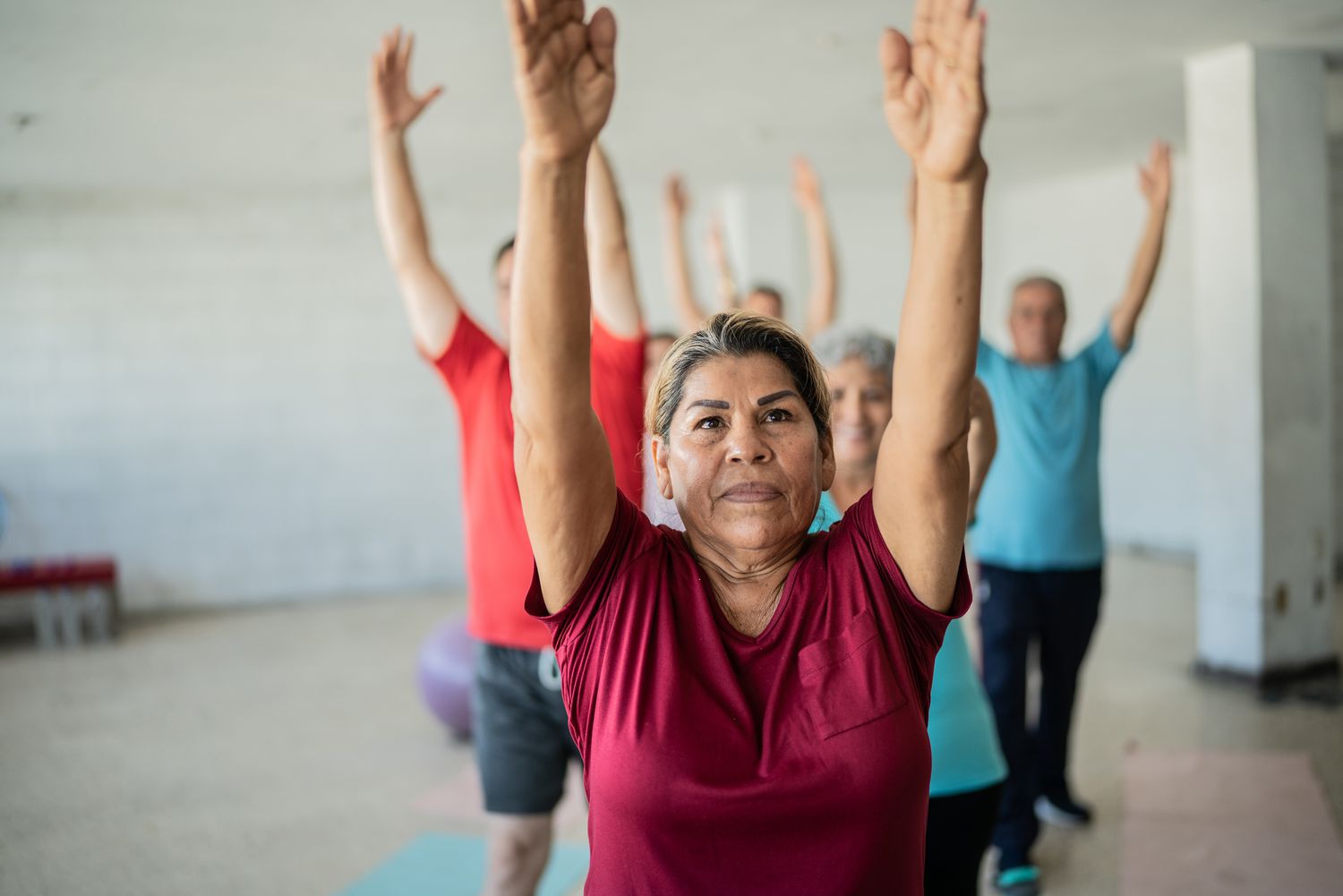
There is a silent epidemic among seniors that I call the fear-of-falling cycle. After a minor trip or hearing about a peer's injury, many individuals begin to restrict their activities. They stop walking in the park, they avoid stairs, and they spend more time sitting. Ironically, this reduction in movement leads to a rapid decline in muscle tone and balance, which actually increases the statistical likelihood of a fall. This is where frailty syndrome begins to take root.
Addressing this requires more than just physical exercise; it requires a psychological shift. Your PCP can offer actionable strategies for reducing fear of falling, which may include Cognitive Behavioral Therapy (CBT) or joining community-based balance classes. Studies show that when seniors understand their specific risk factors, their confidence grows.
The conversation starts with transparency. Knowing how to talk to doctor about fall risk is crucial. Instead of downplaying a "near miss," you should report every instance of feeling off-balance. This allows your healthcare provider to distinguish between a one-time environmental accident and a systemic issue like cognitive decline or a change in heart rhythm. When you treat balance as a vital sign—no different from blood pressure—you take the power away from the fear and put it back into your prevention plan.
Beyond the Clinic: 2026 Technology and Home Safety
As we move into 2026, the intersection of technology and senior fall prevention is becoming more sophisticated. We are moving away from reactive "panic buttons" toward proactive monitoring. Your PCP can now integrate data from wearable sensors for fall prevention in seniors into your medical record. These devices use AI to analyze changes in your gait speed and stride variability over weeks or months, often spotting the subtle signs of frailty syndrome before you even notice them.
These wearable sensors provide a real-time feedback loop. If your data shows a sudden increase in postural instability, your PCP can trigger an immediate intervention, such as a medication adjustment or an urgent physical therapy session. This shift toward "continuous care" is the future of longevity.
However, high-tech tools must be paired with low-tech environmental changes. Part of the benefits of multifactorial fall risk assessments is the coordination of a professional home audit. Your PCP can provide a referral for a specialist to conduct a home hazard removal evaluation. This involves more than just picking up rugs; it includes installing appropriate assistive technology, such as grab bars in specific high-leverage areas and upgrading lighting to compensate for age-related vision changes. By combining clinical data with a safe environment, we create a comprehensive safety net that allows for independent living well into the later decades of life.
FAQ
Which medications can increase the risk of falls in seniors?
Several classes of drugs contribute to instability, including benzodiazepines used for anxiety or sleep, certain antihistamines, and older types of antidepressants. Blood pressure medications that cause a rapid drop in pressure upon standing and even some diabetes medications that cause low blood sugar can significantly increase the risk. A PCP-led review of your prescriptions and over-the-counter supplements is the best way to identify these risks.
How can you tell if a senior is at high risk for falling?
Key indicators include a history of a fall in the past year, difficulties with walking or balance, and the use of four or more regular medications. Clinical signs such as a slow walking speed in a gait assessment or a self-reported fear of falling are also strong predictors. If an individual needs to use their hands to push off a chair to stand up, it often signals the lower body weakness associated with high fall risk.
What exercises are best for improving balance in seniors?
Tai Chi is widely considered the gold standard for balance because it emphasizes slow, controlled movements and weight shifting. Additionally, resistance training focused on the legs and core, such as squats and heel raises, is vital. For the best results, exercises should be performed at least two to three times a week for a minimum of three months to build lasting neuromuscular adaptations.
What are the best fall prevention devices for home use?
Essential devices include high-contrast grab bars in the bathroom, non-slip mats in the shower, and handrails on both sides of every staircase. In 2026, smart lighting systems that automatically illuminate pathways at night and wearable sensors that detect changes in movement patterns are becoming standard recommendations for maintaining a safe home environment.
How can I make my home safer for a senior?
Start by clearing all walking paths of clutter, cords, and throw rugs. Ensure that all areas of the home, especially hallways and entryways, are brightly lit. Place frequently used items within easy reach to avoid the need for step stools. Finally, consider a professional home safety audit where an occupational therapist evaluates the specific layout of your home to recommend targeted modifications for maximum stability.