Quick Facts
- Core Protocol: Follow the Stay, Safe, Side method to keep the person protected and breathing easily.
- Emergency Threshold: Contact emergency services immediately if a seizure lasts longer than 5 minutes.
- Primary Safety Rule: Never place objects in the person’s mouth or attempt to restrain their movements.
- Prevalence: Approximately one in ten people will experience at least one seizure during their lifetime.
- Post-Event Care: Place the person in the recovery position once movements stop to ensure airway protection.
- Identification: Look for medical alert jewelry like bracelets or necklaces to identify pre-existing conditions.
Basic seizure first aid follows the A.C.T.I.O.N. protocol: Assess the situation for danger, Cushion the person's head, and Time the seizure duration. To provide effective seizure first aid, you must check for medical identity jewelry, turn the person onto their side once convulsive movements stop, and remember to never restrain them or put anything in their mouth.
Recognizing Different Seizure Symptoms: Focal vs. Generalized
Recognizing seizure symptoms is the first step in providing the right kind of help. Seizures are not a one-size-fits-all event; they manifest differently depending on which part of the brain is affected. Many people visualize a seizure only as a person falling and shaking, but the reality can be much more subtle.
In my years of focusing on preventive healthcare, I have found that understanding the distinction between focal and generalized events is vital for bystander intervention. Generalized seizures affect both sides of the brain simultaneously. The most well-known of these is the tonic-clonic seizure, characterized by muscle rigidity followed by rhythmic jerking. Conversely, focal seizures originate in one specific area. A person might appear confused, engage in repetitive behaviors like lip-smacking or hand-rubbing, or simply stare blankly into space.
| Seizure Type | Common Symptoms | First Aid Focus |
|---|---|---|
| Tonic-Clonic | Muscle rigidity, convulsive movements, loss of consciousness | Protection from injury and timing |
| Focal | Staring, confusion, repetitive behaviors, aura recognition | Guiding away from danger, reassurance |
| Absence | Brief fluttering of eyelids, staring (common in children) | Monitoring and post-event support |
Some individuals experience aura recognition, which is a sensory warning sign—such as a specific smell, a feeling of "deja vu," or a sudden change in emotion—that occurs right before a larger event begins. Recognizing these subtle signs allows the person to get to a safe position before the seizure progresses.
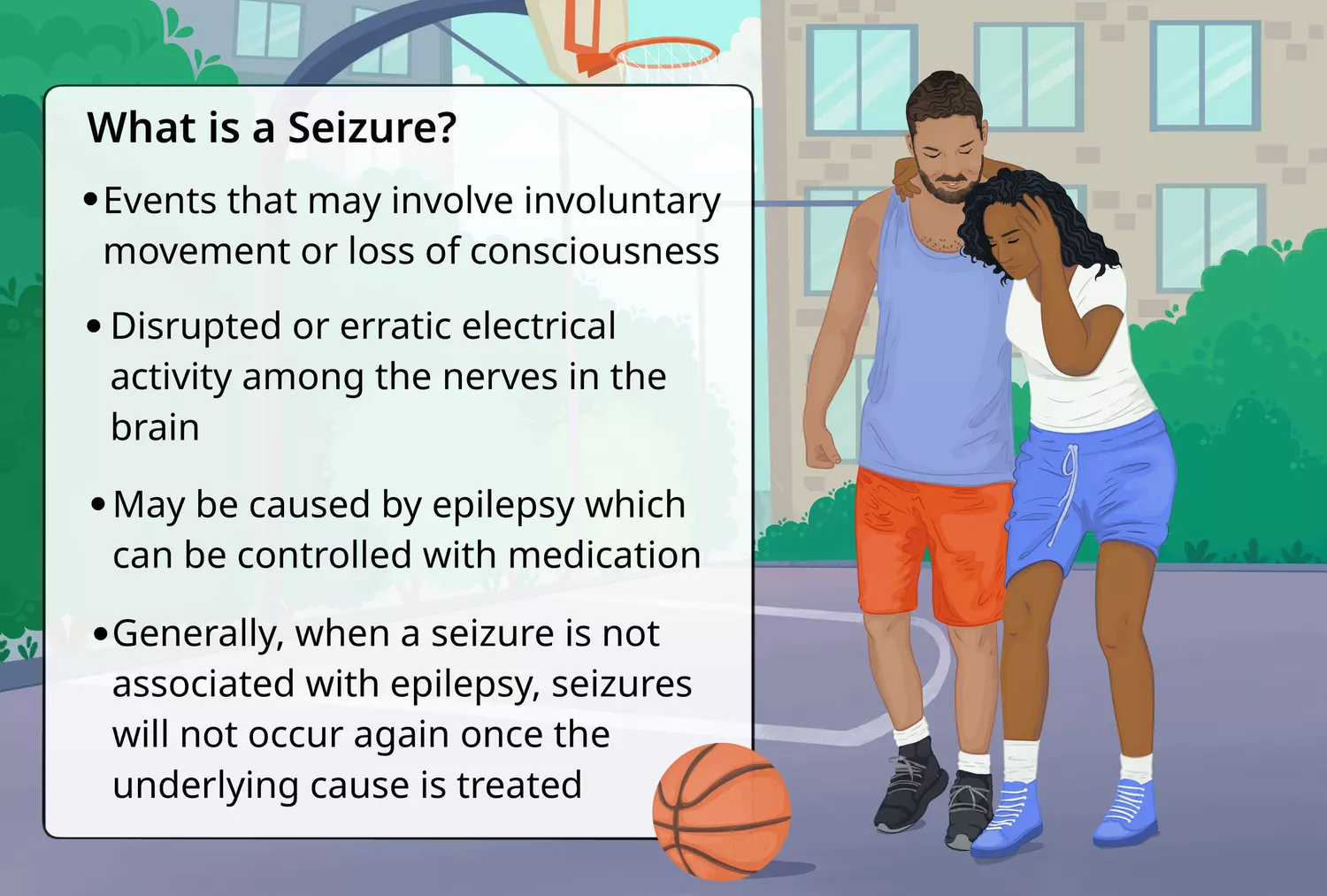
Immediate Actions: The "Stay, Safe, Side" Protocol
When you witness a seizure, your primary goal is to prevent injury and maintain a clear airway. The Epilepsy Foundation recommends a simple, easy-to-remember framework: Stay, Safe, Side. This protocol simplifies your emergency seizure response into three manageable steps that can be performed by anyone, regardless of medical training.
- Stay: Remain with the person until the event is over and they are fully awake. Use a watch or your phone to time the seizure from the moment you notice it starting. This duration is a critical piece of information for medical professionals.
- Safe: Keep the person safe by clearing the immediate area of hard or sharp objects. If they are on the ground, cushion their head with something soft, like a folded jacket. If they have glasses, remove them gently.
- Side: If the person is not awake and alert, or if they are having a tonic-clonic seizure, turn them onto their side as soon as it is safe to do so. This helps keep the airway clear and prevents saliva or vomit from causing choking.
While you are assisting, check for medical alert jewelry. Many people with epilepsy wear bracelets or necklaces that provide essential information about their condition and any rescue medication they may need. This small detail can significantly change the course of the emergency response.

Critical "Don'ts": Common Mistakes to Avoid
Even with the best intentions, certain traditional reactions can actually cause harm. One of the most persistent myths is that a person can swallow their tongue during a seizure. This is physically impossible. However, trying to prevent it by placing objects in the mouth is one of the most frequent common mistakes to avoid during seizure first aid.
Lily’s Safety Tip: Your primary job is to be a calm guardian, not a medical interventionist. Avoid the urge to "stop" the seizure through physical force.
- Do not put anything in their mouth: This includes fingers, spoons, or water. It can lead to broken teeth or, more dangerously, an obstructed airway.
- Do not restrain the person: Trying to hold someone down during convulsive movements can result in muscle tears or bone fractures for the individual, and injury to you.
- Do not give water or food: Wait until the person is fully alert and capable of swallowing before offering anything to eat or drink.
- Do not perform rescue breathing: During a tonic-clonic seizure, it is normal for a person's breathing to appear labored or even stop briefly as their muscles tighten. Rescue breathing is usually unnecessary and should only be considered if the person does not start breathing again after the movements have ceased.
When to Call 911: Emergency Seizure Response
While most seizures end on their own without the need for hospital intervention, there are specific "red flag" situations where you must call for help. According to official first aid guidelines, emergency medical services should be contacted if a seizure lasts longer than five minutes.
This five-minute threshold is vital because it may indicate status epilepticus, a condition where the brain is in a state of persistent seizure. This is a life-threatening neurological emergency that requires professional medical treatment.
You should also seek an emergency seizure response if:
- It is the person’s first known seizure.
- The person is injured, pregnant, or has a known health condition like heart disease or diabetes.
- The seizure occurs in water (such as a pool or bathtub).
- A second seizure starts shortly after the first, before the person has regained consciousness.
- The person has difficulty breathing or does not wake up after the movements stop.
Post-Seizure Care: The Recovery Position and Beyond
The time immediately following a seizure is known as the postictal phase. During this period, the brain is recovering, and the person may experience profound fatigue, confusion, or even temporary speech difficulties. Knowing what to do after a seizure ends is just as important as the actions you take during the event.
Once the movements have stopped, ensure the person is in a stable recovery position on their side. This position uses gravity to keep the tongue from blocking the throat and allows fluids to drain from the mouth. Talk to the person in a calm, reassuring voice. They may be disoriented and frightened by the gap in their memory.
Stay with them until they are fully conscious and aware of their surroundings. If they have a medical ID, you might find a contact number for a family member or doctor. Documenting the details—how the seizure started, how long it lasted, and what the movements looked like—is incredibly helpful for their long-term epilepsy management. This information helps doctors fine-tune treatments and understand potential triggers.
FAQ
What is the first thing you should do when someone has a seizure?
The first priority is to stay calm and assess the surroundings for immediate danger. Look at your watch to begin timing the event and move any hard or sharp objects away from the person to prevent injury. Ensuring they are in a safe space is the foundation of effective how to perform basic seizure first aid.
When is a seizure considered a medical emergency?
A seizure becomes a medical emergency if it lasts more than five minutes, if the person is injured during the event, or if they are pregnant. Additionally, if the person has difficulty breathing afterward or if it is their first ever seizure, professional medical intervention is required.
What should you not do while someone is having a seizure?
You should never restrain the person’s movements or try to hold them down. Most importantly, never put anything in their mouth, as this can cause injury to their jaw or block their airway. Avoid offering food or water until they are completely alert and oriented.
How long should a seizure last before you call 911?
You should call 911 if the seizure lasts longer than five minutes. This is known as the five-minute rule and is a critical trigger for emergency response for seizures lasting over 5 minutes to prevent potential brain injury or status epilepticus.
Should you put something in a person's mouth during a seizure?
No, you should never put any objects, including fingers or medicine, into a person's mouth during a seizure. This is a dangerous myth; doing so can lead to dental injuries or choking. The best way to protect their airway is to turn them onto their side after the movements have stopped.