Quick Facts
- Target Window: Late summer to early fall, specifically from August through October, to build protection before seasonal transmission peaks.
- Adult Eligibility: Routine vaccination is recommended for all adults aged 75 and older. Adults aged 50 to 74 who have chronic heart or lung disease, severe obesity, or diabetes should also seek vaccination.
- Infant Protection: Expectant parents can receive the maternal vaccine between weeks 32 and 36 of pregnancy. Alternatively, infants can receive monoclonal antibody treatments shortly after birth.
- Effectiveness: Real-world data shows vaccines are roughly 75% effective at preventing hospitalizations in older adults and up to 85% effective for newborns when administered during pregnancy.
- Co-administration: It is clinically safe and often more convenient to receive your RSV shot at the same appointment as your annual flu and COVID-19 vaccinations.
- Protection Timeline: It generally takes about 14 days after the injection for the body to develop a robust immune response.
To strengthen RSV immunity, all adults aged 75 and older should receive a single dose of the RSV vaccine. Adults aged 50 to 74 at increased risk due to conditions like chronic heart or lung disease, diabetes, or severe obesity are also eligible. For optimal protection, vaccines should ideally be administered in late summer or early fall, between August and October, before seasonal transmission increases.
As we transition into the cooler months, my focus as an editor always shifts toward fortifying our natural defenses. Respiratory Syncytial Virus, or RSV, was once thought of primarily as a childhood illness, but we now know it poses a significant threat to older adults and those with compromised systems. Building RSV immunity is not just about a single clinical intervention; it is a holistic process of timing your medical appointments, managing your existing health conditions, and maintaining the daily habits that keep your respiratory system resilient. This guide will walk you through the essential steps to navigate this RSV season with confidence.
Understanding RSV Eligibility: Is the Vaccine Right for You?
In previous years, the guidelines for RSV vaccination were somewhat narrow, but the latest clinical evidence has expanded the pool of who can benefit from these life-saving shots. For those in the 75 and older category, the recommendation is straightforward: a single dose of the vaccine is recommended as part of your routine preventative healthcare. This age group remains at the highest risk for severe complications that lead to hospitalization.
However, the most significant update for the 2025-2026 season involves adults aged 50 to 74. If you fall into this age bracket, your eligibility depends on your personal health history. Medical experts have identified specific medical conditions that increase RSV complications, making vaccination a priority for these individuals. If you live with chronic obstructive pulmonary disease (COPD), congestive heart failure, or severe obesity, your lungs and heart are already working harder than average. An RSV infection can push these systems to a breaking point.
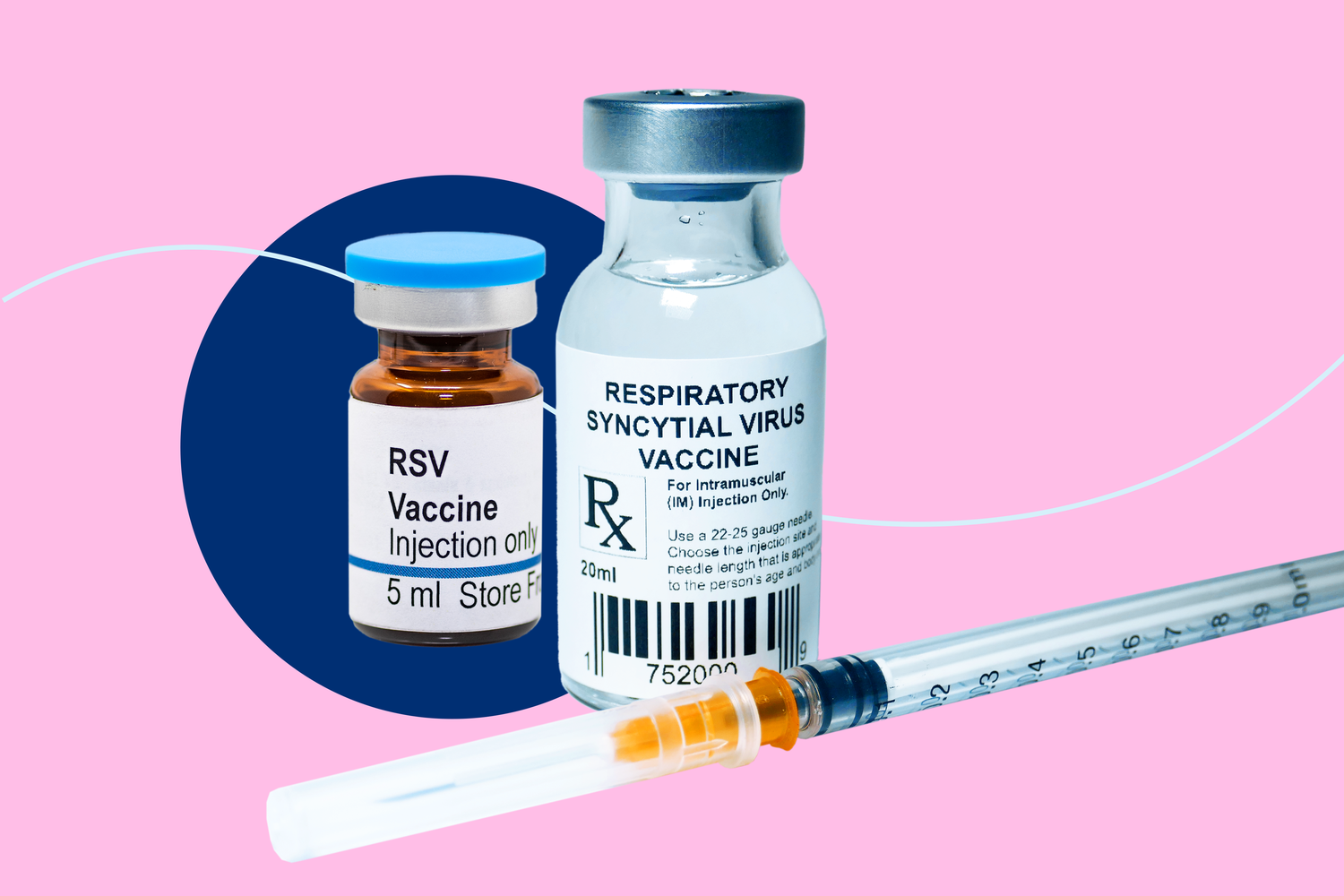
When discussing options with your healthcare provider, you may hear about different vaccine brands. Comparing Arexvy mRESVIA and Abrysvo for adults reveals that while all are effective, they use slightly different technologies. Arexvy and Abrysvo are protein-based vaccines, while mRESVIA utilizes mRNA technology, similar to modern COVID-19 shots. Your doctor can help you decide which is most appropriate based on your specific health profile and the vaccine's availability at your local pharmacy.
Studies from the recent respiratory season show that these vaccines were approximately 75% effective at preventing RSV-associated hospitalizations in adults aged 60 and older. This statistic highlights why understanding RSV vaccine eligibility for high risk adults under 75 is so critical—prevention is far more effective than treating the virus once it has taken hold.
High-Risk Condition Checklist for Adults 50-74:
- Chronic lung diseases such as COPD or interstitial lung disease.
- Chronic cardiovascular diseases including congestive heart failure or coronary artery disease.
- End-stage renal disease or significant kidney impairment.
- Diabetes mellitus with associated organ damage.
- Severe obesity (BMI of 40 or higher).
- Immunocompromised states due to illness or medication.
The best time to get RSV vaccine for seniors and high-risk adults is in the late summer or early autumn. By receiving the shot between August and October, you allow your body the necessary time to build a defense before the virus begins circulating widely in the community. If you are wondering how long it takes for RSV vaccine to work, most clinical data suggests that you reach peak protection approximately 14 days after the injection.
Protecting the Next Generation: Maternal Vaccines vs. Antibodies
One of the most beautiful aspects of modern preventive medicine is our ability to provide passive immunity to those who cannot yet protect themselves. For expectant parents and newborns, the strategy for RSV immunity is two-pronged. We can either vaccinate the pregnant person or provide the infant with a direct dose of protective antibodies.
Choosing between maternal RSV vaccine and monoclonal antibodies is a decision often based on timing and personal preference. The maternal vaccine, specifically Abrysvo, is recommended during a very specific gestational window: between 32 and 36 weeks of pregnancy. When the vaccine is administered at least 28 days before birth, it has been shown to be approximately 85% effective in protecting neonates from hospitalization due to lower respiratory tract infections. This allows the parent to pass antibodies through the placenta, giving the baby a "head start" on protection the moment they are born.
If the maternal vaccine was not administered, or if the baby is born prematurely, monoclonal antibodies provide an alternative. Treatments like nirsevimab are not vaccines in the traditional sense; rather, they provide "ready-made" passive immunity. During the 2024-2025 season, nirsevimab was found to be approximately 80% effective against RSV-associated hospitalizations in infants. These treatments are typically given to infants under 8 months old entering their first RSV season, usually starting in October.
| Feature | Maternal Vaccine (Abrysvo) | Monoclonal Antibodies (Nirsevimab) |
|---|---|---|
| Recipient | Pregnant individual | Infant |
| Timing | 32–36 weeks of gestation | At birth or start of RSV season |
| How it works | Parent creates antibodies; passes to baby | Direct injection of antibodies to baby |
| Primary Benefit | Protection starts at the first breath | Can be given if maternal dose was missed |
Regardless of which path you choose, the goal is the same: preventing the severe bronchiolitis and pneumonia that RSV often causes in the smallest members of our families.
Holistic Strategies: Lowering Risk and Immune System Support
While vaccination is our most powerful tool, it works best when supported by a healthy lifestyle and smart environmental habits. My philosophy has always been that preventative healthcare is a 365-day-a-year commitment. To truly optimize your RSV immunity, you must address the ways the virus spreads and the ways your body stays resilient.
First, consider the practical ways to lower RSV infection risk in your daily environment. RSV can survive on hard surfaces for many hours. Frequent handwashing with soap and water for at least 20 seconds is a simple yet profound defense. I also recommend a "high-touch" disinfection routine: once a day, wipe down doorknobs, light switches, remote controls, and your smartphone. These are the hidden reservoirs where respiratory viruses linger.
Beyond hygiene, there are natural ways to support immune system for RSV that focus on the foundation of your health. A diet rich in colorful vegetables and fruits provides the phytonutrients and antioxidants your white blood cells need to function. Specifically, maintaining adequate levels of Vitamin D and Zinc has been linked in various studies to better respiratory outcomes. Additionally, prioritizing sleep optimization is non-negotiable; your immune system does its most critical "repair work" while you are in deep sleep.
For those planning their seasonal health appointments, the safety of RSV vaccine co-administration with flu shots is a common concern. Leading health organizations have confirmed that getting your RSV, flu, and COVID-19 shots at the same time is safe and does not diminish the efficacy of any of the vaccines. In fact, many people find it easier to manage the mild, temporary side effects (like a sore arm or slight fatigue) all at once rather than spreading them out over several weeks.
Finally, managing your chronic conditions is perhaps the most overlooked aspect of immune system support for RSV. If you have asthma or COPD, ensuring your maintenance inhalers are used correctly and consistently keeps your lung tissue as healthy as possible. If you have heart failure, keeping your fluid levels balanced through diet and medication reduces the stress on your cardiovascular system, making it easier for your body to handle a viral challenge.
FAQ
How long does the RSV vaccine provide protection?
Current data suggests that the RSV vaccine provides strong protection for at least two full respiratory seasons. Unlike the flu shot, which is required annually, the RSV vaccine is currently administered as a single dose for older adults, though researchers continue to monitor whether booster shots will be needed in the future.
Does a mother pass RSV immunity to her baby during pregnancy?
Yes, when a pregnant individual receives the RSV vaccine between 32 and 36 weeks of gestation, their body produces protective antibodies. These antibodies cross the placenta and enter the baby's bloodstream, providing immediate passive immunity that lasts for several months after birth, which is the baby's most vulnerable period.
Can you still get RSV if you have been vaccinated?
Yes, it is possible to contract RSV even after vaccination. However, the primary goal of the vaccine is to prevent severe disease, hospitalization, and death. Vaccinated individuals who do get infected typically experience much milder, cold-like symptoms rather than the severe lower respiratory tract infections that require medical intervention.
How soon can you get RSV again after recovery?
While a previous infection provides some natural RSV immunity, it is not permanent. It is possible to be reinfected with RSV within the same season or in subsequent years because the body’s natural immune response to this specific virus tends to wane over time. This is why vaccination is recommended even for those who have had the virus in the past.
Is RSV immunity stronger from infection or vaccination?
Vaccination generally provides a more predictable and robust level of protection compared to natural infection. While a natural infection does prompt an immune response, the strength and duration of that immunity can vary significantly between individuals. Clinical trials show that vaccines are specifically designed to trigger a high level of neutralizing antibodies that target the virus more effectively than the natural response often does.