Quick Facts
- Standard Solution: Isotonic saline (0.9% sodium chloride) matches body fluids and is ideal for gentle airway hydration.
- Mucus Clearance: Hypertonic saline (3% to 7%) acts as a potent expectorant for managing chronic conditions like COPD, bronchiectasis, and cystic fibrosis.
- Safety First: Always prioritize sterile, single-use ampoules over homemade mixtures to prevent the risk of severe pulmonary infections.
- Clinical Efficacy: Studies show that 7% hypertonic saline can significantly reduce the need for antibiotics in respiratory patients.
- Device Care: Regular cleaning is mandatory because salt crystallization can quickly clog the delicate pores of mesh technology nebulizers.
- Maintenance: Deep-clean your equipment weekly and rinse the cup after every single session to ensure long-term functionality.
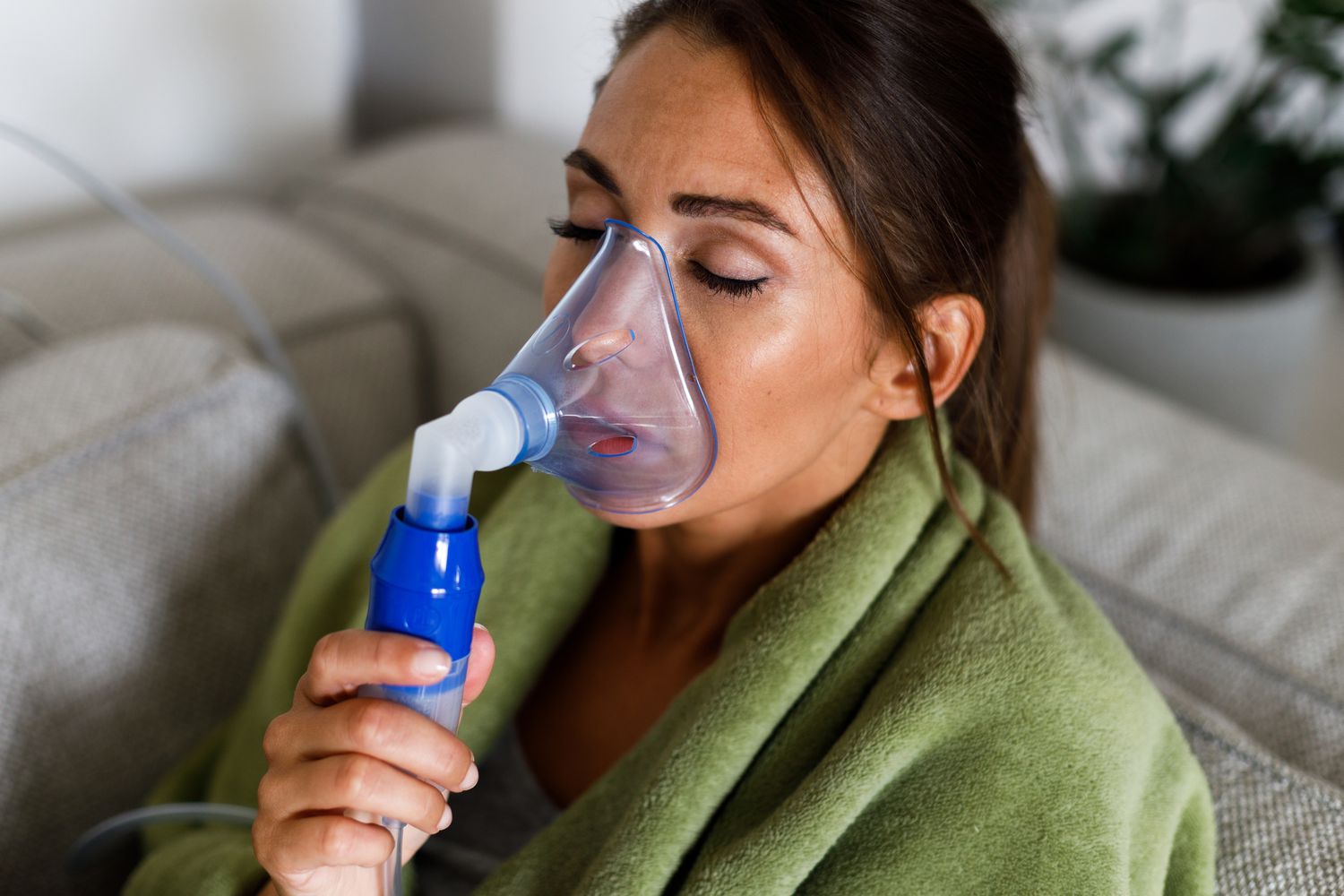
Nebulizer saline solution is a sterile mixture of sodium chloride and water specifically formulated to hydrate the respiratory tract and facilitate mucus clearance. While isotonic saline (0.9%) is generally used for daily airway hydration and soothing irritation, hypertonic saline (3% or higher) is an active therapeutic tool used to loosen thick secretions in chronic conditions such as COPD or cystic fibrosis.
Understanding Saline Tonicity: Isotonic vs. Hypertonic
When we talk about nebulizer saline solution, the conversation inevitably turns to tonicity. This is a scientific way of describing the salt concentration relative to our body’s natural chemistry. In my experience as a wellness editor, understanding this distinction is the first step toward a more effective respiratory routine. Isotonic saline, often called normal saline, contains 0.9% sodium chloride. This concentration is designed to be physiological, meaning it mimics the salt levels in our blood and tissues. It provides a gentle, non-irritating mist that is perfect for airway hydration and maintaining the protective mucous membrane barrier.
On the other end of the spectrum is hypertonic saline. This solution has a much higher concentration of sodium chloride, typically ranging from 3% to 7%. Instead of just hydrating, it works through osmosis, drawing water out of the airway tissues and into the mucus. This process thins out thick, stubborn secretions, making them much easier to cough up. This is why it is often classified as an expectorant rather than just a humidifier.
The clinical benefits of higher concentrations are well-documented. For instance, the regular use of nebulized 7% hypertonic saline in patients with non-cystic fibrosis bronchiectasis has been shown to reduce annualized antibiotic usage from 5.4 to 2.4 courses per patient and decrease emergency healthcare visits significantly. Furthermore, in randomized trials with cystic fibrosis patients, 76% of those receiving nebulized hypertonic saline remained free of pulmonary exacerbations compared to 62% in the control group.
| Feature | Isotonic Saline (0.9%) | Hypertonic Saline (3% - 7%) |
|---|---|---|
| Concentration | 0.9% Sodium chloride | 3%, 5%, or 7% Sodium chloride |
| Primary Use | Humidification and soothing | Active mucus clearance and expectoration |
| Benefit | Matches body fluids; low irritation | Breaks down thick mucus; reduces infections |
| Common Needs | Dry cough, seasonal allergies | COPD, Cystic Fibrosis, Bronchiectasis |
Choosing between hypertonic and isotonic saline for nebulization is a decision that should be made with your healthcare provider. While hypertonic saline is highly effective for pulmonary hygiene, it can sometimes trigger a bronchospasm in sensitive individuals due to its high salt content.
Sterile Ampoules vs. Homemade: The Safety Debate
One of the most frequent questions I receive is whether a DIY approach is acceptable. I cannot stress this enough: for inhalation therapy, the safety risks of homemade vs sterile nebulizer saline are too high to ignore. When you use a nebulizer, the device breaks the liquid down into microscopic droplets that travel deep into the smallest corners of your lungs. If that liquid contains bacteria from tap water or impurities from kitchen salt, you are essentially delivering those contaminants directly into your lower respiratory system.
Sterile saline solution for inhalation is processed to be free of all microorganisms. It usually comes in single-use ampoules made of medical-grade plastic. These ampoules ensure that every treatment is as clean as the first. In contrast, even if you boil tap water, it may still contain minerals that can build up inside your device, or it might be re-contaminated as it cools.
There is also a common myth that steam from a hot shower or a bowl of water is the same as nebulization. It is important to remember that salt has a very high boiling point. When water evaporates into steam, the salt stays behind in the pot. Only a nebulizer, which uses a compressor or mesh technology to create a cool or room-temperature aerosol, can successfully deliver sodium chloride into the lungs.
Caution: Never use tap water or bottled drinking water in your nebulizer. These are not sterile and can lead to serious lung infections like pneumonia or Legionnaire’s disease. Always use pharmaceutical-grade sterile saline.
If you are ever in an absolute emergency where you must mix a solution, you must use distilled water and non-iodized salt, and the resulting mixture must be discarded after 24 hours. However, for long-term chronic care, knowing how to store saline solution ampoules for inhalation—in a cool, dry place away from direct sunlight—is a much safer and more effective strategy.
How to Use Saline Solution in Your Nebulizer
Using a nebulizer should feel like a calming ritual, a moment of self-care for your lungs. The process is straightforward, but consistency is key to reaping the benefits of airway hydration. Before you begin, ensure you are in a comfortable, upright position to allow for maximum lung expansion.
- Preparation: Wash your hands thoroughly with soap and water to prevent transferring bacteria to the equipment.
- Filling: Take one of the single-use ampoules and twist the top off. Pour the liquid—usually about 2.5ml to 5ml—directly into the nebulizer cup.
- Assembly: Secure the cap of the cup and attach the mouthpiece or the face mask. If you are using a compressor nebulizer, connect the tubing to the machine.
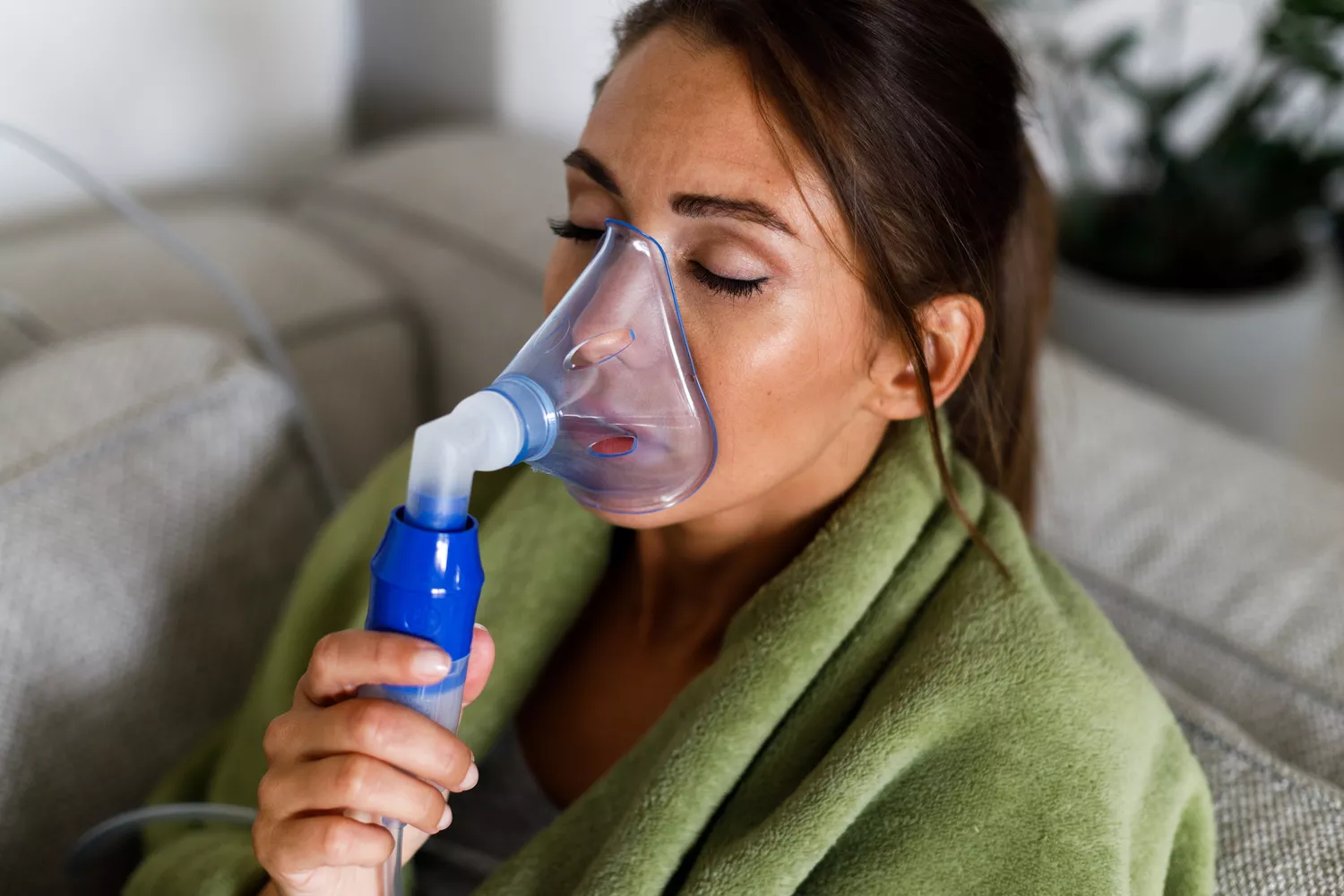
- The Treatment: Turn on the device. You will see a fine mist beginning to form. Place the mouthpiece between your teeth and seal your lips around it, or place the mask securely over your nose and mouth.
- Breathing: Breathe normally. There is no need to take deep, forced breaths; just maintain a steady, relaxed rhythm. Continue until the mist stops, which usually takes about 10 to 15 minutes.
For those managing chronic conditions, clinical research on patients with COPD found that nebulizing 4 mL of 3% sodium chloride twice daily for 10 days reduced daytime cough severity by 12.1% and nighttime cough by 44.0%. Depending on your symptoms, your doctor might suggest a maximum daily frequency for saline nebulizer treatments of up to four times during a flare-up, though once or twice daily is standard for maintenance.
Maintenance: Cleaning Your Equipment After Saline Use
Because saline is essentially salt water, it leaves behind a residue as the water evaporates. If you don’t clean your equipment properly, salt crystallization will occur. This is particularly problematic for devices using mesh technology, where the microscopic holes in the mesh can become completely blocked by salt minerals, rendering the device useless.
Following a strict nebulizer cleaning guide for home use is the best way to protect your investment and your health. Think of it as part of your daily hygiene, just like brushing your teeth.
10-Step Daily and Weekly Cleaning Protocol
- Immediate Rinse: After every session, disassemble the mask/mouthpiece and the medicine cup.
- Warm Water Wash: Rinse these parts under warm running water to remove any leftover sodium chloride.
- Air Dry: Place the parts on a clean lint-free towel and allow them to air dry completely. Never store wet components.
- Weekly Deep Clean: Once a week, soak all non-tubing parts in a solution of one part distilled white vinegar to three parts hot water for 30 minutes.
- Alcohol for Mesh: If you use a mesh nebulizer, use 75% isopropyl alcohol to gently clean the mesh disc according to the manufacturer's instructions to prevent clogging.
- Rinse After Disinfecting: Always give the parts a final rinse with distilled water after using vinegar or alcohol.
- Check the Filter: Inspect the air filter on your compressor nebulizer regularly; it should be replaced if it looks gray or dirty.
- Tubing Care: Never wash the tubing. If moisture gets inside, run the compressor for a few minutes without the cup attached to dry it out.
- Storage: Once dry, store the device in a clean, dust-free bag or case.
- Replacement: Remember that nebulizer cups and masks are not permanent. Replace them every 3 to 6 months to ensure effective aerosol therapy.
Following these best practices for cleaning nebulizer equipment after saline use ensures that the mist particles remain at the correct size to reach your lower airways, maintaining the quality of your respiratory therapy.
FAQ
What is nebulizer saline solution used for?
It is primarily used to moisturize the dry lining of the airways and to help thin out and clear mucus. It is an essential part of pulmonary hygiene for people with chronic lung diseases and can also provide relief for those suffering from temporary respiratory irritations or seasonal allergies.
Can you make your own saline solution for a nebulizer?
While it is technically possible to make a DIY solution using distilled water and pure salt, it is highly discouraged for nebulization. The risk of contamination and incorrect salt concentration can lead to lung infections or irritation. Sterile, pre-measured ampoules are the gold standard for safety and efficacy.
What is the difference between isotonic and hypertonic saline?
The difference lies in the salt concentration. Isotonic saline has 0.9% salt, matching the body's natural levels for gentle hydration. Hypertonic saline has a higher concentration (3% to 7%) and acts as an expectorant to draw water into the mucus, making it easier to clear from the lungs.
Can I use regular salt water in my nebulizer?
No, you should never use regular table salt or sea water. Table salt often contains additives like iodine or anti-caking agents that are harmful to inhale. Furthermore, the concentration of homemade salt water is difficult to control, which could lead to airway irritation or bronchospasm.
Is nebulizer saline safe for infants and children?
Yes, nebulized isotonic saline is generally considered safe for infants and children to help clear nasal and airway congestion. However, hypertonic saline is much stronger and should only be used under the direct supervision and prescription of a pediatrician, as young lungs are more sensitive.
Does nebulizer saline solution expire?
Yes, nebulizer saline solution has an expiration date printed on the packaging or the individual ampoules. Using expired saline is not recommended because the plastic can degrade over time, and the sterility of the solution may no longer be guaranteed. Always check the date before starting a treatment.