Our Top Picks
- Best Overall: Oura Ring 4 for its unmatched health metrics, comfortable titanium design, and precise heart rate variability monitoring.
- Best Intervention: Eight Sleep Pod 5 Cover for active temperature regulation technology that adjusts in real-time for each sleeper.
- Best for Anxiety: Muse S Athena for providing real-time biofeedback and haptic guides to calm a racing mind before bed.
The best sleep accessories for 2026 are those that combine accurate physiological tracking with active environmental intervention, such as the Oura Ring 4 and the Eight Sleep Pod 5 cover. By integrating these must-have sleep gadgets into your nightly routine, you can effectively manage sleep debt tracking and ensure your body remains in the optimal state for recovery.
The quest for a perfect night of rest has evolved significantly over the last few years. According to the National Sleep Foundation's 2025 Sleep in America Poll, 88% of adults who are satisfied with their sleep report high levels of well-being and flourishing, nearly double the rate of those with poor sleep satisfaction. In 2026, we no longer just wonder why we woke up tired; we use precision tools to address the biological barriers standing in our way.
Whether you struggle with a racing mind, night sweats, or inconsistent schedules, the right essential sleep gear can bridge the gap between restless tossing and deep, restorative slumber. The global sleep economy, including specialized mattresses and wearable trackers, reached a record $585 billion in 2024, reflecting our collective commitment to prioritizing preventive healthcare through better rest.
How We Tested: The 2026 Sleep Lab Standards
In my role as an editor focused on lifestyle and preventive care, I don't just look at product specs; I look at how these products for better sleep hygiene integrate into a busy, holistic lifestyle. Our 2026 testing protocol involved a 30-day hands-on trial for each device, evaluating them based on three main pillars: data accuracy, long-term comfort, and the "intervention factor"—how effectively the tool actually helps you change your behavior.
We prioritized sleep environment optimization by testing these tools in real-world settings, including shared bedrooms and varied climates. For wearables, we scrutinized the battery life and the transparency of total cost of ownership, including monthly subscription fees. For environmental tools, we looked at how easily they could be maintained and whether they provided a seamless experience for couples with different sleep preferences.
Precision Insights: Best Sleep Trackers for 2026
The shift in 2026 has been from simple data collection to actionable insights. Modern trackers are now capable of sophisticated REM cycle analysis and can help you understand your recovery at a cellular level.
Oura Ring 4
The Oura Ring 4 remains the gold standard for those who want a comprehensive view of their health without the bulk of a smartwatch. Its updated sensor array provides clinical-grade heart rate variability monitoring and blood oxygen sensing. What sets it apart in 2026 is its refined ability to detect your chronotype and provide a personalized window for caffeine intake and exercise based on your unique circadian rhythm optimization needs.
- Best For: People who want 24/7 health monitoring in a discreet, stylish form factor.
- Not Ideal For: Individuals who prefer a screen-on-device experience for immediate feedback during workouts.
Muse S Athena
If your primary barrier to rest is a racing mind, the Muse S Athena is one of the best sleep gadgets for deep sleep tracking through the lens of mental calm. This EEG-powered headband provides real-time biofeedback, using the sounds of nature to reflect your brain activity. When your mind wanders, the weather sounds become stormy; when you settle, the sounds turn calm, guiding you into a state conducive to melatonin production support.
- Best For: Those dealing with high stress or insomnia who need an active meditation tool before bed.
- Not Ideal For: Strict stomach sleepers who might find the forehead sensor uncomfortable.
Active Intervention: Cooling & Environmental Tools
The environment in which you sleep is just as important as the pillow you lay on. Data from 2024 showed that approximately 30.5% of U.S. adults sleep less than the recommended seven hours, often due to environmental discomfort.
Eight Sleep Pod 5 Cover
The Eight Sleep Pod 5 is the premier choice for non-wearable sleep technology for couples. This mattress cover uses advanced temperature regulation technology to heat or cool each side of the bed independently. By tracking your autonomic nervous system throughout the night, it adjusts the temperature to keep you in deep sleep longer, making it the top pick for cooling sleep accessories for night sweats.
- Best For: Couples with different temperature preferences and athletes focused on physical recovery.
- Not Ideal For: Budget-conscious shoppers, as it carries a significant upfront cost and a monthly subscription.
Smart Lighting and Blue Light Mitigation
In 2026, we understand that our sleep starts the moment we wake up. Integrating smart bulbs that mimic the sun’s progression is vital for circadian rhythm optimization. Using blue light mitigation tools—such as physical screen filters or LED-blocking stickers on electronics—prevents the suppression of melatonin. These are simple but effective products for better sleep hygiene that protect your internal clock from the digital world.
Sensory Mastery: Smart Masks & Acoustic Therapy
Engaging the senses of sight and sound is a powerful way to biohack your rest. High-tech sleep gear for biohacking rest has moved into the realm of neurological intervention.
Bía Smart Sleep Mask
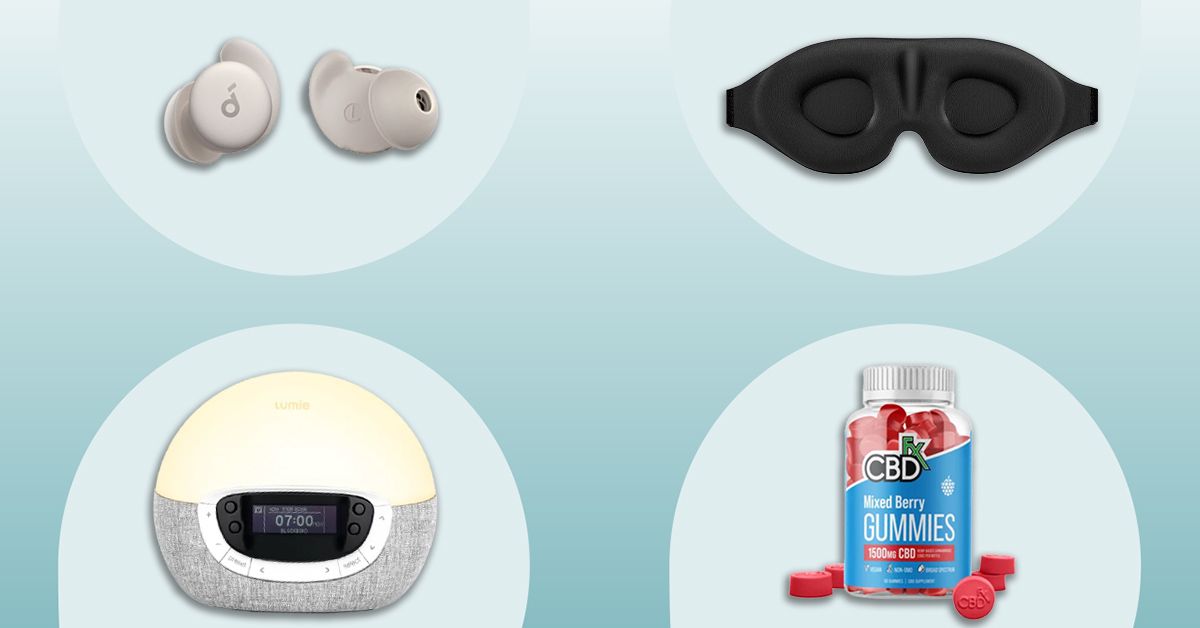
The Bía Smart Sleep Mask is a breakthrough in smart sleep masks with brain activity tracking. Using fNIRS technology, it monitors blood flow in the prefrontal cortex to determine sleep stages more accurately than motion-based trackers. It also features a built-in sunrise alarm that uses gradual light to wake you naturally, supporting your body's cortisol rhythm.
- Best For: Frequent travelers and those in urban environments with significant light pollution.
- Not Ideal For: People who feel claustrophobic wearing a full-face mask.
Ambient Noise Control
Consistent soundscapes are essential for staying asleep. Modern ambient noise control devices now use "pink noise" or "brown noise" which are scientifically proven to be more effective for deep sleep than traditional white noise. Whether you use smart earplugs or a dedicated bedside machine, masking disruptive environmental sounds is a foundational step in any sleep hygiene routine.
Physical Foundation: Ergonomic Support Essentials
While high-tech gadgets get the headlines, your physical alignment is the bedrock of preventive care. We cannot ignore the importance of essential sleep gear that supports the musculoskeletal system.
Ergonomic Pillow Support
If you wake up with neck pain, your pillow is likely the culprit. For 2026, we recommend adjustable memory foam pillows that allow you to add or remove fill based on your shoulder width and sleep position. Proper ergonomic pillow support ensures that your spine remains neutral, reducing the likelihood of micro-awakenings caused by physical discomfort.
High-Density Mattress Toppers
If a new mattress isn't in the budget, a high-density mattress topper can provide necessary pressure relief for your hips and shoulders. Look for open-cell structures that promote airflow, preventing the heat-trapping issues common in older foam models. This is a vital component of sleep environment optimization that can extend the life of your current bed while significantly improving sleep quality.
FAQ
What are the best sleep accessories for better rest?
The most effective accessories are those that address your specific sleep barriers. For most people, a combination of a precise tracker like the Oura Ring 4 and an environmental tool like the Eight Sleep Pod 5 Cover provides the best balance of data and intervention. Additionally, foundational items like ergonomic pillows and blue light filters are essential for every bedroom.
Do sleep masks really help you sleep?
Yes, especially if you live in an area with light pollution. Sleep masks facilitate melatonin production support by ensuring total darkness, which signals to the brain that it is time for rest. Modern versions, such as the Bía mask, also include brain-tracking technology to help you understand the quality of the rest you are getting while shielded from light.
What sleep gadgets help with insomnia?
Devices that offer real-time biofeedback, such as the Muse S Athena, are particularly helpful for insomnia. They teach you how to lower your heart rate and calm your mind through haptic guides and acoustic therapy. Furthermore, apps like RISE help manage sleep debt tracking, providing a clear picture of how much rest you actually need to function.
Are weighted blankets effective for sleep?
Weighted blankets are highly effective for those who experience anxiety or restless leg syndrome. They utilize deep pressure touch stimulation, which can increase serotonin levels and provide a sense of security. However, if you are a "hot sleeper," ensure you choose a cooling version made from breathable fabrics like bamboo or weighted with glass beads rather than plastic.
What sleep accessories are worth the investment?
Invest in the tools that provide "active intervention." While a tracker is great for data, a cooling mattress cover or an ergonomic pillow actually changes the physical environment to improve your sleep. If you have to choose one, start with a high-quality tracker to identify your patterns, then invest in the specific environmental tool that addresses your biggest disruption.
Mastering Your Nightly Routine
As we look at the landscape of 2026, it's clear that mastering your sleep is no longer a luxury—it is a cornerstone of long-term wellness. With 18.1% of adults reporting specific difficulty staying asleep, the need for precision tools has never been higher.
I recommend starting with one tracking tool to establish your baseline and one environmental intervention to address your most significant pain point—whether that is temperature, light, or physical discomfort. By combining these best sleep trackers for 2026 with supportive bedding, you are not just buying gadgets; you are investing in your future health, cognitive clarity, and emotional resilience. Sleep is the ultimate act of self-care, and with the right tools, it is a skill anyone can master.