Quick Facts
- The Golden Rule: The 10-5-3-2-1 countdown is a structured method to eliminate sleep disruptors throughout the evening.
- Ideal Temp: Setting your thermostat between 60-67°F (15.5-19.4°C) is essential for proper thermoregulation.
- Replacement Cycle: You should replace pillows every 1-2 years to ensure neck support and prevent allergen buildup.
- Daily Flourishing: Statistics show that 76% of people with healthy sleep habits report higher life satisfaction.
- Immediate Fix: Dimming your lights and stopping work two hours before bed can help you improve sleep quality starting tonight.
Mastering sleep hygiene involves creating a consistent bedtime routine and a sleep sanctuary that supports natural melatonin secretion. By following a structured wind-down and optimizing your physical environment, you can reduce sleep onset latency and achieve the deep, restorative rest your body requires for long-term health.
In my years as a lifestyle editor, I have found that most people view sleep as a passive event—something that simply happens when we finally close our eyes. However, true rest is an active biological process that requires preparation. According to a 2024 report from the National Center for Health Statistics, 30.5% of adults in the United States average less than seven hours of sleep per night, which is below the recommended guidelines for optimal health. This deficit impacts everything from our immune function to our emotional resilience. To bridge this gap, we must look at sleep hygiene as a comprehensive lifestyle framework rather than a simple checklist.
The 10-5-3-2-1 Countdown: A Framework for Habits
The journey toward a better night of rest begins much earlier than you might think. We often focus on the minutes before our heads hit the pillow, but the biological triggers for sleep are set in motion hours in advance. The 10-5-3-2-1 rule for better sleep offers a structured countdown that helps the nervous system transition from a state of high alertness to a state of calm.
- 10 Hours Before Bed: No More Caffeine. Caffeine has a half-life that can last up to six hours, meaning that the cup of coffee you drink in the mid-afternoon could still be blocking adenosine receptors in your brain at midnight. By cutting off caffeine ten hours before your target sleep time, you protect your sleep architecture and ensure that sleep pressure can build up naturally.
- 5 Hours Before Bed: No More Alcohol. While many believe a glass of wine helps them fall asleep faster, it actually acts as a sedative that disrupts the later stages of the sleep cycle. Alcohol prevents you from entering deep REM sleep, leading to frequent awakenings and a "fragmented" night.
- 3 Hours Before Bed: No More Heavy Meals. Digestion is an energy-intensive process that raises your core body temperature. For the body to enter deep sleep, it needs to cool down. Finishing your last large meal three hours before bed prevents indigestion and allows your metabolic rate to slow down in sync with your sleep cycle.
- 2 Hours Before Bed: No More Work. Cognitive arousal is one of the primary enemies of rest. When we answer emails or solve complex problems late at night, our brains remain in an "alert" mode. By creating a consistent bedtime routine for adults that includes a hard stop for work, you allow your brain to exit the "flight or fight" sympathetic state.
- 1 Hour Before Bed: No More Screens. The blue light emitted by phones and tablets mimics morning sunlight, which suppresses melatonin secretion. Spending the final hour of your day screen-free is perhaps the most powerful way to improve sleep quality starting tonight.
This countdown is not just about restriction; it is about respecting the biological needs of your body. Research from the National Sleep Foundation's 2025 Sleep in America Poll indicates that 76% of individuals who consistently practice healthy sleep behaviors report flourishing in their daily lives, compared to 48% of those with low levels of healthy sleep behaviors. By managing adenosine buildup and reducing cognitive arousal, you give your body the permission it needs to rest.
Creating Your Sleep Sanctuary: Environment Optimization
Your bedroom should serve a single purpose: rest. In the world of sleep hygiene, we refer to this as the sleep sanctuary. The physical environment plays a massive role in how quickly you fall asleep and how well you stay asleep. If your room is cluttered, bright, or too warm, your brain will struggle to fully disengage from the outside world.
One of the most critical factors is thermoregulation. Our body temperature naturally drops in the evening to signal that it is time for sleep. If your room is too hot, it interferes with this internal cooling process, leading to restless tossing and turning. The optimal bedroom temperature for deep sleep is generally considered to be between 60 and 67 degrees Fahrenheit. This cool environment supports the body's transition into the deeper, more restorative phases of the sleep cycle.
Lighting is the second pillar of your environment. Throughout the day, our eyes are exposed to bright, overhead light. As the sun sets, our bodies expect a gradual darkening. To mirror this natural rhythm, switch from bright overhead fixtures to soft lamps with warm-toned bulbs in the evening. This shift signals the brain to begin the production of melatonin. Additionally, consider the layout of your room. Proper bedroom furniture placement for sleep hygiene suggests placing the bed symmetrically against a wall, away from the door, to create a sense of security and balance.
Finally, do not overlook the impact of physical clutter. A messy room can lead to messy thoughts. Taking five minutes to declutter your bedroom for sleep—clearing laundry off the floor or papers off the nightstand—can significantly reduce the mental load you carry into bed.
| Factor | Ideal Sleep Metrics | Why It Matters |
|---|---|---|
| Temperature | 60-67°F (15.5-19.4°C) | Essential for core body cooling |
| Pillow Life | 12-24 Months | Maintains neck support and hygiene |
| Caffeine Cutoff | 10 Hours before bed | Allows adenosine to build naturally |
| Light Quality | Warm/Soft Lamps | Triggers melatonin secretion |
| Device Use | 0 Screens in the final hour | Prevents circadian misalignment |
Managing Light Exposure and Circadian Rhythms
Our internal biological clock, or circadian rhythm, is primarily regulated by light. To master sleep hygiene, you must manage your light exposure throughout the entire 24-hour period, not just at night. The most effective way to anchor your circadian rhythm is to seek out morning sunlight within 30 minutes of waking up. This dose of bright light sets a timer for the release of melatonin approximately 14 to 16 hours later.
Conversely, reducing blue light exposure before bed is non-negotiable for high-quality rest. If you must use devices in the evening, use blue light filters or "night mode" settings, but realize that these are only partial solutions. The content on your screens is often just as disruptive as the light itself. Scrolling through social media or reading the news can keep your brain in a state of high alert. Instead, use the final hour of your day for relaxation techniques such as light stretching, journaling, or reading a physical book under soft light. These light exposure habits to regulate circadian rhythm are the foundation of a resilient sleep-wake cycle.
Addressing Physical Barriers: From Sniffles to Sleep Pressure
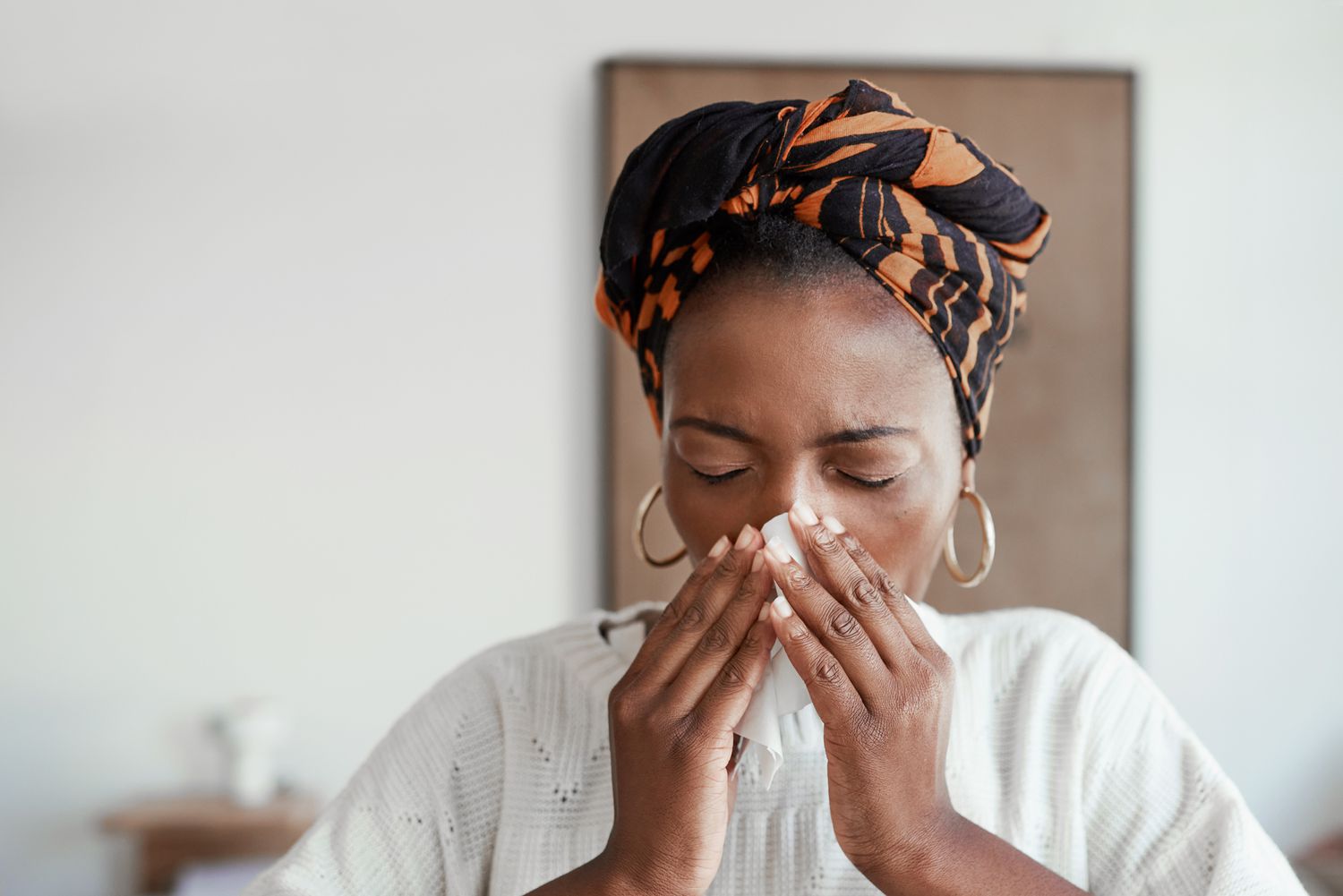
Even with a perfect environment, physical discomfort can act as a major disruptor. Minor ailments like nasal congestion or seasonal allergies can lead to mouth breathing, which dries out the throat and leads to more frequent awakenings. Minor physical ailments like nasal congestion can significantly disrupt your sleep architecture and keep you from reaching deep rest, making it harder to stay in the deep stages of sleep that facilitate physical recovery.

Another physical hurdle is the lack of sleep pressure. Sleep pressure is driven by the accumulation of a molecule called adenosine in the brain. The longer we are awake, the more adenosine builds up, making us feel tired. If you find that your sleep onset latency is too high—meaning it takes you a long time to fall asleep—it may be because you haven't been active enough during the day. Even 10 minutes of physical activity can help burn off excess energy and increase the drive for sleep at night.
If you are lying in bed for more than 20 minutes without falling asleep, I recommend the "20-minute rule." Get out of bed, go to another room, and do something quiet and low-light, like folding laundry or reading. Only return to bed when you feel sleepy. This prevents your brain from forming a negative association between your bed and the frustration of being awake.
FAQ
What are the most important rules of sleep hygiene?
The most vital rules include maintaining a consistent sleep schedule (even on weekends), keeping your bedroom cool and dark, and avoiding stimulants like caffeine and nicotine late in the day. Establishing a predictable bedtime routine helps signal to your brain that it is time to wind down.
What are the signs of poor sleep hygiene?
Common signs include taking a long time to fall asleep, frequent nighttime awakenings, feeling sluggish or unrefreshed in the morning, and relying heavily on caffeine to get through the day. If you find yourself frequently "wired but tired" at night, your habits may be out of sync with your biology.
How can I improve my sleep hygiene tonight?
You can start tonight by dimming your lights two hours before bed and putting your phone in another room one hour before sleep. Lowering your bedroom temperature to 67 degrees and doing five minutes of light stretching can also provide immediate benefits for your sleep quality.
What is the ideal bedroom temperature for better sleep?
Most experts and sleep studies suggest that a temperature between 60 and 67 degrees Fahrenheit is ideal. A cool room facilitates the natural drop in core body temperature that is necessary for deep sleep and effective thermoregulation.
What foods and drinks should be avoided before bed?
Avoid heavy, spicy, or acidic foods three hours before bed, as they can cause heartburn and indigestion. Additionally, limit fluid intake in the late evening to reduce middle-of-the-night bathroom trips, and strictly avoid alcohol and caffeine, which disrupt sleep architecture.
How does screen time affect sleep hygiene?
Screens emit blue light that suppresses the production of melatonin, the hormone responsible for sleep. Beyond the light, the interactive nature of smartphones keeps the brain in a state of cognitive arousal, making it difficult to transition into a relaxation mode.
Improving your sleep is one of the most generous things you can do for your future self. I encourage you to choose just one habit from this guide to implement tonight. Perhaps it is the 10-5-3-2-1 rule, or perhaps it is simply adjusting your thermostat. Track how you feel over the next seven days; you will likely find that as your sleep hygiene improves, so does your energy, your mood, and your overall sense of wellness.