Quick Facts
- Common Prevalence: Research indicates that 10% to 41% of patients in primary care settings experience night sweats, particularly those in the 41 to 55 age range.
- Core Temp Goal: Healthy sleep requires a consistent core temperature decline over a 7 to 9 hour period to reach deep, restorative stages.
- Severe Impact: In clinical settings, 34% reported experiencing night sweats within the last month, with half of those reporting episodes severe enough to soak through bedding.
- Fabric Tip: Lyocell and Tencel offer superior moisture-wicking properties and airflow compared to traditional high-thread-count cotton which often traps heat.
- Daytime Consequences: Experiencing these episodes is associated with a nearly two-fold increase in the likelihood of daytime tiredness.
- Myth Alert: Many sheets labeled as bamboo are actually chemically processed rayon; look for bamboo viscose or Lyocell for true breathability.
Night sweats, or nocturnal hyperhidrosis, are often triggered by hormonal fluctuations, dietary choices, or poor bedroom ventilation. To manage them, optimize thermoregulation by using breathable mattress protectors and moisture-wicking pajamas. Improving sleep hygiene through consistent temperature control and avoiding heavy meals before bed can significantly reduce sleep disruptions and help maintain a stable body temperature.
The Science of Thermoregulation and Sleep
Waking up in a pool of sweat is more than just an inconvenience; it is a direct disruption of your body’s complex internal rhythm. To enter deep sleep, your central nervous system must facilitate a gradual drop in core temperature. This 7 to 9 hour core temperature decline is a biological requirement for the brain to transition through various sleep cycles. When your environment or internal biology prevents this cooling, the body overcompensates.
The sensation of waking up drenched or clammy is usually the result of the body’s cooling mechanism—sweating—working in overdrive to shed excess heat. This process of thermoregulation is managed by the hypothalamus, which acts as your internal thermostat. If the air around you is stagnant or your bedding is non-breathable, the moisture stays trapped against your skin, leading to that uncomfortable, soaked feeling that pulls you out of a deep slumber. Chronic sleep disruptions like these are not just about comfort; they are significantly linked to other issues such as leg jerking and waking up in pain, creating a cycle of poor rest and physical distress.
Nocturnal Hyperhidrosis Triggers: Why You're Waking Up Soaked
Understanding why night sweats occur requires looking at what we call the Four Pillars of triggers. While the environment is a common culprit, internal factors often play a larger role in persistent cases.
Hormonal Fluctuations and Glands
The most common internal triggers are menopause symptoms. Fluctuating estrogen levels can confuse the hypothalamus, leading it to believe the body is overheating when it isn't. This results in hot flashes that occur during the night. Beyond menopause, issues with the thyroid gland or other endocrine imbalances can cause the body to produce excess heat.
Dietary and Lifestyle Factors
What you consume before bed has a direct impact on your internal temperature. Spicy foods, caffeine, and alcohol are known dietary triggers for night sweats before bed. Alcohol, in particular, can cause vasodilation—the widening of blood vessels—which increases skin temperature and triggers a sweat response.
Medications and Medical Conditions
Certain antidepressants, blood pressure medications, and even some over-the-counter fever reducers can list nocturnal hyperhidrosis as a side effect. Additionally, underlying medical conditions like infections or autoimmune disorders can cause the body to maintain a higher baseline temperature. With roughly 34% of adult patients reporting these symptoms recently, it is clear that identifying these nocturnal hyperhidrosis triggers is a priority for many sleepers.
Cooling Bedding Recommendations for Hot Sleepers
If you are a heavy sweater, the material you sleep on is just as important as the air temperature in your room. Many people mistakenly believe that a high thread count is the hallmark of quality. However, in the world of bedding, a very high thread count (above 600) often means the weave is so tight that it inhibits airflow, turning your bed into a heat trap.
Material Science: Lyocell vs Cotton
When comparing lyocell vs cotton sheets for hot sleepers, lyocell (often branded as Tencel) usually wins. Lyocell is a cellulose fiber made from wood pulp that is naturally hydrophilic, meaning it absorbs moisture more efficiently than cotton. While high-quality long-staple cotton is breathable, it tends to hold onto moisture once it becomes wet, leading to that heavy, "damp sheet" feeling.
Technical Benchmarks for Cooling
To find the best cooling sheets for night sweats, look for specific technical metrics:
- GSM (Grams per Square Meter): For summer or cooling sheets, a GSM between 100 and 150 is ideal. Anything higher may feel too heavy for a chronic hot sleeper.
- Thread Count: Aim for a range of 300 to 500. This provides a balance of durability and enough space between threads for air to circulate.
- Weave: Look for a percale weave rather than sateen. Percale is a one-over-one-under weave that is crisper and more breathable.
| Fabric Type | Moisture-Wicking Level | Breathability | Best For |
|---|---|---|---|
| Lyocell (Tencel) | Exceptional | High | Heavy sweaters needing rapid moisture removal |
| Bamboo Viscose | High | High | Sensitive skin and general hot sleepers |
| Linen | Medium-High | Exceptional | Airflow optimization and humid climates |
| Cotton Percale | Medium | Medium-High | Those who prefer a crisp, traditional feel |
| Microfiber | Low | Low | Avoid: Traps heat and moisture |
Investing in moisture-wicking fabrics like lyocell and bamboo viscose can transform your sleep environment. These breathable textiles are specifically engineered to pull sweat away from the body and move it to the surface of the fabric where it can evaporate quickly.
Furthermore, do not overlook the importance of breathable mattress protectors for heavy sweaters. Traditional waterproof protectors often use a plastic-like membrane that creates a vapor barrier, reflecting heat back to the sleeper. Modern cooling versions use porous membranes that allow heat to escape while still protecting the mattress.
Improving Sleep Hygiene and Immediate Mitigation
Preventive care starts with your environment. Improving sleep hygiene is one of the most effective ways to manage mild to moderate night sweats without medical intervention.
Bedroom Ventilation and Temperature Control
The ideal sleeping temperature for most adults is between 60 and 67 degrees Fahrenheit. To achieve this, consider the following checklist:
- Cross-Ventilation: If possible, open two windows to create a breeze, or use a window fan to pull cool air in and push warm air out.
- Airflow Optimization: Use a ceiling fan or a floor fan positioned to move air directly across the bed. This aids the evaporation of sweat, which is the body's primary way of cooling down.
- Lightweight Layers: Use a lightweight duvet insert rather than a heavy comforter. Layering allows you to remove covers easily if you experience a hot flash.
Immediate Steps After Waking Up
If you do wake up soaked, taking the right immediate steps after waking up from night sweats can help you get back to sleep faster:
- Cool Down: Sip a small amount of cool (not ice-cold) water to lower your internal temperature.
- Skin Care: Use a dry towel to wipe away excess moisture from your skin to prevent a chill.
- Quick Change: Keep a spare set of moisture-wicking pajamas by the bed so you can change quickly without fully waking yourself up.
- Flip or Swap: Flip your pillow to the "cool side" or swap out a damp top sheet for a dry one.
When to See a Doctor About Night Sweats
While many instances of sweating at night can be managed through lifestyle changes and bedding upgrades, persistence is a sign that it is time for professional advice. Occasional episodes due to a warm room or a spicy dinner are normal, but regular occurrences are not.
You should ask yourself when to see a doctor about night sweats if you notice any "red flag" symptoms. Persistent night sweats are linked to a nearly two-fold increase in daytime fatigue, which can impact your work, mood, and safety while driving.
Medical Red Flags
- Frequency: You are waking up soaked more than two or three times a week.
- Fever: You have a low-grade fever or chills that accompany the sweating.
- Unexplained Weight Loss: You are losing weight without trying.
- Pain: You experience localized pain, particularly in the chest or abdomen.
- Significant Disruption: The sweating is so severe that it requires you to change your sheets every night.
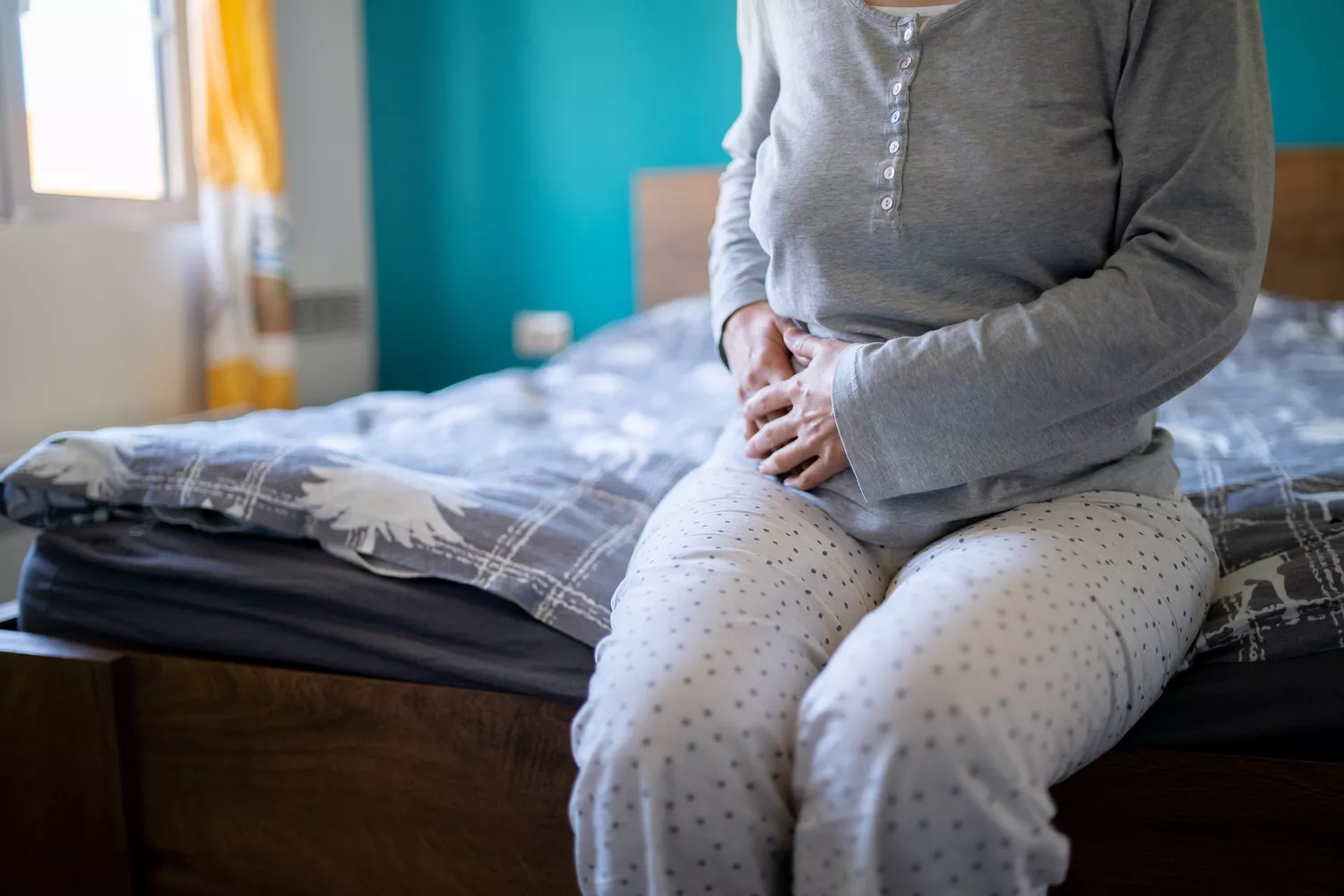
Consulting a healthcare professional can help you determine if your symptoms are caused by menopause symptoms, a reaction to medication, or a more serious underlying condition. Managing the root cause is the only way to achieve long-term relief and restore the restful sleep your body needs to function.
FAQ
What are the common causes of night sweats?
The most frequent causes include hormonal changes such as those during menopause or pregnancy, infections, and certain medications like antidepressants. Lifestyle factors such as a high-temperature bedroom, consuming alcohol or spicy foods before bed, and using non-breathable bedding can also trigger episodes.
When should I see a doctor for night sweats?
You should schedule an appointment if night sweats occur regularly, interrupt your sleep consistently, or are accompanied by other symptoms like fever, unexplained weight loss, or persistent pain. If you find yourself needing to change your bedding multiple times a week, a medical evaluation is recommended.
Can certain foods or drinks trigger night sweats?
Yes, specific dietary choices can increase your core body temperature or cause blood vessels to dilate. Common triggers include caffeine, alcohol, and very spicy foods. It is often helpful to avoid these substances for at least three to four hours before bedtime to allow your body temperature to stabilize.
How can I improve my sleep environment to reduce night sweats?
Focus on thermoregulation by keeping your bedroom between 60 and 67 degrees and ensuring good airflow with fans or open windows. Switch to moisture-wicking fabrics for your sheets and pajamas, and use a breathable mattress protector to prevent heat from being trapped against your body.