Quick Facts
- Prevalence: Gout affects approximately 4 percent of adults in the United States, representing more than 8 million individuals.
- Recurrence Risk: Approximately 60 percent of patients with gout experience a recurrence of symptoms within one year of their initial flare-up.
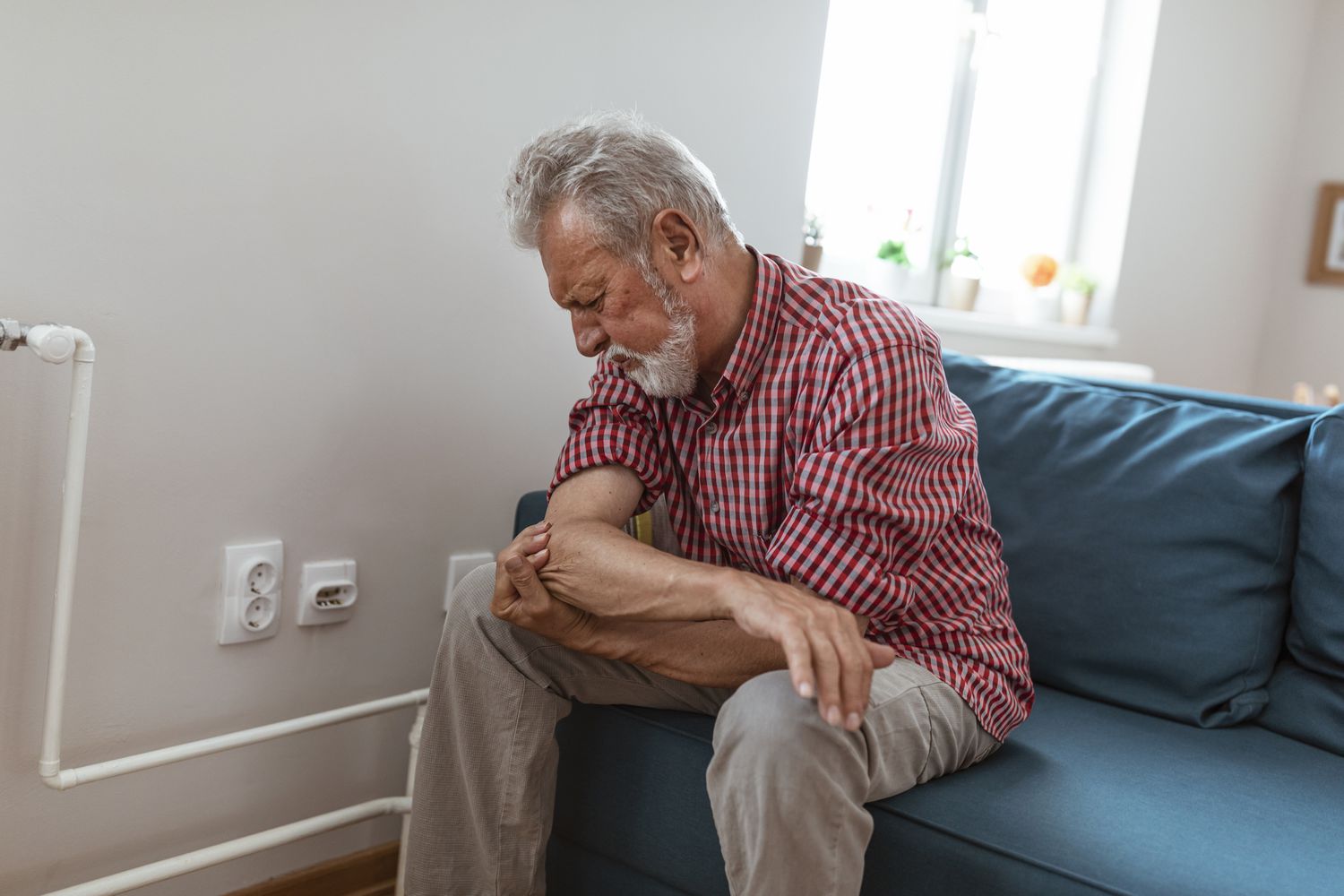
- Anatomical Focus: While the big toe is the primary site for initial attacks, the elbow is considered the joint in the upper body most prone to the condition, especially in chronic cases.
- Clinical Target: Long-term management goals include maintaining serum uric acid levels below <6 mg/dL to prevent crystal deposition.
- Primary Symptom Site: Inflammation most frequently occurs in the olecranon bursa, the fluid-filled sac at the tip of the elbow.
- Medication Strategy: Management is split between acute rescue treatments and long-term urate-lowering therapies like xanthine oxidase inhibitors.
Effective elbow gout management during an acute flare-up focuses on reducing inflammation and promoting uric acid excretion. Patients should increase hydration to help the kidneys process urates and may utilize prescribed medications like colchicine or corticosteroids to control swelling in the olecranon bursa. Resting the affected joint and using cold compresses can provide immediate relief from the intense pain caused by monosodium urate crystal accumulation.
Identifying Elbow Gout: More Than Just a Sore Joint
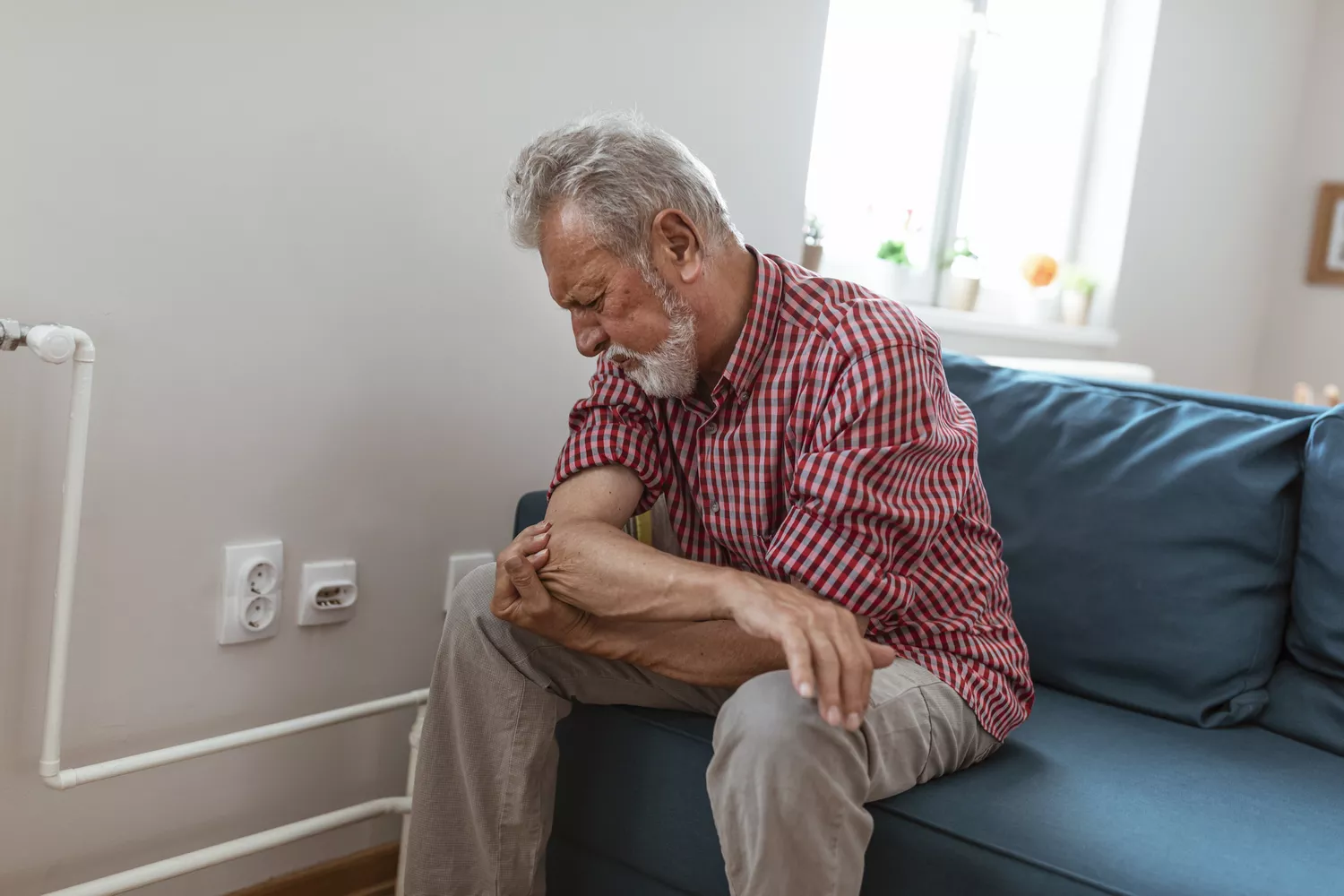
Waking up with an elbow that feels like it has been hit with a hammer is a jarring experience. Unlike a standard repetitive strain injury or a gym-related ache, an elbow gout flare-up is characterized by a sudden, explosive onset of pain. Recognizing symptoms of elbow gout early is the difference between a controlled episode and a week of debilitating discomfort.
The most common target is the olecranon bursa. This is the thin, slippery sac that sits right over the bony tip of your elbow. When hyperuricemia occurs—meaning your blood levels of uric acid are too high—monosodium urate crystals begin to settle into this space. Because the elbow is a joint that moves frequently, these needle-like crystals cause mechanical friction and a massive immune response.
To differentiate this from standard olecranon bursitis or an infection, rheumatologists often use a 13-point diagnostic scoring system. A score of 8 or higher indicates an 80 percent probability of gout. Clinical indicators include:
- Sudden onset of redness and swelling over the bony prominence.
- Intense warmth that makes the skin feel hot to the touch.
- A "shiny" or "stretched" appearance of the skin over the joint.
- In chronic cases, the presence of tophi formation, which are hard, chalky lumps of crystals visible under the skin.
If left unmanaged, the repeated inflammation leads to a restricted joint range of motion. The joint becomes stiff, not just during the attack but potentially permanently, as tophi and chronic inflammation damage the underlying cartilage.
The Rescue Phase: Immediate Elbow Gout Flare-Up Relief
When an attack hits, your body is essentially in a state of biochemical crisis. The goal of the rescue phase is twofold: shut down the inflammatory cascade and lower the concentration of crystals. For effective elbow gout flare-up relief, the timing of medication is critical. Clinical research suggests that taking rescue medication within the first 24 hours of symptom onset significantly reduces the duration of the flare.
One of the most effective tools in the medical arsenal is colchicine. While highly effective, it has a narrow therapeutic index, meaning the difference between a helpful dose and a toxic one is slim. It works by preventing white blood cells from responding to the urate crystals. Additionally, non-steroidal anti-inflammatory drugs (NSAIDs) or corticosteroids may be used to manage the intense swelling in the olecranon bursa.
Home remedies for elbow gout swelling can provide significant comfort while waiting for medications to take effect.
- Cold Compresses: Applying ice packs for 20 minutes several times a day can constrict blood vessels and numb the nerves.
- Elevation: Keeping the elbow raised above the level of the heart helps drain excess fluid from the bursa.
- Hydration: This is the most underrated aspect of how to flush uric acid for elbow relief. Increasing water intake helps the kidneys dilute and excrete urates more efficiently.
Editor’s Tip: Never use heat during an acute flare-up. While heat is great for muscle aches, it can actually increase blood flow and worsen the inflammatory swelling of a gout attack.
| Medication Type | Common Examples | Primary Function | Usage Phase |
|---|---|---|---|
| NSAIDs | Ibuprofen, Naproxen | Reduce pain and general inflammation | Acute Flare |
| Colchicine | Colcrys | Stops white blood cell response | Acute Flare |
| Corticosteroids | Prednisone | Powerful systemic anti-inflammatory | Acute Flare |
| Urate-Lowering Therapy | Allopurinol | Inhibits uric acid production | Chronic Management |
Long-Term Control: Preventing Gout Attacks in the Elbow
If you have experienced more than two attacks in a year, you are likely a candidate for long-term elbow gout management. This phase is about the chemistry of the blood, not just the pain in the joint. The fundamental problem is a metabolic syndrome where the body either produces too much uric acid or cannot excrete enough of it.
Clinical management often centers on allopurinol for chronic elbow gout management. This drug belongs to a class known as xanthine oxidase inhibitors. It works by blocking the enzyme responsible for creating uric acid in the first place. However, there is a catch: when you first start taking allopurinol, it can actually trigger a flare-up. This happens because the sudden drop in blood uric acid levels causes the existing monosodium urate crystals in the joints to dissolve and re-mobilize.
To prevent these "initiation flares," doctors typically prescribe a 3-6 month bridge therapy of low-dose colchicine alongside the allopurinol. The goal is to slowly titrate the dosage until the serum uric acid is consistently under <6 mg/dL. Once you reach this target, the existing tophi formation can begin to dissolve, eventually clearing the joint of the debris that causes the pain.
Preventing gout attacks in the elbow requires a commitment to medication adherence. Skipping doses leads to "yo-yoing" uric acid levels, which is one of the most common reasons for treatment failure.
The Science of Triggers: Diet and Lifestyle Changes
While medication does the heavy lifting, lifestyle changes for chronic gout act as the foundation. The science of gout triggers is rooted in purine metabolism. Purines are natural compounds found in the body and in certain foods. When purines break down, they produce uric acid as a byproduct.
The modern diet is unfortunately rich in triggers that accelerate ATP and AMP degradation into urates.
- Fructose-sweetened beverages: Fructose is the only sugar that significantly raises uric acid levels by increasing the turnover of nucleotides in the liver.
- Alcohol: This is a double threat. Alcohol (especially beer) is high in purines, and the metabolic process of clearing alcohol interferes with the kidneys' ability to excrete uric acid.
- High-Purine Proteins: Red meats, organ meats, and certain seafoods (like sardines or shellfish) provide the raw materials for crystal formation.
However, your diet for managing gout in the elbow doesn't have to be restrictive to the point of misery. Focus on "protective" foods. Low-fat dairy products, for instance, have been shown to help the kidneys excrete uric acid. Cherries and coffee also have clinical data supporting their role in reducing the risk of attacks.
The impact of alcohol on elbow gout cannot be overstated. If you are prone to flares, switching from beer to a moderate amount of wine, or eliminating alcohol during high-risk periods, can drastically reduce recurrence. Chronic gout is often a component of the broader metabolic syndrome, so weight management and controlling blood pressure also play vital roles in long-term joint health.
FAQ
How do you treat gout in the elbow?
Treatment is divided into two parts: acute and chronic. Acute treatment involves using NSAIDs, colchicine, or steroids to stop the immediate pain and swelling. Chronic treatment focuses on long-term urate-lowering medications like allopurinol to keep blood uric acid levels low and prevent future crystal buildup.
What are the first signs of gout in the elbow?
The first signs are usually a sudden, intense "pulsing" pain at the tip of the elbow, followed by rapid swelling and redness. The area may become so sensitive that even the touch of a shirt sleeve or bedsheet is unbearable.
How long does an elbow gout flare-up last?
Without treatment, a flare-up can last anywhere from one to two weeks. However, with prompt medical intervention using colchicine or NSAIDs, the most intense pain typically subsides within 24 to 48 hours, though some tenderness may linger for several days.
What foods should you avoid for elbow gout management?
You should limit high-purine foods like red meat, organ meats (liver, kidneys), and certain seafood (shellfish, sardines). It is also crucial to avoid fructose-sweetened beverages and heavy alcohol consumption, particularly beer, as these significantly spike uric acid levels.
Is elbow gout the same as olecranon bursitis?
Gout in the elbow is a specific type of olecranon bursitis. While bursitis can be caused by trauma or infection, elbow gout is caused by the accumulation of monosodium urate crystals within the bursa. A doctor may need to aspirate (drain) the fluid to confirm the presence of crystals under a microscope.
What medications are commonly prescribed for elbow gout?
For immediate relief, doctors prescribe colchicine, naproxen, or prednisone. For long-term prevention, allopurinol and febuxostat are the standard xanthine oxidase inhibitors used to lower uric acid production in the body.
Moving Toward Long-Term Vitality
Effective elbow gout management is not a one-time event; it is a strategic approach to metabolic health. By combining the immediate relief of rescue medications with the long-term protection of urate-lowering therapy and targeted dietary adjustments, you can maintain your joint range of motion and prevent the long-term damage of tophi formation.
If you are experiencing recurring pain, it is essential to seek a rheumatology consultation. Proper titration of medication and regular blood monitoring are the only ways to ensure your uric acid levels stay within the safe zone, allowing you to live a life free from the fear of the next flare-up.