Quick Facts
- Sodium Target: Less than 2 grams per day (approximately 5 grams of table salt).
- Blood Pressure Goal: Aim for a systolic blood pressure below 120 mmHg.
- Clinical Benefit: A 28% reduction in the risk of renal composite outcome events, such as end-stage renal disease.
- Key Symptoms: Managing salt helps reduce edema (swelling) and shortness of breath.
- Primary Strategy: Transitioning from processed foods to fresh produce and salt-free flavorings.
- Physiological Impact: Proper intake prevents hypertension and reduces albuminuria (protein in the urine).
Chronic kidney disease management starts at the dinner table. CKD sodium control is the cornerstone of protecting your remaining kidney function. By limiting salt, you can lower blood pressure and reduce fluid retention, which are primary drivers of kidney damage. Recent guidelines emphasize that a low sodium diet for kidney disease is no longer just a suggestion—it is a critical clinical intervention to slow disease progression and protect your heart.
The Physiology of Salt: Why Your Kidneys Struggle
To understand why your nephrologist is so focused on your salt shaker, we have to look at the delicate filtration system inside your kidneys. Think of your kidneys as a high-pressure coffee filter. When you consume excess sodium, your body holds onto water to dilute that salt, increasing your total blood volume. This extra volume puts immense pressure on the tiny vessels in your kidneys, known as the glomeruli.
This process triggers a dangerous chain reaction. The increased blood volume leads to fluid retention and systemic hypertension. Over time, this high pressure causes glomerular damage, allowing protein to leak into your urine—a condition known as albuminuria. Clinical research has shown that patients with high urinary sodium excretion exceeding 194.6 mmol per 24 hours have a 54% higher risk of progressing to end-stage renal disease or experiencing a 50% decline in kidney function.
For many patients, medications like RAS inhibitors are prescribed to protect the kidneys. However, these medications are significantly more effective when combined with reducing swelling in CKD through sodium restriction. Without dietary changes, the medication has to work twice as hard to fight the fluid overload your diet is creating. By lowering your salt intake, you are essentially giving your kidneys a much-needed break from the constant internal "weather system" of high pressure and flooding.
Setting the Standard: The <2 Gram Sodium Target
The latest 2026 KDIGO guidelines have set a clear gold standard for kidney health: individuals with chronic kidney disease should limit their daily sodium intake to less than 2 grams. It is important to distinguish between "sodium" and "salt." One teaspoon of table salt contains about 2,300 mg of sodium, which means your entire daily allowance is slightly less than a single level teaspoon.
Adopting a low sodium diet for kidney disease is often paired with the DASH diet (Dietary Approaches to Stop Hypertension), which emphasizes fruits, vegetables, and lean proteins. This combination is powerful for multi-organ protection. Managing blood pressure with 2g sodium diet CKD has been shown to reduce systolic blood pressure by an average of 4.9 mmHg and diastolic blood pressure by 2.0 mmHg. While these numbers might seem small, they are vital for a population where hypertension affects nearly everyone approaching end-stage renal failure.
Consistency is key, which is why daily sodium tracking for chronic kidney disease is a habit I recommend to all my readers. Whether you use a digital app or a simple paper log, seeing the numbers can help you identify which meals are pushing you over your limit and where you have room to adjust.
Where Salt Hides: Reading Labels and Spotting Secret Sodium
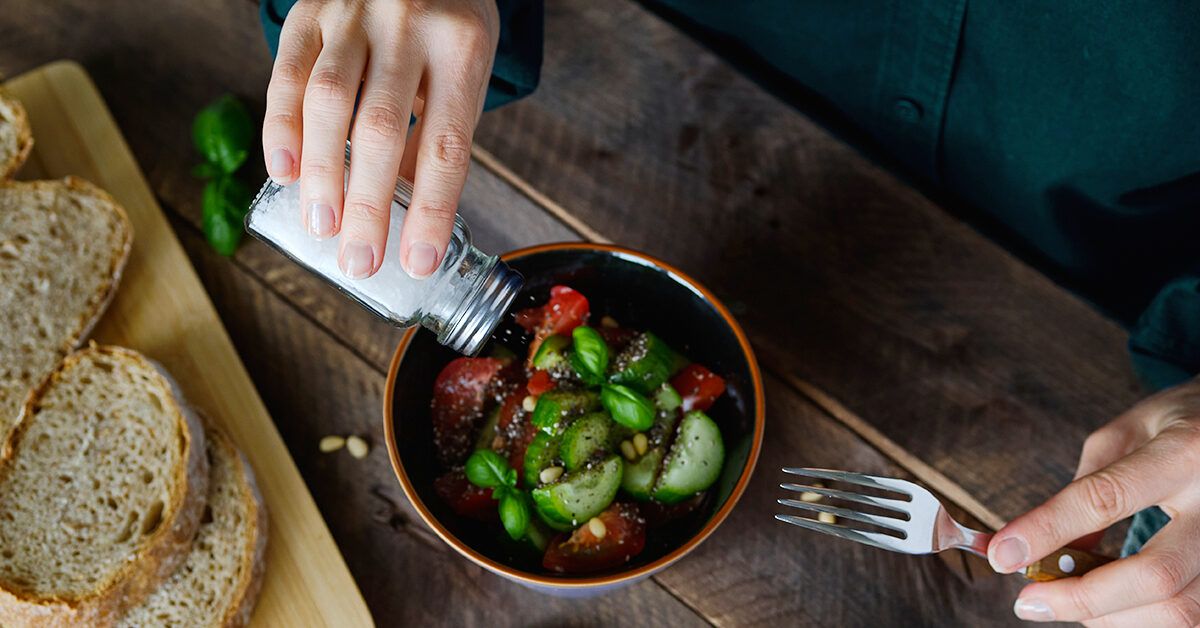
Most of the sodium we consume doesn't come from the salt shaker on the table; it is already inside the food we buy. This is why reading nutrition labels for CKD is perhaps the most important skill you can develop. When looking at a label, ignore the marketing claims like "healthy" or "natural" and go straight to the "Sodium" line.
A helpful rule of thumb is the 5/20 rule: if the % Daily Value of sodium is 5% or less, it is considered low; if it is 20% or more, it is high and should be avoided. You should also watch out for hidden salt sources in food such as "enhanced" meats. Many poultry and pork products are injected with a sodium solution to keep them juicy. Even a "fresh" chicken breast can be high in sodium if it has been treated this way.
| Food Item | Fresh/Low-Sodium Version | Processed/High-Sodium Version |
|---|---|---|
| Beans | Dried or "No Salt Added" (0-15mg) | Regular Canned (400-500mg) |
| Poultry | Fresh, non-enhanced (60-70mg) | Deli Turkey (500-900mg) |
| Vegetables | Fresh or Frozen (0-20mg) | Canned in Brine (300-400mg) |
| Grains | Plain Rice or Quinoa (0-5mg) | Boxed Seasoned Rice Mix (800mg+) |
One practical hack for your kitchen: if you must use canned vegetables or beans, rinse them thoroughly under cold water. This simple step can remove up to 40% of the sodium content. However, choosing fresh produce whenever possible remains the best way to safeguard your renal function and keep your cardiovascular health in check.
Flavor Without the Shaker: Low-Sodium Cooking Strategies
The most common concern I hear from patients is that a low-salt diet feels bland. I promise you, your taste buds will adapt, usually within two to four weeks. In the meantime, the goal is to replace the "hit" of salt with the "brightness" of acid and the "depth" of aromatics.
Using low sodium seasoning alternatives for kidney patients is the best way to keep meals exciting. Instead of reaching for the shaker, try these flavor boosters:
- Citrus: A squeeze of fresh lemon or lime juice can mimic the "pop" that salt gives to fish, chicken, and vegetables.
- Fresh Herbs: Cilantro, basil, parsley, and dill add vibrant flavor without any sodium.
- Vinegars: Balsamic, apple cider, or red wine vinegars add a sophisticated tang to salads and roasted roots.
- Aromatics: Garlic, onions, ginger, and leeks provide a savory base for almost any dish.
A word of caution: many people reach for salt substitutes when they start CKD sodium control. However, many of these "lite" salts replace sodium with potassium. For kidney patients, this can lead to hyperkalemia (dangerously high potassium levels), which can affect heart rhythm. Always talk to your nephrologist before using any salt substitute.
Learning how to flavor food without salt for CKD also involves navigating the world of dining out. When at a restaurant, don't be afraid to be the "difficult" diner. Ask for your protein to be grilled without salt, request all sauces and dressings on the side, and avoid anything described as "pickled," "smoked," or "brined."
FAQ
Why is low sodium intake critical for chronic kidney disease?
Low sodium intake is essential because damaged kidneys struggle to filter excess salt. This leads to fluid buildup in the body, which raises blood pressure and puts extra strain on the kidneys' filtration units. By controlling sodium, you reduce this pressure, protect your heart, and can significantly slow the progression of the disease.
How much sodium per day is recommended for CKD patients?
Clinical guidelines, specifically from KDIGO, recommend that CKD patients limit their sodium intake to less than 2 grams (2,000 milligrams) per day. This is roughly equivalent to one level teaspoon of salt across all meals and snacks in a 24-hour period.
What are hidden sources of sodium to avoid with kidney disease?
Common hidden sources include deli meats, canned soups, frozen dinners, and "enhanced" fresh meats injected with saline. Bread and bakery products are also surprising contributors, as salt is used for both flavor and as a preservative. Always check the nutrition label for sodium content per serving.
How can I reduce salt in my diet without losing flavor?
You can use salt-free spice blends, fresh herbs, garlic, onions, and acidic elements like lemon juice or high-quality vinegars to enhance food. Roasting and grilling vegetables can also bring out their natural sugars and flavors, making the lack of salt less noticeable.
Are salt substitutes safe to use for kidney disease patients?
Generally, no. Most commercial salt substitutes use potassium chloride to replace sodium chloride. Because the kidneys also regulate potassium, consuming these substitutes can lead to hyperkalemia, which is a life-threatening condition. It is safer to use herb-based, salt-free seasonings.
Taking Control of Your Kidney Health
Managing chronic kidney disease can feel like a full-time job, but every low-sodium choice you make is an investment in your future. By focusing on CKD sodium control, you aren't just following a "diet"—you are actively preserving your kidney function and protecting your heart. Start small: track your intake for three days to see your baseline, and then begin swapping one high-sodium item for a fresh alternative each week. Your kidneys will thank you for the relief.