Quick Facts
- Prevalence: Between 1.2% to 5.7% of children are diagnosed with Obstructive Sleep Apnea.
- Peak Age: Airway obstruction is most common between ages 2 and 8 due to tonsil and adenoid growth.
- Top Cause: Enlarged tonsils and adenoids are the primary triggers for pediatric airway issues.
- Diagnostic Gold Standard: Polysomnography, or an overnight sleep study, is the only definitive way to diagnose the condition.
- Surgical Success: Adenotonsillectomy has a high success rate, resolving symptoms in 70-90% of healthy children.
- Innovative Options: The FDA cleared the first pediatric oral appliance for specific age groups in September 2024.
- Key Symptom: While snoring is common, visible pauses in breathing or gasps for air are the most significant red flags.
Pediatric snoring isn't always harmless. While 10-20% of kids snore, child sleep apnea affects up to 5.7% of the population. Recognizing pediatric sleep apnea symptoms early is critical for long-term health. Signs of child sleep apnea include loud habitual snoring, visible gasps or pauses in breathing, and heavy mouth breathing during sleep. Unlike adult OSA, pediatric sleep apnea symptoms often manifest as daytime hyperactivity, bedwetting, or irritability, which can sometimes lead to an ADHD misdiagnosis.
Snoring vs. Sleep Apnea in Kids: Knowing the Difference
As a parent, it is easy to dismiss a light rhythmic snore as something "cute" or just a phase. However, as a preventive healthcare specialist, I always urge parents to look closer. There is a significant physiological difference between primary snoring and Obstructive Sleep Apnea (OSA). Primary snoring occurs when the soft tissues of the throat vibrate, but the airway remains relatively open. In contrast, child sleep apnea involves a partial or complete blockage of the airway, which drops oxygen levels and forces the brain to "wake up" the body to take a breath.
Statistics show that while 10% to 20% of children snore habitually, only about 1.2% to 5.7% of the general pediatric population actually has the clinical diagnosis of sleep-disordered breathing known as OSA. The peak incidence for these issues typically occurs between the ages 2 and 8, a window where the tonsils and adenoids grow at their fastest rate relative to the size of the child's airway.
Comparing Normal Snoring and Sleep Apnea
| Feature | Primary Snoring | Obstructive Sleep Apnea |
|---|---|---|
| Sound Quality | Soft, rhythmic, and consistent. | Loud, irregular, with snorts or gasps. |
| Breathing Pauses | None; breathing is continuous. | Noticeable pauses followed by a "startle" breath. |
| Daytime Behavior | Usually alert and well-rested. | Irritable, hyperactive, or excessively sleepy. |
| Sleeping Position | Normal positions. | Often sleeps with neck hyperextended to open the airway. |
| Sweating | Rare. | Common (night sweats due to the effort of breathing). |
The signs of sleep apnea in toddlers vs older children can also vary. A toddler might present with heavy mouth breathing and a "rib-cage tug" (retractions), where the skin pulls in around the chest as they struggle for air. Older children might exhibit more cognitive symptoms, such as difficulty concentrating in school or sudden mood swings.
The Hidden Symptoms: From Bedwetting to ADHD Misdiagnosis
The most challenging aspect of child sleep apnea is that the most telling symptoms often happen while you are asleep in another room. Furthermore, the daytime manifestations are frequently misunderstood. We often think of sleep-deprived adults as sluggish and tired, but sleep-deprived children often become "wired." This paradoxical reaction to exhaustion is why pediatric sleep apnea symptoms are so frequently mistaken for behavioral disorders.
When a child’s sleep is fragmented by airway obstruction, the prefrontal cortex—the part of the brain responsible for executive function, focus, and impulse control—cannot recover. This leads to child sleep apnea behavioral problems and concentration issues that mirror the diagnostic criteria for Attention Deficit Hyperactivity Disorder. Studies have shown that a significant percentage of children with behavioral issues actually have an underlying sleep disorder that, once treated, resolves the "ADHD" symptoms entirely.
Beyond behavior, parents should watch for nocturnal enuresis, or bedwetting. If a child who has been dry at night for months or years suddenly starts having accidents, it may be because the body is producing a hormone that signals the kidneys to release water when the heart is under stress from oxygen deprivation. Morning headaches are another red flag, often caused by the buildup of carbon dioxide in the blood during a night of poor gas exchange.
Parent’s Nighttime Observation Checklist
- Is your child breathing primarily through their mouth while asleep?
- Do you see their chest or throat sinking in with every breath?
- Is the snoring interrupted by silent pauses that last 5 to 10 seconds?
- Does your child sweat profusely or toss and turn restlessly?
- Are they difficult to wake up in the morning, or do they wake up cranky and confused?
Diagnosing Pediatric OSA: The Sleep Study and Beyond
If you notice these red flags, the first step is a clinical evaluation of the airway. A pediatrician or an otolaryngologist will examine the size of the tonsils and adenoids. However, a physical exam alone cannot confirm a diagnosis. You need to know when to see a pediatric sleep specialist for snoring to get a definitive answer.
The gold standard for how is pediatric sleep apnea diagnosed sleep study involves a process called Polysomnography. During this overnight stay in a specialized lab, sensors monitor your child's brain waves, heart rate, oxygen levels, and muscle movements. It is a non-invasive, painless procedure that allows doctors to see exactly how many times the airway collapses per hour (the Apnea-Hypopnea Index).
In some modern clinics, doctors are also using 3D CBCT imaging to look at the volume of the airway. This provides a clear picture of whether the obstruction is caused by soft tissue like enlarged tonsils and adenoids sleep apnea symptoms or a structural issue like a narrow palate.
Modern Treatment Options for Child Sleep Apnea
The approach to treating sleep apnea in children is vastly different today than it was a generation ago. According to the American Academy of Otolaryngology-Head and Neck Surgery, approximately 80% of pediatric tonsillectomies are now performed to treat obstructive sleep apnea. This is a sharp reversal from thirty years ago when 90% were performed for recurrent infections.
Surgical Intervention
An adenotonsillectomy remains the primary treatment for healthy children with enlarged tissues. By removing the physical blockages, the airway is cleared, and the success rate is remarkably high. Most children show immediate improvement in sleep quality and daytime behavior within weeks of the procedure.
Orthodontic and Non-Invasive Solutions
Not every child needs surgery. For those with a narrow upper jaw, palatal expanders can be used. These orthodontic devices slowly widen the roof of the mouth, which simultaneously widens the floor of the nasal cavity, increasing the space for air to flow. In September 2024, the FDA cleared the first pediatric oral appliance specifically designed for older children with mild to moderate OSA who cannot tolerate other treatments.
CPAP Therapy
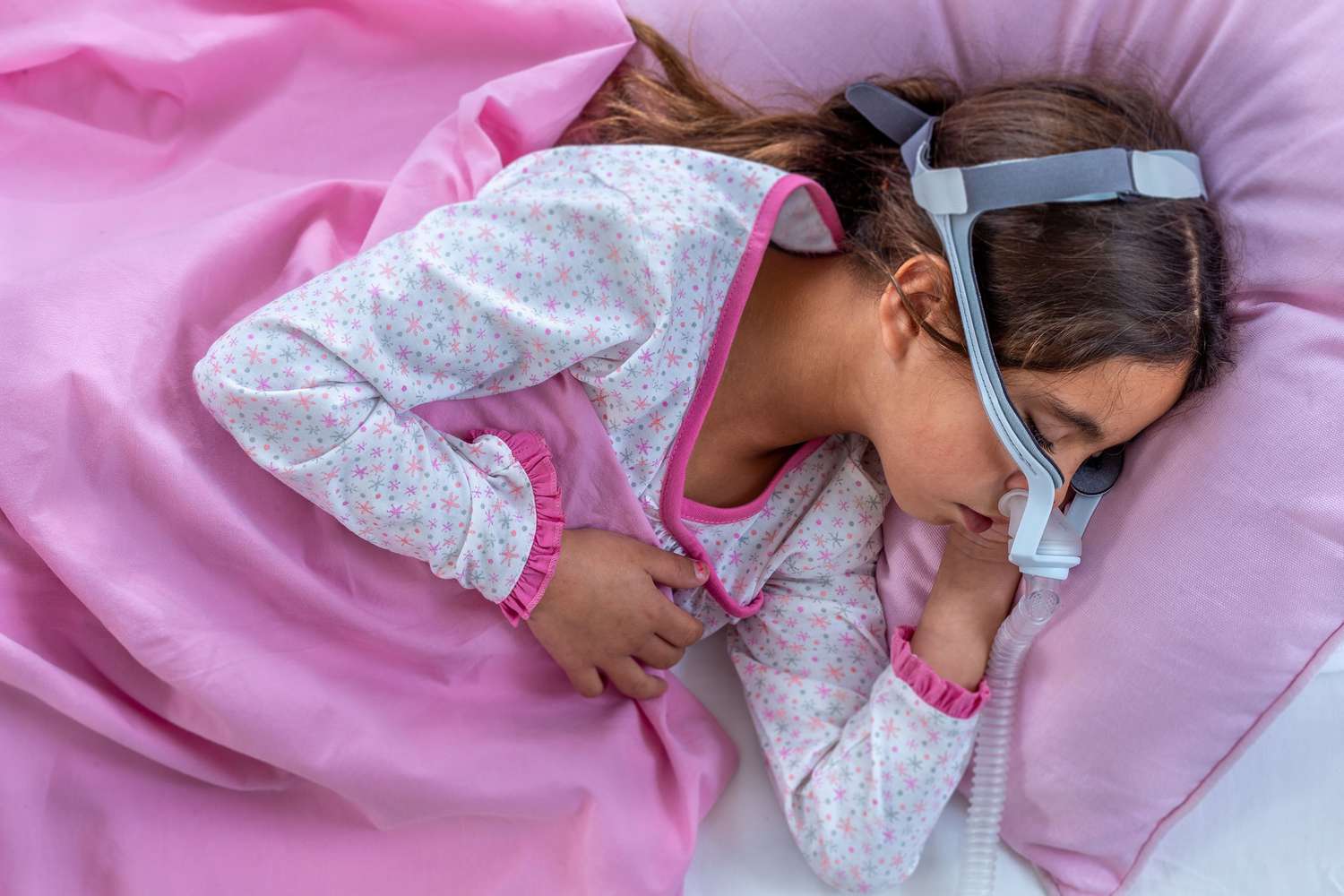
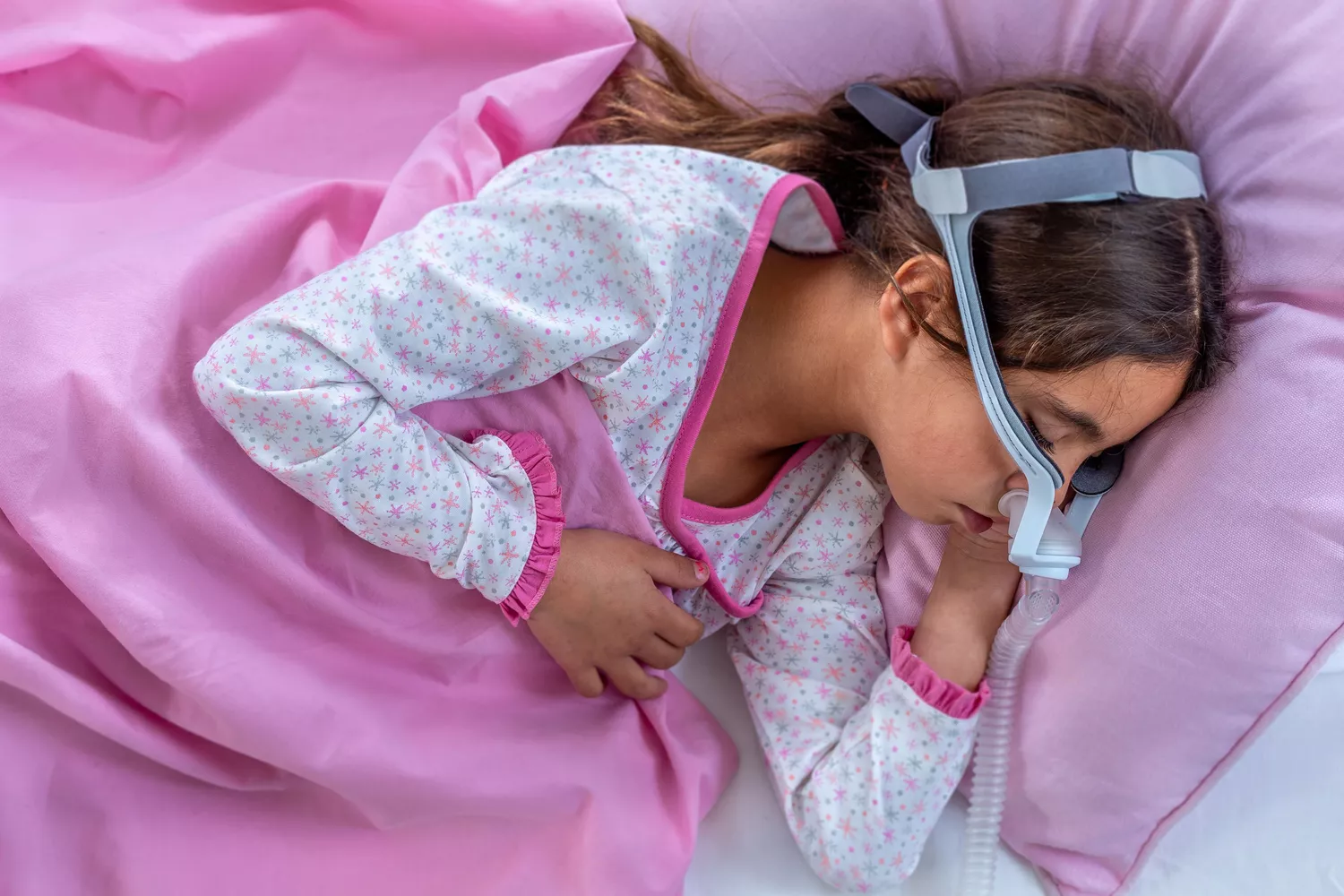
In more complex cases, or when surgery is not an option, Continuous Positive Airway Pressure (CPAP) is used. This involves a small mask worn during sleep that provides a gentle flow of air to keep the airway open. While it requires an adjustment period, it is a highly effective long-term management strategy for maintaining consistent oxygen levels.
The Risks of Waiting: Long-term Consequences
Ignoring chronic snoring or gasping in a child is not an option. The consequences of untreated sleep apnea in children extend far beyond just being tired. Sleep is when the body releases growth hormones; without deep, restorative sleep, a child may experience growth delays, sometimes referred to as "failure to thrive."
More concerning is the impact on the cardiovascular system. Every time a child stops breathing, their heart rate spikes and their blood pressure rises. Over years, this puts a significant strain on the heart. Furthermore, chronic oxygen deprivation during critical windows of brain development can lead to permanent impacts on a child's overall well-being and impaired cognitive function. Early intervention ensures that your child’s brain and body have the oxygen they need to reach their full potential.
FAQ
What are the first signs of sleep apnea in a child?
The earliest signs usually include loud, habitual snoring that occurs almost every night. You might also notice your child is a mouth breather, even during the day, and they may appear restless or unusually sweaty during sleep.
How do I know if my child's snoring is sleep apnea?
Listen for pauses in their breathing. If the snoring is interrupted by a few seconds of silence followed by a gasp, snort, or a sudden movement, it is a strong indicator of sleep apnea. Primary snoring is usually consistent and rhythmic without these "startle" moments.
Can sleep apnea cause behavioral problems in children?
Yes, it is a leading cause of behavioral issues. Sleep-deprived children often display irritability, aggression, and a lack of focus. Because these symptoms mimic ADHD, it is vital to screen for sleep issues before starting behavioral medications.
Is surgery the only way to treat sleep apnea in kids?
No, while adenotonsillectomy is common, other treatments include palatal expanders to widen the airway, CPAP therapy, and specialized oral appliances. The right treatment depends on the specific cause of the obstruction, such as whether it is tissue-based or structural.
What are the long-term effects of untreated pediatric sleep apnea?
Untreated sleep apnea can lead to cardiovascular strain, delayed physical growth, and long-term cognitive impairment. It can also cause persistent academic struggles due to the inability to concentrate and process information effectively during the day.