Quick Facts
- Top Pick for Potency: Atorvastatin is the preferred choice for aggressive lipid management.
- LDL Reduction at 40mg: Atorvastatin typically yields a 49% reduction compared to 37% for simvastatin.
- Dosing Flexibility: Atorvastatin can be taken anytime, whereas simvastatin requires nightly administration.
- Safety Warning: The 80mg dose of simvastatin is strictly restricted due to a high risk of muscle injury.
- Interaction Risk: Simvastatin dosage must be limited to 20mg when taken with the blood pressure medication amlodipine.
- Primary Mechanism: Both are HMG-CoA reductase inhibitors that block cholesterol production in the liver.
Atorvastatin and Simvastatin are both leading HMG-CoA reductase inhibitors, but they differ significantly in potency and dosing flexibility. When comparing Atorvastatin vs Simvastatin, Atorvastatin generally offers more aggressive LDL cholesterol reduction and longer-lasting effects, making it a cornerstone of modern high-intensity statin therapy.
Potency and Dosage: Which Lowers LDL Better?
In the world of preventive care and longevity, managing your lipid profile is a non-negotiable step toward heart health. When we look at the potency of atorvastatin vs simvastatin, clinical data consistently shows that atorvastatin is the more powerful agent. On a per-milligram basis, atorvastatin is approximately twice as potent as its counterpart. This means that a smaller dose of atorvastatin can achieve the same or better results than a larger dose of simvastatin.
According to a multicenter randomized trial, a 10 mg dose of atorvastatin reduced LDL cholesterol by 37.1%, proving more effective than a 20 mg dose of simvastatin, which achieved a 35.4% reduction. This efficiency is a primary reason why many clinicians prefer atorvastatin when a patient needs to reach specific, aggressive cholesterol targets.
The gap becomes even more apparent when looking at high-dose treatments. Maximum dose comparisons show that 80 mg of atorvastatin reduces LDL cholesterol by an average of 53.4%, while the same 80 mg dose of simvastatin results in a 46.7% reduction. For patients at high risk of a cardiovascular event, that extra 7% reduction can be a life-saving margin.
| Statin Dose | Atorvastatin LDL Reduction % | Simvastatin LDL Reduction % |
|---|---|---|
| 10 mg | 37.1% | 28% - 30% |
| 20 mg | 43% | 35.4% |
| 40 mg | 49% | 37% - 41% |
| 80 mg | 53.4% | 46.7% |
For men focused on longevity, the goal is often high-intensity statin therapy, defined as a treatment that lowers LDL by 50% or more. Currently, only high doses of atorvastatin (40mg to 80mg) or rosuvastatin can reliably hit these numbers. Simvastatin is largely categorized as a moderate-intensity treatment. When considering an atorvastatin vs simvastatin dosage comparison, remember that more isn't always better; efficiency and the ability to reach target levels without hitting toxicity thresholds is what matters most.
Timing and Metabolism: Why Half-Life Matters
One of the most practical differences between these two medications lies in their drug half-life. The half-life is the time it takes for the concentration of the drug in your body to reduce by half. Simvastatin has a very short half-life of about 2 hours. Because the body's peak cholesterol synthesis occurs in the liver while you sleep, simvastatin must be taken in the evening to ensure the drug is active when your body is producing the most cholesterol.
Atorvastatin, however, boasts a much longer half-life of approximately 14 hours. This provides significantly more dosing flexibility. You can take it in the morning, afternoon, or evening, as long as you are consistent. For busy professionals or those who struggle with a strict nightly routine, the convenience of atorvastatin can lead to better long-term adherence.
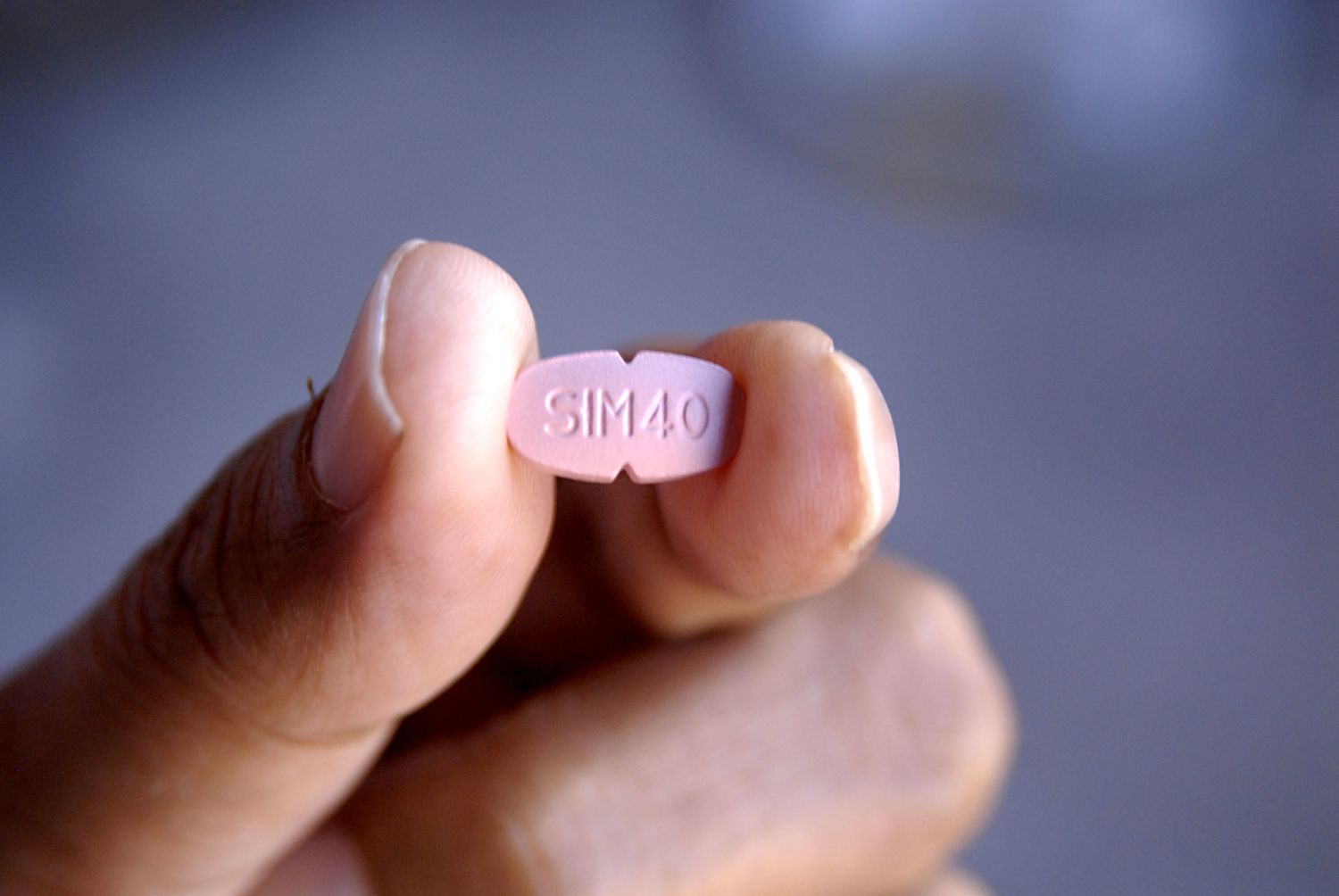
When we look at the CYP3A4 enzyme metabolism, both drugs are processed through this pathway in the liver. This commonality means both are susceptible to certain food and drug interactions, but the way they linger in the system remains the key differentiator. Choosing the best time of day to take simvastatin vs atorvastatin often comes down to your personal schedule and how well you can stick to a nightly ritual.
Side Effects: Muscle Pain and Safety Profiles
Safety is the top priority for any long-term health strategy. While both medications are generally well-tolerated, the side effects of simvastatin vs atorvastatin are a frequent topic of discussion in my office. The most common complaints involve myopathy symptoms, which include muscle pain, weakness, or tenderness.
In rare cases, these symptoms can progress to rhabdomyolysis, a serious condition where muscle tissue breaks down and enters the bloodstream, potentially causing kidney damage. Research and FDA guidelines have highlighted that simvastatin 80 mg safety concerns vs atorvastatin are significant. The 80mg dose of simvastatin is associated with a much higher risk of muscle injury compared to lower doses or comparable doses of other statins. As a result, the FDA has restricted the use of the 80mg simvastatin tablet to only those patients who have been taking it for 12 months or more without evidence of muscle problems.
- Muscle Pain (Myalgia): The most frequent side effect, often described as a dull ache or heaviness in the legs or back.
- Liver Enzyme Changes: Both drugs require occasional liver enzyme monitoring (ALT/AST) to ensure the liver is processing the medication safely.
- Digestive Issues: Some users report mild nausea, gas, or diarrhea when starting either medication.
- Neurological Effects: While rare, some patients report "brain fog" or memory lapses, though clinical data on this remains mixed.
When evaluating the muscle pain risk simvastatin vs atorvastatin, atorvastatin generally has a better safety profile at its highest doses. However, no matter which statin you use, if you experience unexplained muscle pain or brown-colored urine, you must contact your healthcare provider immediately.
Safety Warning: Simvastatin 80mg The FDA recommends that no new patients be started on the 80mg dose of simvastatin due to the increased risk of myopathy and rhabdomyolysis. If your current dosage is not meeting your LDL goals, switching to a more potent statin like atorvastatin is usually the safer clinical choice.
Drug and Food Interactions: Avoiding Risks
Understanding how your body processes these medications is essential for preventing adverse reactions. Both drugs are metabolized by the CYP3A4 enzyme, which means they can interact with other substances that use this same pathway.
A major concern for many is the grapefruit juice interaction. Grapefruit contains compounds that inhibit the CYP3A4 enzyme, potentially leading to a dangerous buildup of the drug in your bloodstream. While a small glass of juice might be okay for some, it is generally safer to avoid grapefruit products entirely while taking these statins to prevent an increased risk of side effects.
There are also critical drug-to-drug interactions to consider. For example, if you are taking amlodipine for blood pressure, the dosage of simvastatin should not exceed 20mg. Exceeding this limit significantly increases the risk of muscle toxicity. Atorvastatin does not have this specific restriction with amlodipine, which often makes it the easier choice for men managing both hypertension and high cholesterol.
If you find that your current medication isn't working or is causing issues, follow the switching from simvastatin to atorvastatin guidelines provided by your doctor. Usually, this involves a "washout" period or a direct transition to a lower dose of atorvastatin to account for the potency difference. Never stop or change your statin regimen without professional guidance, as maintaining a stable lipid profile management plan is vital for cardiovascular event prevention.
FAQ
Which is more effective, atorvastatin or simvastatin?
Atorvastatin is generally more effective because it provides a greater percentage of LDL cholesterol reduction at comparable doses. It is also capable of reaching the 50% reduction threshold required for high-intensity therapy, which simvastatin typically cannot reach at safe dosages.
Is atorvastatin stronger than simvastatin?
Yes, atorvastatin is stronger on a milligram-for-milligram basis. Specifically, 10mg of atorvastatin is roughly equivalent in power to 20mg to 40mg of simvastatin. This high potency allows for more aggressive management of cholesterol levels.
Which statin has fewer side effects?
Both have similar side effect profiles at low to moderate doses. However, at the highest doses, atorvastatin is considered safer. The 80mg dose of simvastatin has a significantly higher reported incidence of muscle damage and rhabdomyolysis compared to the 80mg dose of atorvastatin.
Why is simvastatin usually taken at night while atorvastatin can be taken anytime?
Simvastatin has a short half-life of about 2 hours and must be present when the liver produces the most cholesterol, which is during the night. Atorvastatin has a 14-hour half-life, meaning it stays in the system long enough to block cholesterol production regardless of when it is consumed.
Can I switch from simvastatin to atorvastatin?
Yes, many patients switch if they require more potent LDL lowering or if they experience side effects. Your doctor will use specific conversion ratios to ensure your new dose of atorvastatin provides the correct level of lipid control without increasing safety risks.