Quick Facts
- Clinical Efficacy: Research shows that acupuncture combined with Western medicine can lower 24-hour average systolic blood pressure by 3.57 mm Hg and diastolic pressure by 3.61 mm Hg.
- Biological Mechanism: Stimulates the parasympathetic nervous system and triggers nitric oxide production to dilate blood vessels.
- Long-term Protection: A large-scale cohort study found that acupuncture treatment is associated with a 50% lower risk of developing coronary heart disease.
- Post-Surgical Benefits: In clinical trials, acupuncture was linked to a 58% reduction in the incidence of post-operative atrial fibrillation.
- Integrative Approach: Most effective when used as a complementary therapy alongside lifestyle modifications and traditional medical treatments.
- Advanced Techniques: Electroacupuncture often provides more sustained results for blood pressure management than manual stimulation alone.
High blood pressure affects over a billion people globally, but acupuncture for hypertension is emerging as a powerful ally in cardiovascular care. By balancing the body's meridians and stimulating the parasympathetic nervous system, this ancient practice offers measurable benefits for heart health. This guide explores how integrative hypertension care can lower systolic and diastolic readings naturally.
The Science of Heart Health: How Acupuncture Works
As an editor focusing on longevity, I prioritize strategies that address the root causes of systemic decline. High blood pressure is often the result of an overactive sympathetic nervous system—our "fight or flight" response—remaining stuck in the "on" position. Acupuncture for hypertension works by modulating this system, effectively shifting the body back into a parasympathetic state. This transition is crucial for cardiovascular function because it allows the heart rate to slow and the blood vessels to relax.
One of the most fascinating aspects of this therapy is its impact on the renin-angiotensin-aldosterone system (RAAS). This hormonal system regulates blood pressure and fluid balance. When the RAAS is overstimulated, it leads to chronic hypertension. Clinical observations suggest that stimulating specific points can inhibit this system, leading to a natural reduction in pressure. Furthermore, sessions promote vagus nerve stimulation, which is a direct line to the heart’s regulatory centers. By improving heart rate variability, acupuncture helps the heart become more resilient to the physiological effects of chronic stress.
At the molecular level, the insertion of sterile needles triggers the release of nitric oxide. This molecule is a potent vasodilator, meaning it helps the inner muscles of your blood vessels relax and widen. This reduction in arterial stiffness is a primary mechanism through which acupuncture supports heart health and longevity. It is not just about a temporary drop in numbers; it is about improving the structural flexibility of the entire circulatory system.
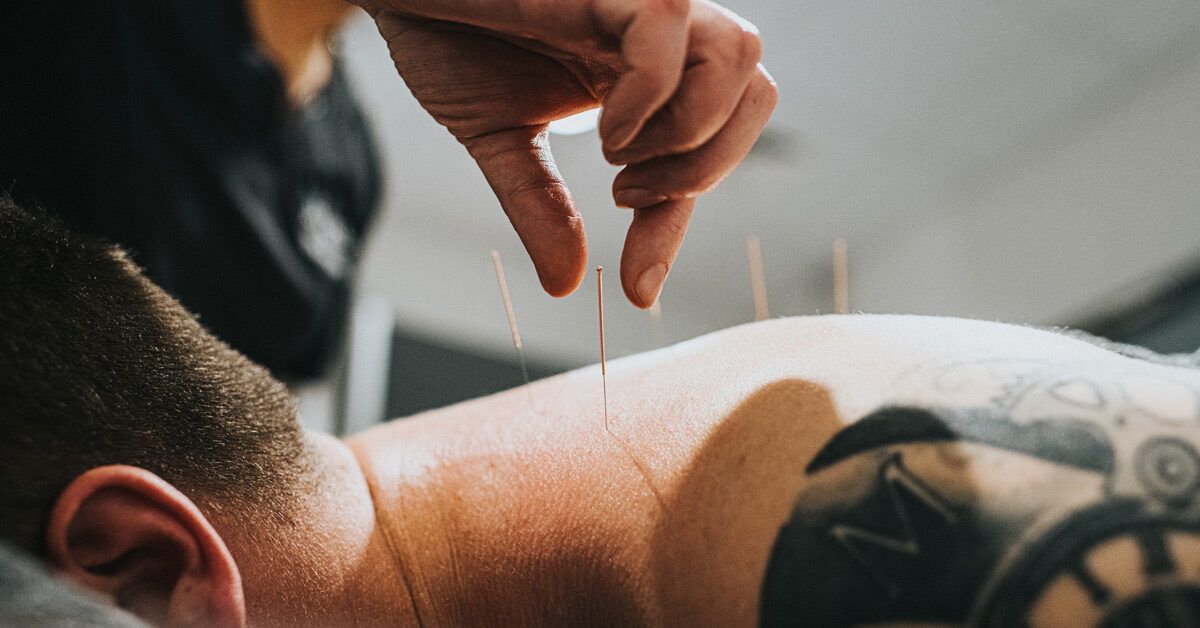
Targeting the Pressure: Best Acupuncture Points for Blood Pressure Management
In Traditional Chinese Medicine (TCM), hypertension is often viewed as an imbalance of energy or "Qi" moving upward too aggressively. To counter this, practitioners focus on specific acupuncture points for blood pressure that help ground the energy and clear heat from the system. While every patient receives a tailored protocol, a "Triple Threat" of points often forms the foundation of treatment.
Large Intestine 11 (LI11), located at the outer end of the elbow crease, is a primary point used to clear heat and lower high blood pressure. It is frequently paired with Stomach 36 (ST36), found just below the knee, which is renowned for its ability to tonify the body’s overall energy and support systemic meridian balance. The third pillar is Liver 3 (LR3), located on the top of the foot between the first and second toes. This point is essential for calming the liver-yang, which in TCM terms, is often the culprit behind stress-induced spikes in pressure.
For those dealing specifically with stress induced hypertension, auriculotherapy—or ear acupuncture—is an invaluable tool. The ear contains a map of the entire body, and by targeting points like the "Heart" or "Shen Men" (Heavenly Gate) in the ear, practitioners can quickly lower the body’s cortisol levels. This approach is particularly effective for patients whose blood pressure spikes during work hours or high-pressure situations.
Electroacupuncture vs. Manual Stimulation
While traditional manual acupuncture is effective, modern longevity medicine often utilizes electroacupuncture to achieve more significant and lasting results. This technique involves attaching a small device to the needles that sends a continuous, low-frequency electrical pulse. This provides a more consistent level of stimulation than a practitioner can achieve by hand.
| Feature | Manual Acupuncture | Electroacupuncture |
|---|---|---|
| Stimulation Type | Physical manipulation by the practitioner | Continuous low-frequency electrical microcurrents |
| Duration of Effect | Effective for immediate relaxation | Shown to have more sustained effects, sometimes lasting up to a month |
| Vascular Impact | Promotes general circulation | Higher correlation with increased nitric oxide production |
| Best For | Mild hypertension and general stress | Chronic hypertension and reducing arterial stiffness |
When considering how long it takes for acupuncture for hypertension to show results, research indicates that a consistent recommended frequency of acupuncture for hypertension is key. Most clinical trials involve sessions once or twice a week for six to eight weeks. Electroacupuncture, in particular, has been shown in some studies to maintain blood pressure reductions for several weeks after the treatment series has ended, making it a powerful tool for long-term management.
Integrative Hypertension Care: Lifestyle Synergies
Acupuncture is most potent when it acts as the centerpiece of a broader integrative hypertension care strategy. It should not be viewed as a "silver bullet" that allows you to ignore other aspects of your health. Instead, it creates a physiological environment where other healthy habits can thrive.
For instance, combining acupuncture with the DASH (Dietary Approaches to Stop Hypertension) diet can lead to more dramatic results than either intervention alone. When your nervous system is calmed by acupuncture, you may find it easier to adhere to dietary changes and maintain a consistent exercise routine. Additionally, incorporating specific breathing exercises—aiming for roughly six breaths per minute—can mirror the vagus nerve stimulation provided during an acupuncture session, reinforcing the benefits between appointments.
Patient compliance is a critical factor in managing heart health. Many patients struggle with the side effects of traditional blood pressure medications, such as fatigue or dizziness. By incorporating acupuncture, some patients find that their overall wellbeing improves to the point where they can work with their doctor to manage their condition with lower doses of medication, though any changes to prescriptions must be strictly supervised by a medical professional.
Safety and Professional Standards
When performed by a licensed professional, acupuncture is remarkably safe. The use of sterile filiform needles ensures that the risk of infection is minimal. However, because we are dealing with cardiovascular health, there are specific side effects and safety of acupuncture for blood pressure considerations that every patient should know.
Minor bruising or soreness at the needle site is the most common side effect. More importantly, patients with hypertension must ensure they do not discontinue their prescribed medications without consulting their cardiologist. Acupuncture is a complementary therapy, not a replacement for emergency medical care or essential pharmaceuticals.
Always verify that your practitioner is board-certified and has experience in managing cardiovascular issues. They should take a full medical history and monitor your systolic and diastolic readings throughout your course of treatment. This professional oversight ensures that the therapy is helping you reach your health goals safely and effectively.
FAQ
Can acupuncture lower high blood pressure?
Yes, clinical research indicates that acupuncture can significantly reduce blood pressure, especially when used in conjunction with conventional medical treatments. It helps by relaxing the nervous system and improving the function of the blood vessels.
How many sessions of acupuncture are needed for hypertension?
Most patients require an initial series of 6 to 12 sessions, typically scheduled once or twice per week. After the initial phase, maintenance sessions once a month may be recommended to sustain the cardiovascular benefits.
What are the best acupuncture points for blood pressure?
The most commonly used points include Large Intestine 11 (LI11) on the arm, Stomach 36 (ST36) on the leg, and Liver 3 (LR3) on the foot. Ear points are also frequently used to manage stress-related hypertension.
Is acupuncture safe for patients with hypertension?
Acupuncture is considered very safe when performed by a trained and licensed professional using sterile needles. It has few side effects compared to many pharmaceutical interventions, making it an excellent complementary option.
Can acupuncture help with stress-related hypertension?
Acupuncture is particularly effective for stress-induced hypertension because it targets the parasympathetic nervous system and reduces cortisol levels. It helps the body shift out of a constant state of "fight or flight."
How does acupuncture work to reduce blood pressure?
It works through several biological pathways, including the stimulation of the vagus nerve, the inhibition of the renin-angiotensin-aldosterone system, and the promotion of nitric oxide release, which helps dilate blood vessels.