Our Top Picks
- Best Overall: ASICS Gel Kayano 31 — Delivers premium stability through adaptive 4D Guidance technology.
- Best for High Arches: ASICS Novablast 5 — Offers exceptional shock absorption and energy return for neutral runners.
- Best for Overpronation: Brooks Adrenaline GTS 23 — Uses reliable GuideRails to keep excess movement in check.
- Best Value: Saucony Guide 17 — A lightweight, stable option that provides a smooth heel-to-toe transition.
Most runners benefit from arch support running shoes, though the specific type depends on foot structure. Individuals with flat feet or low arches often require stability or motion-control shoes to prevent overpronation. Those with high arches typically need neutral shoes with plush cushioning to manage underpronation and improve shock absorption. Even runners with neutral gaits can benefit from the enhanced balance and impact protection provided by supportive footwear.
Why Arch Support Matters: The Expert Verdict
Running is a high-impact sport that places significant stress on the musculoskeletal system. Every time your foot hits the ground, it absorbs several times your body weight in force. For many athletes, the natural structure of the foot needs a little help to manage these forces efficiently. Arch support is not just about comfort; it is about biomechanical alignment.
When the arch is properly supported, the ankles remain aligned, which promotes a natural gait and facilitates smooth heel-to-toe transitions. This proper alignment reduces foot fatigue and helps prevent common injuries such as plantar fasciitis, shin splints, and lower back pain. By evenly distributing the impact of each stride, these shoes minimize stress on joints including the knees and hips, allowing for more comfortable endurance training.
The demand for specialized footwear is backed by biological data. Research indicates that the prevalence of flatfoot is approximately 16.2% among males and 11.7% among females, contributing to the demand for specialized arch-support footwear. Furthermore, a study published in the Journal of Foot and Ankle Research found that runners utilizing proper arch support experienced a significant decrease in injury rates for conditions such as plantar fasciitis, shin splints, and stress fractures.
Using podiatrist recommended running shoes ensures that your specific biomechanics—whether you overpronate or supinate—are accounted for, leading to better performance and fewer days on the sideline.
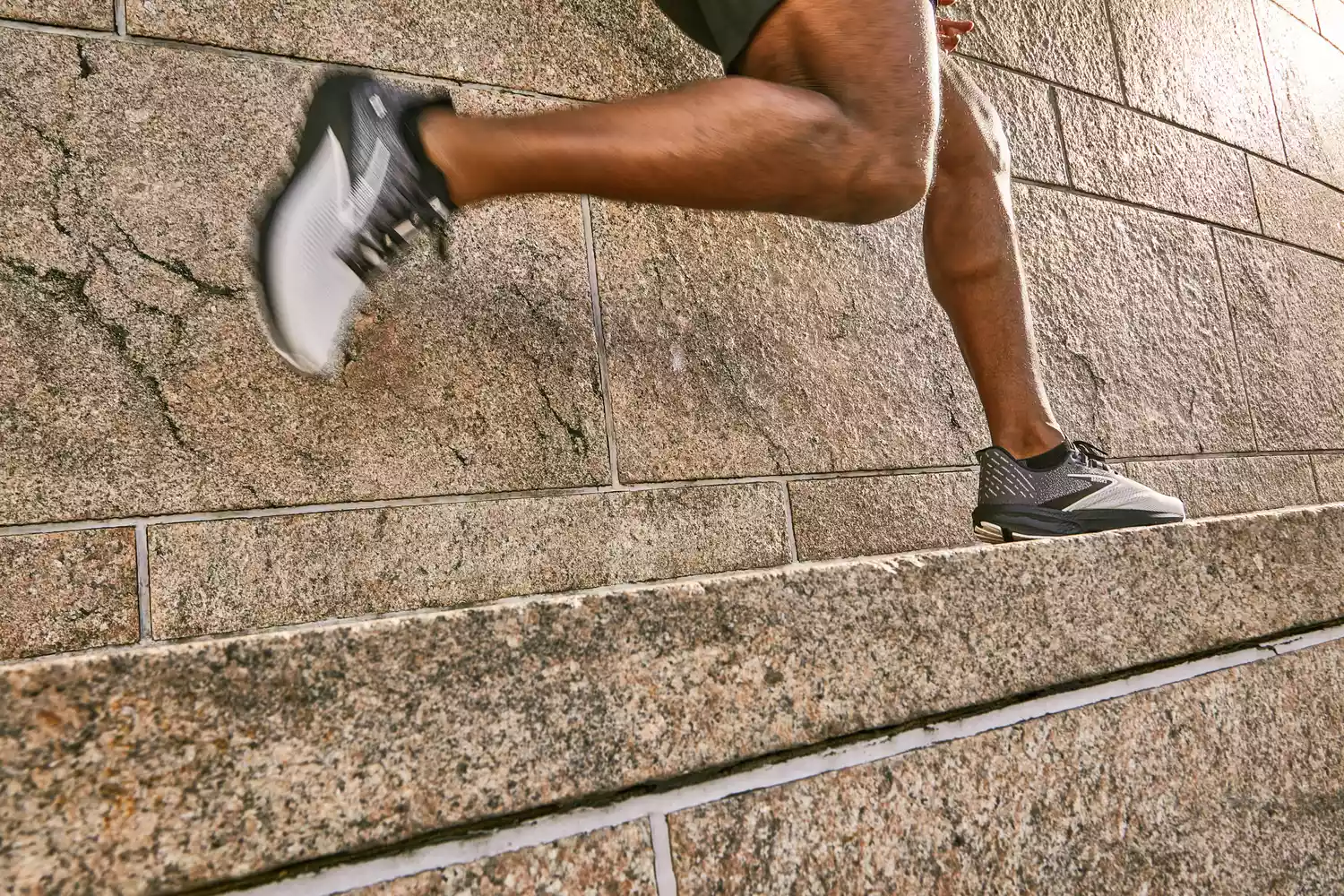
Best Arch Support Running Shoes for Overpronation
For runners whose feet roll inward excessively, stability running shoes for overpronation are essential. These models often feature motion control technology designed to stabilize the midfoot and prevent the arch from collapsing too far during the gait cycle.
1. ASICS Gel Kayano 31
This is the gold standard for stability. The Kayano 31 uses a 4D Guidance system that provides adaptive stability rather than rigid correction. It works with your foot's movement to provide support only when you need it.
- Weight: 10.7 oz
- Drop: 10mm
- Stack Height: 40mm (Heel)
- Pros: Incredible comfort, adaptive stability, high energy return.
- Cons: Can feel a bit heavy for speed work.
- Why it's great: It provides overpronation correction without feeling like a stiff medical device.
2. Brooks Adrenaline GTS 23
The GTS stands for "Go-To Support," and for good reason. It utilizes GuideRails technology, which acts like bowling alley bumpers to keep your foot in its natural path of motion, making it one of the most reliable stability running shoes for overpronation and flat feet.
- Weight: 10.1 oz
- Drop: 12mm
- Stack Height: 36mm (Heel)
- Pros: Classic fit, excellent durability, effective GuideRails.
- Cons: The 12mm drop might be too high for some.
- Why it's great: It offers a very stable platform that is particularly helpful for long distance running shoes for arch support and endurance training.
3. Saucony Guide 17
Saucony has redesigned the Guide to be broader and more inherently stable. It moves away from the traditional medial post and uses a wider base and higher sidewalls to center the foot.
- Weight: 9.5 oz
- Drop: 6mm
- Stack Height: 35mm (Heel)
- Pros: Lightweight for a stability shoe, very smooth transition.
- Cons: Lower drop may require an adjustment period.
- Why it's great: This is a fantastic choice if you want wide toe box running shoes with arch support for bunions, as the forefoot provides ample room.
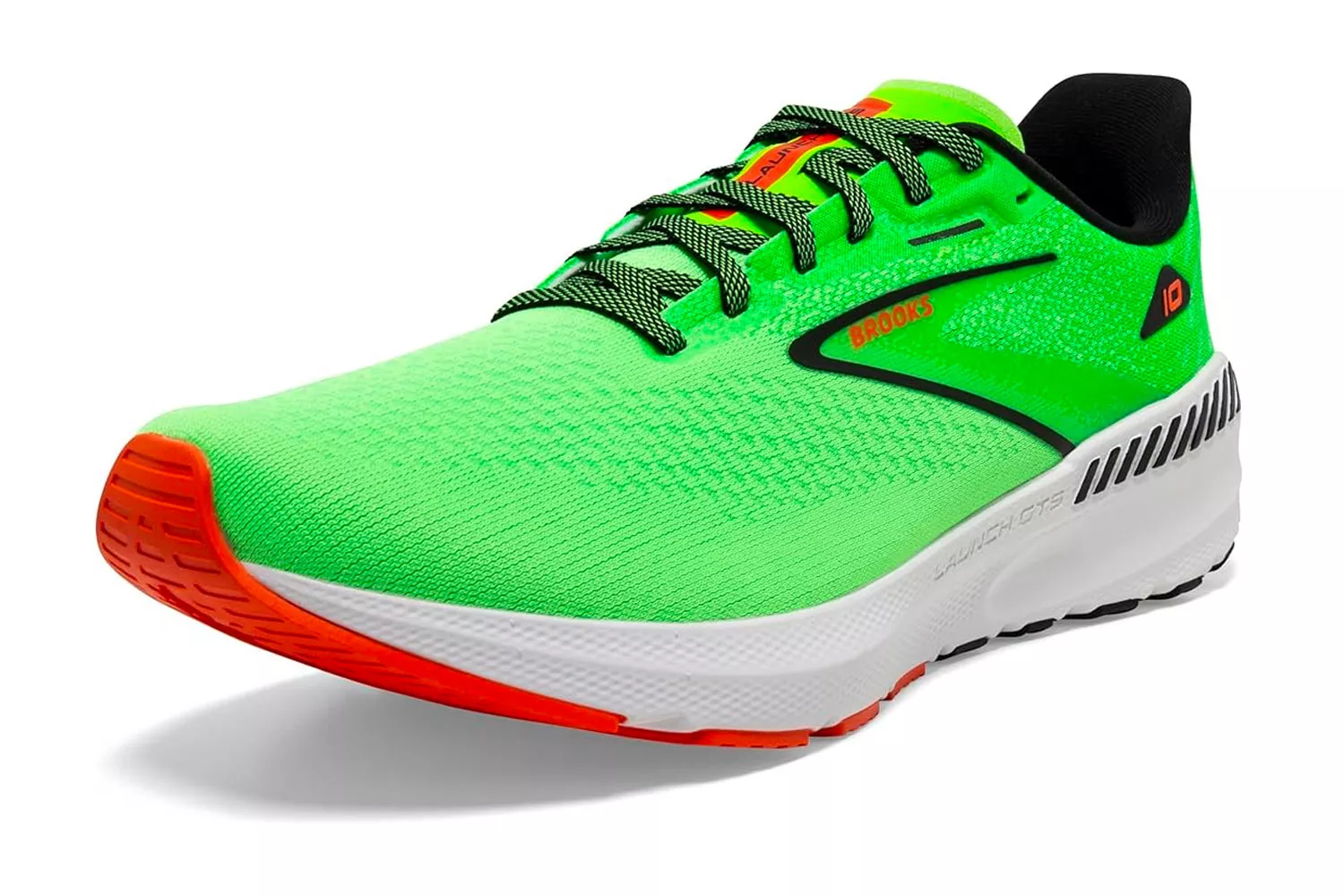
4. Brooks Launch GTS 10
If you are looking for lightweight arch support running shoes for speed and tempo runs, the Launch GTS is the answer. It is streamlined for faster paces while still providing the necessary overpronation correction through the GuideRails system.
- Weight: 8.2 oz
- Drop: 10mm
- Stack Height: 34mm (Heel)
- Pros: Very fast feel, affordable, great ground feel.
- Cons: Less cushioning than the Adrenaline or Kayano.
- Why it's great: Perfect for those who need support but don't want the bulk of a traditional stability shoe.
Best Running Shoes for High Arches and Neutral Runners
Runners with high arches often struggle with underpronation, where the foot doesn't roll inward enough to absorb shock. For these athletes, running shoes for high arches must prioritize cushioning and flexibility to manage the impact.
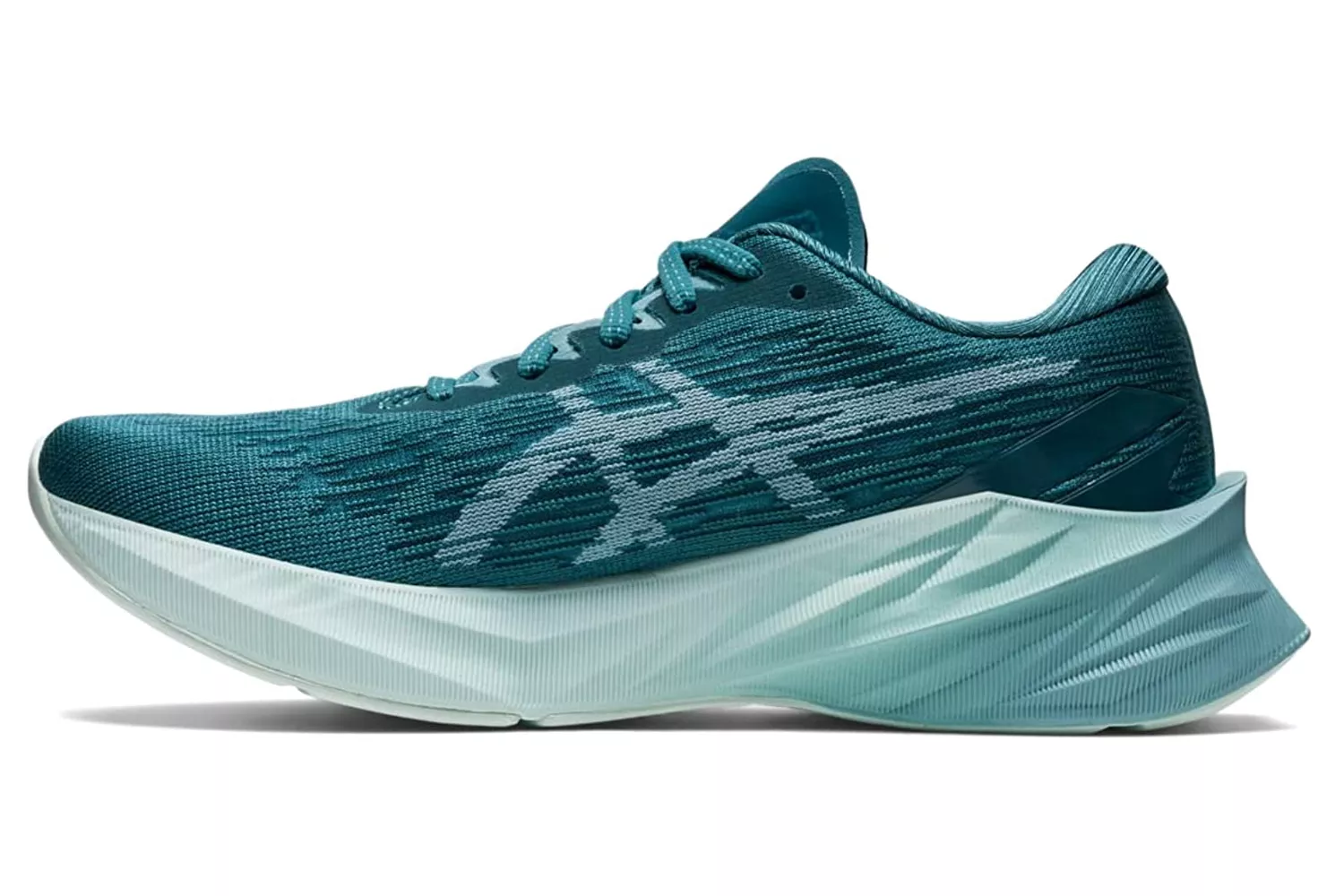
5. ASICS Novablast 5
The Novablast 5 is a favorite among neutral runners. Its trampoline-inspired outsole provides massive energy return and superior shock absorption, which is vital for high arches that tend to be rigid.
- Weight: 9.1 oz
- Drop: 8mm
- Stack Height: 41.5mm (Heel)
- Pros: Extremely bouncy, comfortable for long miles, stylish.
- Cons: The high stack height can feel slightly unstable on uneven trails.
- Why it's great: It manages a neutral gait while providing the impact protection high-arched runners need to avoid stress fractures.
6. HOKA Skyward X
This is a maximalist shoe designed for maximum comfort. With a massive stack of foam and a carbon fiber plate, it offers one of the best experiences for best running shoes for high arches and supination.
- Weight: 11.3 oz
- Drop: 5mm
- Stack Height: 48mm (Heel)
- Pros: Ultimate cushioning, rockered geometry for easy transitions.
- Cons: Very high price point, heavy.
- Why it's great: The carbon plate provides structure while the foam saves your legs during high-volume weeks.
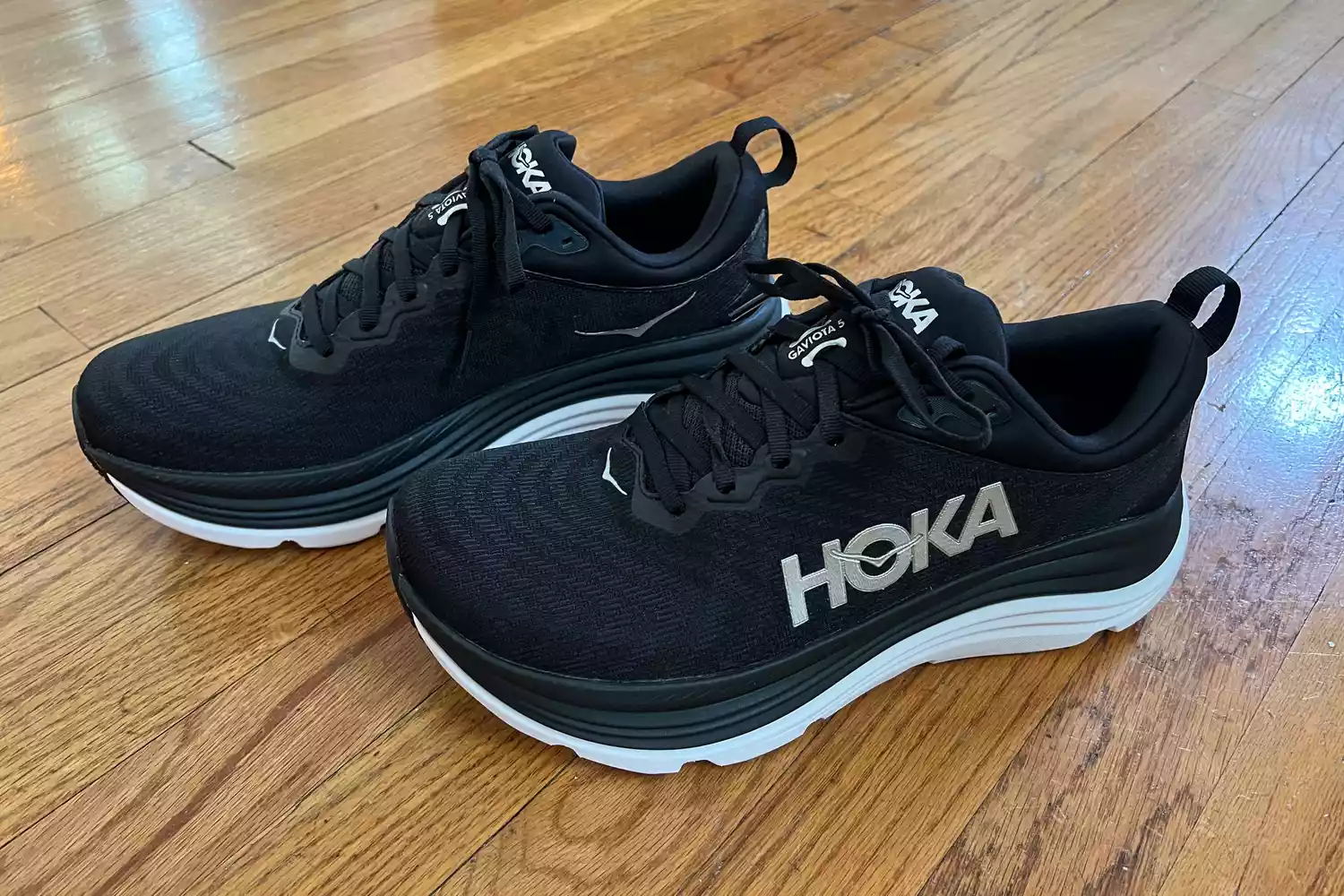
7. HOKA Gaviota 5
While HOKA is known for neutral shoes, the Gaviota 5 is their premier stability offering. It uses an H-Frame to provide support, making it a unique hybrid that offers podiatrist recommended running shoes levels of support with HOKA's signature plush feel.
- Weight: 10.9 oz
- Drop: 5mm
- Stack Height: 36mm (Heel)
- Pros: Very stable, wide platform, comfortable upper.
- Cons: Can feel "boxy" to some runners.
- Why it's great: It provides a stable base for those who need a wide toe box and substantial arch support.
8. New Balance Fresh Foam X Vongo v6
The Vongo combines the plush feel of Fresh Foam with an innovative underfoot film that provides stability without a traditional medial post.
- Weight: 10.7 oz
- Drop: 6mm
- Stack Height: 38mm (Heel)
- Pros: Premium materials, soft but supportive, great for long runs.
- Cons: Not as breathable as some competitors.
- Why it's great: It is an excellent choice for runners looking for podiatrist recommended running shoes for plantar fasciitis relief because the foam density is perfectly balanced.
Expert Buying Guide: How to Choose
Selecting the right arch support running shoes requires an understanding of your own biomechanics. If you aren't sure where you fall on the spectrum, you can try the Wet Test at home. Simply wet the bottom of your foot and step onto a piece of cardboard. A full footprint suggests flat feet, while a very thin line connecting the heel and forefoot indicates high arches.
When shopping, keep these factors in mind:
- Support Mechanisms: Look for terms like medial post (a firmer piece of foam on the inside of the shoe) or GuideRails (cradles that keep the foot centered). Modern stability models are moving toward wider bases and geometry-based support rather than rigid posts.
- Heel-to-Toe Drop: This is the difference in height between the heel and the forefoot. Stability models often have a higher drop (10-12mm) to take pressure off the Achilles, while neutral shoes may have lower drops (5-8mm) to encourage a midfoot strike.
- APMA Seal of Acceptance: If you struggle with chronic pain, look for shoes with this seal. It means the shoe has been reviewed by a committee of podiatrists and found to promote good foot health.
- Price and Weight Benchmarks: Our testing shows that the average price for high-quality supportive footwear is around $154, with an average weight of about 9.31 oz. While specialized tech can increase the price, the injury prevention benefits often outweigh the cost.
Remember that even the best shoes have a lifespan. Most experts recommend replacing your trainers every 400 to 500 miles. Once the foam compresses, the arch support running shoes lose their ability to provide effective impact protection and gait analysis shows a significant drop in efficiency.
FAQ
Do I need arch support for running?
Most runners can benefit from some level of arch support to help with shock absorption and alignment. If you experience foot fatigue or pain in your knees and hips, it is a strong indicator that you need more support to manage the impact of your stride.
How do I know if I have high arches or flat feet?
A quick way to check is the Wet Test, looking at the shape of your footprint. However, for a more accurate assessment, visit a local running store for a professional gait analysis. They can watch you run on a treadmill to see how your feet move under load.
Can arch support running shoes help with plantar fasciitis?
Yes, many podiatrist recommended running shoes are specifically designed to reduce tension on the plantar fascia. Shoes with a structured arch and a rockered sole can help alleviate the pulling sensation and distribute pressure more evenly across the foot.
Should I use custom insoles or buy specific arch support shoes?
It depends on the severity of your needs. For many, a high-quality stability shoe provides enough support. However, if you have structural issues that a standard shoe cannot fix, custom insoles paired with a neutral shoe may be the better option. Always consult a professional before making the switch.
How long do arch support running shoes usually last?
Most pairs last between 400 and 500 miles. You should monitor the midsole for visible wrinkles or a "deflated" feeling. If you start feeling new aches in your joints after a run, it is likely time to retire your current pair.
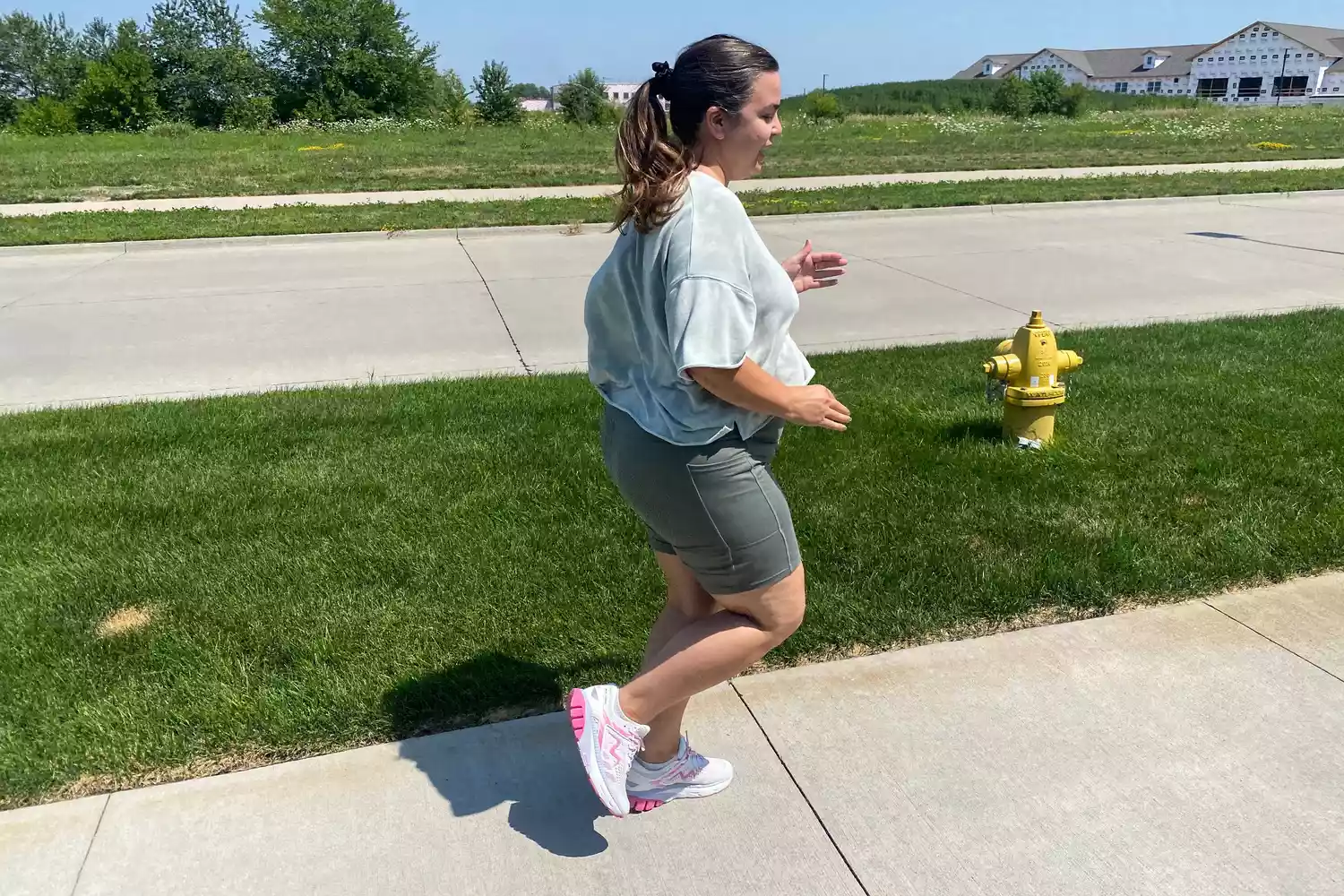
Your choice in footwear is the foundation of your training. By matching your shoe to your arch type, you aren't just buying comfort—you are investing in your longevity as an athlete. Whether you need the rigid control of a motion-control shoe or the plush bounce of a high-stack neutral trainer, the right fit will keep you running stronger and longer.