Quick Facts
- Ideal Temperature: Experts recommend keeping your bedroom environment between 60 and 67 degrees Fahrenheit for optimal rest.
- Biological Trigger: Your core body temperature must drop by 1 to 2 degrees Fahrenheit to signal the brain it is time to sleep.
- Global Impact: Rising nighttime temperatures have led to an average loss of 44 hours of sleep per person annually in recent decades.
- Pre-Bed Routine: A warm shower or bath about 90 minutes before bed is more effective for cooling than a cold one.
- Sleep Disruption: Approximately 57% of adults report that overheating is a primary cause of disrupted sleep during the night.
- Key Mechanism: Vasodilation, the widening of blood vessels, is the primary way the body moves heat from its core to its surface.
To effectively lower your core body temperature before bed, try taking a warm bath or shower to trigger vasodilation, which helps your body dissipate heat. By integrating these cooling sleep tips with moisture-wicking fabrics and intentional evening routines, you can master how to sleep better in heat and achieve deeper, more restorative rest.
As someone who focuses on preventive healthcare, I often see how people underestimate the power of their internal thermostat. Sleep isn't just a passive state of rest; it is a complex biological process heavily influenced by your environment and physiology. When the mercury rises, your body struggles to reach the thermal equilibrium required for deep sleep stages. This guide explores the science-backed bedroom cooling strategies you need to reclaim your nights and wake up feeling truly refreshed.
The Science of Heat Dissipation: Focus on the Extremities
The journey toward a better night's rest begins with understanding how your body sheds warmth. We often think of our skin as a uniform layer, but when it comes to thermoregulation, your hands, feet, and face are your most valuable assets. These areas contain specialized vascular structures that allow for rapid heat exchange with the environment.
When your body prepares for rest, your internal clock initiates a process where blood is shunted from your core to your extremities. This process, known as vasodilation, is why your hands and feet might feel warm just before you drift off. For sleep onset to occur effectively, your core temperature typically drops by approximately 1 to 2 degrees Fahrenheit. If your room is too hot, this heat dissipation becomes sluggish, leaving you tossing and turning as your brain stays in a state of high alert.
One simple yet effective tactic I often recommend is the 60-second blanket air-out. Before climbing into bed, lift your top covers and fan them a few times to replace the trapped warm air with the cooler ambient air of the room. This tiny adjustment can lower the surface temperature of your sheets just enough to facilitate the initial drop in body temperature needed for sleep onset latency to decrease.
Optimize Your Sleep Surface: The Scandinavian Method & Fabrics
Your choice of bedding is the foundation of your microclimate. Many of us make the mistake of choosing heavy, synthetic materials that trap heat against the skin, creating a literal greenhouse effect under the covers. To understand how to lower core body temperature before bed naturally, we must look at the textiles that touch us.
Natural fibers like cotton, linen, and bamboo are far superior to polyester or high-thread-count sateen. These breathable textiles allow for air circulation and leverage moisture-wicking fabrics to pull sweat away from the body. This is crucial because sweat only cools you if it can evaporate; if it stays trapped against your skin, you simply feel humid and uncomfortable, leading to persistent night sweats.
For couples who share a bed but have different thermal needs, I highly suggest the Scandinavian Sleep Method. This involves using two separate twin-sized duvets rather than one large shared comforter. This setup provides dual zone cooling mattresses for couples by allowing each person to regulate their own warmth without being affected by their partner’s body heat.
| Feature | Passive Cooling (Fabrics/Manual) | Active Cooling (Tech/Systems) |
|---|---|---|
| Primary Method | Airflow and moisture-wicking | Powered water or air circulation |
| Price Point | Budget-friendly | Investment-level |
| Control | Static; depends on ambient air | Dynamic; programmable via app/sensors |
| Sustainability | High; no electricity used | Moderate; requires power |
| Best For | Mild heat and general comfort | Chronic insomnia and extreme heatwaves |
Strategic Hygiene: Warm Showers and Light Management
It sounds counterintuitive, but one of the best ways to stay cool is to get warm. Taking a lukewarm or warm shower about an hour before bedtime is a cornerstone of smart summer sleep hygiene tips for heatwaves. The warm water brings blood to the surface of your skin. Once you step out of the shower, that heat rapidly evaporates into the air, causing your core temperature to plummet more effectively than it would have otherwise.
An ice-cold shower, on the other hand, can backfire. Extreme cold causes your blood vessels to constrict to protect your core, which actually traps heat inside. It can also be too stimulating for the nervous system, making it harder to relax. The goal is gentle vasodilation, not a shock to the system.
Furthermore, we cannot talk about temperature without talking about light. Melatonin suppression caused by blue light from digital screens doesn't just keep your brain awake; it also interferes with the body's natural cooling process. Melatonin and body temperature are inversely linked in our circadian rhythm. By limiting screen time and ensuring your bedroom is dark, you support the natural dip in temperature that accompanies the rise of sleep hormones.
Metabolic Cooling: Timing Your Nutrition
What you put in your body during the evening hours significantly impacts your internal heat production. Digestion is a thermogenic process—it creates heat. Eating a heavy, protein-rich meal late at night forces your metabolic rate to stay elevated when it should be slowing down. This makes lowering body temperature for sleep much more difficult.
Instead, if you are hungry before bed, opt for snacks like bananas or almonds. These contain magnesium and tryptophan, which support muscle relaxation and help the brain produce the neurochemicals needed for sleep. Magnesium, in particular, plays a subtle role in thermoregulation and can help mitigate the physical stress of trying to sleep in a hot environment.
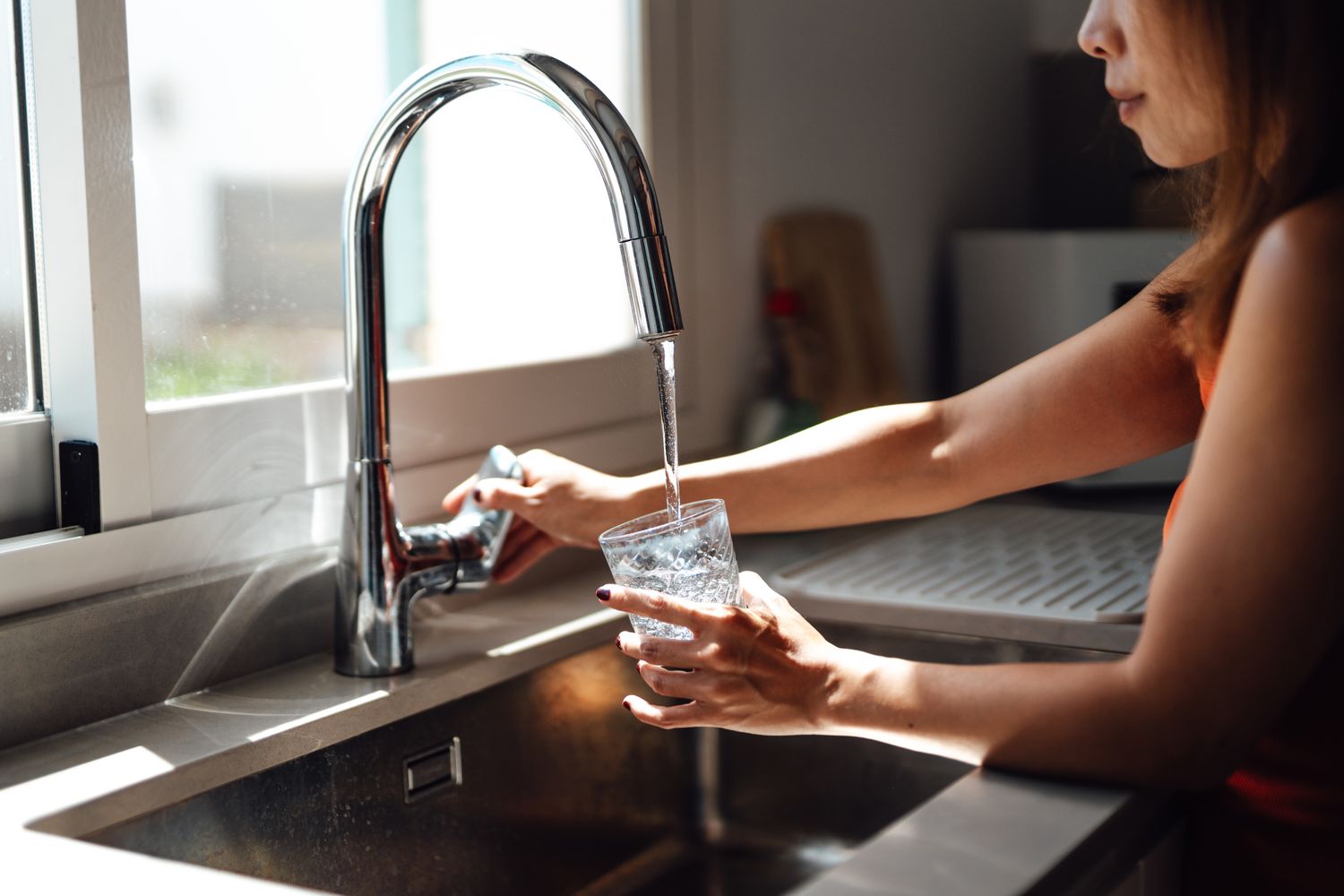
Hydration is also a factor, but timing is everything. While sipping cool water can help, avoid large amounts of alcohol. Alcohol is a vasodilator that may make you feel warm initially, but it increases your heart rate and disrupts the later, more restorative stages of sleep, often leading to a "rebound" effect where you wake up feeling hot and dehydrated in the middle of the night.
Advanced Bedroom Cooling Strategies: No AC & Tech
If you live in an environment where air conditioning isn't an option, or you simply want to reduce your carbon footprint, there are several bedroom cooling strategies without air conditioning that work remarkably well. Cross-ventilation is your best friend. If possible, open windows on opposite sides of your home to create a breeze. Placing a bowl of ice or a frozen water bottle in front of a floor fan can create a makeshift "swamp cooler" effect, blowing chilled air directly toward your bed.
For those who want to invest in their sleep health, active bed cooling systems are a game-changer. These systems use thin tubes of water or air-circulating layers to maintain a specific, user-defined temperature throughout the night. Unlike a standard mattress that may absorb and hold your body heat, these active systems move the heat away from you. The active bed cooling system benefits for insomnia are particularly notable, as they provide a consistent thermal environment that prevents the middle-of-the-night wake-ups caused by overheating.
When selecting technology, look for smart mattresses with sensors that can detect when your skin temperature rises and adjust the cooling level automatically. This ensures that the ambient temperature remains stable even as the outside temperature fluctuates during the early morning hours.
Expert Insight: Dr. Matthew Walker, author of Why We Sleep, emphasizes that your brain needs to drop its temperature to initiate sleep. If you can't cool the whole room, focus on cooling your body directly through bedding and hygiene.
FAQ
How can I cool down my body for sleep?
To cool down effectively, focus on moving heat from your core to your extremities. This can be achieved by taking a warm bath 90 minutes before bed, keeping your feet outside the covers, and wearing loose, natural fabrics. Ensuring you stay hydrated and avoiding heavy meals late in the evening also helps keep your metabolic heat low.
What is the ideal bedroom temperature for sleeping?
Most sleep experts and the National Sleep Foundation recommend a bedroom temperature between 60 and 67 degrees Fahrenheit. This range is considered the "goldilocks" zone that supports the natural drop in core body temperature required to enter deep, restorative sleep stages.
How do you stay cool at night without air conditioning?
You can stay cool without AC by using cross-ventilation, placing fans strategically to move air, and using the "Egyptian method" of sleeping under a damp towel or sheet. Additionally, keeping curtains closed during the day to block out solar heat and choosing moisture-wicking bedding can significantly improve comfort.
Do cooling pillows and mattress toppers actually work?
Yes, but their effectiveness depends on the technology used. Passive cooling products like those made with gel-infused foam or phase change materials work by absorbing heat, but they may eventually reach a limit. Active cooling toppers that use water or air circulation are much more effective at maintaining a consistent, low temperature throughout the entire night.
Does taking a warm shower help you sleep in the heat?
Yes, a warm or lukewarm shower is highly effective because it triggers a process called vasodilation. By bringing blood to the surface of the skin, the shower encourages your body to release internal heat once you step into a cooler environment, leading to a natural and rapid drop in core body temperature that facilitates sleep.
As you look toward tonight, I encourage you to try just one of these science-backed techniques. Whether it is the 60-second blanket air-out or switching to a magnesium-rich evening snack, small changes in your routine can lead to profound improvements in your sleep quality. Sleep is the foundation of your long-term wellness—don't let the heat take it away from you.